













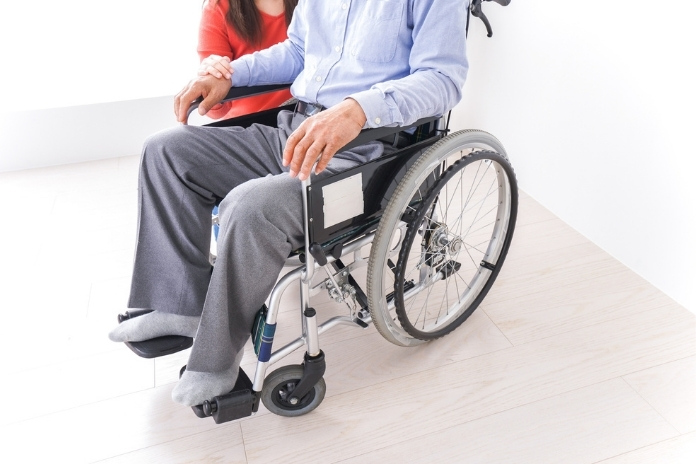
Mobility is more than just moving from one place to another — it’s about living freely, comfortably, and with confidence. Although wheelchairs are necessary for facilitating mobility, many wheelchair users find that the accessories they use greatly enhance their comfort, security, and independence.
Whether utilizing a power or manual wheelchair, useful accessories improve mobility, ease daily chores, and lessen tiredness. Accessories directly promote posture, pressure reduction, and general wellness; they are not only for convenience.
This article explores the various kinds of mobility aids for wheelchair users, their integration into daily life, and provides practical tips to help you select the right one.
Read More: Loaded Mobility: The Secret to Unlocking Strength & Flexibility
1. Transfer Boards and Lifts
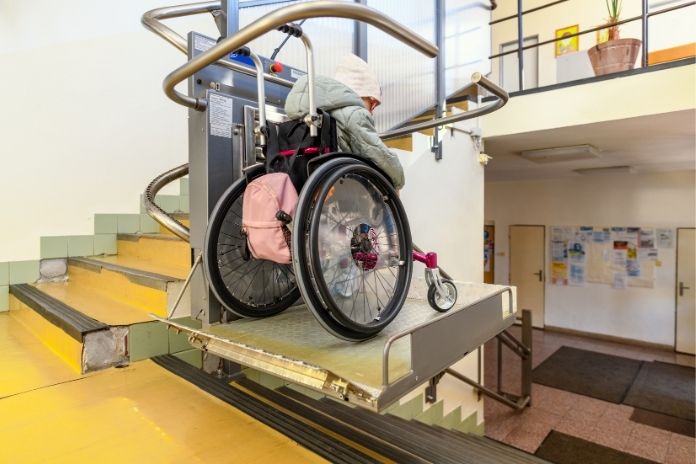
A transfer board is helpful for wheelchair users who wish to negotiate areas. The transfer board enables users to glide smoothly from one surface to another. The board is made of wood, plastic, or a composite material and comes in various sizes and shapes. When transferring between two surfaces, you place the transfer board securely between them to create a smooth bridge for movement.
On the other hand, designers created mechanical lifts and transfer belts for individuals with limited mobility or those who need more assistance. The hydraulic or electric system of the mechanical lift gently raises and transfers the individual to ensure comfort and reduce the risk of falls or injuries.
In addition to being mobility aids, these devices also support independence, self-esteem, and reduce physical stress.
2. Wheelchair Cushions and Pressure-Relief Supports
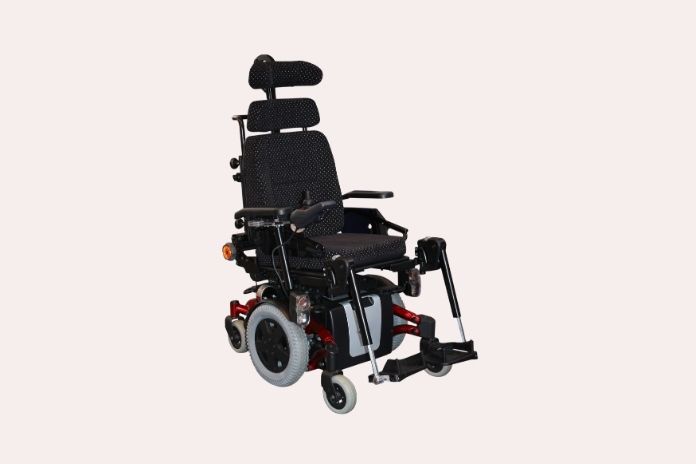
Prolonged use of a wheelchair can lead to muscle and skin irritation and strain, especially in the hips and lower back, ultimately resulting in pressure sores that may cause inconvenience, discomfort, or pain.
A wheelchair seat cushion serves as the user’s foundation and is a crucial component of the entire chair. Wheelchair cushions come in a variety of designs, including foam, gel, hybrid materials, honeycomb, and even more sophisticated materials.
A good wheelchair cushion alleviates pressure on pressure points, promotes good posture, and protects the skin from irritation.
If you are a heavy user of the wheelchair, consider changing your cushions or having a specially made one that meets your body’s requirements, as a slight modification might have a beneficial effect.
3. Wheelchair Ramps and Threshold Aids

To facilitate access for wheelchair users between different heights or surfaces, wheelchair threshold ramps are necessary for accessibility. Manufacturers specifically design threshold ramps to eliminate height barriers like door thresholds, steps, and raised landings.
A handicap threshold ramp is usually made of heavyweight materials such as aluminum or rubber, giving them strength, durability, and stability of design. There are various types of wheelchair ramps designed for thresholds, including portable ramps, modular ramps, and permanent ramps, each suited to different situations according to their specific needs.
Wheelchair accessible doorway ramps feature various designs that provide traction, prevent accidents, and withstand heavy use, including raised edges, non-slip surfaces, and robust structures. Through their purposeful and easy use, wheelchair threshold ramps enable mobility-challenged individuals to move freely and assuredly through their surroundings, thereby promoting independence, access, and inclusion in society.
4. Grab Bars and Reach Extenders

Seating in wheelchairs can be made safer and more independent for users by utilizing simple yet efficient facilities like reach extenders and grab bars.
Grab rails or bars are provided for use in unsafe places such as the bathroom, stairway, or corridor to offer stability and support for grip or movement. They are securely attached to the walls and made of durable materials, such as steel, which enables them to carry a substantial load.
The reach extenders, of course, are portable devices that enable users to reach objects out of reach due to distance or height, without requiring excessive arm or shoulder movement. They are an excellent aid in safety when carrying out daily tasks, such as picking up objects from the floor or shelves.
Read More: 7 Products to Make Life with MS a Little Easier
5. Adaptive Utensils and Household Tools

People with limited hand function or dexterity can perform daily activities more easily with adapted utensils and home items.
An adapted cooking utensil is a kitchen implement that can be modified to improve accessibility for users with restricted mobility to cook or eat. They may be helpful for meal preparation. There is a wide variety of aids and advice available.
Thanks to innovative kitchen utensils and devices specially adapted to make cooking safe and easy for everyone, anyone can cook with confidence! Modifying cooking equipment is essential to make it accessible for people in wheelchairs in the kitchen, promoting independence.
6. Wheelchair Gloves and Hand Accessories

Anyone who spends a substantial amount of time operating a wheelchair will need wheelchair gloves and accessories. Wheelchair gloves are a necessity for any wheelchair user. Imagine that you have to walk barefoot every day; the blisters on your feet, the callouses, the agony in your legs, or other general inconveniences in rough weather conditions would be awful! Gloves have the same effect on your hands as shoes do on your feet.
Wheelchair gloves are a necessity if you use a manual wheelchair. Whether you play sports or push yourself around in a mall, you can find various types of gloves on the market nowadays; the choice is yours, just like with any other kind of apparel. The basic materials employed in the manufacture of the gloves are leather, suede, neoprene, and lycra socks.
7. Portable Wheelchair Bags and Holders
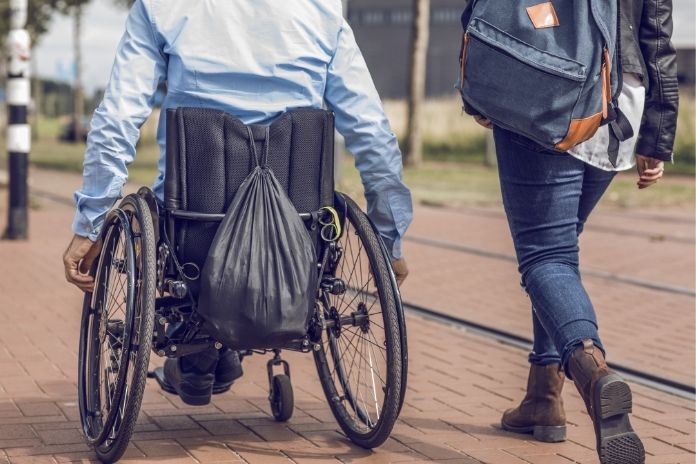
Portable wheelchair bags and carriers are convenient accessories that offer safe storage space for personal items and help with day-to-day living.
There is a large assortment of wheelchair bags available in many sizes, which work to meet your needs, including small, easy-to-handle backpack-type bags. Wheelchair bags are washable and especially convenient for carrying in your wheelchair.
Wheelchair bags, side pouches, or under-seat storage safely hold essentials like phones, water bottles, and medical supplies, keeping them easily accessible.
The use of various trained wheelchair bags offers several advantages and conveniences. They provide the person with more opportunities to be in their home and the world around them independently, carrying their belongings with convenience.
Read More: The 5 Mobility Moves You Should Do Before You Sit at Your Desk
8. Smart Mobility Gadgets and Tech Add-ons
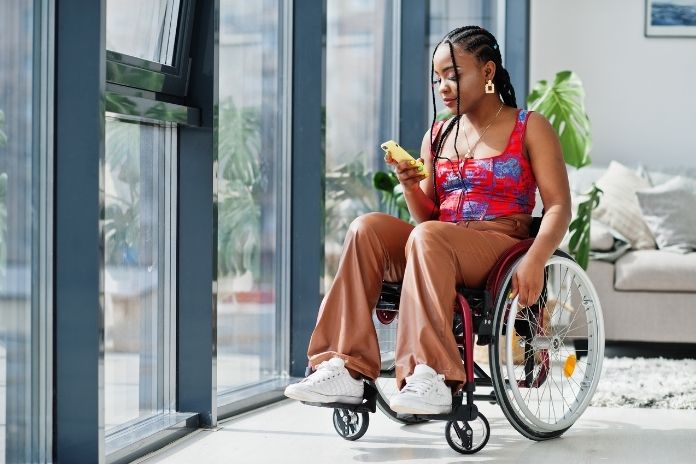
In today’s world, wheelchair users can get around more freely with the help of contemporary technical innovation for travelling. Those who employ mobility equipment, such as smart technologies and digital additions to their lives, are able to travel from place to place more effectively and energetically, creating a safer range of action with regard to all their activities.
Typical examples include electric assistance wheels and joystick attachments, which reduce the effort required to maneuver manual wheelchairs, making such ideas feasible for extended expeditions or navigating rugged terrain. Along with added safety in knowing where family members or caretakers are in real time, GPS trackers provide the ability to use cell phone attachments to go hands-free when communicating.
These types of technology provide convenience, as well as safety, independence, and efficiency.
9. Home Modification Aids
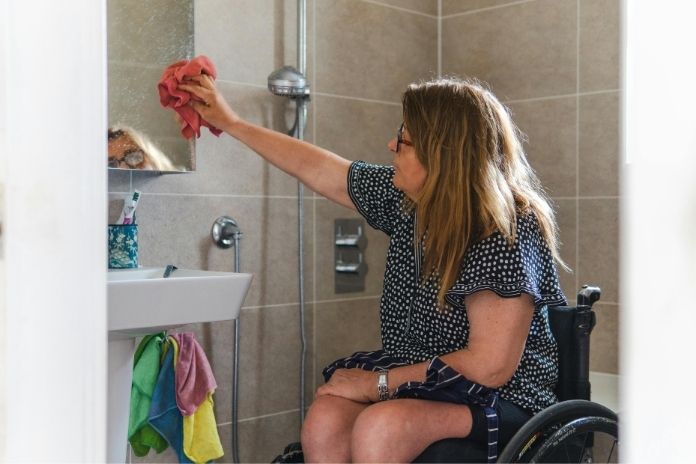
Wheelchair users’ home modification services create environments that are more accessible and enjoyable for all who use them. These modifications eliminate barriers, allowing all to move freely, work effectively, and enjoy a better quality of life in their own homes.
Typical examples include roll-under sinks that provide wheelchair room underneath for easy use, tables with height adjustment that can be raised or lowered for easy accessibility, and automatic door openers that eliminate the strain of pushing or pulling heavy doors.
You can modify your home with wider entrances, lowered work surfaces, or remote-controlled blinds and lighting to meet individual mobility requirements.
10. Fitness and Rehabilitation Tools
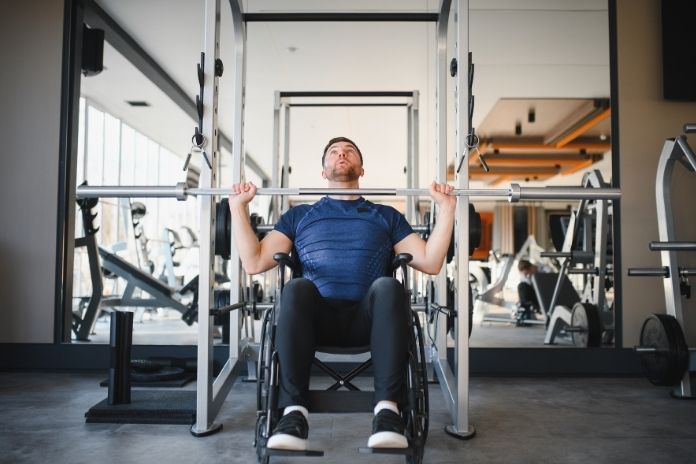
Fitness and rehabilitation equipment is vital to ensuring that wheelchair users maintain their strength, activity, and wellbeing. You can adapt a variety of wheelchair exercise equipment to suit individual wheelchair users.
One very popular type of fitness equipment is the seated resistance band. These allow the user to strengthen their arm, shoulder, and core without having to leave their chair. Other types of equipment, such as the mini-exercise pedals, allow for gentle arm or leg exercises, which will produce circulation and allow the joints to maintain movement.
This type of object can be used in therapy-type facilities, in the home, or even in conjunction with short periods of inactivity throughout the day.
Increased energy, better heart health, and increased muscular tone are the key advantages of using these aids. They also promote healing following surgeries or injuries and help avoid stiffness.
Read More: 5-Minute Daily Mobility Routine for Arthritis You Can Do at Home
Conclusion
Mobility aids are life enhancers that provide access to convenience, independence, and confidence. More than aids to daily living, these devices enable people to regain independence, whether through simple transfers from bed to chair, maintaining correct posture, or having the essentials readily available.
Modern designs favor ease, dignity, and individuality of function. The right combination of aids can facilitate greater activity, less stress, and more control of one’s environment.
References
- https://hmedicalinc.com/2025/01/15/top-mobility-aids-for-people-with-disabilities
- https://shop.disabilityhorizons.com/transfer-boards-what-they-are-how-they-help-and-how-to-use-them
- https://livingspinal.com/wheelchair-seat-cushions
- https://livingspinal.com/threshold-wheelchair-ramps
- https://www.grabbars.com/articles/which-grab-bars-are-needed-for-handicap-accessible-showers
- https://livingspinal.com/daily-living/walking-and-reaching-assists/reachers-grabbers
- https://www.nchpad.org/resources/adapted-kitchen-tools-utensils-and-accessibility
- https://livingspinal.com/wheelchair-push-gloves
- https://sportaid.com/all-you-need-to-know-about-wheelchair-gloves
- https://livingspinal.com/wheelchair-bags-backpacks
- https://www.navyfederal.org/makingcents/home-ownership/home-modifications-for-disabled-accessibility.html
- https://www.nhs.uk/live-well/exercise/wheelchair-users-fitness-advice
- https://livingspinal.com/active-mobility/wheelchair-exercise-equipment
- https://www.beneficialdesigns.com/wp-content/uploads/2022/04/Discover-Accessible-Fitness_2014-06-25.pdf
In this Article