












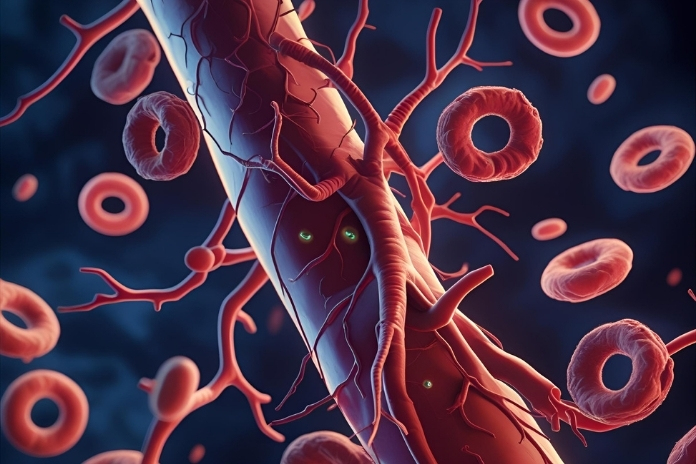
Your circulatory system is the lifeline of your body. Each heartbeat forces oxygen-rich blood through a complex network of arteries, veins, and capillaries. This continuous flow energizes your organs, sustains your tissues, and aids in waste elimination. If circulation decreases or gets clogged, the results might not be scary initially. This is why many people overlook the early warning signs.
But neglecting these initial subtle indications may permit minor issues to exacerbate into serious conditions like peripheral artery disease (PAD), deep vein thrombosis (DVT), or even a heart attack and stroke. Reduced circulation is not merely an issue of “cold hands and feet.” It impacts energy, memory, skin integrity, and even healing.
Being aware of subtle circulation issues in the hands and feet, as well as throughout the body, is your first line of defense. Let’s consider the signs, conditions, and treatment in depth.
Read More: The Lymphatic System Detox – Simple Daily Habits for Better Circulation
Early Hidden Signs of Poor Circulation
Circulation problems usually begin with the extremities since these are the body parts that are farthest from the heart. Be aware of:
- Cold hands and feet (even during hot weather). Cold when those around you are comfortable tends to mean blood isn’t circulating well to your outer parts. It is often caused by narrowed arteries, nerve damage, or diabetic changes. Repeated coldness can’t be dismissed as “poor tolerance.”
- Numbness, tingling, or pins-and-needles feeling is another sign. A common complaint of inadequate circulation, this symptom occurs when oxygen delivery to nerves is reduced. Chronic tingling over time can be a sign of underlying nerve damage (neuropathy)due to diabetes or PAD.
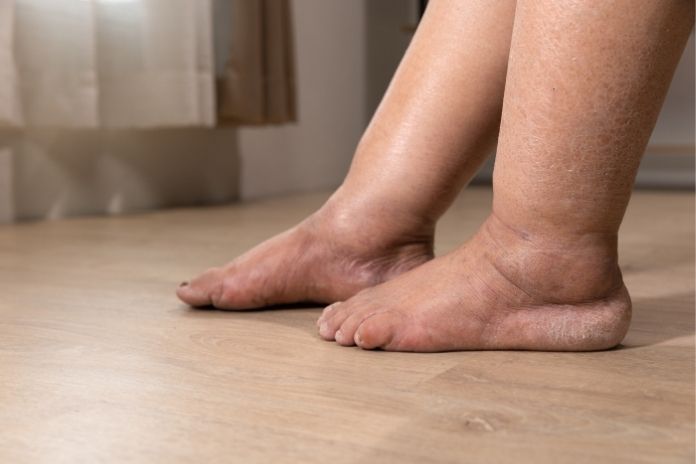
- Swelling in the ankles, feet, or hands is another problem. It is called edema, and it happens when blood doesn’t flow back to the heart effectively. Fluid seeps into tissues around the affected area, creating puffiness and pain. These could be caused by chronic venous insufficiency, varicose veins, or heart disease.
- Slow-healing wounds or frequent infections. Immune cells and healing nutrients are transported by blood. Inadequate circulation causes even small cuts to take longer to heal and become infected. This is very dangerous in diabetics, where compromised circulation in the feet tends to predate ulcers and amputations.
Takeaway: If your feet are consistently cold, swollen, or resistant to healing, it might be more than an annoyance—it might be the first indicator of serious circulation problems.
Read More: The Benefits of Dry Brushing: Does It Actually Improve Circulation & Lymphatic Health?
Be Aware of Skin and Nail Changes

As surprising as it may sound to some, skin says a lot about your health. It is also a reflection of your circulatory health. Be aware of:
- Pale or Blue Skin Color:
Broken blood flow can rob tissues of oxygen, leading to cyanosis. This tends to be most apparent on lips, fingers, and toes.
- Shiny, Thin, or Tight Skin:
In PAD, low blood flow leaves the skin weak and susceptible to damage. Legs might look particularly shiny or tight.
- Brittle Nails or Slower Nail Growth:
With a lack of regular supply of nutrients, the nails thin out, become brittle, or form ridges. Nail beds can appear pale rather than pink.
- Hair Loss on Legs, Toes, or Feet:
Thinning hair on the lower extremities is a neglected sign of arterial disease. It occurs when hair follicles are no longer supplied with adequate oxygen and nutrients.
Takeaway: Changes such as brittle nails or smoother skin aren’t only cosmetic—they could be warning signs of leg circulation issues.
Leg and Muscle Symptoms Associated with Impaired Blood Flow
The legs have to work against gravity, so circulation issues tend to show up first here.
- Leg Cramps During Walking (Claudication):
Cramping or pain in the calves, thighs, or hips after brief walking but changing for the better when resting is the defining characteristic of PAD. It indicates arteries are too constricted to deliver sufficient oxygen during activity.
- Varicose Veins and Spider Veins:
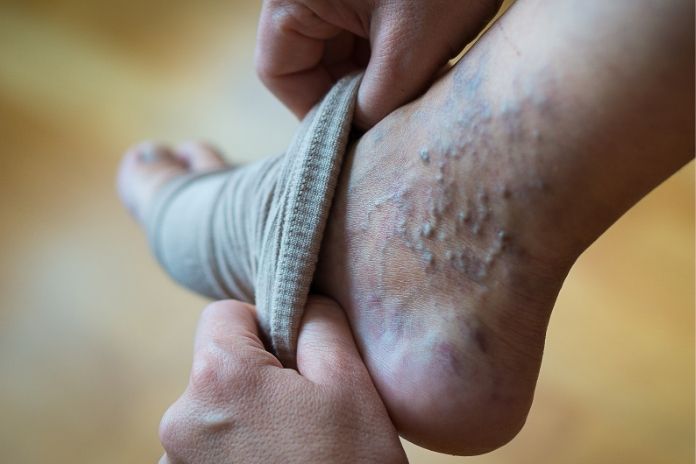
These crinkled, distended veins are the result of compromised valves that allow blood to accumulate. They are not necessarily harmful but can be painful, itchy, or uncomfortable. Recurring instances can lead to venous ulcers.
- Continuous Heaviness in the Legs:
Heavy, aching, or tired legs that occur after standing or sitting indicate venous insufficiency. Poor return circulation from veins causes blood to stay behind rather than circulating.
- Restless Legs at Nighttime:
While often associated with neurological issues, restless or uncomfortable legs may be linked to sluggish circulation. The need to move legs for relief can be a subtle indicator of vascular strain.
Takeaway: If your daily walks leave your legs aching long before your stamina gives out, circulation may be to blame.
Whole-Body Warning Signs of Poor Circulation

Beyond the legs and feet, here are a few circulation issues that affect the entire body:
- Frequent Dizziness or Lightheadedness:
Decreased blood supply to the brain results in sudden dizziness, faintness, or “head rushes.” Occasionally associated with orthostatic hypotension, it may also be indicative of vascular blockages.
- Fatigue and Low Energy:
Oxygen is your body’s fuel. Inefficient supply makes you feel tired even after rest. Most individuals confuse circulation-related fatigue with stress or inadequate sleep.
- Poor Memory and Concentration:
When brain cells don’t get enough oxygen, thinking capacity gets worse. Tasks take more effort, and attention wanders more easily.
- Male Erectile Dysfunction:
Since erections are dependent on heavy blood flow, bad circulation is a top cause of ED. Vascular disease is more common in men over 50, typically before a heart disease diagnosis.
Key Takeaway: Circulation issues aren’t just leg problems. The brain function, energy, and sex are also affected.
Read More: 20 Natural Ways to Boost and Improve Blood Circulation
Medical Conditions Linked With Circulation Problems
Some medical conditions either create or complicate circulation problems:
- Peripheral Artery Disease (PAD):
Blocked arteries due to plaque limit blood flow, particularly to the legs. Signs include cramping, numbness, ulcers, and, in extreme cases, tissue loss.
- Diabetes-Associated Blood Flow Issues:
High blood sugar causes damage to small vessels, compromising circulation and nerve function. This dynamic raises risks of infections, ulcers, and amputations.
- Hypertension and High Cholesterol:
Both cause atherosclerosis, hardening and narrowing of arteries. Unchecked, they speed up circulation deterioration and cardiovascular incidents.
- Blood Clots or Deep Vein Thrombosis (DVT):
Clots can slow or block blood flow in deep veins, typically in the legs. Symptoms are swelling, pain, redness, and heat. If a clot goes to the lungs (pulmonary embolism), it is fatal.
Takeaway: Disorders such as diabetes, hypertension, and PAD not only impinge on circulation but also double the risks of heart disease and stroke.
When to Visit a Doctor

Circulation issues can start as minor problems, but medical intervention is necessary if you experience:
- Swelling, numbness, or chronic pain in extremities
- Skin sores or ulcers that don’t heal
- Leg pain that is excruciating on walking or even at rest
- Family history of circulation, heart disease, or diabetes
A specialist in blood vessels can do a test like ankle-brachial index (ABI), Doppler ultrasound, or angiography to determine blood flow. Early detection is often easier to treat.
Improve Circulation Naturally
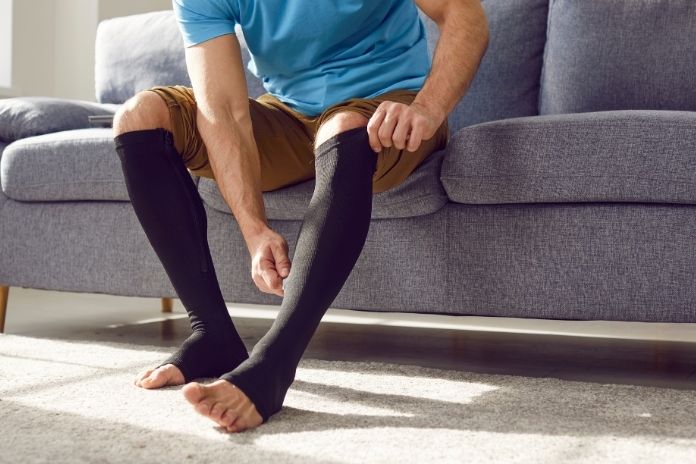
Lifestyle is a strong medicine in restoring health in circulation. If you wish to take the natural route to improve circulation, here are a few easy ways:
- Exercise Regularly:
Fast walking, cycling, or swimming increases blood flow, makes the vessels stronger, and fights pain in claudication. Even 30 minutes a day can make a difference.
- Stay Hydrated:
Blood is roughly 50 percent water. Dehydration makes it thicker, making circulation slow. Try to get at least 8 glasses of water a day.
- Circulation-Friendly Diet:
Consuming circulation-friendly foods, including
- Beets are rich in nitrates and promote oxygen delivery.
- Garlic aids vessel flexibility.
- Omega-3 fish as it helps lower inflammation and clot risk.
- Citrus fruits and berries are rich in antioxidants and protect vessels.
- Limit Alcohol and Stop Smoking:
Smoking damages the walls of arteries and speeds up PAD progression. Alcohol, in excess, increases blood pressure and damages vessels.
- Leg Elevation and Compression Stockings:
Lifting legs after sitting or standing for a long time assists in the return of venous blood. Compression stockings enhance valve functioning in veins.
Takeaway: Small changes each day make a big difference in circulation. Exercise, water intake, and dietary choices accumulate over time.
Medical Therapies for Circulation Issues
When lifestyle changes are insufficient, physicians might prescribe:
- Drugs
- Statins to decrease cholesterol
- Medications for blood pressure to guard against vessels
- Antiplatelet drugs, such as aspirin, to inhibit clots
- Blood thinners, in patients at risk, and anticoagulants prevent clotting danger in the legs and lungs.
Surgical Procedures:
Angioplasty, stent implantation, or bypass surgery might be required to reopen blocked arteries.
Long-term Management:
Management of diabetes, high blood pressure, and weight under long-term medical care is critical to maintaining steady circulation.
Takeaway: Medical treatment is very individualized. A vascular evaluation leads to the best and safest plan.
Conclusion
Insufficient circulation usually starts unnoticed but may develop into serious complications if left untreated. Signs such as coldness in the extremities, numbness, swelling, brittle fingernails, or persistent tiredness are your body’s mechanism for communicating distress.
The good news is that through early intervention, either through natural methods such as exercise and diet or medical assistance, most circulation problems can be dealt with successfully. By being aware of the warning signs of poor circulation, you can safeguard not only your legs and hands but your heart, brain, and well-being, too.
Your circulation is your body’s main function. Keep it moving, and it will keep you fit!
References
- https://www.ncbi.nlm.nih.gov/books/NBK442009/
- https://www.cvmus.com/blog/top-tips-elevate-legs-and-mistakes-avoid
- https://www.hopkinsmedicine.org/health/treatment-tests-and-therapies/ankle-brachial-index-test
- https://www.cvmus.com/vascular-treatment/poor-circulation-treatment-and-causes
- https://www.ncbi.nlm.nih.gov/books/NBK442009/
In this Article