










Worldwide, anemia—a condition marked by insufficient red blood cells or hemoglobin—poses a significant risk to the health of expectant mothers. Its high prevalence among pregnant women substantially affects both maternal and fetal health. If left untreated, this condition can lead to weakness, fatigue, and complications during pregnancy and childbirth.
Maintaining optimal iron levels during pregnancy is essential to safeguard the health of both mother and baby. Adequate iron intake supports the increased blood volume required for fetal growth and helps prevent complications such as low birth weight and preterm delivery.
This article explores the importance of addressing anemia during pregnancy and the critical role of iron supplementation for expectant mothers.
Understanding Anemia in Pregnancy

Anemia during pregnancy results from a deficiency in red blood cells or hemoglobin, the essential components responsible for transporting oxygen throughout the body. Common causes include inadequate dietary intake of iron, folic acid, or vitamin B12, as well as conditions such as iron-deficiency anemia and hemolytic anemia.
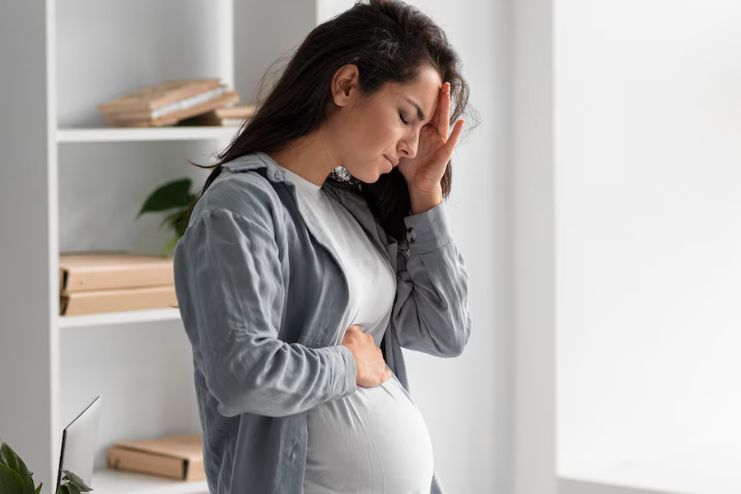
Pregnant women with anemia may experience symptoms including fatigue, weakness, shortness of breath, pale skin, and dizziness, all of which can significantly impact daily life and overall well-being.
Anemia during pregnancy poses risks not only to the mother but also to the developing fetus. Insufficient oxygen delivery to the placenta can result in fetal growth restriction, premature birth, or low birth weight, all of which increase the likelihood of neonatal complications.
During pregnancy, women need to consume more iron to support the expansion of their blood volume and ensure adequate oxygen supply to the growing fetus. The body’s iron requirements increase significantly during pregnancy, making it essential to address this nutritional need to protect the health and well-being of both mother and child.
Also, Read: Iron-Rich Leafy Green Salad: Combat Anemia Deliciously
Challenges of Iron Supplementation During Pregnancy
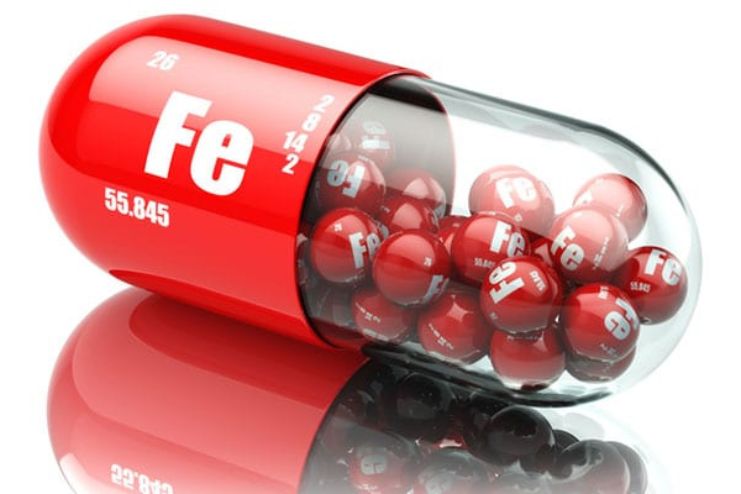
Many expecting women find it challenging to meet the increased iron requirements of pregnancy through diet alone. Factors such as poor nutritional habits, food aversions, or gastrointestinal issues common during pregnancy can hinder dietary iron absorption, even when women make efforts to consume iron-rich foods like red meat, poultry, fish, beans, and leafy greens.
Vegetarian or vegan diets may not provide sufficient heme iron, the form of iron that the body absorbs most easily. Non-heme iron from plant sources has lower bioavailability than heme iron from animal products.
Several factors contribute to the development of iron deficiency anemia during pregnancy. Rapid fetal growth, combined with increased maternal blood volume, elevates the body’s iron requirements. Women with a history of heavy menstrual bleeding, multiple pregnancies, or closely spaced pregnancies face higher risk.
Conditions that interfere with efficient nutrient absorption, such as hyperemesis gravidarum (severe morning sickness) or gastrointestinal disorders, can worsen iron deficiency. These challenges highlight the importance of iron supplementation to bridge the gap between dietary iron intake and the increased iron requirements of pregnancy.
Importance of Prenatal Vitamins
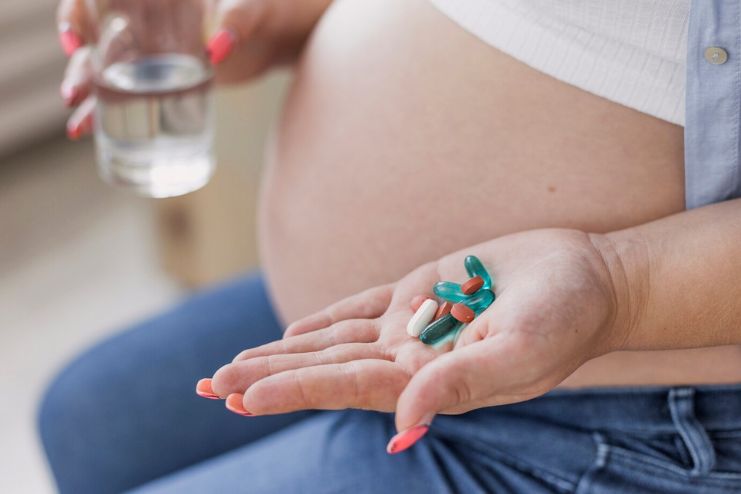
Prenatal vitamins serve as a practical and essential resource for expectant mothers, providing a comprehensive combination of nutrients crucial for both maternal and fetal health during pregnancy. Healthcare professionals specifically formulate these dietary supplements to meet the increased nutritional demands of pregnancy, offering essential vitamins and minerals that may be difficult to obtain through diet alone.
Iron stands out as a cornerstone mineral among the many nutrients in prenatal vitamins. It is essential for preventing anemia and supporting overall health. Prenatal vitamins help reduce the risk of iron deficiency anemia, a common concern during pregnancy, by ensuring adequate iron intake to meet the increased requirements associated with expanded maternal blood volume and fetal development.
Prenatal vitamins typically include folic acid, calcium, vitamin D, and other essential vitamins and minerals necessary for fetal development and maternal health. By providing a convenient and reliable supplementation method, prenatal vitamins play a pivotal role in promoting optimal health for both mother and child throughout the pregnancy journey.
Also, Read: Did You Know That Diet Plays A Key Role In Anemia?
Recommended Prenatal Vitamins for Iron Support

1. Prenatal Multivitamin with Iron
Iron-rich prenatal multivitamins are specially formulated to meet the unique nutritional requirements of pregnancy. These supplements provide a carefully balanced blend of essential vitamins and minerals, ensuring pregnant mothers receive adequate nutrition for both themselves and their developing babies.
These formulations typically contain calcium, vitamin D, and folic acid in addition to iron. Folic acid is crucial for preventing neural tube defects, calcium supports bone development for both mother and baby, and vitamin D aids calcium absorption and immune function.
Prenatal multivitamins support overall health throughout pregnancy and beyond, assisting with postpartum recovery and breastfeeding. By offering a comprehensive range of nutrients, these supplements help bridge potential dietary gaps caused by food aversions, restrictions, or other factors that may impact nutrient intake during pregnancy.
There are several reliable brands of prenatal multivitamins accessible on online retailers like Amazon. The Rainbow Light Prenatal One has a gentle formula and easy digestibility, Nature Made Prenatal Multi + DHA‘s added benefit of omega-3 fatty acid for fetal brain development, and New Chapter Perfect Prenatal‘s organic ingredients and probiotic support for digestive health are among the suggested options.
The usual recommendation for dosage is one tablet daily to provide steady nutrient support for the duration of pregnancy.
2. Iron-Focused Prenatal Supplements
Iron-focused prenatal supplements provide targeted support for expectant mothers with higher iron requirements, particularly those at risk of developing iron deficiency anemia. These specialized formulas contain enhanced amounts of iron specifically designed to meet pregnancy-related iron needs.
Popular products in this category, such as Garden of Life Iron Complex and MegaFood Blood Builder,have received positive customer reviews for their ability to raise iron levels without causing stomach discomfort. These supplements use carefully selected iron sources and complementary minerals to maximize absorption while minimizing side effects.
By choosing iron-focused prenatal supplements, expectant mothers can ensure they receive the targeted support necessary to maintain healthy iron levels during pregnancy, promoting both fetal development and maternal health.
3. Chewable Iron Tablets
Chewable iron tablets offer a practical and easily accessible solution for expecting mothers with difficulty swallowing medicines. These appealing, easily digestible supplements provide an enjoyable way to increase iron consumption during pregnancy. They are flavored to please.
Because of their chewable nature, which removes the difficulty of ingesting conventional tablets, they are a desirable alternative for women with sensitivities or dislikes to oral medication.
This demand is met by several respectable brands, readily available on websites like Amazon. Iron supplementation can be achieved effectively without sacrificing flavor or convenience of usage with products like Ferretts Iron Chewable Tablets and Vitron-C Chewable Iron.
Expectant moms can maintain optimal iron levels throughout pregnancy by incorporating these chewable iron pills into their daily routine, ensuring they meet their nutritional needs without added stress or discomfort.
4. Liquid Iron Supplements
Liquid iron supplements provide a tailored solution for pregnant mothers who experience gastrointestinal sensitivity during pregnancy. These supplements are specially formulated to be gentle on the stomach and offer smooth absorption, providing a convenient liquid alternative for those who have trouble swallowing traditional iron pills or experience gastrointestinal distress with solid supplements.
Pregnancy-safe formulations such as Solgar Gentle Iron Liquid and Floradix Iron + Herbs are readily available through online retailers. These options are thoughtfully designed to minimize the possibility of gastrointestinal irritation while providing effective iron supplementation.
By choosing liquid iron supplements, pregnant women can ensure they receive essential iron intake to support maternal and fetal health without aggravating gastrointestinal sensitivities, promoting a more comfortable pregnancy experience.
5. Plant-Based Prenatal Vitamins
Plant-based prenatal vitamins cater to the dietary needs of women following vegetarian or vegan diets, providing iron derived exclusively from plant sources. While plant-derived iron may have lower bioavailability than animal-sourced iron, manufacturers carefully formulate these supplements to enhance absorption by including complementary nutrients.
Plant-based prenatal vitamins can improve the body’s iron utilization by incorporating synergistic vitamins and minerals such as vitamin C, vitamin B12, and folate. These nutrients work together to enhance iron absorption and support overall maternal and fetal health.
Options such as Deva Vegan Prenatal Multivitamin and the Garden of Life Organics Prenatal Multivitamin provide comprehensive nutrient support to ensure appropriate intake of essential vitamins and minerals for both mother and baby.
By choosing plant-based prenatal vitamins, women can safely maintain their dietary preferences while prioritizing the health and well-being of both themselves and their babies throughout pregnancy and beyond.
6. Time-Release Iron Capsules
Time-release iron capsules represent an advanced approach to iron supplementation, particularly beneficial for pregnant women. These capsules are designed to slowly release iron over an extended period, enabling sustained absorption while reducing the likelihood of gastrointestinal side effects typically associated with conventional iron supplements.
By providing iron steadily throughout the day, these supplements offer a gentler and more comfortable way to increase iron levels, which is especially important during pregnancy when stomach sensitivities may be heightened.
Several brands offer time-release iron capsules formulated specifically for pregnant women, including Feosol Complete with Carbonyl Iron and Slow Fe. These capsules are meticulously designed to provide optimal iron support without causing digestive discomfort, offering pregnant mothers a reliable option for maintaining healthy iron levels throughout pregnancy.
Also, Read: Natural Remedies for Anemia: Symptoms, Causes, and Foods to Boost Your Health
Tips for Expectant Mothers

Expectant moms can ensure a smooth and healthy experience for themselves and their newborns by acquiring the appropriate knowledge and guidance. The pregnancy journey comes with unique challenges, but with the proper education and support, pregnant women can navigate the path.
To assist pregnant women in making well-informed decisions regarding iron support and prenatal care (R), the following pieces of advice are provided:
Choosing the Right Prenatal Vitamin for Iron Support
Selecting an appropriate prenatal vitamin containing adequate iron is essential for maintaining optimal health throughout pregnancy. When choosing a prenatal vitamin, look for formulations specifically labeled for iron support to ensure sufficient amounts of this crucial mineral, along with other essential nutrients such as folic acid, calcium, and vitamin D. Consult your healthcare provider to identify the most appropriate option based on your specific needs and dietary preferences.
Timing and Dosage Guidelines
Following specified dosage guidelines and establishing a routine for taking prenatal vitamins is crucial for maximizing their benefits. Take your prenatal vitamins at the same time each day to maintain consistency and ensure optimal absorption. Pay attention to proper iron amounts, as excessive intake can result in side effects such as nausea and constipation. If you experience any adverse reactions, consult your healthcare professional for guidance on dosage adjustments or alternative options.
Regular Prenatal Care and Iron Monitoring
Regular prenatal care is vital for monitoring both maternal and fetal health throughout pregnancy, including iron level assessment. Healthcare providers conduct routine checkups and tests to evaluate iron levels and overall health status. Maintain open communication with your healthcare team about any concerns or symptoms you may experience, as early detection and management can help prevent complications related to iron deficiency anemia.
By staying engaged in prenatal care and consistently monitoring iron levels during pregnancy, you can take proactive steps to ensure a safe pregnancy and delivery for both you and your baby.
Also, Read: Managing Pregnancy Discomfort: Tips for Easing Common Aches and Pains
Conclusion
Caring for yourself during pregnancy means caring for your unborn child as well. This article has focused on the importance of iron supplementation during pregnancy to prevent anemia and promote both maternal and fetal health. Maintaining healthy iron levels helps prevent iron deficiency anemia and ensures proper oxygenation for fetal development.
Pregnant women should prioritize iron-rich prenatal vitamins to maintain their nutrition and health. Despite the abundance of available information and resources, pregnant mothers must seek prenatal care and supplementation guidance from healthcare professionals who can provide personalized advice and support.
Embracing pregnancy with the necessary knowledge and support helps nurture both mother and baby toward optimal health. Through healthy iron levels, appropriate prenatal vitamins, and individualized care, expectant mothers can confidently navigate this life-changing experience.
References
- https://www.webmd.com/baby/anemia-in-pregnancy
- https://my.clevelandclinic.org/health/diseases/23112-anemia-during-pregnancy
- https://www.cedars-sinai.org/health-library/diseases-and-conditions/a/anemia-in-pregnancy.html
- https://www.ncbi.nlm.nih.gov/books/NBK235217/
- https://www.sciencedirect.com/science/article/pii/S000291652306687X
- https://www.betterhealth.vic.gov.au/health/healthyliving/pregnancy-and-diet
- https://www.mayoclinic.org/healthy-lifestyle/pregnancy-week-by-week/in-depth/anemia-during-pregnancy/art-20114455
- https://www.mayoclinic.org/healthy-lifestyle/pregnancy-week-by-week/in-depth/prenatal-vitamins/art-20046945
- https://embrywomenshealth.com/how-to-choose-prenatal-vitamins-during-pregnancy/
- https://www.gao.gov/assets/d24106689.pdf
- https://www.mayoclinic.org/healthy-lifestyle/pregnancy-week-by-week/in-depth/prenatal-vitamins/art-20046945
- https://www.consumerreports.org/health/supplements/how-to-choose-a-prenatal-vitamin-a1197384921/
In this Article