














Want to manage your diabetes more effectively? Lace up your sneakers—exercise might be one of your most powerful tools.
Regular exercise can be a crucial factor in maintaining stable blood glucose levels, improving insulin sensitivity, and promoting weight loss. However, for diabetics, exercising isn’t merely about working up a sweat—it’s about doing it responsibly and intelligently. That is where the right fitness gear steps in.
According to Dr. Alasdair Scott, a microbiome specialist and a gut doctor at Selph, “strength training is very important because muscles are the biggest sink for glucose.” He added. “When you eat food, it creates glucose that enters your bloodstream. Strength training and exercise help direct that glucose into your muscles, helping in controlling the blood sugar levels.”
From supportive footwear and hydration aids to blood sugar monitors and breathable clothing, the right gear can reduce risks and make your workouts more comfortable and effective. In this article, we’ll cover the must-have fitness tools designed to help people with diabetes stay active, protect their health, and build a routine that truly works for them.
Here are the must-have diabetes friendly fitness gears for safe and effective workouts:
1. Glucose Monitoring Devices
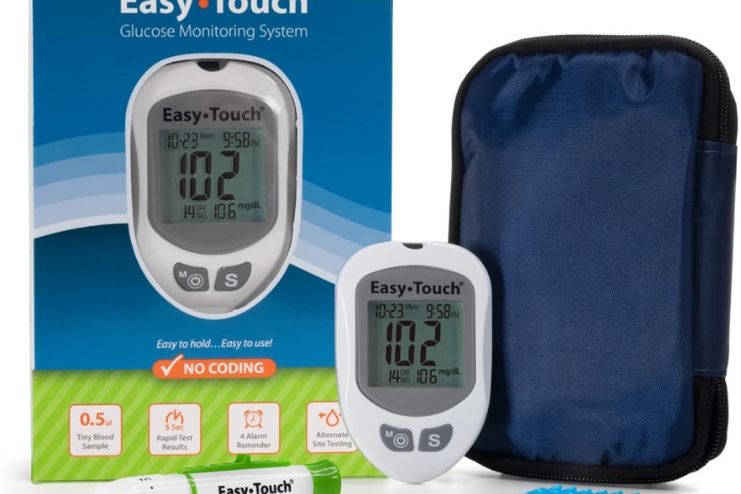
For people with diabetes, controlling blood sugar during a workout isn’t a choice—it’s a necessity. Physical activity impacts glucose levels in real-time, and without proper monitoring, drops or spikes often go unnoticed until they become an issue. That’s where trustworthy glucose monitoring devices come in.
Products such as the EasyTouch Glucose Monitoring System provide instant readings, enabling you to track changes as they occur. These devices aren’t only precise—they’re designed for convenience while in motion, providing instant feedback about how your body reacts to exercise.
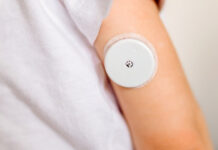
Some individuals also use Continuous Glucose Monitors (CGMs), which provide round-the-clock monitoring. These monitors can alert you to potential highs or lows before symptoms appear, enabling you to act quickly and stay safe during exercise.
When selecting a glucose monitor for exercise, look for essential features such as high accuracy, ruggedness, a secure fit, and sweat resistance. Ensure it integrates into your workout routine without interrupting it. And most importantly, ask your healthcare provider—they can assist you in selecting a device that meets your activity level and personal needs, allowing for a smooth (and safer) workout experience.
Read More: How Stress Impacts Insulin Resistance and Diabetes Management
2. Comfortable Footwear
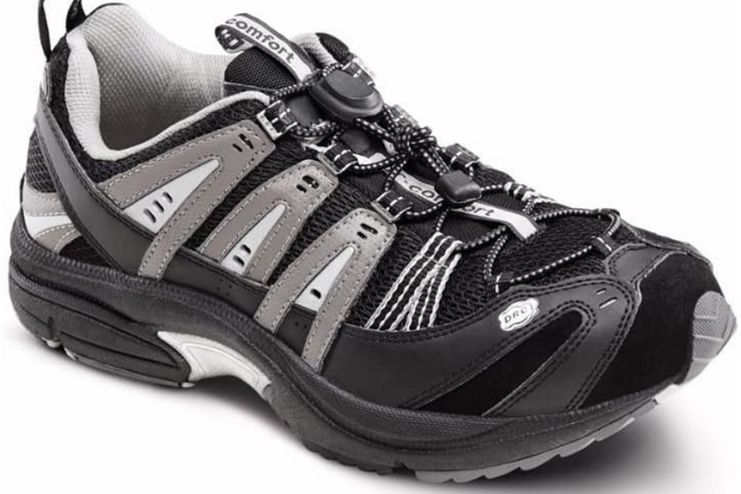
When you have diabetes, keeping your feet safe while exercising is more than a matter of comfort—it’s a health concern. Proper footwear can help prevent complications such as blisters, ulcers, and chronic injuries that often go unnoticed due to diminished foot sensation.
Shoes designed specifically for diabetics offer the support, stability, and protection needed to keep your feet safe during physical activity. Take the Dr. Comfort Men’s Performance Black Grey Diabetic Athletic Shoes, for example. These lightweight cross-trainers are built with arch support, cushioned soles, spacious toe boxes, and seamless interiors—all features that help reduce pressure points and friction during movement.
When selecting diabetic shoes, consider your foot type, level of activity, and any pre-existing foot conditions. Opt for shoes with adjustable closures, a breathable material, and sturdy arch support to accommodate your specific needs.
And don’t guess your fit—see a podiatrist or a shoe expert, and they can make a huge difference. The right-fitting, functional shoes aren’t just more comfortable for your workout, but they drastically lower the chances of foot issues later on.
3. Moisture-Wicking Clothing
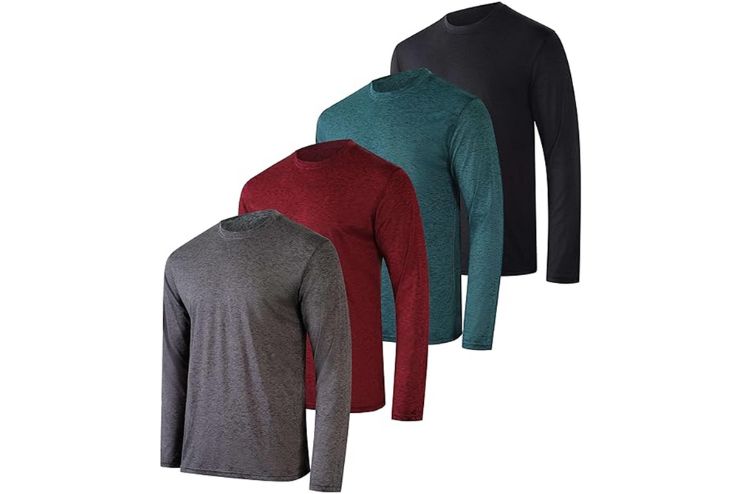
When you’re working out with diabetes, staying dry isn’t just about comfort—it’s also about preventing skin issues. Excess moisture from sweat can lead to irritation, chafing, and even fungal infections. That’s why moisture-wicking clothing can be a game-changer.
These performance-friendly fabrics draw sweat away from your skin, keeping your body cool and dry during exercise. A great choice for men is the Real Essentials 4-Pack, which includes dry-fit UV moisture-wicking tops made from breathable polyester blends and spandex for optimal airflow and movement.
When selecting activewear, prioritize comfort, stretch, and moisture control. Opt for light materials that are quick-drying, along with intelligent design features such as flatlock seams, tagless tags, and elastic fabrics that cut friction and enhance ease of movement.
The correct gear will not only keep you comfortable—it will enable you to concentrate, play better, and stay energized. With the right sportswear, people with diabetes can move around more easily while reducing the risk of skin complications.
Read More: Diabetes-Friendly Quinoa and Vegetable Stir-Fry: A Low-GI Delight
4. Hydration Gear
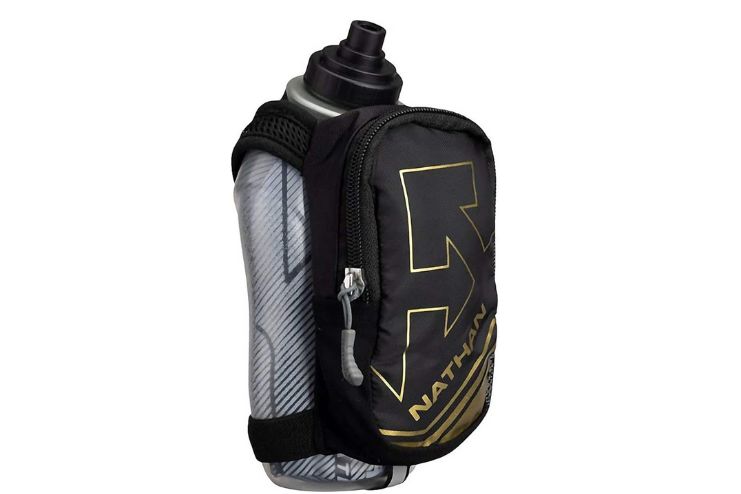
Hydration isn’t only a fitness tip—it’s a necessity, particularly for people living with diabetes. Dehydration affects blood sugar and lowers physical performance, so it’s crucial to stay hydrated regularly before, during, and after exercise. That’s where hydration gear comes in to make the task simpler and more efficient.
One standout choice is the Nathan Hydration Gear: SpeedDraw Plus Insulated Flask. Designed for active users, this 18-ounce double-insulated flask keeps liquids cold at all times. It includes a race cap for quick drinks, an adjustable hand strap for a secure grip, and a reflective finish for enhanced visibility. And, its expandable zippered pocket can fit your must-haves—keys, ID, phone, or energy gel—so you can go light and concentrate.
While selecting the right hydration gear, consider what works best for your routine. If it’s a handheld flask, belt, or hydration pack, the point is accessibility and comfort. Choose equipment that suits your fitness style so hydration becomes a habit. This is essential as proper hydration equates to better performance.
5. Heart Rate Monitors
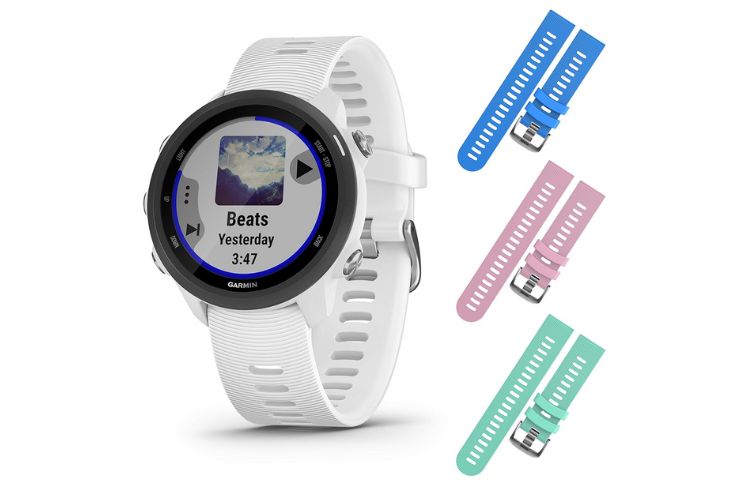
It’s not always easy to measure how hard you’re working when you exercise, particularly if you have diabetes, where intensity can have a direct impact on blood sugar levels. That’s why heart rate monitors are so useful. They provide instant feedback to keep you within a safe and effective training zone.
Garmin Forerunner 245 GPS Running Smartwatch is a sample that’s beyond simple heart rate monitoring. It assesses your current training state to let you know if you’re overdoing it or not, as well as provides advanced performance insights and app compatibility for an integrated fitness snapshot.
For individuals with diabetes, tracking heart rate can help determine the appropriate exercise intensity. Maintaining this rate within your target heart rate zone can prevent both hypoglycemia and hyperglycemia during and after exercise.
When selecting a heart rate monitor, consider features such as continuous tracking, precise data, compatibility with fitness apps, and an intuitive interface. A well-designed monitor not only optimizes performance but also provides an added layer of safety and control for your workout routine, so you can exercise with confidence and peace of mind.
Read More: How Your Diet Impacts Diabetes
6. Resistance Bands and Light Weights
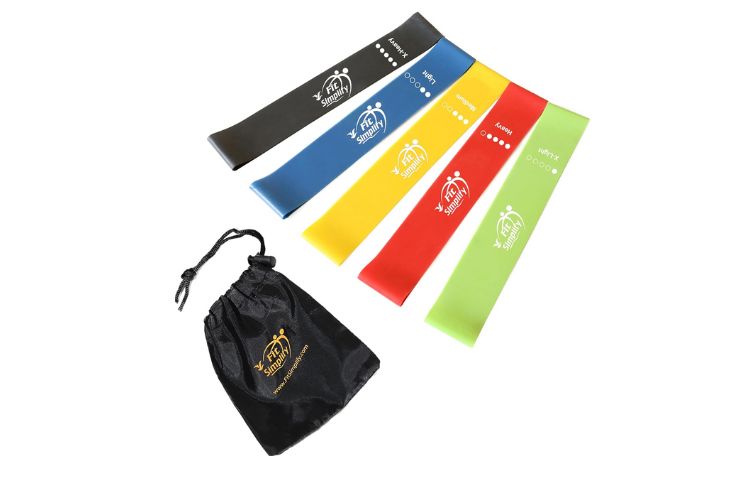
Strength training is not only for bodybuilders—it’s a potent weapon against diabetes. Resistance exercises enhance insulin sensitivity, improve glucose regulation, and strengthen and stabilize muscles. And you don’t have to be stuck in a gym with rows of heavy machinery.
Small and versatile devices such as the Fit Simplify Resistance Loop Exercise Bands are best for people with diabetes. These bands have variable resistance levels that are suitable for both beginners and pros. They provide a broad range of motion and controlled strength training that’s easy on the joints and easy to adjust as you advance.
To exercise safely, start with less resistance and focus on mastering proper form. As your strength builds, gradually increase the intensity. Alternate between exercises that target various muscle groups—legs, arms, and core—to develop overall strength and enhance balance and mobility.
Adding resistance bands or small hand weights to your exercise routine not only builds muscle, it makes your body stronger at fighting diabetes, rep by rep.
7. Cooling Towels or Cooling Vests
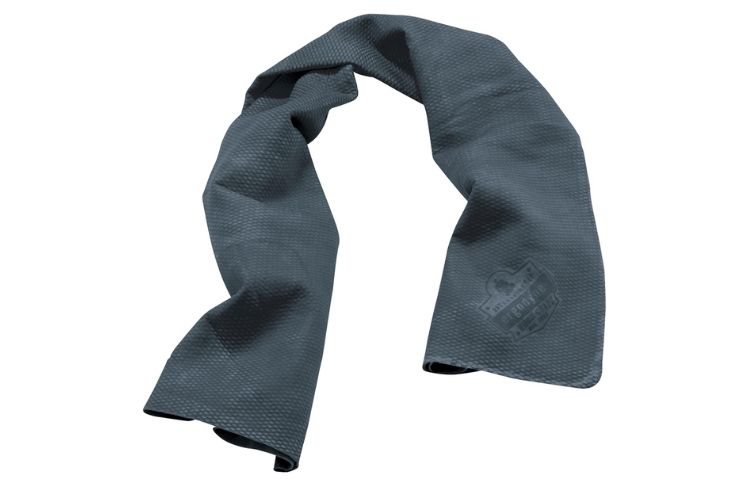
Remaining cool while exercising isn’t merely a matter of comfort—it’s an important aspect of safety, particularly for individuals with diabetes. This is because changes in body temperature can affect blood sugar levels, leading to fatigue or other issues. That’s where cooling equipment comes in to provide relief and protection.
Ergodyne Chill-Its 6602 Cooling Towel is made to regulate body temperature using high-performance moisture-wicking and evaporative cooling technology. Simply soak, wring, and snap—it instantly activates to cool the skin and keep you feeling refreshed throughout your workout.
When selecting cooling towels or vests, look at your workout setting, the intensity of the activity, and how the equipment will fit into your routine. Go for light, breathable materials with adjustable elements to provide a secure, customized fit.
With the simple addition of cooling solutions to your training arsenal, you’ll better regulate your body temperature, decrease the risk of overheating, and ensure every workout is safer and more enjoyable.
Read More: How Aging Affects Diabetes Risk: What You Need to Know
8. Yoga Mats or Cushions:
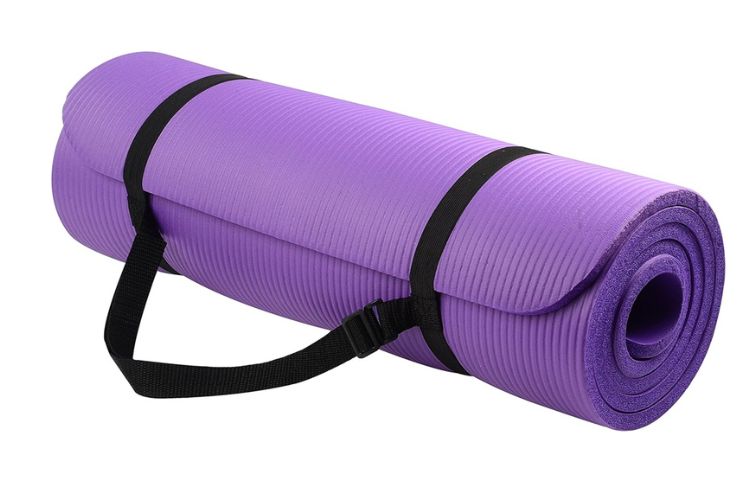
Yoga is more than just a good stretch—it’s also a gentle yet effective method to aid in blood sugar management, lower stress levels, and increase flexibility, all of which are crucial for individuals living with diabetes. However, to make the most out of your yoga practice, having a high-quality yoga mat is crucial.
The BalanceFrom GoYoga All-Purpose Yoga Mat is a dependable choice designed to balance comfort and safety. Its cushioned surface will protect your joints when you are in seated and standing positions, and its textured, non-slip surface keeps you stable and prevents slips or strain.
When choosing a yoga mat or cushion, consider attributes such as thickness (for joint protection), material (PVC or TPE for durability and ease of cleaning), and traction (to maintain stability during changes in position). The proper mat provides a strong foundation, allowing you to transition with confidence and concentrate on your breath, rather than balance.
With adaptive equipment available, individuals with diabetes can experience the full benefits of yoga, with each session a step towards improved physical and mental health.
Conclusion

Diabetic-friendly exercise equipment is key to ensuring that people with diabetes can exercise safely, effectively, and with confidence. From heart rate monitors and resistance bands to moisture-wicking clothing and temperature-regulating gear, these tools help manage everything from blood sugar levels to workout intensity.
By incorporating the right fitness equipment into your routine, you can not only enhance your exercise sessions but also improve your overall health and well-being.
Prioritizing the right equipment gives diabetics more control over blood glucose levels, enhances physical fitness, and ultimately allows them to live a longer, healthier life. The time is now—invest in diabetes-friendly exercise equipment and commit to a healthier, more active life today. Your future self will thank you!
Get fit today—gear up and take charge of your health!
In this Article