



















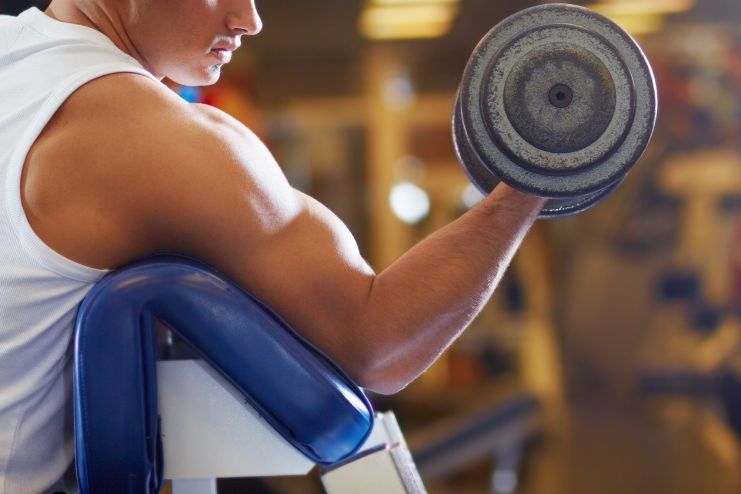
Testosterone is not just a “male hormone”—it’s crucial to overall health, affecting everything from muscle mass and fat distribution to libido, energy, and mood. Naturally, the bodybuilding community has long been obsessed with the notion that weightlifting can naturally increase testosterone levels. But is it science-based?
There is increasing evidence linking strength training and testosterone, both in short-term increases and potentially long-term changes. This article explores the impact on hormone levels after a workout, the most beneficial exercises, and how to optimize testosterone through resistance training and lifestyle modifications.
Read More: New Study Shows Impacts Of Environment On Levels Of Testosterone In Men
Why Testosterone Matters
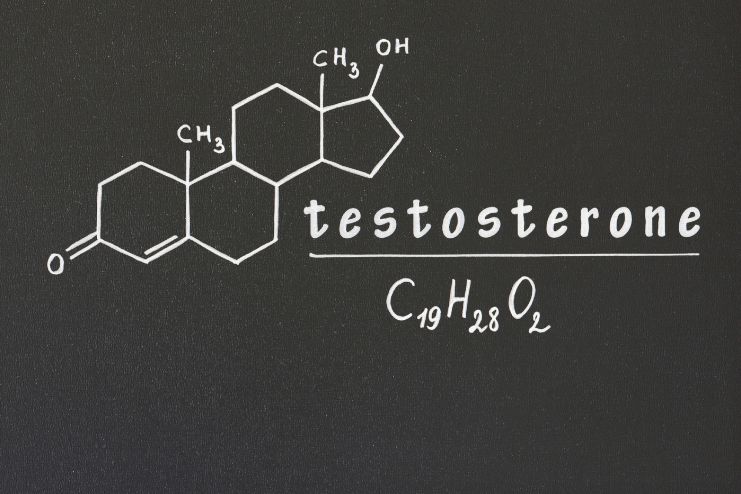
Here’s why testosterone matters for overall health:
- Helps in muscle protein synthesis and lean muscle building
- Affects fat metabolism and minimizes visceral fat
- Controls libido, mood, motivation, and mental functioning
- Influences bone strength, density, and estrength.
Although testosterone is widely spoken of in men’s health, it is also essential for women (in lesser quantities) to enjoy energy, metabolic balance, and stability of mood.
Myth vs. Fact: What Lifting Does to Your Hormones
Let’s bust some myths related to lifting and testosterone levels:
- Myth: One intense workout session will significantly increase your testosterone levels permanently.
Fact:Resistance training creates a short-term surge and eventual gains through dedicated effort. - Myth: Cardio and weightlifting influence testosterone equally.
Fact:Weightlifting—particularly compound exercises—evokes a more significant hormonal reaction than aerobic training. - Myth: Women who practice weight lifting will become “too muscular” from testosterone release.Fact:Women have much lower levels of testosterone than men, so they are unlikely to get overly bulky from strength training. Instead, they typically develop muscle tone and definition.
Read More: Why You Sweat More Than Others While Working Out
What Is Testosterone and Why Is It Important?
Role of Testosterone in the Body
Here’s how testosterone functions in the bodies of both men and women:
In Men:
- Regulates muscle strength, bone density, sperm count, and sexual function
- Affects mood, intellectual function, and heart health
- Testosterone levels below normal are correlated with loss of energy, depression, decreased libido, and muscle atrophy.
In Women:
- Synthesized in the ovaries and adrenal glands
- Maintains energy, mood balance, and libido
- Maintains a balance of estrogen and contributes to lean muscle mass
Natural Factors That Influence Testosterone
Several physiological and lifestyle factors impact testosterone production:
- Age:Testosterone decreases ~1% per year past the age of 30–35 in males
- Sleep:Low sleep reduces testosterone, particularly REM deprivation
- Stress:Chronic stress raises cortisol, which blocks testosterone
- Body Composition: Excessive body fatis typically linked with lower testosterone levels
- Lifestyle Habits:Excessive alcohol use, diet, and sedentary lifestyle depress levels
How Lifting Weights Affects Testosterone Levels

The Acute Response (Short-Term Spike)
The most direct impact of strength training on testosterone is the increase after exercise. As per a study, resistance training—particularly with large muscle groups—can cause a 15% to 25% increase in testosterone, 15 to 30 minutes after exercise.
Factors influencing this testosterone spike:
- Intensity of workout (moderate to high loads of 70–85% of 1RM)
- Volume (3–5 sets per exercise, 6–10 reps)
- Short rest periods (30–90 seconds)
- Selection of exercises (compound vs isolation)
This post-exercise testosterone surge is temporary—levels are back at baseline after 60 minutes. Yet this acute elevation is thought to increase androgen receptor upregulation, and thus muscle growth over the long term.
Long-Term Adaptations
Although the acute spike is transient, regular lifting can help hormonal control over the long term. Research has shown that men who are trained according to structured resistance protocols for 8–12 weeks can have their resting testosterone increased, particularly if they had low initial levels or were previously inactive.
Significant benefits for men with low T:
- For older adults, it stabilizes hormone levels.
- Even if testosterone doesn’t increase dramatically, body composition is better—more lean mass, less fat.
- Compared to aerobic training, strength training tends to be more effective at stimulating anabolic hormone responses.
Which Types of Exercise Increase Testosterone the Most?
Compound Movements vs Isolation
When testosterone and muscle growth are concerned, not all lifts are created equal. Compound lifts such as squats, deadlifts, and bench presses elicit the greatest hormonal response due to the fact that they work on multiple large muscle groups at once.
Why are compound exercises important:
- Activate more total muscle fiber recruitment.
- Require more central nervous system (CNS) work.
- Causes more severe metabolic stress, which increases hormone release.
On the other hand, isolation exercises (such as bicep curls, calf raises) are effective in shaping muscles but do not have an effect on testosterone levels.
High-Intensity Strength Training
High-intensity strength training programs prove to be most effective. This includes:
- Lifting weights that are moderate-to-heavy (70–85% of your 1RM)
- Completing 6–10 reps per set, over 3–5 sets
- Taking limited rest periods of 30–90 seconds
- Performing supersets or HIIT with weights
One study indicated that short-rest total-body resistance training led to higher release of testosterone and growth hormone compared to conventional split training with longer rests.
Other Factors That Influence Testosterone With Lifting

Age and Baseline Hormone Status
Younger men (<35 years old) experience more testosterone responses to strength training compared to older men. Nonetheless, studies also reveal that older adults significantly benefit from resistance training in the following ways:
- Preserving lean body mass
- Keeping functional strength
- Suppressing natural testosterone loss
Moreover, men with baseline low testosterone typically show the most significant jumps in both testosterone and energy after a few weeks of persistent training.
Overtraining and Cortisol
More isn’t always more. Overtraining with insufficient rest can have a boomerang effect by increasing cortisol, the body’s stress hormone. Chronically elevated levels of cortisol depress testosterone production and can compromise recovery, sleep, and performance.
Overtraining symptoms:
- Chronic fatigue and disturbed sleep
- Mood swings and irritability
- Reduced workout performance
- Increased resting heart rate
- Balance is key: Work hard but recover harder.
Read More: Estrogen Dominance in Men: The Hidden Hormonal Imbalance No One Talks About
Women, Weightlifting, and Testosterone: Do You Need to Worry?
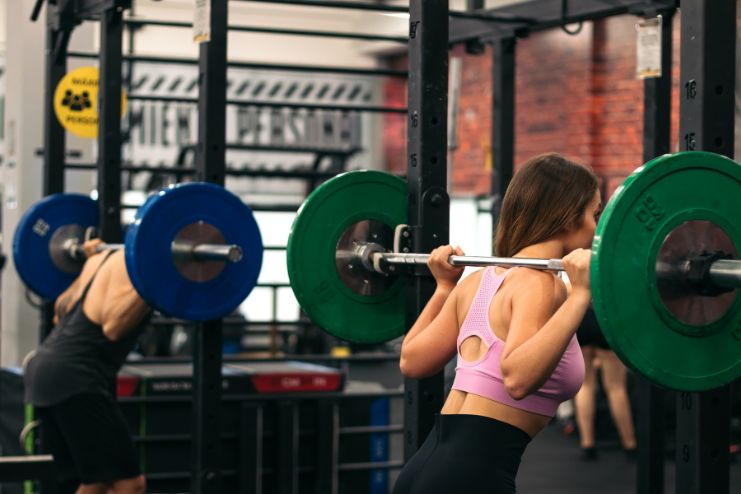
A common myth that many women believe is that weightlifting will make them “bulk up” due to increased testosterone. In fact:
- Women only produce around 10% of the testosterone found in men.
- Resistance training does not lead to masculinization.
- Weightlifting enhances muscle tone, fat loss, metabolic function, and bone density.
Women also see small changes in testosterone after training, which are beneficial for energy, mood, and lean muscle growth, but not to the point of changing femininity.
Strength training also benefits estrogen and progesterone regulation, and thus is good for hormonal stability, particularly in perimenopause or postpartum stages.
Tips to Maximize Hormone Benefits from Strength Training

Want to get the most out of your workouts for hormone health? Here’s what works:
Lift Heavy With Progressive Overload: Try to challenge your muscles every time with progressive resistance. Update reps, sets, or weight every 2–3 weeks.
Prioritize Compound Movements: Make sure squats, deadlifts, overhead presses, and rows are in your weekly workout schedule.
Utilize Supersets or Short Rest Periods: Limit rest between sets to 30–90 seconds to stimulate hormonal production.
Consume a Testosterone-Friendly Diet:
Focus on having a testosterone-friendly diet that includes:
- Protein (chicken, fish, eggs, beans)
- Healthy fats (olive oil, nuts, seeds)
- Zinc-containing foods (pumpkin seeds, red meat)
- Anti-inflammatory vegetables (spinach, broccoli, kale)
Avoid Refined Sugar and Alcohol: Too much alcohol decreases testosterone and raises estrogen in men. Sugar raises insulin and upsets hormone balance.
Get Quality Sleep (7–9 hours/night): Deep sleep—particularly REM—is crucial for the production of hormones and the recovery of muscles.
Take Rest Days Seriously: Use 1–2 rest days weekly. Resting allows testosterone to recover and keeps cortisol at bay.
FAQs
- How long does testosterone remain elevated following lifting?
Usually, testosterone surges within 15–30 minutes after exercise and falls back to baseline after an hour. The cellular effects (such as receptor sensitivity) may be longer-lasting and lead to muscle growth over time.
- Is weightlifting superior to cardio for testosterone?
Yes. Resistance training produces a more hormonal response than steady-state cardio. Aerobic training, particularly of high volume, will decrease testosterone if excessive. HIIT is a better option if you prefer cardio without hormonal disturbances.
- Can weightlifting cure low testosterone levels?
In most instances, yes. For men with mildly low testosterone, regular strength training—paired with sleep, diet, and stress management—can help restore levels naturally. Clinical hypogonadism, however, may still need to be treated by a doctor.
Conclusion – Yes, Lifting Helps—but Context Matters
In short, weightlifting does raise testosterone, both in spikes following exercise and over the long term. The catch is being consistent, intense, and lifestyle-specific. Compound exercises, diet, sleep, and rest days all synergistically work together to maximize testosterone production.
But remember: no single workout will transform your hormone profile overnight. Instead, aim for a sustainable training routine that prioritizes progressive overload, functional recovery, and long-term health. Whether you’re a man trying to reclaim energy or a woman seeking strength and tone, resistance training is one of the best natural tools to support your hormonal balance.
References
- https://pmc.ncbi.nlm.nih.gov/articles/PMC8156527/
- https://pubmed.ncbi.nlm.nih.gov/17024619/
- https://www.nia.nih.gov/news/how-can-strength-training-build-healthier-bodies-we-age
- https://pmc.ncbi.nlm.nih.gov/articles/PMC7052063/
- https://pmc.ncbi.nlm.nih.gov/articles/PMC7052063/
- https://www.nm.org/healthbeat/healthy-tips/fitness/quick-dose-can-physicial-activity-affect-testosterone
- https://pmc.ncbi.nlm.nih.gov/articles/PMC7739287/
- https://www.sciencedirect.com/science/article/pii/S0015028206000987
- https://www.endocrine.org/patient-engagement/endocrine-library/hypogonadism
- https://www.aruplab.com/news/06-04-19-/women-high-testosterone
In this Article