














Turning 40 often arrives quietly, without a dramatic shift—but in the months that follow, subtle changes begin to surface. Tasks that once felt effortless may start to demand more energy. Skin might lose some of its youthful bounce, and sleep patterns can shift, with staying awake at night more frequently. These are not abrupt transformations, but rather gentle reminders that the body is entering a new phase.
The 40s mark a period of deeper awareness—an invitation to tune into the body’s evolving needs. This decade isn’t defined by aging alone, but by transformation, self-care, and meaningful growth.
This article explores the physical and hormonal changes many women experience after 40, how these shifts impact overall health, and what can be done to navigate them with grace and confidence. From metabolism and skin health to emotional well-being and sleep quality, understanding these changes offers the tools to move forward with clarity and strength.
Embracing the 40s: Wisdom from My Mom’s Journey

As someone just starting out in life at 21, I wanted to understand what it really means to enter your 40s. So, I interviewed my mom about her experiences navigating this transformative decade. Hearing her stories gave me a fresh perspective on the changes women face after 40 — not just physically, but emotionally and mentally too.
Her journey is one of relearning old habits, accepting new realities, and embracing growth with grace. Through her reflections, I’ve gained valuable insights into how this phase can be a time of strength and self-discovery, far beyond the stereotypes we often hear.
Energy Isn’t Infinite — And That’s Okay
My mom often talks about how her energy levels shifted when she entered her 40s. What used to be effortless multitasking became noticeably more draining. Simple activities started requiring more stamina, and she found herself needing longer to recover after busy days or workouts.
Key Observations from Her Experience:
- Decreased Stamina: Tasks that once felt routine suddenly demanded much more effort.
- Longer Recovery Times: Whether after exercise or a hectic schedule, her body needed extra time to bounce back.
- Prioritizing Rest: She realized rest wasn’t a luxury anymore—it was essential to keep going.
How She Adjusted:
- Setting Boundaries: Saying no became important to protect her energy.
- Scheduling Downtime: She started building regular rest periods into her daily routine.
- Mindful Practices: Yoga, meditation, and gentle movement helped her recharge mentally and physically.
Read More: How to Build Muscle Over 40: Age-Specific Training Tips
Metabolism Slows — But Movement Helps
As my mom entered her 40s, she noticed a shift in her metabolism. Despite maintaining much of her usual diet, managing weight became more challenging. This isn’t uncommon—muscle mass naturally declines with age, which lowers the number of calories burned at rest.
What She Experienced:
- Slower Metabolism: Weight management felt tougher, even without big changes in eating habits.
- Muscle Loss: The natural decline in muscle mass made staying lean more difficult.
Her Approach to Staying Healthy:
- Strength Training: Incorporating resistance exercises helped her maintain muscle mass and feel stronger.
- Focus on Function: Instead of just burning calories, she prioritized mobility, resilience, and being able to move easily through daily life.
- Sustainable Movement: She learned that consistent, enjoyable activity matters more than restrictive or intense exercise routines.
Hormones Rule More Than Expected
In her 40s, my mom began to notice how much her hormones influenced her daily life. While perimenopause is often misunderstood or overlooked, its early signs were very real and sometimes challenging for her.
What She Felt:
- Shifting Estrogen and Progesterone: Changes in these hormones affected her sleep quality, moods, and even her skin’s texture and appearance.
- Increased Stress Sensitivity: Her body’s response to stress felt amplified, with cortisol making fatigue and anxiety harder to manage.
How She Navigated It:
- Hormone Testing: Getting tests done helped her understand what was happening beneath the surface.
- Seeking Guidance: She explored natural supplements and consulted with her gynecologist to discuss hormone replacement therapy (HRT) options.
- Gaining Control: This knowledge helped her feel more empowered and less like her moods and energy were unpredictable forces beyond her control.
Sleep Became Sacred

In her 40s, my mom noticed a big shift in her sleep patterns. What used to be effortless—falling asleep quickly and waking up refreshed—became a challenge.
What Changed:
- She began experiencing lighter, more fragile sleep and often woke up several times during the night.
- Factors like noise, room temperature, screen time, and evening stress all started to disrupt her rest.
How She Adapted:
- Establishing strict sleep hygiene became crucial: sticking to consistent bedtime routines and creating a calming environment.
- She found magnesium supplements, herbal teas, and reducing screen exposure before bed made a significant difference.
- For her, quality sleep transformed into the foundation of both her emotional well-being and physical health.
Skin Tells Its Own Story
As my mom moved through her 40s, her skin began to reflect the changes happening beneath the surface. It wasn’t sudden or dramatic, but the differences were unmistakable.
What She Noticed:
- Fine lines and dryness started to appear where her skin once felt firm and plump.
- Products she had trusted for years began to cause irritation or sensitivity.
- Her skin’s needs evolved—less about “anti-aging” and more about comfort and care.
Her Approach Changed:
- She simplified her skincare routine, focusing on hydration, sun protection, and nourishing ingredients.
- Instead of chasing flawless skin, she embraced consistency and gentleness.
- The goal became maintaining healthy, calm skin, not reversing time.
This shift taught her that beauty in your 40s isn’t about perfection, but about honoring what your body needs, inside and out.
Strength Over Size
For many women, fitness in their younger years is often tied to chasing a smaller number on the scale. But for my mom, her 40s brought a powerful shift—one that prioritized strength over size.
What Shifted:
- The goal moved from shrinking her body to supporting it.
- Strength training became a core part of her routine, helping with joint stability, bone health, and metabolic support.
- She noticed that mobility work, like stretching and functional movements, kept stiffness at bay.
Her New Fitness Philosophy:
- Fitness was no longer about punishment—it became a celebration of capability.
- Progress wasn’t measured by inches lost but by energy gained and confidence rebuilt.
- Success was redefined as feeling strong, mobile, and resilient, no matter the number on the scale.
This change wasn’t just physical—it was emotional too. She stopped chasing unrealistic ideals and started honoring the body that had carried her through decades of life.
Emotional Resilience Deepened
With age often comes emotional wisdom, and for my mom, her 40s became a turning point in how she processed and protected her inner world.
What Changed:
- She became less reactive, more centered, anchored by life experience.
- The need to please others gave way to honoring her own boundaries.
- Emotional triggers that once overwhelmed her now felt manageable.
Tools That Helped:
- Therapy offered perspective; journaling gave clarity.
- Prayer and moments of quiet helped her hear her own intuition.
- She learned to trust her emotional process, rather than fear it.
In her 40s, strength wasn’t just physical—it was emotional. Peace became the ultimate goal, and with it came a calm confidence that couldn’t be shaken easily.
Food Became Fuel — Not Control

In her 40s, my mom’s relationship with food transformed from rigid rules to intentional nourishment. Restrictive diets lost their grip, making space for a more intuitive approach to eating.
What Shifted:
- She embraced meals rich in whole foods, healthy fats, protein, and fiber.
- Anti-inflammatory choices became a foundation, not a trend.
- Cyclical eating helped align nutrition with her energy levels and hormonal shifts.
What She Learned:
- She stopped labeling cravings as failures and started honoring hunger cues.
- Food became a tool for healing, not control.
- Guilt was replaced with grace, and nourishment became an act of self-respect.
This shift made eating feel like care, not calculation. Meals became moments to fuel, restore, and reconnect with her body.
Read More: 5 Essential Nutrients for Women’s Bone Health After 40
Health Screenings Are Non-Negotiable
One of the most powerful realizations my mom had in her 40s was the importance of preventive care. If she could pass on one message, it would be this: stay ahead, not behind, when it comes to health.
What Shifted:
- Annual check-ups and screenings—like mammograms, cholesterol panels, thyroid tests, and blood sugar—became non-negotiable.
- She didn’t wait for symptoms to appear before taking action.
What She Learned:
- She became her health advocate—asking questions, getting second opinions, and tracking her numbers.
- Routine labs helped catch imbalances early, often before they developed into larger concerns.
- Being proactive gave her a sense of control and clarity.
Preventive care wasn’t a chore—it became a commitment to herself, her longevity, and her well-being.
She Stopped Fighting Her Body — And Started Listening
Perhaps the most transformative shift in my mom’s 40s was her relationship with her body. Instead of resisting or overriding signals, she began tuning in with empathy and patience.
What Changed:
- Fatigue was no longer something to fight through; it became a cue to pause and restore.
- Hunger wasn’t something to suppress but to honor. She began trusting her body’s signals.
- Emotional waves were felt, processed, and understood—instead of being ignored or rationalized.
What She Learned:
- Her body wasn’t failing her; it was constantly communicating.
- Symptoms weren’t setbacks—they were signs.
- By responding with care instead of control, her entire experience of midlife softened.
This mindset shift turned her body from a battleground into a home—a place of trust, communication, and compassion.
Body Image at 40: A New Kind of Confidence
One of the quiet but powerful gifts that came with my mom’s 40s was a shift in how she saw her body—less critical, more compassionate.
What Changed:
- The pursuit of perfection began to lose its grip—it simply wasn’t worth the energy.
- Her self-worth became tied to lived experiences, values, and resilience, not a reflection in the mirror.
- She began to value how her body felt and functioned over how it looked.
What She Learned:
- Movement felt joyful again when it wasn’t tied to changing a number.
- Her confidence wasn’t performative—it came from knowing who she was.
- There was freedom in letting go of unrealistic ideals.
It wasn’t about giving up; it was about growing into a deeper, quieter kind of confidence—one rooted in grace and self-respect.
The New Becoming: How These Changes Shaped Her
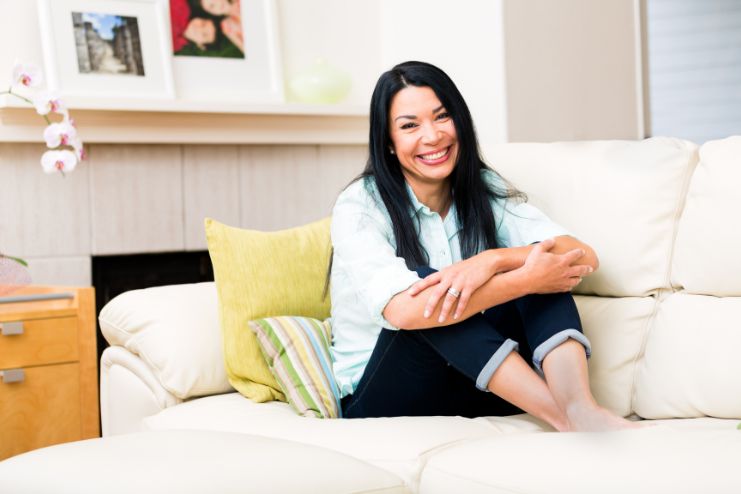
The journey through her 40s was more than just a series of physical shifts—it became a profound transformation of identity and self-understanding for my mom. Each change, whether in energy, hormones, or emotional resilience, nudged her toward a new version of herself—one that was wiser, kinder, and more aligned with her true needs.
This new becoming was not without challenges. She had to release old expectations and confront feelings of loss—loss of youthful stamina, of flawless skin, of old habits that no longer served her. But through that release came growth.
Key Transformations:
- Acceptance over resistance: Instead of fighting aging, she embraced it as a natural evolution. This shift brought peace and reduced internal conflict.
- Prioritizing self-care as non-negotiable: Caring for her body and mind was no longer optional or selfish—it was essential. This meant boundaries around work, social commitments, and even family demands.
- Embracing vulnerability as strength: She allowed herself to express emotions openly, recognizing that true courage is in authenticity.
Her new becoming was also reflected in how she saw her purpose and relationships. She moved away from external validation toward an internal compass that guided decisions and nurtured joy. Activities that once seemed obligatory became opportunities for genuine connection and fulfillment.
Ultimately, the 40s became a decade of rebirth—a time to step fully into her own power and wisdom.
Read More: 10 Healthy Changes To Make After 40
Frequently Asked Questions (FAQs)
- Are all women guaranteed to experience these changes after 40?
Not necessarily. While many women notice shifts in energy, metabolism, sleep, or skin, the extent and nature of these changes can vary greatly. Genetics, lifestyle, and overall health all play a role.
- How can someone differentiate between normal aging changes and something more serious?
Regular health screenings are key. Sudden or extreme symptoms should never be brushed off as “just aging.” If something feels off—whether it’s sleep disruption, persistent fatigue, or mood changes—it’s important to consult a healthcare provider.
- Is it too late to start strength training or change eating habits in your 40s?
Absolutely not. In fact, the 40s are a perfect time to realign your fitness and nutrition in ways that support long-term health. Starting small and being consistent yields powerful results.
- What’s the best way to support emotional resilience during this phase?
Tools like journaling, therapy, mindfulness, prayer, and maintaining a support system can help. Many women find that their 40s bring clarity, emotional depth, and the courage to set healthier boundaries.
- How can younger women prepare for these changes?
Start by listening to your body now. Build habits around movement, nourishment, rest, and emotional well-being early. Knowing what may come helps ease the transition when it does arrive.
Conclusion
Entering your 40s is not just a biological transition—it’s a profound journey of transformation and self-discovery. As my mom’s experience shows, physical changes are intertwined with emotional growth, teaching us to honor our bodies with compassion rather than resistance.
These shifts, while sometimes uncomfortable, are ultimately liberating. They push us to listen more deeply—to our bodies, our emotions, and our needs—and to rewrite the narrative of aging from one of loss to one of renewal. It’s not about fighting the changes but partnering with them to craft a life that feels whole and vibrant.
Above all, this journey reminds us that aging is a privilege, a story of survival, growth, and evolving beauty. This new becoming is not just about getting older—it’s about flourishing in ways we never imagined possible.
In this Article