













Ever experienced an unbearable itch that intensifies at night? It may not be dry skin—it could be scabies. This highly contagious skin infestation affects an estimated 300 million individuals worldwide annually, with 130 million cases active at any given moment.
Caused by microscopic mites that burrow into the skin, scabies spreads easily through close contact and represents a significant global health concern.
The good news? Scabies is completely curable. The key lies in early detection, proper treatment, and preventing its spread. In this article, we’ll help you understand the causes, symptoms, and treatment options for scabies.
What Is Scabies?
Scabies is a skin infection caused by tiny mites called Sarcoptes scabiei, which burrow into the upper layer of skin to lay eggs. This triggers an allergic reaction, resulting in severe itching, redness, and pimple-like bumps. The itching typically worsens at night and can spread to various parts of the body.
Scabies is highly contagious and primarily transmitted through prolonged skin-to-skin contact, making it common among families, close companions, and individuals in crowded living conditions such as nursing homes and dormitories. While less common, it can also spread indirectly through sharing clothes, bedding, and towels with an infected person.
If left untreated, scabies can persist for months and may lead to secondary skin infections from excessive scratching.
Also, Read: Home Remedies for Rash on Inner Thigh
Major Symptoms of Scabies
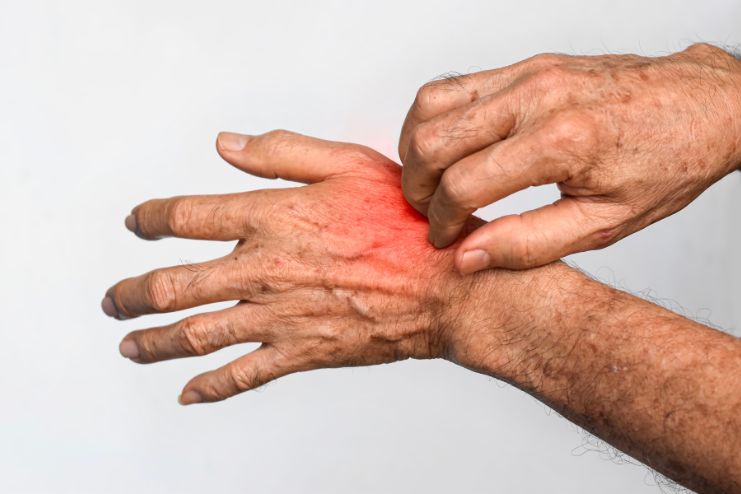
Symptoms of scabies develop when mites penetrate the skin and trigger an allergic reaction. The rash and itching typically worsen over time, making early diagnosis crucial. Here are the main symptoms to watch for:
Severe Itching
The most characteristic symptom is intense itching that worsens at night. This occurs due to the body’s immune response to the mites, their waste products, and eggs. The itching can be so severe that it leads to excessive scratching and potential secondary infections.
Pimple-like Rash
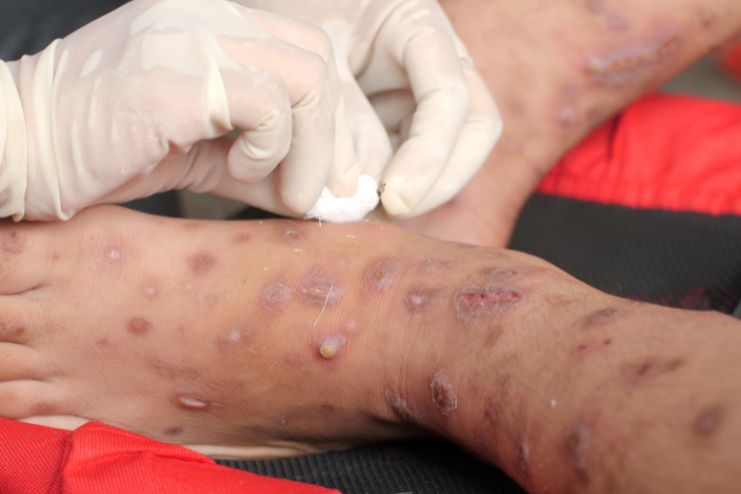
Scabies causes a rash that appears as small red bumps, blisters, or scaly patches. These bumps may resemble mosquito bites or pimples but continue spreading until treated. The rash commonly appears on fingers, wrists, elbows, knees, armpits, waistline, buttocks, breasts, and genitals. In infants and young children, it may also affect the face, scalp, palms, and soles of the feet.
Burrow Tracks
Another distinctive sign is the presence of burrow tracks—thin, irregular, slightly raised lines on the skin that are typically grayish-white or skin-colored. These tracks indicate where mites have tunneled through the skin to lay eggs. Burrows are most commonly found in warm, moist areas like skin folds, between fingers, wrists, and other creases.
Sores from Scratching
Due to intense itching, people with scabies often scratch excessively, creating open sores. These wounds can become infected with bacteria, leading to complications like impetigo (a contagious skin infection). In severe cases, deeper skin infections such as cellulitis may develop, requiring immediate medical attention. Keeping fingernails short and avoiding scratching helps prevent secondary infections.
Advanced Cases: Crusted Scabies
When scabies remains untreated for extended periods or occurs in immunocompromised individuals, a severe form called crusted scabies (Norwegian scabies) may develop. This condition creates thick, crusty skin containing thousands of mites and is extremely contagious. Paradoxically, itching may be less severe in crusted scabies, but the skin becomes very dry, rough, and scaly.
Important note: Symptoms typically appear 4-6 weeks after initial infestation, though they may develop sooner in people who have had scabies before.
How To Diagnose Scabies?
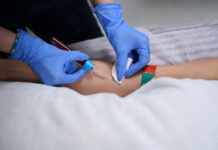
Diagnosis primarily involves physical examination and inspection of affected areas by a healthcare provider. For confirmation, doctors may extract a mite from the skin using a needle or scrape a small skin sample for microscopic examination to detect mites, eggs, or mite waste products.
Treatment For Scabies
Scabies is effectively treated with prescription medications called scabicides, which kill both mites and eggs. These treatments are available as topical applications (creams and lotions) and oral medications.
Popular Scabies Treatments
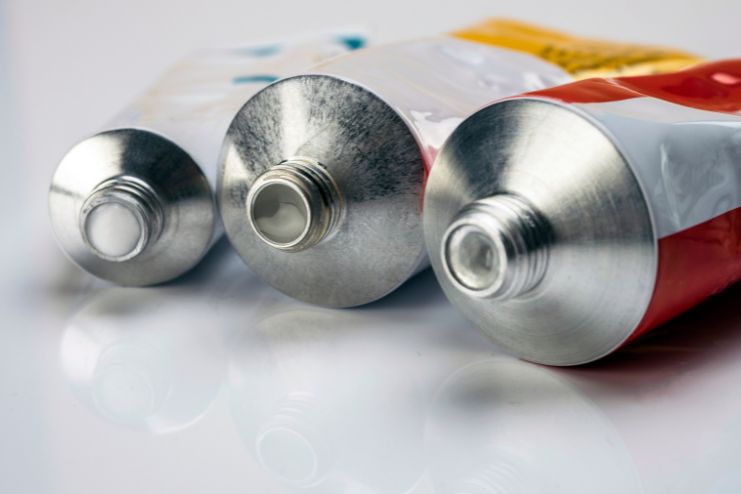
According to the American Academy of Dermatology, effective treatment options include:
- Permethrin Cream 5%: The most commonly prescribed topical treatment. Applied from the neck down over the entire body and left on for 8-14 hours before washing off.
- Ivermectin: An oral medication used when topical treatments are ineffective or impractical. Not suitable for pregnant women or very young children.
- Benzyl Benzoate Lotion (25%): A topical treatment that may be prescribed for certain cases.
- Spinosad Topical Suspension (0.9%): Approved for individuals 4 years and older.
- Sulfur Ointment (5-10%): Safe for infants under 2 months old, though it has an unpleasant odor.
- Lindane Lotion (1%): FDA-approved but used as a second-line treatment when other options fail due to potential side effects.
Application Instructions:
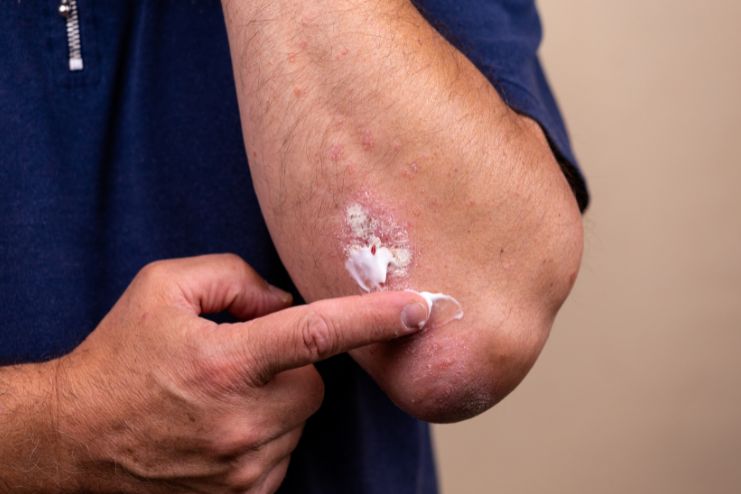
Here are a few application directions for effectively using the medicines:
- Preparation: Thoroughly wash and dry the skin before applying medication.
- Application: Apply the prescribed amount evenly over the entire body from the neck down, including under fingernails and toenails. For infants and young children, also treat the scalp and face (avoiding eyes and mouth).
- Duration: Leave medication on skin for the prescribed time (usually 8-14 hours) before washing off.
- Reapplication: Some treatments require a second application after one week to eliminate any remaining mites and eggs.
Post-Treatment Considerations:
Persistent Itching: Itching may continue for several weeks after treatment due to allergic reactions to dead mites. Over-the-counter antihistamines or calamine lotion can provide relief.
Cleaning Personal Items: Wash all clothing, bedding, and towels used within three days before treatment in hot water (at least 122°F/50°C) and dry on high heat for at least 30 minutes. Non-washable items should be sealed in plastic bags for at least 72 hours.
Treating Close Contacts: All household members and close contacts should receive simultaneous treatment, even if asymptomatic, to prevent reinfection.
Follow-up: If symptoms persist beyond four weeks after treatment, consult a dermatologist for further evaluation.
Home Remedies To Manage Scabies Symptoms

While prescription medications are necessary to eliminate scabies, some home remedies may help manage symptoms:
- Tea Tree Oil: Contains properties that may kill mites and reduce itching, though it may not eliminate deeply buried eggs. Avoid if allergic to tea tree oil.
- Aloe Vera: Known for its soothing properties on irritated skin. Some research suggests it may be as effective as conventional treatments with fewer side effects.
- Neem Oil: Possesses anti-inflammatory, antibacterial, and pain-relieving properties. Traditional use and some research suggest it may kill scabies mites, though more studies are needed.
- Clove Oil: Has antimicrobial and numbing properties. Laboratory studies indicate it may kill scabies mites.
Important: These remedies should complement, not replace, prescription treatments. Always consult a healthcare provider for proper diagnosis and treatment.
Prevention Tips To Avoid Transmission Of Scabies:
Here are a few ways you can prevent scabies to a certain extent:
- Avoid prolonged skin-to-skin contact with infected individuals.
- Don’t share personal items like towels, clothing, or bedding.
- Exercise caution in high-risk environments such as schools, nursing homes, and rehabilitation facilities.
- Practice proper hygiene and maintain clean living spaces.
- Clean thoroughly after exposure: Scabies mites can survive 48-72 hours off the human body. Clean all potentially contaminated surfaces with bleach and hot water.
Conclusion:
Scabies is more than just an itch—it’s a highly contagious infestation requiring immediate medical attention. While symptoms can be distressing, scabies is entirely curable with proper treatment. Early detection, appropriate medical care, and thorough hygiene measures are essential for preventing its spread.
If you or a family member experiences persistent itching, burrow tracks, or unusual rashes, seek medical attention promptly. Follow treatment instructions carefully and ensure all household members receive treatment to prevent reinfection.
Remember, prevention is your best defense. Avoid direct skin contact with infected individuals, maintain good personal hygiene, and wash clothing and bedding thoroughly in hot water. By staying vigilant and proactive, you can either prevent scabies or treat it effectively when it occurs.
In this Article