














Making regular choices about diet, exercise, blood sugar monitoring, and overall lifestyle are important aspects of managing diabetes. A diabetes care and education specialist might be quite helpful in this situation. You are already taking a significant step toward improving your health if you find a CDCES.
A diabetes care and education specialist (CDCES) provides individualized assistance to help you comprehend treatment regimens, control blood sugar levels, and develop self-assurance in routine self-care. To find diabetes educator services can have a significant impact, regardless of whether you have recently been diagnosed or are having trouble controlling your condition.
In this article, we explain what a CDCES does, highlight key CDCES benefits, show where to find a CDCES, and guide you in choosing the right certified diabetes educator near you for better long-term outcomes.
- A CDCES helps simplify daily diabetes management with personalized plans.
- They guide you on food, medication, and lifestyle for better blood sugar control.
- Regular sessions improve confidence, prevent complications, and support long-term health.
Read More: Stage 2 CKD With Diabetes: How to Slow Progression and Protect Kidney Function
What Is a Certified Diabetes Care and Education Specialist (CDCES)?
A health professional with extensive knowledge and expertise in diabetes prevention, prediabetes, and diabetes treatment is a Certified Diabetes Care and Education Specialist® (CDCES®), formerly known as the Certified Diabetes Educator, or CDE.
The CDCES addresses the stages of diabetes across the lifespan and provides education, support, and advocacy for anyone impacted by the disease. To achieve customized behavioral and treatment objectives that reduce risks and improve health outcomes, the CDCES encourages self-management.
Before taking the test, the candidate must have completed at least 15 hours of diabetes-related continuing education (CE). The CE task needs to be:
- Earned over the two years before submitting an exam application
- Authorized by a supplier listed on the CBDCE List of Approved Providers
To become a CDCES, a person must hold a valid license in one of the following fields:
- Nurse practitioners and registered nurses
- Pharmacist
- Doctor (MD or DO)
- Podiatrist
- Optometrist
- Occupational therapist
- A physical therapist
Apart from the aforementioned fields, those who have qualifications and/or registrations in the following fields can also become CDCES:
- Nutritionist
- Physician’s assistant
- Fitness psychologist
- Master Certified Health Education Specialist, or health educator
- A medical professional with a master’s degree in social work
Your physician diagnoses and writes the prescription. A CDCES makes daily diabetes management easier. For instance:
- Physicians modify prescription drugs
- CDCES teaches the effective usage of them
- Nutrition is the focus of dietitians
- CDCES incorporates lifestyle, medication, and diet
Who Should Consider Seeing a CDCES?
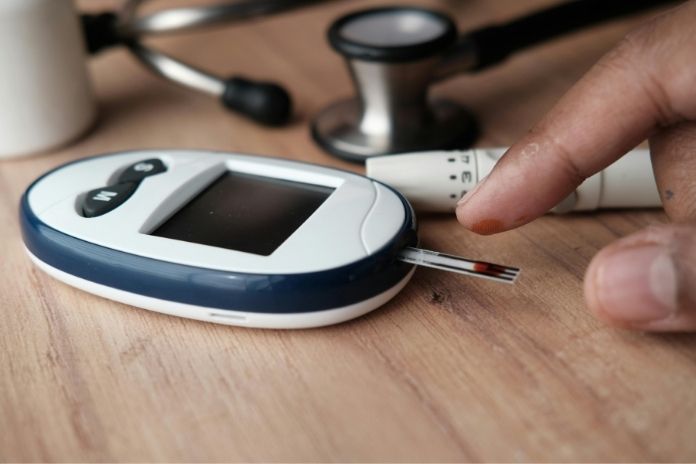
Seeking assistance from a CDCES is never a bad idea, but there are a few instances in a person’s diabetes management journey when it may be particularly beneficial.
New Diabetes Diagnosis: When you are first diagnosed with diabetes, there is a lot to learn, and there is frequently not enough time at your meeting with a healthcare provider to go over everything. For individualized, thorough instruction, now is a wonderful time to seek assistance from a certified CDCES in your region.
At Annual Check-Ins or When You’re Not Reaching Your Health Objectives: Some people want to check in with their CDCES once a year to review their care plan and discuss their objectives for the year. When diabetes care becomes difficult and you are not achieving your health goals, it is crucial to make an appointment.
Presented with a Novel Difficulty: New diabetes care problems, such as changing a prescription schedule, utilizing a new diabetic technology gadget, or just a shift in work or life that necessitates new objectives? Now is a good time to talk to the CDCES about those difficulties.
Shift in Health Care or Stage of Life: As our bodies change over the course of our lives, so do our diabetes care requirements. Diabetes treatment may present new complications due to pregnancy, illness, injury, and aging. An excellent time to discuss a plan with a CDCES is when your health or life stage changes.
Read More: Low-Carb vs. Low-Fat for Type 2 Diabetes: What 27 Clinical Trials Actually Found
Benefits of Working With a CDCES
It can seem burdensome to manage diabetes. It can be confusing and difficult to take medications, make appropriate dietary choices, get adequate exercise, and check your blood sugar every day.
It can be challenging to know where to look for continuous support and assistance. A registered nurse, registered dietitian, pharmacist, or other health professional with advanced knowledge and skill in diabetes care is known as a Certified Diabetes Care and Education Specialist (CDCES).
As a member of your diabetes care team, a CDCES can help you make healthy decisions about managing your diabetes. You can understand your blood sugar readings and identify patterns and areas for improvement with the help of a CDCES. They can help you understand how the various diabetic drugs work because they have a thorough understanding of them all.
Eating a balanced, healthful diet might be difficult for many people with diabetes. A CDCES can help you understand which foods affect your blood sugar and develop a customized meal plan tailored to your needs and preferences. A CDCES can assist you in selecting an effective exercise program if you’re trying to increase your level of physical activity.
A CDCES is an excellent resource if you’re interested in new technologies such as blood sugar meters, insulin pumps, or continuous glucose monitors. Additionally, a CDCES can help you manage your emotions and create healthy coping mechanisms if you are experiencing stress or emotions related to managing your diabetes.
Where to Find a Certified Diabetes Care and Education Specialist
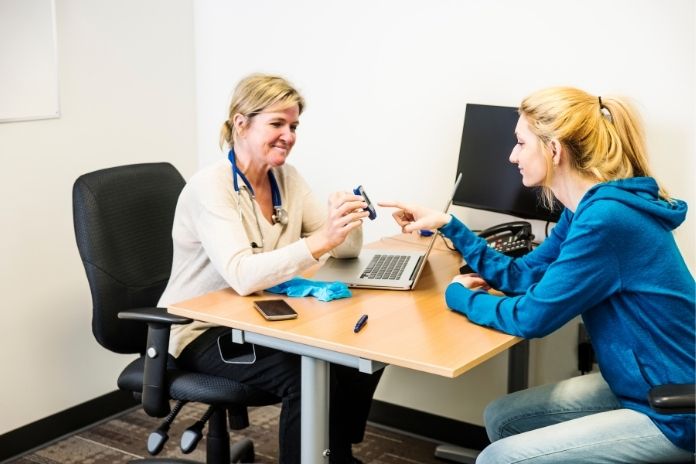
Numerous clinics and practices run approved diabetes education programs and certified diabetes care and education expert programs. Two organizations accredit diabetes education programs: the American Diabetes Association and ADCES. Use this tool to find an accredited local diabetes education program.
When provided through a certified diabetes education program that satisfies strict requirements established by the U.S. Department of Health & Human Services, diabetes education is recognized as a component of your diabetes care and is covered by Medicare and the majority of health insurance plans.
How to Verify Credentials and Program Quality
Recognized Certifications and Accreditation: When you find a CDCES, make sure they are connected to accredited healthcare organizations and possess CDCES certification.
Importance of Accredited Diabetes Education Programs: Select accredited diabetes programs that organizations such as the American Diabetes Association accredit. These programs adhere to standardized care protocols.
Questions to Ask Before Choosing a Provider
Before selecting a certified diabetes educator near me, ask:
- Do you hold a CDCES certification?
- What services are included in diabetes self-management education programs?
- Do you provide insulin management education?
- Is there telehealth available?
What to Expect During Your First Visit
To help you achieve both your glycemic and general health objectives, your diabetes educator will ask you about your priorities and the areas where you need the most assistance during your first session.
AADE7’s Self-Care Behaviors® are the cornerstone of diabetes education and management, and they serve as the foundation for a large portion of your work with your diabetes educator.
Healthy Eating: A successful plan aligns with your nutritional goals and includes your favorite foods and sweets. You may anticipate that your diabetes educator will assist you in creating a meal plan to help you control your blood sugar levels while also enjoying mealtimes.
Being Active: Another crucial component of controlling blood sugar is exercise. Here, choosing an activity you enjoy is crucial. If you’re not sure what kinds of workouts you might like, your CDCES will suggest some.
Monitoring: You and your DCES can develop the best strategy for you by keeping a daily log of your blood sugar levels, the frequency and dosage of your medications, and any food tracking. You’ll be able to spot trends and patterns and even learn how they affect your blood sugar levels.
Taking Medication: Are you curious about how various diabetes medications, like insulin and oral medications, work? Now is the moment to meet with your CDCES to determine which ones are most suitable for you.
Read More: Type 2 Diabetes Can Cause DKA: Understanding Ketosis-Prone Diabetes and Why It’s Often Missed
Cost, Insurance, and Accessibility

Insurance Coverage for Diabetes Education: Many insurance plans cover diabetes self-management education programs.
Financial Assistance Options and Out-of-Pocket Expenses: diabetes educator cost and insurance. Program type, provider experience, and location all affect costs.
Access Considerations: Take into account factors such as appointment availability, language support, and distance when seeking a CDCES.
Tips for Choosing the Right CDCES for You
Complementing Your Needs and Communication Style: Your comfort is important to us. Select a teacher who will fit your learning style and provide straightforward explanations of ideas.
Cultural and Dietary Considerations: A competent diabetes care and education specialist is aware of cultural cuisines and preferences, which helps to make suggestions more realistic.
Availability for Ongoing Support and Follow-Up: Diabetes care is continuous. Make sure your healthcare practitioner provides ongoing diabetes self-management education and support (DSMES).
When to Seek Additional Medical Support

While continuing to receive support from your CDCES, it’s crucial to speak with your doctor if you continue to have high or low blood sugar levels even after following your CDCES’s advice. Neuropathy, changes in eyesight, and other problems are symptoms that need to be treated right away.
In order to provide safe and efficient diabetes management, a diabetes care and education expert is essential to multidisciplinary diabetes care. They assist in coordinating treatment with physicians, nutritionists, and other specialists.
Read More: Beyond Weight Loss: GLP-1 Benefits for Heart Disease and Diabetes Prevention
Conclusion
Effective diabetes management calls for everyday decision-making, education, and continuous support in addition to medical care. Working with a diabetes care specialist and with an education specialist can empower you with knowledge and skills to confidently take control of your health.
The help you receive can have a long-lasting impact, from individualized advice on diet and medicine to useful techniques for blood sugar monitoring. You are investing in improved blood sugar control and overall well-being when you take the time to find a CDCES who meets your needs.
Recall that managing diabetes is a continuous process rather than a one-time event.
References
- Certification Board for Diabetes Care and Education. Certified diabetes care and education specialist (CDCES) brochure.
- South Dakota Diabetes Coalition. Certified diabetes care & education specialist.
- U.S. Department of Defense. Certified Diabetes Care and Education Specialist (CDCES).
- DarioHealth. Benefits of working with a CDCES.
- Beyond Type 2 Editorial Team. (December 18, 2018). Finding a Diabetes Care and Education Specialist (DCES).
- Beyond Type 2 Editorial Team. (May 30, 2019). What to Expect at Your First Appointment with a Diabetes Care and Education Specialist.
In this Article