














The last time I had a hearty meal of beans, whole grains, and some bright vegetables, I was told it was toxic. Puzzled, I researched about it, only to find out that these foods have lectins, seemingly poisonous compounds.
Lectins have been criticized in some health circles, with claims that they lead to inflammation, digestive issues, and autoimmune diseases. This fear has made many fitness enthusiasts opt for lectin-free diets. One such initiative is Dr. Steven Gundry’s Plant Paradox program, which promotes reducing lectin-rich foods for optimal health.
Several lectin-free diets aim to eliminate this so-called toxic compound. But do lectins truly deserve this reputation, or are they simply misunderstood plant proteins? This article delves into what lectins are, debunks common myths surrounding them, and highlights scientific research to better understand the myths associated with their use.
Read More: Plant-Based Eating and Bone Health: Are You Getting Enough Nutrients?
What Are Lectins?
Lectins are plant proteins naturally found in various plant-based foods. They function as carbohydrate-binding molecules and serve as a defense mechanism for plants, protecting them from pests and diseases.
Typical sources of food lectins include:
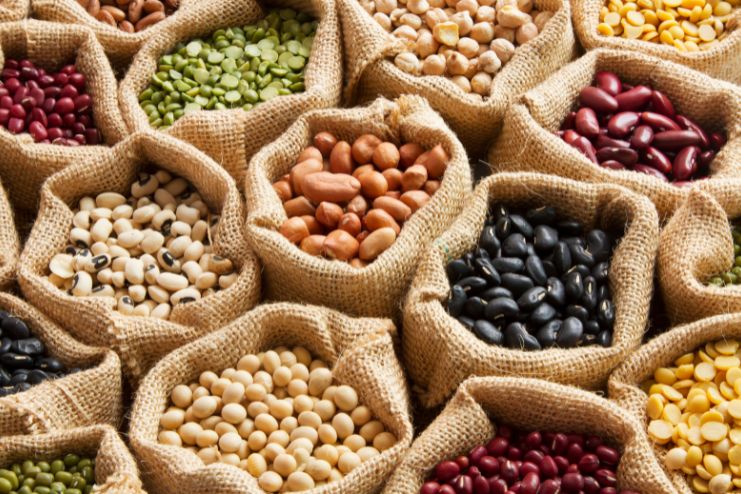
- Legumes: Commonly used legumes such as beans, lentils, soybeans, and peanuts are some of the most abundant sources of lectins.
- Nuts and Seeds: A few common nuts and seeds, including cashews and sunflower seeds, contain lectins that can be lowered through soaking or roasting.
- Dairy: Most dairy products contain some lectins, primarily because cows eat lectin-containing grains as part of their diet.
- Vegetables: The nightshade family of vegetables, including tomatoes, potatoes, eggplants, and peppers are a rich source of natural lectins.
- Whole Grains: Whole grains have a rich nutritional profile, but are also known to be high in lectins. Foods such as wheat, barley, quinoa, and rice contain varying levels of lectins, primarily in their outer layers.
Given how widely lectins are present in our food, avoiding lectins might mean cutting out a large portion of plant-based nutrition. But is there any scientific basis for the fear surrounding them? Let us explore this aspect better, read on!
Read More: Nightshade Vegetables – Everything You Need To Know
The Alleged Dangers of Lectins

The rise of lectin-free diets has led many people to eliminate foods like beans, grains, and nightshades due to concerns about their potential harm.
The following are the possible health risks associated with lectins and why people avoid them. Continue reading to learn the science behind these alleged dangers, and find out whether it is safe to consume lectin.
1. Lectins and Gut Health:
One of the most concerning aspects of lectins is that they can destroy the lining of the gut and lead to a “leaky gut.” Some studies suggest that certain lectins, such as wheat germ agglutinin (WGA) found in wheat, can attach to the intestinal lining and increase its permeability. This may allow toxic substances and undigested food particles to enter the bloodstream, potentially triggering inflammation and autoimmune responses.
However, studies use purified lectins in very high concentrations, which are not usually part of an average diet. In addition, good food preparation greatly minimizes the effects of lectins, causing less harm.
2. Lectins and Autoimmune Diseases:
People who promote lectin-free diets claim that lectins can mimic certain proteins in the body, leading to an immune system attack on healthy cells, a process known as molecular mimicry.
This has been suggested as a potential trigger for autoimmune conditions like rheumatoid arthritis and lupus.
Certain lectins are similar to human proteins and may lead the immune system to attack the body’s tissues, a process observed in diseases such as rheumatoid arthritis and lupus. Lectins also induce chronic inflammation and worsening of autoimmune diseases such as multiple sclerosis and Hashimoto’s thyroiditis.
Although not all lectins are toxic, people with autoimmune diseases can reduce their consumption through proper food preparation or dietary modifications.
Read More: Managing Autoimmune Diseases: The Role of Diet and Exercise
3. Nutrient Absorption and Digestion:
Lectins have been referred to as “anti-nutrients” since they have the potential to bind minerals such as calcium, iron, phosphorus, and zinc, which might interfere with their absorption.
This is a valid point, but an exaggerated one. Several traditional food preparation processes, including soaking, sprouting, and fermenting, diminish lectin levels and increase nutrient levels.
The Science: Are Lectins Harmful?

The fear surrounding lectins is largely based on their effects when consumed in raw or undercooked forms. However, cooking destroys most lectins, making them safe for consumption. Here’s what the research says:
Impact on Gut Health: Studies show that well-cooked beans and grains do not cause damage to the intestinal lining. The dangers attributed to lectins mainly come from eating raw kidney beans, whose high content of phytohemagglutinin can bring about acute gastrointestinal distress.
Chronic Disease Risks: According to research, there is no direct connection between lectin intake and chronic diseases in human beings. Rather, groups of people who eat lectin-rich foods, including Mediterranean and vegetarian diets, have fewer instances of heart disease, diabetes, and inflammatory disorders.
Cooking Methods Neutralize Lectins: Cooking methods such as boiling, pressure cooking, and fermentation reduce lectin content considerably, so most lectin-rich foods are safe to consume.
Read More: Elevate Your Cooking Game: 5 Essential Kitchen Gadgets Every Health Nut Needs
Health Benefits of Lectins
Despite their controversy, lectins may offer several health benefits:
- Immune System Modulation: Some lectins have been discovered to boost immune responses by activating white blood cells.
- Antioxidant and Anti-Cancer Effects: As per certain studies, lectins present in legumes can prevent cancer cell proliferation.
- Blood Sugar Regulation and Heart Health: Consuming legumes is linked to regulating blood sugar levels while reducing the risk of heart disease due to its fiber content.
Should You Avoid Lectins? Who Should Be Cautious?
For most people, avoiding lectins is unnecessary and could lead to missing out on vital nutrients. However, certain individuals might need to limit their intake:
People with IBS or Digestive Sensitivities: Certain people with irritable bowel syndrome (IBS) or nightshade sensitivities might feel queasy from particular foods that contain lectins.
Autoimmune Disease Patients: A temporary decrease in lectin consumption may be helpful to some individuals with autoimmune diseases to see if there are changes in symptoms. But this must be done under the guidance of a professional.
For all others, proper preparation techniques (soaking, sprouting, fermenting, and cooking) can render lectin-containing foods safe and helpful.
Read More: SIBO vs. IBS: Understanding the Differences and How to Manage Them
Debunking the Anti-Lectin Diet Trend
The popularity of anti-lectin diets, especially The Plant Paradox, has caused many to dread lectins unnecessarily. Here’s why imposing a total ban on lectins might not be required:
- Lack of Scientific Support: There is no scientific proof that lectins in food cause widespread harm to humans.
- Nutritional Drawbacks: Refraining from lectin-containing foods may result in fiber, vitamin, and mineral deficiencies which are necessary for health.
- Expert Recommendation: Dietitians and health experts advocate balance. When well-prepared, foods containing lectins can be included in a healthy diet.
Final Thoughts
Lectins have been unfairly criticized in the health world, but the scientific truth is more complicated. Although raw or poorly prepared lectins can be dangerous, cooking and traditional food preparation methods successfully eliminate their toxicity.
Furthermore, lectins can provide health benefits, from strengthening the immune system to maintaining blood sugar levels.
Rather than completely avoiding lectins, emphasize eating a varied, whole-food diet with well-prepared plant foods. The idea is to maintain a healthy balance and not to completely restrict lectin-based foods. So indulge in your beans, grains, and vegetables, just cook them well!
References
- https://pmc.ncbi.nlm.nih.gov/articles/PMC7245692/
- https://www.sciencedirect.com/science/article/pii/S2405844024155028
- https://gundryhealth.com/5-proven-methods-to-reduce-lectins-and-embrace-a-healthier-diet/
- https://pmc.ncbi.nlm.nih.gov/articles/PMC7600777/
- https://kidneyhi.org/blog/the-lectin-controversy/
- https://www.researchgate.net/publication/359183061_Beneficial_attributes_and_adverse_effects_of_major_plant-based_foods_anti-nutrients_on_health_A_review
- https://pmc.ncbi.nlm.nih.gov/articles/PMC11431102/
In this Article