











The uncomfortable scenario of feeling the need to go, entering a public lavatory, and then suddenly being unable to defecate is something that many individuals have encountered. You’re not the only one who has ever said, “I can’t poop in public.”
This prevalent but little-acknowledged problem is sometimes associated with parcopresis, another name for shy bowel syndrome. It encompasses both the physical and psychological elements that disrupt regular bowel movements.
In this article, we will explore why people experience difficulty having a bowel movement in public, the science behind public restroom anxiety, how the gut-brain connection plays a role, and what you can do if you’re nervous about pooping in public.
- Difficulty pooping in public is called parcopresis (shy bowel), a common anxiety response, not simple constipation.
- Regularly holding it in disrupts your gut-brain connection, which dries out stool and worsens long-term constipation.
- You can retrain your body through cognitive behavioral therapy (CBT), deep-breathing techniques, and structured routines.
Read More: White Poop: Causes, Warning Signs, and What It Says About Your Liver and Digestion
Is It Normal to Have Trouble Pooping in Public?
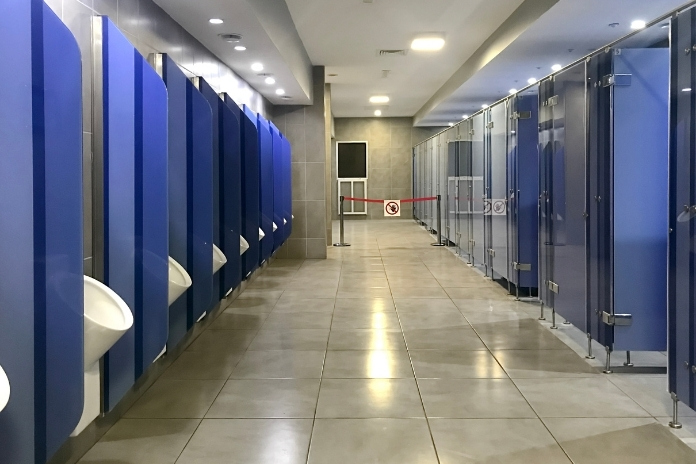
Are you afraid of using public restrooms? The unsecured toilet stall door, a broken flush, the prospect of no toilet paper, and the possible stench of your waste. We could continue. Pooping anxiety is more prevalent than you may imagine, so it’s not just you. This phobia has a name.
The dread of pooping in public is known as parcopresis, and people who have it suffer from intense anxiety about being evaluated by others due to the stool’s appearance and any noises or smells. Another name for it is “shy bowel.” This anxiety could also apply to friends’ or co-workers’ restrooms.
It’s crucial to remember that this isn’t constipation, which implies you can’t poop anywhere, not just in public. Individuals who suffer from shyness about defecating will refrain from defecating in public places. This is not the same as simply not liking using public restrooms.
To poop less, some people may deliberately reduce their food intake. Ignoring the need to urinate frequently can also have negative health effects, as can holding in stool.
What Is Shy Bowel Syndrome (Parcopresis)?
Parcopresis, sometimes referred to as psychogenic fecal retention or shy bowel syndrome, is a psychological disorder characterized by an overpowering dread of perceived attention that makes it difficult or impossible to defecate in public facilities. In extreme circumstances, it may be difficult or impossible to defecate in private facilities, such as the family home’s bathroom.
Paruresis and parcopresis frequently coexist. Social anxiety disorder, or social phobia, is linked to several psychiatric illnesses, including social anxiety disorders; phobias that can cause anxiety while using public facilities; and contamination OCD, a subtype of obsessive-compulsive disorder (OCD).
You may find it difficult to leave the house for work, school, or get-togethers with friends and family if you have a severe fear of pooping in public. This may eventually point to a more significant problem that needs to be treated.
Why Does the Body Have Trouble Pooping in Public?

There are various ways the dread of pooping manifests. Although they are similar, coprophobia, the fear of one’s own feces, is not the same. Fear of pooping is more about the process of pooping itself and worries about what might happen when using the restroom, especially in public, than it is about the feces.
Adults and children experience this fear differently, and it can have various causes. Adults are typically better able to manage negative emotions, even though they are still nervous and upset about the situation. In contrast, youngsters often do not understand what is happening and may act out when they need to use the restroom.
Concerns about people in public smelling or hearing you use the restroom, which makes you want to avoid using the restroom in public, are some common triggers for the phobia of pooping.
The following are some typical causes of the dread of pooping:
- Pooping in a public restroom
- Being overheard while using the restroom
- Worries that people might smell it
- Worries about smelling or seeing it for yourself
- Worries about witnessing other people’s excrement in the restroom
- Public gatherings with a single restroom
- When traveling, you might need to use a public restroom
- Utilizing a public restroom alongside those in nearby stalls
- Worries about using the restroom at work or school
- Having to share a bathroom with someone when staying in a hotel or apartment
Read More: Breakfast Foods That Make You Poop: Natural Morning Options for Better Digestion
What Happens During a Normal Bowel Movement?
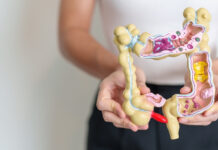
The final stop on the food’s journey through your digestive system is a bowel movement. The rectum and anus are where your stool exits your body. “Feces” is another term for “stool.” It is composed of the residue left behind after your stomach, small intestine, and colon have absorbed nutrients and liquids from your food.
A bowel movement may not always be typical. When excrement moves through the large intestine too quickly, diarrhea results. When stool moves through the large intestine too slowly, constipation results. Inability to control bowel movements is known as bowel incontinence. Additional irregularities in bowel motions could indicate a digestive issue.
Can Avoiding Public Restrooms Affect Digestive Health?
Regularly delaying bowel movements might increase constipation in public places by making stools harder to pass. Over time, avoidance may worsen constipation. Stool becomes more difficult to pass the longer it remains in the colon, as more water is absorbed.
Avoiding the restroom might interfere with bowel movement patterns and cause long-term issues if it becomes a habit. This creates a cycle: public restroom anxiety leads to avoidance, which leads to constipation, which increases anxiety further.
What Can Help If You Can’t Poop in Public?
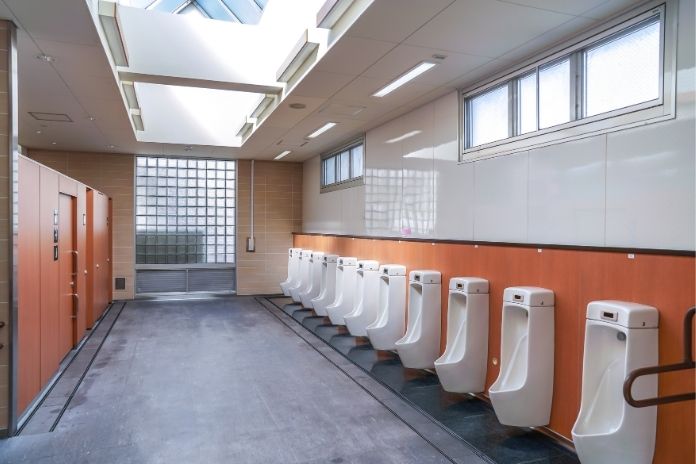
Here are some pointers to assist you in dealing with your phobia of pooping in public areas, because we recognize that it might be difficult to overcome:
Try to Poop at Home: Monitor your bowel movements if you don’t already mark off the days of the week and the times you poop. Start planning your day around your bowel movements as soon as you notice the pattern. Pooping should ideally occur at night while you are at home or in the morning before you go for the day.
Create an On-The-Go Emergency Kit: Pack a compact bag with wet wipes, alcohol, toilet paper, antibacterial soap, and any drugs you’re taking to help with symptoms. Additionally, you can bring spare clothing or underwear.
Try Breathing Exercises: Breathing exercises might help you feel less nervous. The 4-7-8 breathing technique is a prime example. Breathing out through the mouth and closing it for four counts while breathing through the nose is the first step in this process. Next, while holding your breath, count to seven. Next, count to eight while exhaling. Repeating it three times in a row is advised.
Steer Clear of Trigger Foods: If you know that certain foods, such as dairy (think milk, cheese, and ice cream), can make you throw up, you might want to limit or avoid them. The same is true for other foods that may produce gas, bloating, and stomach pain.
When Could It Be More Than Anxiety?
Signs that could point to a digestive disorder:
- Constipation that never goes away
- Bleeding in the rectal area
- Weight loss that is not explained
- Severe pain in the abdomen
- Changes to bowel habits
Similar symptoms might be caused by conditions like irritable bowel syndrome (IBS). See a medical professional if the symptoms persist. Anxiety-related problems do not exclude physical conditions.
Read More: Fluffy Poop: What It Means About Your Gut Health
How Is Shy Bowel Syndrome Managed?

Even while these illnesses might make one feel alone and ashamed, they are treatable, and recovery is achievable with the correct strategy. Cognitive-Behavioral Therapy (CBT), which targets the avoidance behaviors and anxious beliefs that underlie many disorders, is the cornerstone of successful therapy.
Among the potential CBT tools are:
Graduated Exposure Therapy: Patients create a hierarchy of restroom scenarios they fear and, with assistance, gradually confront them in controlled, stepwise ways. To unlearn fear-based reactions, this retrains the body and the brain.
Cognitive Restructuring: Assists in recognizing and disputing illogical or exaggerated anxieties (like “People will think I’m weird if I take too long”) and substituting them with more sensible, encouraging ideas.
Acceptance and Commitment Therapy (ACT): It helps people develop tolerance for internal discomfort without turning to avoidance and is one example of an acceptance-based approach.
Relaxation Techniques: Diaphragmatic breathing and muscle relaxation are two techniques that help reduce the physical manifestations of anxiety when using the restroom.
Imaginal Exposure: To lessen anticipatory anxiety and emotional reaction, write and reread imagined bathroom-related scenarios.
Read More: Reasons You Need To Poop Right After a Meal – What Your Body’s Really Telling You
Conclusion
Struggling with not being able to poop in public situations is more common than many people realize, and it often stems from a mix of psychological and physical responses. Normal bowel movements can become challenging when anxiety upsets the balance of relaxation, which is crucial for the body’s natural activities.
While occasional discomfort in a public restroom is usually innocuous, frequent avoidance can have long-term negative effects on digestive health. Knowing how the body and mind work together might help people feel less afraid and more confident in new situations. Over time, comfort can be enhanced through simple lifestyle adjustments and relaxation techniques.
FAQs About Pooping in Public
1. Why can I poop at home but not in public?
At home, you feel safe and relaxed. In public, public restroom anxiety activates stress responses.
2. Is IBS a medical condition?
Indeed, parcopresis is acknowledged as a type of anxiety-related disorder.
3. Can anxiety really stop a bowel movement?
Indeed, the gut-brain connection is impacted by anxiety, which makes bowel movements challenging.
4. Does holding in stool cause constipation?
Constipation is indeed exacerbated by postponing bowel movements.
5. When should I talk to a doctor about bowel issues?
Consult a doctor if your symptoms worsen or continue.
In this Article