












Cardiac exams can be intimidating, particularly if you don’t know what to expect. One of the most common cardiac tests used to identify and treat significant problems is cardiac catheterization. It’s quite normal to be nervous if you’ve been told to take this test.
In this article, we’ll walk you through what to expect during a cardiac catheterization procedure, including how it works, why doctors recommend it, preparation steps, what happens during the procedure, recovery, risks, and answers to common questions.
- A highly accurate, low-risk diagnostic test to check your heart vessels and function.
- You will be awake but sedated, feeling only mild pressure not severe pain.
- Most patients go home the same day but must avoid heavy lifting for two weeks.
Read More: Angiogram vs. Angioplasty: What’s the Difference and When Do You Need Each?
What Is a Cardiac Catheterization Procedure?
A cardiac catheterization, also called a coronary angiography or heart cath, is a procedure used to evaluate coronary arteries, which supply blood to the heart.
Patients who are experiencing a acute heart attack, those who have symptom of the coronary artery disease (also known as “angina”), and those who intend to have heart surgery for reasons unrelated to coronary artery disease (such as valvular disease) are usually the ones who undergo the procedure.
One common cardiac procedure is cardiac catheterization. It can be used to diagnose or treat variety of heart problems, including:
- Coronary artery disease
- A congenital cardiac ailment
- Heart disease
- Heart valve disease
- Small vessel disease, also known as coronary microvascular disease, is damage to the walls and inner lining of the heart’s microscopic blood vessels
If you have any of the following signs of heart illness, your medical team may recommend cardiac catheterization:
- Arrhythmias are irregular heartbeats
- Angina is a type of chest pain
- Breathing difficulties during exercise
How to Prepare for a Cardiac Catheterization
A physician assistant or nurse practitioner will call you the day before the procedure to let you know what to expect and when to arrive. After the procedure, someone must be available to drive you home; please arrange for a friend or family member to do so.
Discuss with your doctor if you should take your prescriptions first thing in the morning, particularly if you have diabetes or are taking blood thinners or anticlotting medications. Otherwise, unless instructed otherwise by your physician or nurse, avoid eating or drinking anything in the morning.
Kindly remember to pack the following:
- Every drug is in its bottle, or in a list of all drugs together with their dosages.
- Insurance card or cards.
- A state identification card or driver’s license is an example of photo identification.
All valuables, including cash and jewelry, should ideally be left at home. If you have kidney illness, pharmaceutical allergies, or an intravenous (IV) dye allergy or reaction, please let the admitting nurse know.
What Happens During a Cardiac Catheterization?
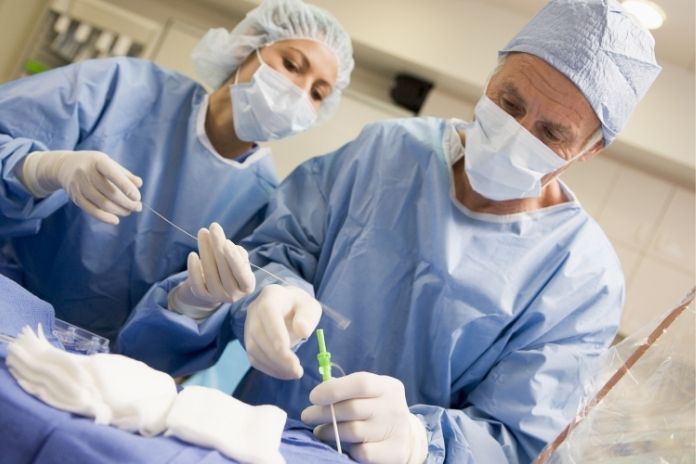
A physician with specialized training, along with a team of nurses and technicians, performs the procedure. The process is carried out in a hospital or clinic’s cath lab. A nurse will insert a IV line into a vein in your arm before the treatment so you can receive relaxation medicine. Throughout the process, you will be conscious and capable of following directions.
The area where doctor will be working will be shaved and cleaned by the nurse. This may occur beneath the collarbone, in the upper thigh, arm, or neck. To numb the puncture site, a local anesthetic is typically used. The physician will pierce a major blood vessel through your skin with a needle. The vessel will be filled through a tiny straw-sized tube.
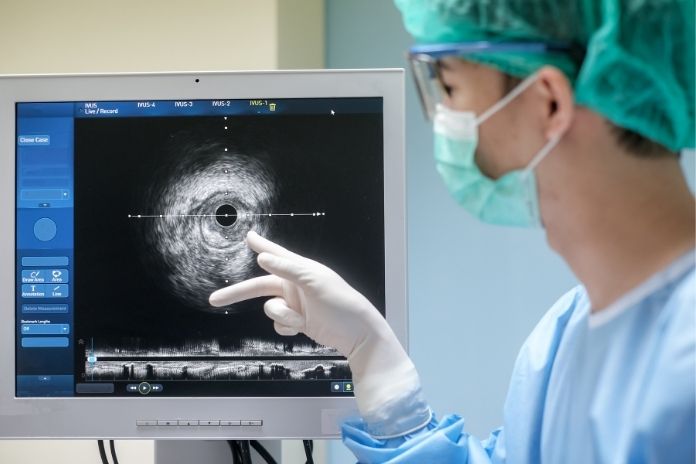
Through the sheath, the physician will carefully insert a catheter into your vessel. The catheter’s position as it passes through the blood arteries and reaches the heart will be displayed on a television screen. There shouldn’t be any discomfort, although there might be some pressure at the surgery site.
The physician may use the catheter and additional tools to:
- To view the heart’s blood flow, inject a dye
- Examine the interior of blood vessels
- Take cardiac tissue samples for research
- Unblock an artery
- A partially occluded heart valve should be opened
The doctor will remove catheters and the sheath after surgery. To stop the bleeding, your nurse will apply pressure to the area. Occasionally, a unique closure mechanism is employed.
Read More: Congenital Heart Disease – Causes, Symptoms, Diagnosis And Treatment
What Does a Cardiac Catheterization Feel Like?
A common concern among patients is discomfort during the cardiac catheterization procedure.
You might experience:
- Pressure at the catheter insertion site
- Contrast dye produces a warm feeling
- Little discomfort (not an excruciating ache)
Inform your physician if you encounter any of the following during the cardiac cath procedure:
- Severe ache in the chest
- Breathing difficulties
- Sudden lightheadedness
- Symptoms of an allergic response
What Happens After the Procedure?
You spend two to eight hours in our recovery area following the surgery before being released. After your doctor has bandaged the wound, you are instructed to lie motionless and rest until a member of your medical team indicates that you are well enough to go.
Bringing books or other activities to pass the time while you wait is always recommended. While most patients return home the following day, some surgeries necessitate overnight hospital monitoring. You will be given instructions on your medication when you are ready to depart. Your physician may prescribe new medications.
It is recommended that you refrain from lifting any heavy object or engaging in strenuous activities for 2 weeks. Please wait a week before having a bath; however, you can take a shower the day after the treatment. Additionally, you are instructed on when to see your doctor again.
What are the Types of Cardiac Catheterization?
Your cardiologist may suggest one of the following treatments to identify and/or address your disease based on your symptoms:
Cardiac Ablation: Your cardiologist treats heart rhythm issues using this procedure.
Diagnostic Cardiac Catheterization: This procedure is performed by your cardiologist to pinpoint the exact issue with your heart. The information obtained from the test will be used to plan your next course of treatment.
Catheterization of the Left Heart: This procedure examines the left side of your heart. If your cardiologist thinks you could have coronary artery disease, or CAD, you might have this surgery.
Right cardiac Catheterization: This test assesses your heart’s pumping efficiency. If you have heart failure, congenital heart disease, or several other heart diseases, you might require this operation.
Read More: Cardiac Arrhythmia – Causes, Symptoms, Diagnosis and Treatment
What Are the Possible Risks and Complications?
Over 2 million cardiac catheterizations are performed annually in the US as a routine diagnostic procedure with little risk. Hematomas and hemorrhage are the most frequent hazards associated with cardiac catheterization.
Contrast dye reaction, renal damage from contrast dye, irregular heartbeats, and infections are uncommon hazards. Heart attack, stroke, the need for emergency cardiac surgery, and death are extremely rare consequences (<1%).
When Should You Call Your Doctor After a Cardiac Catheterization?
Recognizing warning flags is part of understanding what occurs during a cardiac catheterization.
- The puncture site becomes numb, or tingles, or your foot feels cold or turns blue
- More bruises appear in the vicinity of the puncture site
- The puncture site swell, or fluids drain from it
- Firm pressure is insufficient to stop bleeding from the access site
- You are coughing up blood or some yellow or green mucus
Conclusion
You can feel much more prepared and confident if you know what to expect during a cardiac catheterization procedure. In addition to identifying blocked arteries and evaluating overall heart function, this widely used cardiac catheterization method is a safe and efficient means of diagnosing and, in some cases, treating heart problems.
Although anxiety is normal, most patients have very little discomfort because of contemporary methods such as moderate sedation and local anesthetics. When you properly follow your doctor’s post-procedure recommendations, recovery usually happens quickly.
Serious consequences are uncommon, despite some concern, and medical professional take all necessary precaution to guarantee patient safety. Always ask questions, be honest with your cardiologist, and heed individualized medical recommendations.
Frequently Asked Questions About Cardiac Catheterization
1. Is cardiac catheterization painful?
The cardiac catheterization procedure is generally not painful due to local anesthesia and sedation.
2. Can you drive yourself home afterward?
No. You should make travel arrangements following a cardiac cath procedure.
3. How soon can you return to work?
Most people return within a few days, depending on cardiac catheterization recovery time.
4. Will you always need a stent during cardiac catheterization?
No, only after blocked heart arteries are identified is stent placement performed.
5. How accurate is cardiac catheterization for diagnosing heart disease?
The gold standard for diagnosing any heart problem and coronary artery disease is cardiac catheterization. It offer precise, real-time reading of heart pressure, pumping efficiency, and the precise location and degree of artery blockages, making it extremely accurate.
References
- Cardiovascular Outpatient Center of Southwest Louisiana. Cardiac catheterization.
- Mayo Clinic. (August 05, 2025). Cardiac catheterization.
- American Heart Association. (2025, February 21). Cardiac catheterization.
- NYU Langone Health. Preparing for your catheterization procedure.
- Cardiovascular Group. The purpose of heart catheterization: Why it’s done and what to expect.
- Alpena Regional Medical Center. Cardiac catheterization.
In this Article