











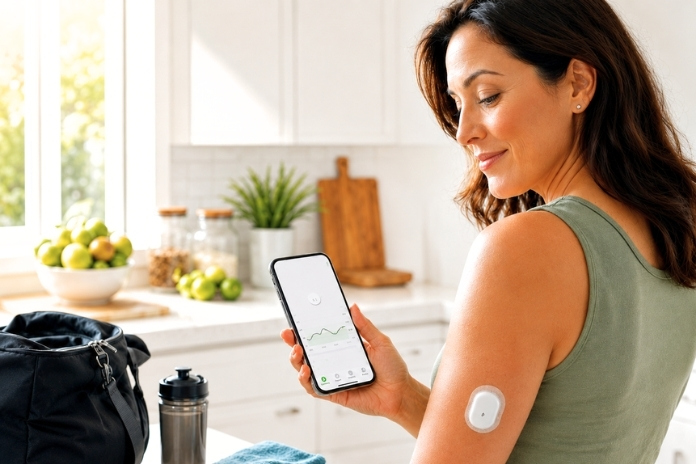
Maria had spent years planning her life around sensor changes. Every 10 days, it was the same routine: remove the old sensor, prep the skin, insert a new one. When Dexcom introduced a 15-day version of its G7 continuous glucose monitor, her question was simple: does it actually last 15 days?
The Dexcom G7 15-day sensor extends wear time from 10 days to 15 days, plus a 12-hour grace period, making it the longest-wear wearable CGM currently cleared by the FDA for adults with diabetes.
Fewer sensor changes, less waste, and reduced day-to-day maintenance are appealing benefits. But longer wear doesn’t automatically mean better performance. Before switching, it’s worth understanding what has changed, what hasn’t, and how the sensor performs in the real world.
- The Dexcom G7 15-day sensor extends wear time from 10 to 15 days, reducing the number of sensor changes required each month.
- Dexcom reports an 8.0% MARD and found that approximately 75% of sensors reached the full 15-day wear period in clinical testing.
- Real-world performance may vary depending on factors such as skin type, physical activity, humidity, and adhesive durability.
- The upgrade is primarily a convenience improvement, making it most appealing to users who want fewer insertions and less day-to-day device management.
Read More: Strength Training vs. Cardio for Diabetes: What Actually Works Better?
What Is the Dexcom G7 15-Day Sensor?
The Dexcom G7 15-day sensor retains the same all-in-one design introduced with the original G7, combining the sensor and transmitter into a single disposable device. The biggest change is wear duration. The new version is cleared for 15 days of continuous use, plus a 12-hour grace period, reducing the number of monthly sensor changes for most users.
The insertion process, mobile app, and overall user experience remain largely unchanged. Dexcom’s focus with this update is on extending wear time while maintaining accuracy. Current FDA clearance applies to adults 18 and older with diabetes, and pediatric approval has not been granted as of its U.S. launch in 2025.
Longer wear may offer practical benefits, including fewer insertions, less site disruption, reduced device waste, and potentially lower supply burden. With FDA clearance in 2025, the Dexcom G7 15-day became the longest-lasting wearable CGM commercially available in the United States.
What’s New in the Dexcom G7 15-Day Version?
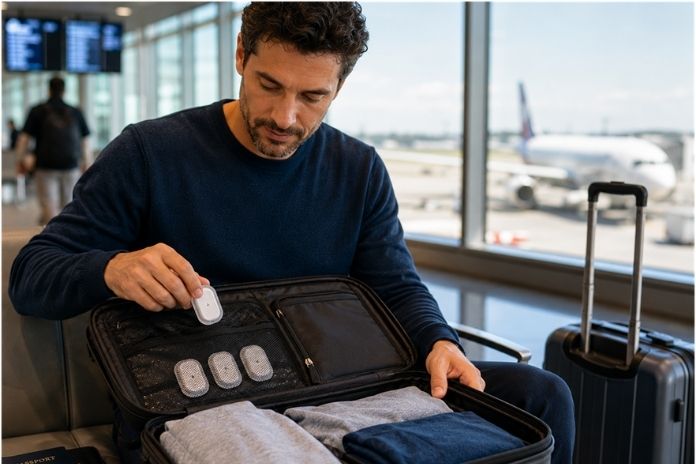
Wear time in CGM is measured from sensor activation to expiration. The Dexcom G7 15-day sensor runs for 15 full days before entering a 12-hour grace period, a window designed to give users flexibility when a replacement sensor isn’t immediately accessible. The practical math: over 90 days, a patient would use roughly six 15-day sensors versus nine 10-day sensors.
For people who refill prescriptions quarterly, that shift changes prescription quantities, pharmacy workflows, and potentially insurance reimbursement calculations. MARD (mean absolute relative difference) is the standard metric for CGM accuracy.
It measures, on average, how far a sensor’s glucose reading deviates from a reference blood glucose value, expressed as a percentage. Lower MARD means tighter agreement with actual blood glucose. Dexcom’s clinical data for the 15-day sensor reports an 8.0% MARD, which is competitive within the current CGM market and consistent with performance figures cited for the original G7.
A 2024 systematic review and meta-analysis published in the Journal of Clinical Endocrinology and Metabolism found that CGM use in type 2 diabetes significantly improved time in range and reduced HbA1c, reinforcing the clinical value of accurate, continuous glucose data, regardless of specific sensor brand.
According to Dr. Irl Hirsch, MD, evaluating a continuous glucose monitor involves looking beyond initial performance and assessing whether accuracy remains reliable throughout the sensor’s full wear period. Consistent performance over time is particularly important for extended-wear devices, where patients depend on readings for daily treatment decisions.
Two fewer sensor applications per month may sound trivial. It isn’t, particularly for people managing insertion anxiety, skin sensitivity reactions, or the cumulative disruption of biweekly sensor switches during travel, exercise, or shift work. For some users, the frequency of sensor changes is a meaningful quality-of-life variable that influences adherence to CGM therapy overall.
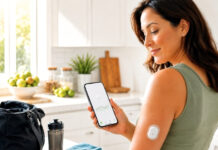
The Dexcom G7 15-day sensor retains the full feature set of its predecessor. Real-time glucose readings update every five minutes. The system integrates with Dexcom’s smartphone app on both iOS and Android platforms, supports the Apple Watch display, and allows for remote data sharing with caregivers or healthcare providers via Follow and Clarity.
A 2025 systematic review and meta-analysis published in the International Journal of Behavioral Nutrition and Physical Activity found that continuous glucose monitoring not only improved glycemic awareness but also encouraged healthier dietary choices and increased physical activity among people with diabetes.
Researchers concluded that real-time glucose feedback may promote sustained behavioral changes that support long-term diabetes management. Customizable high and low glucose alerts remain available. The compact, one-piece wearable design sits on the upper arm or the upper buttocks region. None of these core features was altered in the transition to 15-day wear.
Read More: Best Continuous Glucose Monitors in 2026: What to Look For and Top Picks
Dexcom G7 15-Day vs. 10-Day: Is There a Real Difference?
The most immediately tangible benefit is the reduction in insertion frequency. Fewer insertions mean fewer moments of discomfort, fewer adhesive borders to manage, and fewer transitions between sensors, each of which carries a brief calibration window and a slightly higher risk of missed readings or alert delays.
For users who are physically active or who travel frequently, fewer sensor change events also mean less planning around athletic activities, swimming schedules, or time zone adjustments. The 10-day and 15-day sensors will feel functionally identical to most users on a given day. The app looks the same. Alerts behave the same way. The wearable itself is the same size.
Glucose trend arrows and readings display identically. If the primary frustration with the original G7 was not its wear duration but its accuracy, adhesive durability, or skin irritation profile, the 15-day upgrade does not address those concerns differently in any substantiated way.
A prescription written for a 30-day supply of the 10-day sensor typically covered three sensors per box. The shift to 15-day sensors changes the math: a 90-day supply might move from approximately nine sensors to six.
Insurance plans and pharmacy benefit managers are still calibrating their coverage frameworks to reflect this change, and some patients may encounter prior authorization requests or quantity limit conflicts during the transition period. It’s worth contacting your pharmacy and insurance provider before switching, not after.
Reliability Concerns: Will Sensors Actually Last 15 Days?
What Dexcom’s Clinical Data Showed
Dexcom’s pivotal clinical studies reported that approximately 75% of sensors in testing completed the full 15-day wear period. That figure means roughly one in four sensors in controlled clinical conditions did not reach the labeled endpoint. Real-world performance, which introduces variables like physical activity, humidity, skin type, and adhesive management, often diverges further from trial results.
According to diabetes technology expert David C. Klonoff, MD, the clinical value of continuous glucose monitoring depends not only on extending sensor wear time but also on maintaining consistent accuracy throughout the sensor’s lifespan. He has emphasized that reliable performance over the entire wear period is essential for safe treatment decisions and effective diabetes management.
A 2025 review published in Diabetology examining the history and future of CGM technology noted that adhesion failure and sensor dropouts remain persistent challenges across wearable CGM platforms, particularly as manufacturers extend wear durations beyond what earlier-generation electrochemical sensing allowed.
Adhesive and Sensor Failure Concerns from Users
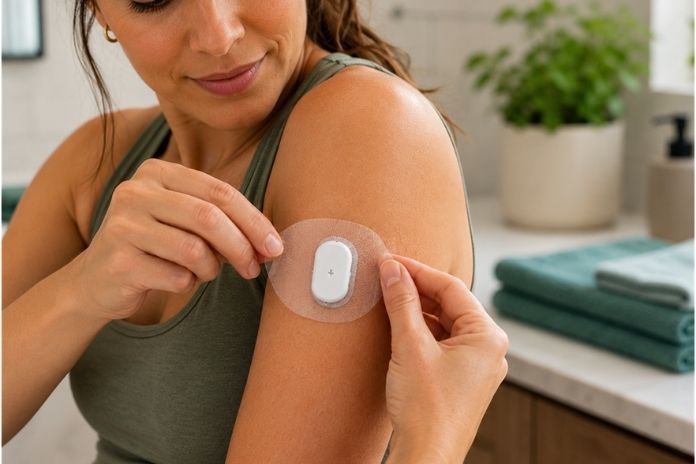
User communities following the original G7 have raised a consistent set of concerns: early adhesive detachment, signal loss during the final days of a wear cycle, and skin irritation at the sensor site after prolonged contact. These are not unique to Dexcom; they are common across wearable medical devices generally.
But extending wear from 10 to 15 days amplifies each of them. Skin kept under adhesive for longer durations is more prone to maceration and contact dermatitis. A sensor whose electrochemical signal drifts slightly in days 8 through 10 on a 10-day device may drift more noticeably in days 12 through 15.
Why Real-World Performance May Differ from Clinical Testing
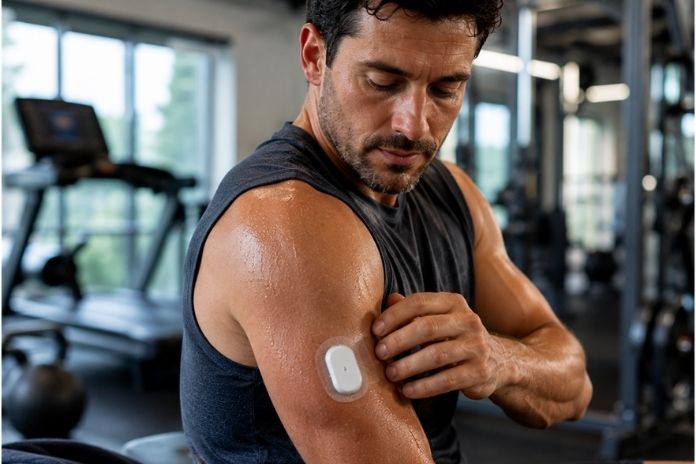
Clinical trials are conducted under controlled conditions with protocol-defined handling procedures, participant selection criteria, and follow-up cadences that don’t replicate daily life. Patients who sweat heavily during exercise, who swim regularly, who live in humid climates, or who have naturally oily skin may see meaningfully different adhesive performance than trial participants.
A 2025 editorial published in Frontiers in Endocrinology noted that while modern CGMs continue to expand their role in diabetes management, real-world outcomes remain heavily dependent on factors such as sensor reliability, user adherence, and consistent performance outside controlled clinical settings. The authors emphasized that extending wear duration introduces additional challenges that manufacturers must address to maintain accuracy and user trust.
How flat the sensor is applied, how well the skin is prepped, and whether an overtape is used also influence longevity in ways clinical protocols can standardize but real-world practice cannot.
Community Reactions and Skepticism Around Durability
Online diabetes communities, including forums on r/diabetes and dedicated Facebook groups, reflect a predictably mixed response to the 15-day sensor. Some users report the full 15 days with no issues. Others describe sensors flagging errors or losing signal around the 12-day mark.
Dexcom reported that roughly three-quarters of sensors lasted the full 15 days in testing, a stat that encourages optimism but also warrants candid acknowledgment that the remaining 25% represents a not-insignificant failure rate for a device patients depend on for medication dosing decisions.
How the New Sensor Compares With Other CGM Systems
The Dexcom G7 15-day CGM enters a competitive CGM market alongside Abbott’s FreeStyle Libre 3 and Libre 3 Plus, which offer 14-day and 15-day wear, respectively. While the Libre platform now provides real-time glucose readings and alerts, Dexcom continues to stand out for its customizable alert system and broad integration with diabetes management tools.
Another alternative is Eversense, an implantable CGM that provides up to 180 days of wear from a single insertion. While it significantly reduces sensor changes, it requires an in-office procedure and carries different considerations than wearable systems.
Ultimately, the best CGM depends on individual needs. Dexcom may appeal to users who prioritize pump integration and real-time alerts, while Libre may be attractive for its simplicity and affordability. For some patients, insurance coverage remains the deciding factor regardless of device preference.
Will the Dexcom G7 15-Day Work With Insulin Pumps?
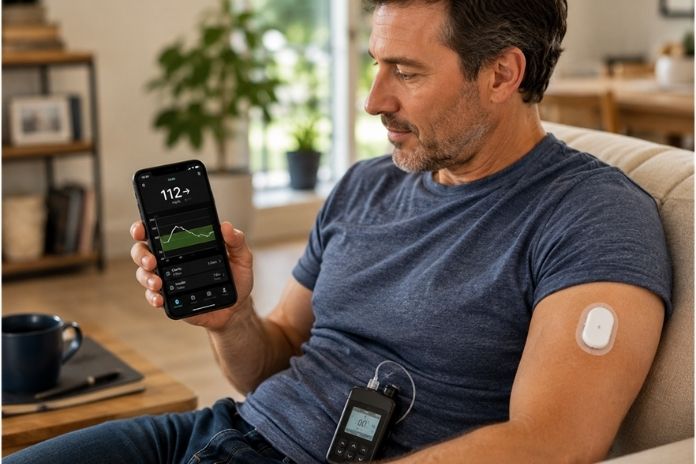
Automated insulin delivery (AID) systems rely on CGM data to adjust insulin dosing through connected pumps. While the Dexcom G7 10-day sensor already integrates with platforms such as Tandem Control-IQ and select Omnipods, compatibility for the new 15-day version depends on software validation and regulatory clearance by individual pump manufacturers.
Because pump updates require separate testing, FDA review, and firmware validation, integration timelines may lag behind the sensor’s launch. Dexcom has stated that it is working with pump partners to support the 15-day sensor, but users should verify compatibility with their specific AID system before switching.
It’s also wise to confirm insurance coverage and pharmacy availability, as prescription quantities and inventory may differ from the 10-day version. Taking these steps can help avoid supply interruptions and billing issues.
Who May Benefit Most From Upgrading?
The 15-day sensor is most appealing for users who find frequent sensor changes inconvenient. Fewer insertions mean fewer warm-up periods, less adhesive removal, and reduced disruption to daily routines.
Anne Peters, MD, a leading diabetes specialist, has noted that reducing the burden of diabetes management often improves adherence to therapy. For many patients, fewer sensor insertions may translate into a better overall user experience and more consistent CGM use, particularly among those who find frequent device changes disruptive.
Athletes, frequent travelers, and people with physically demanding jobs may especially appreciate the longer wear time. It can also simplify supply management by reducing the number of sensors needed each month.
That said, users whose current 10-day G7 is performing well may not need to upgrade immediately. For many, the biggest reasons to wait are pending AID compatibility updates or insurance coverage changes. Anyone using a closed-loop pump system should confirm compatibility before making the switch.
Potential Downsides and Limitations to Consider
The Dexcom G7 15-day sensor may not be immediately available through all pharmacies, and insurance coverage policies are still adapting to the new wear schedule. Because prescription quantities differ from the 10-day version, some users may encounter temporary coverage or billing issues during the transition.
Longer wear time also means extended adhesive contact with the skin. People with eczema, sensitive skin, or a history of allergic reactions should discuss skin protection strategies and site rotation with their healthcare provider.
Ultimately, longer wear does not automatically translate to better diabetes management. CGM effectiveness depends on reliable sensor performance and how consistently users act on the data. For some patients, a proven 10-day sensor may remain the better choice until the 15-day version demonstrates comparable real-world reliability and fits smoothly into their coverage and treatment plan.
Read More: American Diabetes Month 2025: Simple Steps to Lower Your Risk
Questions to Ask Before Switching to the 15-Day Sensor
Is Your Current CGM Working Well Already?
If your 10-day G7 is performing reliably, with accurate readings, consistent adhesion, and stable pump integration, there’s no clinical imperative to switch immediately. The 15-day sensor offers convenience, not a fundamental improvement in glucose management capability for patients already doing well.
Will Your Pharmacy and Insurance Support the Upgrade?
Call your pharmacy and insurance plan before assuming coverage and availability are in place. Ask specifically whether the 15-day version is stocked, whether your plan covers it, and whether prior authorization is required. Some plans have built-in approval workflows for device transitions that take time to process.
Do You Rely on Insulin Pump Integration?
This is the most critical question for anyone using a hybrid closed-loop system. Verify directly with your pump manufacturer, not Dexcom’s marketing materials, whether the 15-day sensor is currently cleared for use with your specific device and firmware version.
How Important Is Fewer Sensor Changes to Your Daily Routine?
For some patients, the answer is “very.” For others, sensor changes have become a manageable routine, and the upgrade isn’t a priority. There’s no wrong answer. The best CGM choice is the one that integrates reliably into your actual life and supports consistent glucose monitoring.
Read More: The True Cost of Diabetes in America: Insulin Prices, Insurance, and What’s Changing
Key Takeaway
The Dexcom G7 15-day sensor represents a practical step forward in continuous glucose monitoring, reducing the number of sensor changes while maintaining the same core features and user experience as the original G7. For many adults with diabetes, fewer insertions and less device maintenance may improve convenience and simplify day-to-day management.
However, longer wear time does not automatically guarantee better performance. While Dexcom reports strong accuracy, and clinical testing showed that most sensors reached the full 15-day wear period, real-world results can vary based on factors such as activity level, skin type, adhesive performance, and environmental conditions.
Before upgrading, users should verify insulin pump compatibility, insurance coverage, and pharmacy availability. The best CGM is not necessarily the newest one, but the one that delivers reliable performance and fits seamlessly into an individual’s diabetes management routine.
References
- Bender, C., Vestergaard, P., & Cichosz, S. L. (2025). The history, evolution and future of continuous glucose monitoring (CGM). Diabetology, 6(3), 17.
- Dexcom, Inc. (2025). Dexcom G7 continuous glucose monitoring system: Instructions for use.
- Peng, M., Shen, P., & Kim, K. J. (2026). Effects of continuous glucose monitoring on physical activity and diet in diabetes: A systematic review and meta-analysis. International Journal of Behavioral Nutrition and Physical Activity.
- Vallejo Mora, M. D. R., et al. (2024). Effectiveness of continuous glucose monitoring on metrics of glycemic control in type 2 diabetes mellitus: A systematic review and meta-analysis of randomized controlled trials. Journal of Clinical Endocrinology and Metabolism, 109(4), 1119–1131.
- Xiao, J. (2025). Editorial: Continuous glucose monitoring: beyond diabetes management. Frontiers in Endocrinology, 16, 1678600.
- Peng, M., Shen, P., & Kim, K. J. (2026). Effects of continuous glucose monitoring on physical activity and diet in diabetes: A systematic review and meta-analysis. International Journal of Behavioral Nutrition and Physical Activity.
- Peters, A. L. (2012). Challenges in applying diabetes technology to clinical care. Diabetes Technology & Therapeutics, 14(10), 847-849.
- Freckmann, G., Eichenlaub, M., Waldenmaier, D., Pleus, S., Wehrstedt, S., Haug, C., Witthauer, L., Jendle, J., Hinzmann, R., Thomas, A., Eriksson Boija, E., Makris, K., Diem, P., Tran, N., Klonoff, D. C., Nichols, J. H., & Slingerland, R. J. (2023). Clinical performance evaluation of continuous glucose monitoring systems: A scoping review and recommendations for reporting. Journal of Diabetes Science and Technology, 17(6), 1506-1526.
In this Article