












Bacterial vaginosis symptoms most commonly include increased vaginal discharge with a noticeable fishy odor. The discharge is typically thin, homogeneous, and grey or white in color. However, one of the most overlooked facts about bacterial vaginosis (BV) is that many people experience no symptoms at all. BV can occur without discharge, odor, itching, or discomfort. Symptoms such as intense itching, soreness, and redness are more commonly associated with vaginal thrush than BV.
Bacterial vaginosis symptoms are among the most common reasons women seek care for vaginal discharge, yet BV remains widely misunderstood. Globally, BV affects an estimated 23% to 29% of women of reproductive age. Despite its prevalence, it is frequently confused with thrush by people attempting self-treatment and may even be misidentified in clinical settings.
A 2025 Harvard Medical School study found significant differences between how BV symptoms are described on social media and how they typically appear in clinical practice. Understanding what BV actually looks like and the ways it is commonly missed can help people get the right diagnosis and treatment sooner.
Read More: 7 Best pH-Balanced Feminine Washes for Vaginal Health
- Common bacterial vaginosis symptoms include thin, grey, or white discharge and a fishy odor, often stronger after sex or during periods.
- Many people with BV have no symptoms, making asymptomatic BV easy to miss.
- BV is often mistaken for thrush. However, BV usually causes odor and thin discharge, while thrush typically causes itching, soreness, and thick white discharge.
What Bacterial Vaginosis Actually Is—the Mechanism

Bacterial vaginosis is now understood as a multifactorial condition involving a complex bacterial community rather than a single infectious organism. Although Gardnerella vaginalis was once considered the primary cause, researchers now recognize that BV involves multiple anaerobic bacteria working together within the vaginal microbiome.
In a healthy vagina, Lactobacillus species dominate the microbial environment and help maintain an acidic vaginal pH between 3.8 and 4.5. When this protective balance is disrupted, Lactobacillus levels decrease, and anaerobic bacteria multiply. The resulting bacterial overgrowth raises vaginal pH and produces compounds called amines, which create the characteristic fishy odor associated with BV.
This also explains why a BV fishy odor often becomes more noticeable after unprotected sex. Semen is alkaline and temporarily raises vaginal pH, increasing amine production and intensifying the smell.
The Classic Symptoms — What Most Articles Get Right

The most recognized signs of bacterial vaginosis are unusual vaginal discharge and a fish-like odor.
The discharge associated with BV is typically thin, uniform in texture, and either grey or white. Rather than appearing clumpy or cottage-cheese-like, it usually coats the vagina. walls evenly. Many women notice that the odor becomes stronger after sexual intercourse or during menstruation.
Clinicians commonly diagnose BV using the Amsel criteria BV framework. The four criteria are:
- Thin, white, or grey vaginal discharge
- Vaginal pH greater than 4.5
- Positive “whiff test” showing a fishy odour when potassium hydroxide is added
- Presence of clue cells BV on microscopic examination
A diagnosis is generally confirmed when at least three of these four criteria are present.
Read More: 8 Everyday Toxins That Can Disrupt Your Menstrual Cycle (And How to Avoid Them)
What’s Often Missed—the Asymptomatic Majority and the Symptom Misconceptions

Perhaps the most surprising fact about BV is how frequently it causes no symptoms at all.
A significant proportion of women diagnosed through testing have no unusual discharge, odor, or discomfort. BV without symptoms is a well-recognized clinical scenario. In many cases, BV asymptomatic infections are discovered during routine examinations, pregnancy care, STI screening, or investigations for unrelated concerns.
Importantly, the absence of symptoms does not mean the condition is harmless. Research shows that asymptomatic BV carries many of the same implications for STI susceptibility and pregnancy outcomes as symptomatic BV.
Another commonly overlooked issue involves how BV is discussed online. A 2025 study compared BV symptoms reported on social media with symptoms documented in clinical practice. The researchers found that social media discussions only focused on itching, irritation, burning, and soreness.
In clinical settings, however, discharge and odor remain the dominant symptoms.
Women experiencing severe itching, redness, or soreness without a fishy smell or abnormal discharge may be more likely to have thrush, contact dermatitis, or another condition rather than BV. Unfortunately, because online discussions often blur the lines between these conditions, many people self-treat for the wrong problem and continue experiencing symptoms.
BV vs Thrush vs. Trichomoniasis—the Symptom Comparison
Confusion between BV, thrush, and trichomoniasis is extremely common because all three conditions can affect vaginal discharge.
BV usually causes thin, grey or white, homogeneous discharge accompanied by a fishy odor. The smell may worsen after sex or during menstruation. Itching is usually minimal or absent, although mild irritation can occasionally occur.
Thrush (vulvovaginal candidiasis) typically causes thick, white, cottage-cheese-like discharge. Unlike BV, there is usually little or no odor. Intense itching, soreness, vulval redness, and irritation are common. Symptoms may worsen with heat, tight clothing, or recent antibiotic use.
Trichomoniasis often produces yellow-green, frothy discharge with an unpleasant smell. It may also cause itching, soreness, and pain during urination or intercourse. Unlike BV and thrush, trichomoniasis is caused by a sexually transmitted parasite.
When asking, “Bacterial vaginosis, what does it feel like?” the answer is often surprisingly subtle. Many women notice discharge and odor more than physical discomfort.
The key difference in BV symptoms vs. yeast infection is discharge consistency and odor. BV produces thin discharge with a fishy smell, while thrush produces thick discharge with significant itching but little odor. However, self-diagnosis remains unreliable, and testing is often necessary for a definitive answer.
Read More: Home Remedies for Bacterial Vaginosis: What Actually Works (and What to Skip)
When BV Symptoms Are More Significant — Complications and Risk
BV is more than a simple cause of vaginal discharge. It is a disruption of the vaginal microbiota associated with several important health risks.
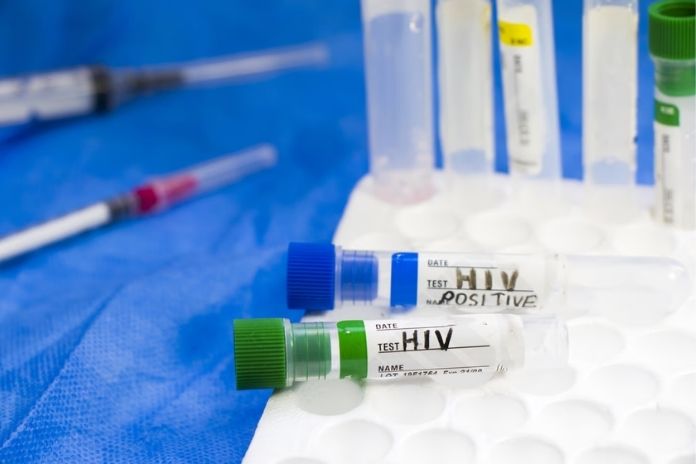
Research has linked BV to increased susceptibility to sexually transmitted infections. Following a BV diagnosis, women face a higher risk of acquiring HIV, gonorrhea, chlamydia, herpes simplex virus, and HPV. This higher BV STI risk is thought to result from the loss of protective Lactobacillus-dominated flora that normally helps defend against pathogens.
Pregnancy is another important factor. BV during pregnancy has been associated with preterm birth, low birth weight, and infections affecting maternal and fetal tissues.
BV is treatable; identifying and managing the condition can help reduce these risks.
For pregnant women, asymptomatic infection should not be dismissed simply because no symptoms are present. Clinical evaluation and treatment remain important.
When to See a Doctor — and What Happens Next (Including the 2025 Update)
You should see a GP, gynecologist, or sexual health clinic if you experience unusual discharge with a fishy odor; recurrent symptoms despite treatment; or symptoms during pregnancy, or if you are planning a gynecological procedure such as IUD insertion.
Diagnosis usually involves a vaginal swab and may include vaginal pH testing. Modern molecular diagnostic tests are increasingly preferred because they offer greater accuracy than traditional microscopy in many settings.
Treatment is straightforward and highly effective. BV treatment with metronidazole remains a standard first-line option and may be prescribed as oral tablets or vaginal gel. Clindamycin vaginal cream is another commonly recommended treatment.
While men do not develop BV themselves, they may carry BV-associated bacteria and contribute to BV recurrence in some couples.
FAQs
Q. Can you have BV without symptoms?
Yes. This is one of the most commonly overlooked aspects of bacterial vaginosis. A significant proportion of people diagnosed with BV through testing have no discharge, odor, or discomfort. Asymptomatic BV can still increase STI susceptibility and pregnancy-related risks. It is often discovered incidentally during routine examinations or testing for unrelated concerns.
Q. How do I know if I have BV or thrush?
The most useful clues are odor and discharge characteristics. BV typically causes thin, grey, or white discharge with a fishy odor that may worsen after sex. Thrush causes thick white discharge with significant itching and soreness but little odor. Because symptoms can overlap, a vaginal swab is the most reliable way to distinguish between the two conditions.
Q. Is BV sexually transmitted?
BV is associated with sexual activity but is not classified as a traditional sexually transmitted infection. It develops because of disruption within the vaginal microbiome rather than transmission of a single pathogen. However, research suggests partner factors may influence recurrence.
A 2025 study found that treating male partners reduced recurrence of BV rates, supporting the possibility that sexual transmission contributes to some cases. BV can also occur in women who have never been sexually active.
Conclusion
Bacterial vaginosis is extremely common, highly treatable, and frequently misunderstood. The two most important things to remember are that BV often causes a fishy odor with thin, grey-white discharge and that it can also occur with no symptoms at all.
Many people mistake BV for thrush because online information often conflates their symptoms. If you notice unusual discharge, odor, or recurrent symptoms, or are pregnant, seek testing rather than relying on self-diagnosis. When it comes to BV, a proper test provides the clearest answer.
References
- Centers for Disease Control and Prevention. (2024). Bacterial vaginosis (BV) – STI treatment guidelines.
- Muzny, C. A., Schwebke, J. R., Pathak, M., & others. (2020). An updated conceptual model on the pathogenesis of bacterial vaginosis. Journal of Infectious Diseases, 220(9), 1399–1405.
- Sethi, N., Narayanan, V., Saaid, R., Ahmad Adlan, A. S., Ngoi, S. T., Teh, C. S. J., Hamidi, M., & WHOW Research Group. (2025). Prevalence, risk factors, and adverse outcomes of bacterial vaginosis among pregnant women: A systematic review. BMC Pregnancy and Childbirth, 25, Article 40.
- Velmahos, A. H., Cooley Demidkina, B., & Mitchell, C. M. (2025). Comparison of bacterial vaginosis symptoms reported in social media vs. those reported by patients. Frontiers in Reproductive Health, 7, Article 1549331.
- World Health Organization. (2025, July 10). Bacterial vaginosis.
- Bradshaw, C. S., Brotman, R. M., Tabrizi, S. N., Fairley, C. K., & Sobel, J. D. (2016). Bacterial vaginosis: A review of approaches to treatment and prevention. Sexually Transmitted Infections, 102(3), 195–200.
In this Article