


















You’re three months postpartum, waking up drenched in sweat at 2 a.m., snapping at your partner over nothing, and wincing every time intimacy enters the conversation. A well-meaning relative mentions menopause. You’re 31. Something doesn’t add up, except that it actually does.
The connection between breastfeeding and menopause isn’t a coincidence. Nursing mothers frequently experience hot flashes, vaginal dryness, mood swings, low libido, and brain fog, symptoms that look and feel strikingly similar to what women go through during the menopausal transition.
The underlying cause isn’t the same, but the hormonal mechanism driving both is: low estrogen. Understanding why this happens, how long it lasts, and when to call a doctor can make the early months of motherhood feel considerably less alarming.
- Breastfeeding can cause menopause-like symptoms such as hot flashes, vaginal dryness, mood swings, brain fog, and low libido because prolactin suppresses estrogen during lactation.
- These symptoms are usually temporary and tend to improve as breastfeeding frequency decreases, estrogen levels recover, and menstrual cycles return.
- While common during nursing, persistent symptoms after weaning may signal another condition, such as premature ovarian insufficiency, thyroid dysfunction, postpartum depression, or iron deficiency.
- Managing symptoms through hydration, sleep, nutrition, lubricants for vaginal dryness, stress reduction, and medical support can improve comfort and quality of life during the postpartum period.
Why Breastfeeding Can Cause Menopause-Like Symptoms
How Hormone Levels Change After Childbirth
During pregnancy, estrogen and progesterone reach the highest levels they’ll ever be. In the first 24 to 48 hours after delivery, both hormones plummet sharply back toward pre-pregnancy baselines, one of the most dramatic hormonal shifts the human body undergoes outside of menopause itself.
At the same time, prolactin surges. This hormone, produced by the pituitary gland, is responsible for initiating and sustaining milk production. Its rise is the body’s way of redirecting hormonal resources toward lactation. The problem is that prolactin is, in part, an estrogen suppressor. The two exist in an inverse relationship: the higher the prolactin, the lower the estrogen.
The Role of Low Estrogen During Breastfeeding
This is where the overlap with menopause becomes physiologically clear. Menopause is defined by persistently low estrogen due to declining ovarian function. During exclusive breastfeeding, estrogen levels remain low for a different reason: the body actively suppresses them to avoid interfering with prolactin and, in turn, milk supply.
A review published in Nutrients (2024) noted that the postpartum period involves significant alterations in steroid and peptide hormones, with cascading effects on mood, sleep, and physical symptoms. Clinicians have begun using the term “Genitourinary Syndrome of Lactation” (GSL) to describe the cluster of symptoms caused specifically by lactation-related estrogen suppression, a term that distinguishes it from its menopausal counterpart while acknowledging the shared mechanism.
Dr. Sarah E. Hill, PhD, an evolutionary psychologist and hormone researcher at Texas Christian University, describes the overlap plainly: both the postpartum and menopausal states “involve big hormonal shifts, especially drops in estrogen and progesterone, which can mess with mood, sleep, and energy.” The same hormones, suppressed by different biological events, produce a strikingly similar symptom profile.
Why These Symptoms Are Usually Temporary
Breastfeeding-related hormonal suppression is tied directly to nursing frequency. The more frequently a baby feeds, especially during exclusive breastfeeding, the higher and more sustained the prolactin response, and the lower the estrogen tends to remain. As nursing frequency decreases, typically when solids are introduced or when supplementing with formula begins, prolactin starts to drop, and estrogen gradually recovers.
For most women, menstrual cycles return within weeks to a few months after weaning, signaling an estrogen rebound. The symptoms generally resolve with it.
Common Symptoms Nursing Moms May Experience

Hot Flashes and Night Sweats During Breastfeeding
Hot flashes aren’t exclusive to women in their 50s. Nursing mothers commonly report sudden waves of heat, particularly at night, driven by the same estrogen-depletion mechanism that causes vasomotor symptoms in menopausal women. Body temperature regulation depends heavily on estrogen, which modulates the hypothalamus’s thermostat. When estrogen is low, that thermostat becomes less stable, leading to unpredictable heat surges.
Night sweats during breastfeeding are especially common in the first weeks postpartum, when hormone withdrawal is most acute and prolactin levels are at their peak. Many mothers assume they’re signs of illness. Usually, they’re not.
Vaginal Dryness and Discomfort
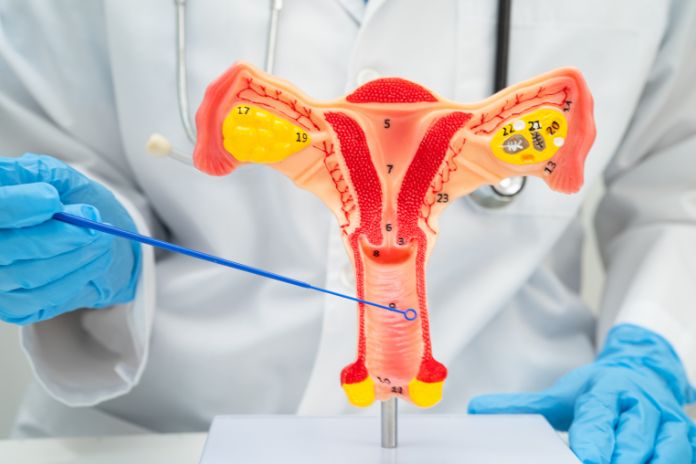
Estrogen plays a direct role in maintaining the thickness, elasticity, and lubrication of vaginal tissue. According to the Cleveland Clinic, vaginal dryness is a well-established consequence of decreased estrogen, whether caused by menopause, breastfeeding, or certain medications.
A research analysis on vaginal estrogen in postpartum women found that breastfeeding mothers were 2.89 times more likely to report painful intercourse at six months postpartum compared to women who were not nursing. The condition, sometimes called vulvovaginal atrophy, affects pelvic comfort, sexual function, and quality of life, and many women don’t bring it up with their doctor simply because they don’t realize it’s a treatable hormonal symptom.
Read More: Foods to Eat During Your Period for Hormonal Balance
Mood Changes, Irritability, and Emotional Sensitivity
Postpartum mood changes are almost universal, but attributing them entirely to sleep deprivation misses part of the picture. Estrogen modulates serotonin and dopamine, two neurotransmitters that regulate mood, emotional resilience, and stress response. When estrogen drops sharply after delivery and remains suppressed, the neurochemical environment shifts.
A completed NIH study that examined the endocrine model of postpartum mood disorders found that women with sensitivity to gonadal steroid fluctuations experienced measurable mood disturbances in response to the same hormonal shifts that occur after delivery. The research underscores that postpartum mood symptoms have a biological substrate, not just a situational one.
That said, distinguishing between normal hormonal adjustment and clinically significant postpartum depression (PPD) matters. Baby blues typically resolve within 10 days to two weeks. PPD is more persistent, more intense, and interferes with functioning. About 7% of postpartum women develop PPD, according to the Office on Women’s Health.
Lower Libido and Changes in Sexual Health
Reduced sexual desire during breastfeeding is so common it’s practically the rule, not the exception. Low estrogen decreases genital sensation and lubrication. Prolactin itself has a libido-suppressing effect. Add to that the physical demands of newborn care, disrupted sleep, and body image shifts, and it’s clear why sexual interest often drops considerably in the months after delivery.
This is a normal physiological response, not a relationship problem, though it can feel like one. Open communication with a partner and, when needed, a conversation with a healthcare provider can help navigate the adjustment.
Brain Fog, Fatigue, and Sleep Disruption
New mothers famously don’t sleep. But hormonal changes compound the cognitive toll. Estrogen affects working memory, concentration, and cognitive processing speed. Its sudden postpartum withdrawal can contribute to the mental haziness many nursing mothers describe, forgetting words mid-sentence, struggling to track conversations, and feeling mentally sluggish in a way sleep alone doesn’t explain.
A longitudinal study published in the International Journal of Environmental Research and Public Health (2022) found a significant association between exclusive breastfeeding duration and postpartum anxiety, which was in turn connected to sleep quality. The relationship between hormones, sleep, and cognitive function in nursing mothers is bidirectional and underappreciated.
Read More: Perimenopause: Symptoms to Watch and Lifestyle Strategies to Ease the Transition
Breastfeeding Symptoms vs. Early Menopause: How to Tell the Difference

Signs More Commonly Linked to Breastfeeding Hormones
The clearest indicator that symptoms are lactation-related rather than menopausal is their nursing relationship. If hot flashes, mood shifts, or vaginal dryness improve when nursing frequency decreases or resolve entirely after weaning, breastfeeding hormones were almost certainly the cause.
Absent or irregular periods during exclusive breastfeeding, a phenomenon called lactational amenorrhea, is another normal sign that ovulation remains suppressed. Most women experiencing breastfeeding-related hormonal symptoms are in their 20s or 30s, which makes true premature menopause statistically unlikely but not impossible.
Signs That May Warrant Medical Evaluation
If symptoms persist well beyond weaning, months, not weeks, and menstrual cycles don’t resume within three to six months of stopping breastfeeding, further evaluation is warranted. Women with a family history of premature ovarian insufficiency (POI), those who have undergone chemotherapy or radiation, or those with autoimmune conditions face a higher risk.
POI affects approximately 1% of women under age 40 and can mimic breastfeeding-related hormonal symptoms precisely. Severe worsening of symptoms during weaning, rather than gradual improvement, should also prompt a conversation with a clinician.
When Postpartum Symptoms Could Point to Another Condition
Thyroid dysfunction is frequently overlooked in the postpartum period. Postpartum thyroiditis, an autoimmune inflammation of the thyroid, affects up to 23% of new mothers and often goes undiagnosed.
According to a 2025 review in Acta Biochimica Polonica, hormonal-immune crosstalk in the postpartum period can contribute to thyroid dysregulation, depression, and fatigue in ways that overlap significantly with both hormonal symptoms and PPD.
Iron deficiency is another common culprit. Blood loss during delivery, combined with the nutritional demands of breastfeeding, leaves many postpartum women anemic. Fatigue, brain fog, low mood, and irritability attributed to hormone changes may, in some cases, be substantially worsened by iron deficiency. A straightforward blood panel can identify both thyroid dysfunction and anemia.
How Long Do Hormonal Symptoms Last While Breastfeeding?
The duration of breastfeeding-related hormonal symptoms depends largely on nursing frequency. Women who exclusively breastfeed tend to maintain higher prolactin levels and lower estrogen levels, while introducing solids, supplementing feeds, or reducing nursing sessions often allows hormones to gradually rebalance. Some mothers notice symptoms improving by four to six months postpartum, even before weaning.
For most women, symptoms begin to resolve within weeks to months after weaning as prolactin declines and estrogen levels recover. The return of menstrual cycles, often within two to three months after weaning, is a sign that normal hormonal function has resumed.
Recovery timelines vary widely. Factors such as sleep quality, nutrition, stress, thyroid health, and individual hormone sensitivity can all influence how quickly symptoms improve. Some women may also experience a temporary worsening of mood during weaning before hormone levels stabilize.
Ways to Manage Menopause-Like Symptoms While Nursing
Staying Comfortable During Hot Flashes and Night Sweats
Hydration is particularly important, as both breastfeeding and thermoregulatory instability increase fluid demands. Mothers dealing with night sweats benefit from lightweight, breathable sleepwear (natural fibers like cotton or bamboo tend to help), a cooler sleep environment, and a fan near the bed. Keeping a cold glass of water at the bedside addresses both hydration and the immediate discomfort of heat surges.
During the day, layering clothing for easy removal and avoiding known triggers, such as caffeine, spicy food, and alcohol, can reduce hot flash frequency. While alcohol is already incompatible with breastfeeding in significant amounts, even small quantities can worsen vasomotor symptoms.
Managing Vaginal Dryness Safely While Breastfeeding
Lubricants and vaginal moisturizers are the first-line approach for breastfeeding-related vaginal dryness. Water-based lubricants are safe for use with breastfeeding, condom-compatible, and effective for discomfort during intercourse. Non-hormonal vaginal moisturizers, applied regularly (not just during sex), help maintain tissue moisture over time. Products containing hyaluronic acid have shown benefit in clinical settings.
Topical vaginal estrogen, applied locally and absorbed minimally into systemic circulation, is an option some clinicians offer to breastfeeding mothers with significant symptoms. The evidence base remains limited, specifically in lactating women, which is why discussing this option individually with a healthcare provider matters. Decisions about topical estrogen during nursing should involve a conversation about personal symptom severity and breastfeeding goals.
Supporting Mood, Sleep, and Energy Levels
Sleep, however fragmented, is the most important modifiable variable in postpartum hormonal health. Prioritizing rest in whatever ways are realistically available (sleep shifts with a partner, daytime naps when the baby sleeps) has downstream benefits for mood, immune function, and hormonal recovery.
Nutrition matters too. Breastfeeding increases caloric needs by roughly 330 to 400 calories per day, and deficiencies in iron, vitamin D, and omega-3 fatty acids can each independently worsen fatigue and mood. A postpartum-appropriate multivitamin and dietary attention to iron-rich foods, oily fish, and leafy greens support both lactation and hormonal health.
Emotional support, from a partner, family member, postpartum doula, or therapist, is not optional. Isolation amplifies every hormonal symptom, particularly mood-related ones.
Dr. Jolene Brighten, NMD, a hormone specialist at Dr. Brighten Integrative Medicine, writes that the postpartum period represents a genuinely demanding time for hormonal health: “Supporting your body with a high-quality prenatal vitamin can help” navigate the demands of lactation on nutrient reserves and hormone production.
Safe Exercise and Stress Management Approaches
Gentle movement, walking, postnatal yoga, and light stretching support hormonal balance through endorphin release, improved circulation, and cortisol regulation. High-intensity exercise too early postpartum can elevate cortisol and further suppress already-low estrogen; a gradual return to activity guided by how the body feels is more appropriate than pushing for pre-pregnancy fitness quickly.
Mindfulness practices, breath-focused relaxation, and even brief periods of deliberate quiet during a busy day can meaningfully reduce cortisol burden. Lowering cortisol supports the hypothalamic-pituitary axis in restoring hormonal rhythm over time.
Read More: 8 Perimenopause Health Mistakes Many Women Don’t Realize They’re Making
When to Talk to a Healthcare Provider
Some symptoms fall outside the range of normal postpartum adjustment and require prompt evaluation. These include persistent depression or anxiety that doesn’t lift, intrusive thoughts about harming yourself or your baby, heavy or abnormal bleeding, chest pain, or extreme fatigue that makes basic daily functioning difficult. These warrant urgent contact with a clinician, not a wait-and-see approach.
Signs of postpartum psychosis, which affects roughly 1 to 2 women per 1,000 after delivery, are a psychiatric emergency. Confusion, hallucinations, rapid mood cycling, and disorganized behavior in the first days or weeks after delivery require immediate medical attention.
When visiting your OB, midwife, or primary care provider, consider asking whether your specific combination of symptoms is expected based on your nursing frequency and hormonal labs, what non-hormonal and hormonal options are available and compatible with continued nursing, and whether thyroid function and iron levels have been checked recently. A TSH, CBC with ferritin, and estradiol level can clarify a great deal about what’s driving symptoms.
No two postpartum experiences are identical. A woman’s prior hormonal sensitivity, delivery history, breastfeeding patterns, sleep environment, nutritional status, and mental health background all shape the texture of her hormonal recovery. A symptom that’s mild and barely noticeable for one mother may be disruptive and distressing for another, and both responses are valid.
The shift away from treating the postpartum period as a brief inconvenience toward recognizing it as a distinct physiological phase deserving of medical attention is ongoing. Advocating clearly for your own care during this time isn’t excessive; it’s appropriate.
Key Takeaway
The breastfeeding and menopause overlap is real, mechanistically coherent, and commonly experienced, but it’s not the same condition. Menopause is a permanent transition driven by ovarian aging. Lactation-related hormonal suppression is temporary, tied to nursing frequency, and in most cases resolves on its own as breastfeeding evolves or ends.
What they share is low estrogen, and that is enough to produce hot flashes, vaginal dryness, mood volatility, sleep disruption, and reduced libido that look virtually identical from the outside. Knowing that these symptoms have a biological basis, not a psychological one, not a personal failing, is itself meaningful.
If symptoms are severe, persistent, or affecting quality of life in significant ways, the answer isn’t simply waiting it out. Medical evaluation, targeted management, and individualized care are all appropriate and available. Postpartum recovery, including its hormonal dimensions, deserves the same medical attention as any other stage of a woman’s health.
References
- Brighten, J. (2023, updated 2024). How to balance hormones while breastfeeding. DrBrighten.com.
- Cleveland Clinic. (2026). Vaginal dryness.
- Davies, S. M., Todd-Leonida, B. F., Fallon, V. M., & Silverio, S. A. (2022). Exclusive breastfeeding duration and perceptions of infant sleep: The mediating role of postpartum anxiety. International Journal of Environmental Research and Public Health, 19(8), 4494.
- Dessì, A., Pianese, G., Mureddu, P., Fanos, V., & Bosco, A. (2024). From breastfeeding to support in mothers’ feeding choices: A key role in the prevention of postpartum depression? Nutrients, 16(14), 2285.
- Deshpande, N., & Sathyanarayana Rao, T. S. (2025). Psychological changes at menopause: Anxiety, mood swings, and sexual health in the biopsychosocial context. SAGE Journals.
- Khadilkar, S. (2026, February 26). The often-missed link between iron deficiency and maternal well-being. The Week.
- Kyvernitakis, I., et al. (2025). Effects of postpartum hormonal changes on the immune system and their role in recovery. Acta Biochimica Polonica, 72, 14241.
- LOLA. (2024). Understanding postpartum vaginal dryness.
- National Institutes of Health Clinical Center. (2025). The role of hormones in postpartum mood disorders [NCT00001481]. ClinicalTrials.gov.
- Office on Women’s Health. (2024). Postpartum depression. U.S. Department of Health and Human Services.
- Pan, S., & Hill, S. E. (2025). Is it postpartum or perimenopause? How to tell the difference. Parents / AOL Health.
- Vaginal Estrogen for Postpartum Atrophy, Perineal Pain, and Sexual Function. (n.d.). ClinicalTrials.gov [NCT03493126].
- The Vagina Whisperer. (2024). Breastfeeding dryness: How hormones affect your pelvic floor.
In this Article