


















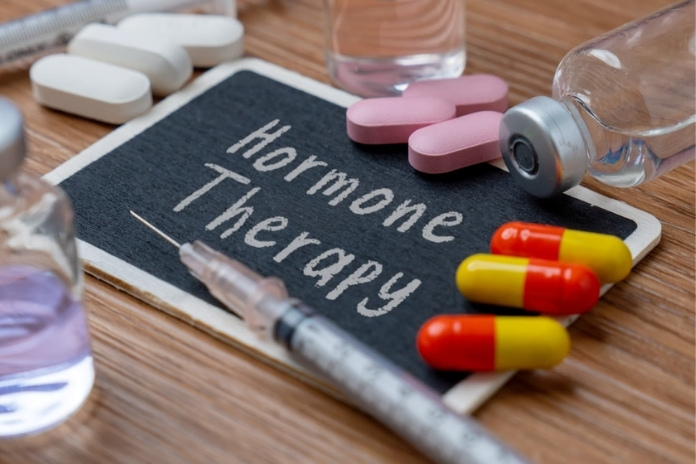
Hormone pellet therapy has become a popular option for people looking for long-lasting hormone treatment. These small pellets are placed under the skin and slowly release hormones such as estrogen or testosterone over several months. Many people like the convenience of not having to take medication every day.
However, there are also concerns about side effects, limited long-term research, and the inability to adjust the dose once the pellet is inserted. If you are dealing with menopause symptoms or low testosterone, it is important to understand the possible benefits and risks before deciding if hormone pellets are right for you.
- Hormone pellets provide long-acting estrogen or testosterone delivery through implants placed under the skin.
- They may improve menopause or low-testosterone symptoms and eliminate the need for daily dosing.
- Benefits must be weighed against side effects, insertion risks, limited long-term evidence, and difficulty adjusting to treatment after implantation.
Read More: Hormones, PCOS, and Hidradenitis Suppurativa: The Hidden Female Risk Factor No One Discusses
What Are Hormone Pellets and How Do They Work?

What Hormones Can Be Delivered Through Pellets?
Hormone pellets are tiny implants that slowly release hormones into the body. The most common types are estrogen pellets and testosterone pellets. Estrogen pellets are often used to help manage menopause symptoms. Testosterone pellets may be used for people who have low testosterone levels confirmed by a healthcare provider.
The goal of treatment depends on the hormone being used. Estrogen therapy may help with hot flashes, night sweats, and vaginal dryness. Testosterone therapy may help improve energy, mood, and sex drive in some people.
How Hormone Pellet Therapy Is Administered
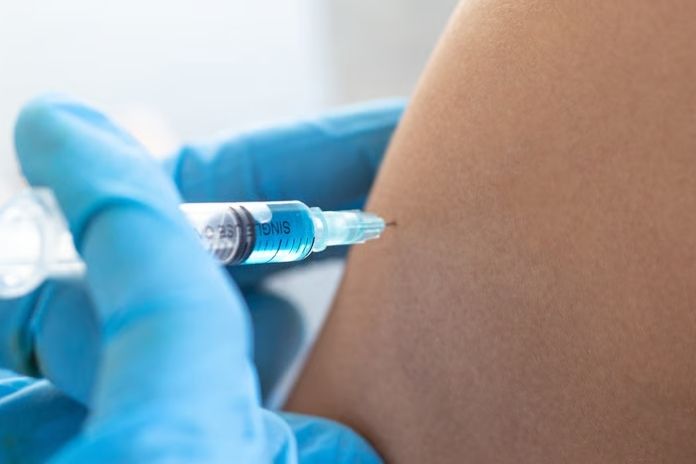
Hormone pellet insertion is usually done in a doctor’s office. The area is numbed with a local anesthetic, and a small cut is made, often near the hip or upper buttock. The pellet is then placed under the skin.
After insertion, the pellet slowly releases hormones into the bloodstream. Because of this steady release, patients do not need to take daily pills or apply creams and gels.
How Long Do Hormone Pellets Last?
Hormone pellets typically last between three and six months. The exact length of time can vary from person to person. Several factors can affect how quickly the hormones are released, including the type of hormone, the dose, metabolism, body size, and activity level. Regular follow-up visits help determine when another pellet may be needed.
Why People Consider Hormone Pellet Therapy
Managing Menopause Symptoms
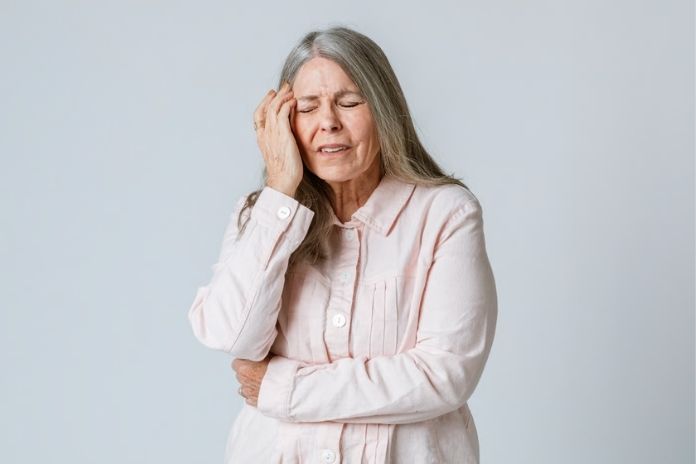
Many women choose hormone pellets to help manage menopause symptoms that affect daily life. These symptoms may include hot flashes, night sweats, trouble sleeping, mood changes, and vaginal dryness. For some women, estrogen therapy can reduce these symptoms and improve overall quality of life.
Addressing Low Testosterone Symptoms
Low testosterone can cause symptoms such as fatigue, low sex drive, low energy, and mood changes. Testosterone pellets are one treatment option for people who want a longer-lasting form of testosterone therapy. Because the pellets last for months, they may be appealing to people who do not want frequent injections or daily treatments.
Convenience Compared With Daily or Weekly Treatments
Convenience is one of the main reasons people choose hormone pellet therapy. Unlike pills, patches, creams, or injections, pellets do not require regular dosing. Once inserted, they continue working for months, which may make it easier for some people to stay on treatment.
What Does the Research Say About Hormone Pellets?
Areas Where Benefits May Be Observed
Some studies and patient reports suggest that hormone pellets may help relieve symptoms related to menopause or low testosterone. Because the hormones are released steadily, some people may experience fewer ups and downs in hormone levels.
Where the Evidence Remains Limited
Although hormone pellets are becoming more popular, there is still limited research compared with many FDA-approved hormone therapies. There is not enough long-term safety data in some areas, and studies comparing pellets directly with other hormone treatments are limited.
Why Medical Organizations Call for Individualized Decision-Making
Medical experts generally recommend a personalized approach to hormone therapy. What works well for one person may not be the best choice for another. Factors such as age, symptoms, medical history, and personal preferences should all be considered.
Read More: Estrogen, Progesterone, and Testosterone: What Every Woman Needs to Know About Her Own Hormones
Potential Benefits of Hormone Pellet Therapy
Consistent Hormone Delivery
One possible benefit of hormone pellets is steady hormone delivery. Instead of taking medication every day, the pellet releases hormones gradually over time. This may help reduce hormone level changes that can happen with some shorter-acting treatments.
Fewer Missed Doses
Because hormone pellets do not require daily use, there is less chance of forgetting a dose.
People who have trouble remembering medications may find this option easier and more convenient.
Symptom Improvement in Appropriate Candidates
Some patients experience relief from menopause symptoms, low libido, fatigue, and other symptoms linked to hormone imbalances. However, results vary from person to person. Some people notice significant improvement, while others may see only small changes or no improvement at all.
Risks and Side Effects of Hormone Pellets
Procedure-Related Risks
Hormone pellet insertion is a minor procedure, but it still carries some risks. Possible problems include bruising, soreness, bleeding, infection, and pellet extrusion, which happens when the pellet comes out through the skin.
Hormone-Related Side Effects
For estrogen therapy, side effects may include breast tenderness, headaches, mood changes, fluid retention, and abnormal bleeding. For testosterone therapy, side effects may include acne, oily skin, increased body hair growth, mood changes, and higher red blood cell counts. The risk of side effects may increase if hormone levels become too high.
Challenges When Side Effects Occur
One drawback of hormone pellets is that the dose cannot be easily changed after insertion.
With pills, patches, or creams, treatment can often be adjusted or stopped quickly. Pellets continue releasing hormones for weeks or months, which can make side effects harder to manage.
Hormone Pellets vs Other Hormone Replacement Therapy Options
Pellets vs Patches
Hormone patches allow doses to be adjusted more easily and can be stopped quickly if needed.
Pellets are more convenient because they last longer, but they offer less flexibility once inserted.
Pellets vs Pills
Hormone pills are widely used and supported by a large amount of research. Pills require daily use but allow easy dose changes. Pellets remove the need for daily medication but are harder to adjust.
Pellets vs Gels and Creams
Hormone gels and creams can be adjusted based on a person’s needs. However, they must be applied regularly, and absorption can vary. Pellets provide long-lasting treatment without daily application.
Which Option May Be Best for Different Patients?
The best hormone therapy depends on many factors, including lifestyle, symptoms, medical history, and treatment goals. There is no single option that works best for everyone. A healthcare provider can help determine the most appropriate choice.
What Doctors Consider Before Recommending Hormone Therapy
Personal Medical History
Doctors review a person’s medical history before recommending hormone therapy. Important factors include heart disease risk, blood clot history, liver disease, and certain types of cancer. These conditions may affect whether hormone therapy is safe.
Current Symptoms and Severity
Doctors also consider how much symptoms affect daily life. For example, severe hot flashes, poor sleep, or low energy may have a major impact on quality of life and influence treatment decisions.
Laboratory Testing and Clinical Evaluation
Hormone testing may be helpful in some situations, especially when evaluating low testosterone. However, test results should always be considered along with symptoms and a full medical evaluation.
Who May Be a Candidate for Hormone Pellet Therapy?
Situations Where Pellets May Be Considered
Hormone pellets may be an option for people who want long-lasting hormone delivery or who have difficulty keeping up with daily treatments. They may also be considered for people who have not done well with certain other hormone therapy options.
Situations Requiring Extra Caution
Extra care may be needed for people with a history of hormone-sensitive cancers, heart disease risk factors, pregnancy, plans to become pregnant, or complex hormone disorders. These situations often require careful evaluation and monitoring.
Questions to Ask Before Choosing Hormone Pellets
Is This Treatment FDA-Approved for My Condition?
Ask whether the hormone pellet being recommended is FDA-approved and how it compares with other available treatments.
What Are the Expected Benefits and Limitations?
Make sure you understand what benefits are realistic and what limitations the treatment may have.
How Will My Hormone Levels and Symptoms Be Monitored?
Ask how often follow-up visits will occur and whether hormone testing will be needed.
What Happens If I Experience Side Effects?
Because pellets cannot be easily removed or adjusted, it is important to know how side effects will be handled.
Are There Effective Alternatives I Should Consider?
Discuss other hormone therapy options so you can compare benefits, risks, and convenience.
Red Flags and Marketing Claims to Approach Carefully
Promises of Anti-Aging or Disease Prevention: Some clinics promote bioidentical hormone pellets as anti-aging treatments or ways to prevent disease. These claims are often not supported by strong scientific evidence.
Claims That Hormone Pellets Are Risk-Free: No hormone therapy is completely risk-free. Be cautious of any treatment that is advertised as having no risks or side effects.
One-Size-Fits-All Hormone Programs: Hormone treatment should be personalized. Programs that offer the same treatment plan to everyone may not take individual health needs and risk factors into account.
Read More: 10 Everyday Things That Are Secretly Messing With Your Hormones (According to Science)
Key Takeaway: Hormone Pellets May Help Some Patients, but They Are Not the Right Choice for Everyone
Hormone pellet therapy can be a convenient way to deliver estrogen or testosterone over several months. Some people may experience relief from menopause symptoms or low testosterone symptoms, and many appreciate not having to take medication every day.
However, hormone pellets also have risks, including side effects, procedure-related complications, and limited long-term research in some areas. Another important consideration is that the dose cannot be easily adjusted once the pellet is inserted. The best hormone therapy choice depends on your symptoms, medical history, personal preferences, and treatment goals.
References
- Winona. (n.d.). Pellets vs. creams: Which hormone replacement therapy option is right for you? Winona.
- Goldman Laboratories. (n.d.). HRT patches vs pills: Understanding the differences.
- Biskup, E., & colleagues. (2025).
- Office on Women’s Health. (n.d.). Menopause treatment. U.S. Department of Health and Human Services.
- Trocar Supplies. (n.d.). Insertion procedure. Trocar Supplies.
In this Article