

















The heart disease risk in men does not emerge suddenly; it develops gradually over time. However, for many men, the heart risk after 35 becomes more apparent as metabolism, lifestyle, and overall health gradually change.
Aspects such as high blood pressure in men, cholesterol fluctuations, increased weight, persistent stress, and diminished exercise begin to pile up, thereby elevating the risk of cardiovascular issues over the long term.
In this article, we will explore why men’s heart health changes after 35, the most important cardiovascular risk factors in men, early warning signs, essential screenings, and practical steps for the prevention of heart disease in men.
- Studies show men’s cardiovascular risks quietly accelerate after 35, often without any noticeable symptoms.
- Subtle cues like unexplained fatigue, regular lightheadedness, or persistent indigestion can be early indicators of heart strain.
- Prioritizing routine screenings (cholesterol, blood pressure) and getting 30 minutes of daily movement drastically slashes your long-term risk.
Read More: Valvular Heart Disease: Types, Symptoms, and When to Seek Treatment
Why Heart Disease Risk Increases in Men After 35
One of the most common health issues is cardiovascular disease, which can have major repercussions if discovered too late and frequently develops gradually over many years. According to scientific research, males are more likely than women to develop heart disease at younger ages.
A long-term U.S. study published in a leading international scientific journal found that men’s cardiovascular disease risk begins to diverge from women’s around the age of 35.
Over 5,000 people aged 18 to 30 were tracked for over 34 years as part of the study through routine health examinations. Long-term studies showed that cardiac disease can start considerably sooner than previously assumed.
Experts stress that beyond age 35, men’s risk of heart disease frequently increases without showing any symptoms.
In this time frame:
- Smoking
- Inconsistent and unhealthy eating patterns
- A sedentary way of living
- Elevated cholesterol and high pressure
It can have undetectable detrimental effects on the heart and vascular system.
Major Heart Disease Risk Factors Men Should Know
When it comes to heart health, men have particular difficulties. Several factors greatly increase the risk of heart disease. You can control or minimize certain dangers, while others require expert advice for effective care. The following are some significant heart disease risk factors:
High Cholesterol: High cholesterol causes plaque to accumulate in arterial walls. It lowers blood flow and raises the risk of stroke and heart disease.
High Blood Pressure: Long-term health problems can result from persistently high blood pressure, which puts stress on the arteries and organs like the kidneys, heart, and brain.
Stress and Anger: By raising blood pressure and releasing stress hormones that impede blood flow, high levels of stress, anger, or worry have a detrimental effect on men’s heart health.
Erectile Dysfunction: Because the penis’s tiny arteries are vulnerable to arterial damage, changes in erectile function may be an early indicator of heart disease.
Unhealthy Lifestyle: Heart disease risk factors, such as obesity and hypertension, are closely linked to bad behaviors like a high-fat diet, smoking, excessive alcohol use, and inactivity.
Early Warning Signs of Heart Problems in Men
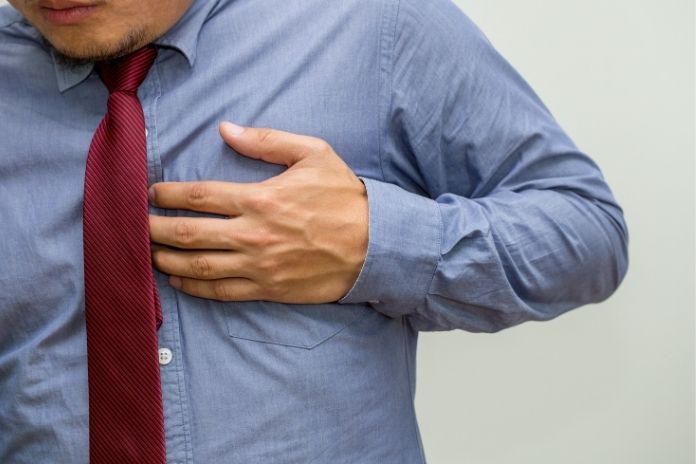
Early detection of cardiac problems requires awareness of your body and how it responds to various circumstances. Your life can be saved by identifying early warning indicators. If you encounter any of the following symptoms, consult your healthcare provider:
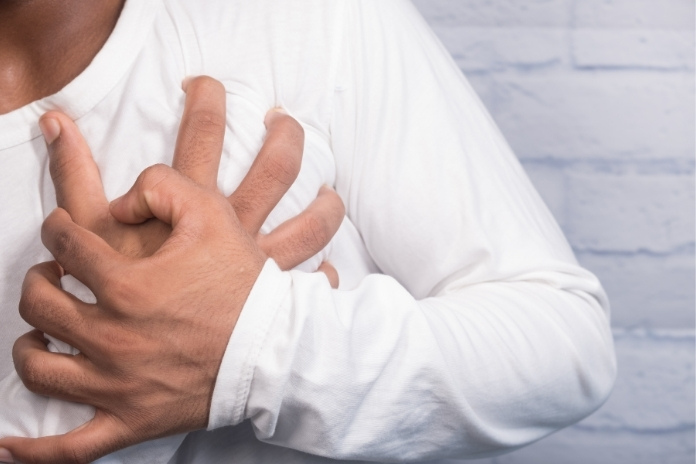
Chest Pain: If chest pain, tightness, or pressure persists for more than a few minutes, it may be a sign of a heart attack or blocked artery. It could happen while you’re exercising or relaxing.
Nausea or Stomach Pain: Not all symptoms, such as nausea, indigestion, or stomach discomfort, are caused by food. A heart attack may cause them to happen.
Spreading Arm Pain: Pain that radiates down the left arm and may expand to other areas is a classic warning sign. You need to treat this medically right now.
Frequent Lightheadedness: A cardiac condition requiring immediate medical attention may be indicated by feeling lightheaded or faint, losing your equilibrium, or having chest pressure or dyspnea.
Unexplained Fatigue: Your heart may not be functioning properly if you suddenly feel exhausted even after doing simple tasks like climbing stairs.
Chronic Cough: When fluid backs up in the lungs, heart failure may cause a persistent cough that produces white or pink mucus.
Irregular Heartbeat: When combined with chest pain or dizziness, racing or irregular heartbeats unrelated to emotions may be a warning sign.
Read More: What Is Myocarditis? Signs of Heart Inflammation and Treatment
The Health Screenings Men Should Start Taking Seriously After 35
The top screenings that all men ought to see are as follows:
For Heart Health: Cholesterol Screening: Blood contains cholesterol, which gives body cells their structure. However, having too much cholesterol increases your risk of stroke or heart disease. Make sure to have your levels checked every 5 years, beginning between the ages of 20 and 35 (depending on your risk level).
Colonoscopy for Colorectal Cancer: Colorectal malignancies impact the colon, rectum, and anus. You can find any problems by examining the condition of your colon. Doctors usually advise people with an average risk of colon cancer to get a colonoscopy every ten years starting at age 45.
Risk Assessment Test for Diabetes: Diabetes develops when the body’s capacity to metabolize sugar is compromised. Numerous health issues might result from consuming too much sugar. Doctors advise you to have a diabetes screening every three years starting at age 35.
For High Blood Pressure – Blood Pressure Measurement: Heart disease and stroke are only two of the major health problems that can result from untreated high blood pressure (hypertension). Make sure you have your blood pressure checked as often as your doctor suggests, or every few years.
Digital Rectal Exam/PSA Screening for Prostate Cancer: One of the most prevalent cancers in males is prostate cancer. One in eight men will have prostate cancer during some point in their lives. Generally speaking, a growing prostate might be an early indication of cancer. Consult your physician about the frequency of screenings if you are 40 years of age or older.
What Men Can Do Right Now to Lower Heart Disease Risk

Making little, daily decisions is the first step toward improving men’s heart health. Managing stress, eating a balanced diet, and exercising are important heart-healthy practices that can have a significant impact.
Give Up Smoking: Tobacco compounds harm your cardiovascular system, so stay away from smoking and indirect smoke.
Physical Activity: To reduce the risk of heart disease and promote overall health, aim for at least 30 minutes of exercise each day.
Select a Heart-Healthy Diet: To improve heart health, prioritize eating fruits, vegetables, whole grains, lean meats, and healthy fats.
Sleeping Well: To reduce the risk of heart disease and other health problems, make sure you get at least 7 hours of sleep every night.
Manage Stress: To lower stress and safeguard your heart, practice mindfulness or yoga.
Frequent Appointments: Regular medical examinations can help monitor and manage blood pressure, cholesterol, and heart health.
Best Foods for Supporting Men’s Heart Health
Here are some foods and nutrients that men should include in their daily diets and how they can help prevent some of the most dangerous illnesses that strike men:
Lean Meat: Protein has numerous benefits, but men often overindulge in it primarily for muscle growth and recovery. Selecting the right proteins is crucial to keeping a healthy lifestyle.
Meat is a great source of protein, but it’s crucial to stay away from meats that are high in saturated fat, such as fatty beef, lamb, and pork, as they can raise cholesterol and increase your risk of heart disease, which is the leading cause of death for men in the US, according to the Centers for Disease Control and Prevention (CDC).
Green Leafy Vegetables: Packed with vitamins and minerals, such as calcium, magnesium, vitamin C, vitamin K, and B vitamins, these vegetables can help lower the risk of heart disease, osteoporosis, mental decline, and high blood pressure (the CDC reports that a higher percentage of men [47%] have high blood pressure than women [43%]).
Osteoporosis still affects men, although women are more likely to get it.
Fiber: Consuming a diet rich in fiber can help also lower blood sugar and cholesterol levels. Additionally, fiber helps you maintain a healthy weight by prolonging feelings of fullness.
Vitamin D: It’s typical to be deficient in vitamin D. Although it is more difficult for elderly persons and those with darker skin to produce vitamin D from sunlight, sun exposure helps raise vitamin D levels.
Several studies link healthy vitamin D levels to a lower incidence of depression, heart disease, and multiple sclerosis. Because vitamin D helps regulate calcium and phosphorus levels, it also lowers the risk of osteoporosis.
“Optimizing your nutrition is essential to well-being. It is important to start as early as possible, but it is never too late to start,” says Erika Armetta, RD, LDN, a clinical dietitian specialist at Northwest Hospital, a LifeBridge Health center.
Read More: Men’s Heart Disease Risk Starts Accelerating at 35 — Here’s What a 34-Year Study Found
Exercise Habits That Support Long-Term Heart Health

Below are some advantages of various forms of exercise.
Aerobic Exercise: By increasing circulation, aerobic exercise lowers heart rate and blood pressure. Additionally, it improves your cardiac output (the efficiency with which your heart pumps blood) and your total aerobic fitness as determined, for instance, by a treadmill test.
Resistance Training (Strength Work): The impact of resistance training on body composition is more focused. It can help people lose fat and gain leaner muscle mass if they have a lot of body fat, notably a large belly, which is a risk factor for heart disease.
Stretching, Flexibility, and Balance: What they do: Flexibility exercises like stretching do not directly impact heart health. They improve musculoskeletal health, allowing you to maintain flexibility and avoid joint pain, cramping, and other muscular problems. Maintaining resistance training and aerobic activity needs this flexibility.
Stress, Burnout, and Men’s Cardiovascular Health
Cardiovascular disease is adversely affected by chronic stress in the following ways:
- Raising the blood pressure
- Interfering with sleep
- Causing abnormalities in hormones
Mental health also directly impacts men’s heart health. Anxiety and depression are linked to higher heart disease risk in men.
Useful Stress-Reduction Practices:
- Meditation and mindfulness
- Regular physical activity
- Strong social connections
- Adequate rest
When Men Should Talk to a Doctor About Heart Health

Consult a doctor if you encounter:
- Persistent high blood pressure in men
- Early heart disease runs in the family
- Symptoms when engaging in an activity
- Concerns about cholesterol, weight, or diabetes
Early consultation enhances results and promotes heart disease prevention for men.
Read More: Is Excessive Yawning a Sign of a Heart Attack? Causes, Warning Signs & When to Seek Help
Conclusion
Subtle changes in daily routines, metabolism, and lifestyle after age 35 can have a significant impact on men’s heart health over the long term. Even though these threats could develop covertly, they are mostly avoidable with the correct knowledge and persistent effort.
Making sustainable lifestyle changes, prioritizing routine screenings, and being aware of early warning signals can all help protect your heart.
You can significantly reduce your heart disease risk in men by taking simple kinds of measures, including maintaining physical activity, eating a balanced diet, managing stress, and improving sleep. Small, healthy decisions made daily often have the biggest long-term effects; perfection is not the key.
FAQs
Is heart disease common in men under 40?
Indeed, particularly when it comes to unhealthy lifestyle choices, the risk of early onset increases due to growing obesity and lack of physical activity.
What is the biggest heart risk factor for men?
High blood pressure and high cholesterol are leading contributors to heart disease risk in men.
Can exercise reverse heart disease risk?
Exercise can significantly reduce risk by improving blood pressure, weight, and metabolism.
How often should men get cholesterol checked?
In every 4 to 6 years, or more frequently if risk factors are present.
Does stress increase heart attack risk?
Yes. Chronic stress strongly impacts stress and heart health, increasing heart attack risk.
References
- Ben Schamisso. (January 27, 2026). Men’s heart attack risk climbs by mid-30s, years before women.
- Biruni University Hospital. (2026, February 24). Why does the risk of heart disease increase earlier in men?
- Centers for Disease Control and Prevention. (2024, December 2). Heart disease risk factors.
- Johns Hopkins Medicine. 3 kinds of exercise that boost heart health.
- Helen Alexander. (6 March 2026). Best exercises for heart health.
In this Article