



















Have you ever had a tiny spot suddenly appear inside your mouth? It hurts far more than it should, making it difficult to eat or even talk. After a week of discomfort, you’re left wondering, “Is this a canker sore or a cold sore?”
Many people confuse the two, yet the difference between a canker sore and a cold sore is important because they have different causes, symptoms, and treatments. Cold sores respond to antiviral medicines, while canker sores require a completely different approach.
Fortunately, they’re usually easy to tell apart by location alone. Canker sores form inside the mouth, while cold sores appear on or around the lips. In this article, we’ll explain how to identify each type, what triggers them, the best treatment options, and simple ways to prevent future outbreaks.
- Canker sores form inside the mouth, while cold sores appear on or around the lips.
- Canker sores appear as white/yellow ulcers, whereas cold sores start as fluid-filled blisters.
- Cold sores are contagious, but canker sores are non-contagious.
- Antiviral drugs are used to treat cold sores; treatment for canker sores focuses on pain relief.
The Fastest Way to Tell Them Apart
When you’re staring at a painful sore, the quickest way to decide whether it’s a canker sore or cold sore comes down to two simple facts:
- If the sore is inside your mouth, such as in your cheeks, tongue, or inner lips, it’s almost always a canker sore. If it’s on or outside the lip, it’s a cold sore.
- If you felt a tingling or burning sensation before the sore appeared, that’s a cold sore. Canker sores, on the other hand, tend to appear suddenly without warning.
These quick checks save time and help you choose the right treatment. Cold sores need early antiviral care, while canker sores focus on pain relief.
To make it even easier to understand, here’s a side‑by‑side comparison:
Oral Health Advisor
Canker Sore vs. Cold Sore
| Feature | Canker Sore (Aphthous Ulcer) | Cold Sore (Herpes Simplex) |
|---|---|---|
| 📍 Location | Inside the mouth | On or around the lips |
| 🔍 Appearance | White/yellow coloured with a red ring | Fluid-filled blister that crusts |
| ⚠️ Warning Sign | None appears suddenly | Tingling/burning before sore |
| 🦠 Contagious | No | Yes |
| 🧬 Cause | Stress, deficiencies, and immune triggers | Herpes simplex virus |
| ⏳ Healing | 1 week to 1 month | 2 weeks |
| 🔄 Recurs in the same spot | Rare | Common |
| 💊 Treatment | Pain relief, topical applications | Antivirals, soothing creams |
Canker Sores—What They Are, What Causes Them, and What Doesn’t
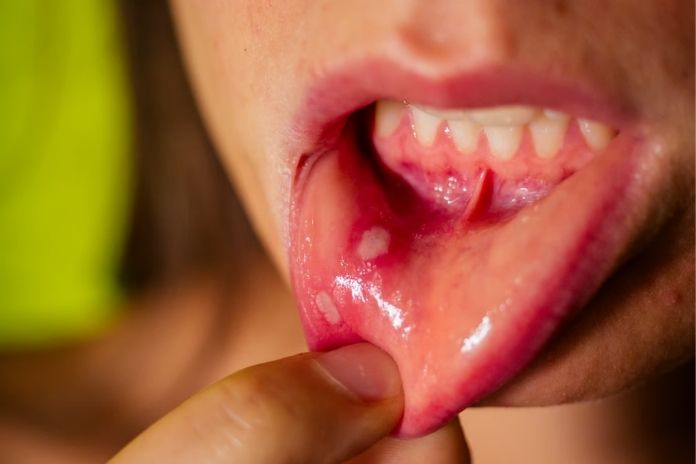
Canker sores (aphthous ulcers) are painful, non-contagious mouth ulcers that develop inside the mouth. These are white or yellow-colored ulcered areas with a red, inflamed border.
Canker sores are common. Research suggests that they affect an estimated 39% to 50% of the population during their lifetime. These are mainly seen in the 10-19 age group. Its prevalence is more common in females than in males.
Some people develop canker sores again after a few weeks, while others get them months or years later. Studies suggest the frequency of canker sores decreases with age.
Canker sores are more painful during the first 3-4 days. The pain gradually becomes less as the sore heals. Most of these sores heal on their own.
“As a dentist, I recommend that patients with canker sores should consume soft foods like curd and boiled vegetables, which are gentle on the mouth ulcers. They prevent irritation and make healing smoother,” says Dr. Treesa Jacob, dentist and health content writer.
Types of Canker Sores
Canker sores are divided into 3 types based on the size and number of ulcers.
- Minor canker sores
- Major canker sores
- Herpetiform canker sores
Minor canker sores
Minor canker sores are the most common type, making up about 80% of all mouth ulcers.
While they’re small, usually less than one centimeter, they can feel surprisingly painful. They tend to show up as round or oval spots with a red ring, often on the inside of your lips, cheeks, or even under the tongue.
If you’ve ever had one, you know how much they can sting when eating or talking, but they’re harmless and heal on their own within a week or so, without leaving any scars.
Major canker sores
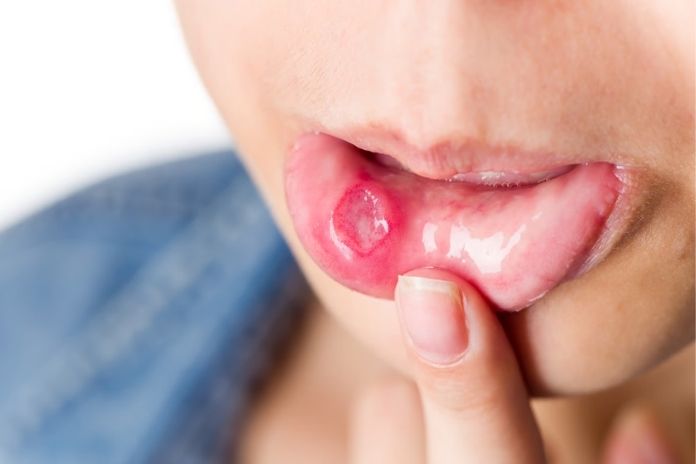
Major canker sores are the severe type of mouth ulcers and account for 10% to 15% of canker sores.
They’re painful and can remain for weeks, sometimes for more than a month. Unlike the small ulcers that heal quickly, these are large, over 1 centimeter. They often appear in clusters of one to three on sensitive spots like the lips, throat, or back part of the roof of your mouth (soft palate).
They can leave behind scars once they finally heal. Even though they’re not harmful, they tend to stick around for quite a while.
Herpetiform canker sores
Herpetiform canker sores are not caused by the herpes virus. Despite their name, they are unrelated to herpes infection. The similarity lies only in their appearance, which can resemble herpes lesions.
These tiny ulcers are very small yet painful, and they often cluster together, merging into larger, irregularly shaped sores. They usually heal on their own within 1 to 2 weeks (7 to 14 days) and don’t leave scars.
These are the least common type, think of them as the “rare visitors” among canker sores, unpleasant while they’re around, but thankfully don’t leave any scars behind.
What are the Causes of Canker Sores?
The exact cause of canker sores is unknown. The contributing factors can be:
- Nutrient deficiencies such as vitamin B12, folic acid, and ferritin
- Tissue injury inside the mouth due to dental procedures or a sharp tooth
- Nonsteroidal anti-inflammatory drugs such as ibuprofen
- Citrus fruits such as lemons, oranges, pineapples, and strawberries
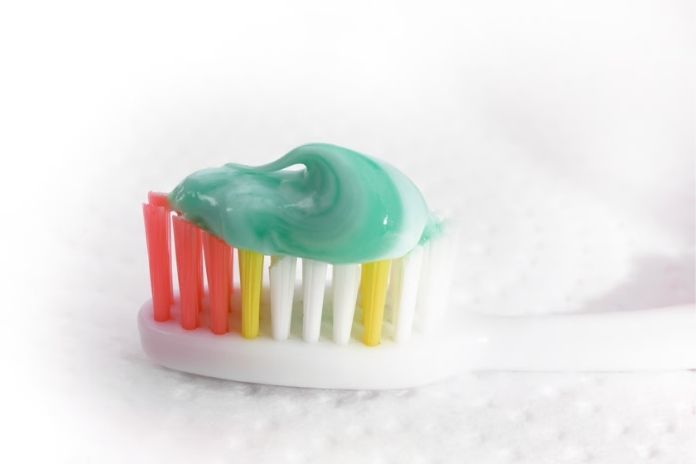
- Sodium lauryl sulfate, a cleansing agent found in some toothpastes
- Helicobacter pylori, a bacteria associated with peptic ulcers
- Stress
- Immune-related reactions
- Genetic factors
Canker sores are also more common in patients with certain medical conditions such as Celiac disease, Behcet disease, inflammatory bowel disease, including ulcerative colitis and Crohn’s disease, iron deficiency anemia, and AIDS.
Read More: Does Cryotherapy (Ice Chips) Help Chemo Mouth Sores? Evidence Explained
When canker sores keep coming back
Recurrent aphthous stomatitis (RAS) is the medical term for frequent reoccurrence of canker sores. If you’re getting these mouth ulcers more than three times a year, it’s worth investigating the reason.
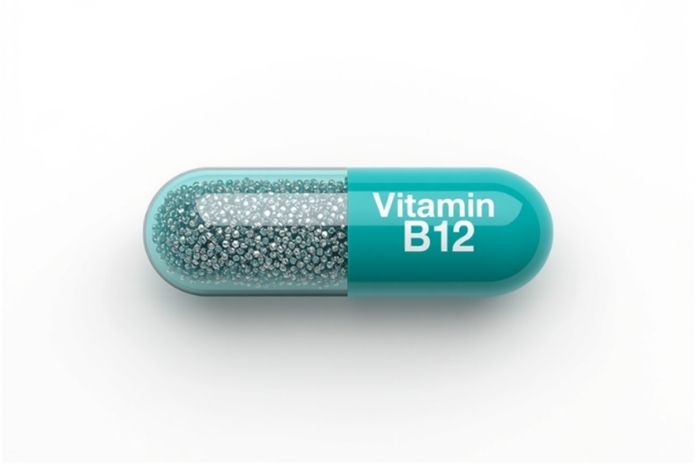
Research shows that vitamin B12 supplementation can significantly reduce the frequency of these outbreaks.
Another simple step is switching to an SLS‑free toothpaste (such as Sensodyne ProNamel or Biotene) for a few months, since sodium lauryl sulfate can irritate oral tissues.
Sometimes, frequent sores are linked to systemic conditions such as coeliac disease, inflammatory bowel disease, or Behçet’s syndrome
A routine blood test that checks B12, folate, iron, ferritin, and zinc can help identify hidden deficiencies or underlying causes.
How to Treat a Canker Sore
The treatment of canker sores primarily focuses on relieving pain, as they usually heal on their own within 1–2 weeks.
Over‑the‑counter options like benzocaine gels or patches can numb the sore, while a diluted hydrogen peroxide swab, saltwater rinse, or even a dab of milk of magnesia may soothe irritation.
For more stubborn sores, doctors may prescribe amlexanox 5% paste (Aphthasol), topical corticosteroids, or a chlorhexidine mouth rinse.
Dentists sometimes use Debacterol or even laser therapy to speed healing. Debacterol is a liquid that chemically seals a canker sore, cleans away damaged tissue, and provides fast pain relief.
In severe, recurrent cases, medications such as colchicine or dapsone may be considered. While healing, it’s best to avoid citrus, acidic, or spicy foods that can sting.
It’s important to know that antiviral medicines don’t relieve canker sores. In fact, a medical study tested acyclovir (a common antiviral) and found no benefit. That’s because canker sores aren’t caused by viruses.
Cold Sores — What They Are, How HSV-1 Works, When You’re Contagious
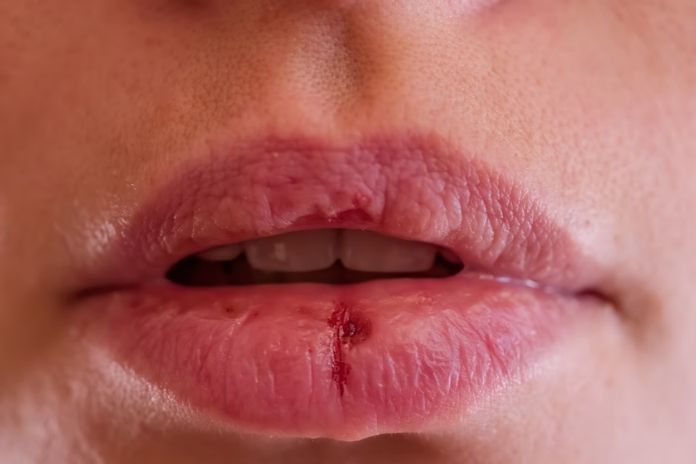
Cold sores, often called oral herpes, are something many people deal with, especially on or around the lips, and they are contagious.
These are viral infections caused by herpes simplex virus type 1 (HSV-1), characterized by tiny, fluid-filled blisters that can be sore and uncomfortable.
What makes them tricky is that this virus hides inside your nerve cells, called the trigeminal ganglia, and goes quiet for a while. When reactivated, a cold sore tends to pop up in the same spot as before, usually near your lips. In fact, most people contract this virus during their childhood.
The HSV-1 lifecycle and outbreak stages

There is no cure for cold sores, and they recur periodically, but there are ways to treat the symptoms and prevent new outbreaks. They usually clear up on their own within 2 weeks, leaving no scars.
Common triggers for cold sores include:
- Stress
- UV/sunlight
- Illness
- Fatigue
- Hormonal changes
5 Stages of Cold Sores
Cold sores usually follow a clear pattern, progressing through five distinct stages before healing.
Infection Timeline
Stages of a Cold Sore
| Stage | Day | Features | Key Notes |
|---|---|---|---|
| 🛑 Prodrome | 1-2 | Tingling, itching, or burning around the lips | The most important stage for treatment, early action can reduce the severity |
| 🧼 Blister | 2-3 | Small fluid-filled blisters appear, often in clusters | Tender and noticeable blisters |
| 💥 Ulceration | 4-5 | Blisters break open, leaving shallow sores | Most contagious |
| 🍂 Crust | 5-8 | Sores dry out and form a yellowish or brownish crust | Skin feels tight or itchy as healing begins |
| 🌱 Healing | 8-14 | Scabs fall off, and the skin underneath repairs | Cold sores usually heal without scars |
When cold sores are contagious
Cold sores aren’t just contagious when the blisters are visible. In fact, the virus is most likely to spread during stages 2–4 (blister, ulceration, and crust).
Even without a sore, the herpes simplex virus can still shed. Studies show that adults with HSV‑1 can shed the virus roughly 1 in 4 days, about once a week, over the course of a month. This means the virus can spread even during everyday activities.
That’s why it’s important to take precautions when a sore is active—avoid close contact such as kissing (especially infants), don’t share cups or towels, wash your hands often, and never touch your eyes after handling a sore.
For newborns, the risk is especially serious, so anyone with an active cold sore should avoid kissing them.
Read More: Foods to Eat (and Avoid) When You Have Mouth Sores From Chemo
How to Treat a Cold Sore — Timing Is Everything

Treating a cold sore is all about timing.
The best time is the prodrome stage, when the first tingling or burning sensation begins before blisters appear. Starting an antiviral at this stage can sometimes stop the outbreak from fully developing or significantly reduce its severity and duration. Waiting until the crust stage makes treatment far less effective.
Among prescriptions, valacyclovir is the most effective: a single‑day regimen of 2 grams taken twice, 12 hours apart, is FDA‑approved and can shorten healing by about a day thanks to its superior absorption.
Acyclovir (oral or topical cream applied five times daily) and famciclovir offer similar benefits, though valacyclovir is generally preferred.
Over‑the‑counter docosanol 10% (Abreva) is the only FDA‑approved antiviral; if applied early, it may trim recovery by half a day. Prevention is often overlooked—using an SPF 30+ lip balm before sun exposure can block one of the most common triggers.
For people with frequent recurrences (six or more per year), daily suppressive therapy with valacyclovir or acyclovir can cut outbreaks by 70–80%.
A practical tip: ask your doctor for a prescription in advance and keep it at home, so you’re ready to act the moment that first tingle starts.
When It’s Hard to Tell — Three Confusing Scenarios

When it comes to mouth sores, some situations can be confusing and deserve closer attention.
Primary HSV‑1 gingivostomatitis is the very first infection with the herpes simplex virus. Unlike a typical cold sore, it can cause multiple painful ulcers inside the mouth, along with fever and swollen lymph nodes.
This presentation is more serious, especially in children or people with weakened immunity, and usually requires medical evaluation and antiviral treatment.
Another confusing scenario is a canker sore near the lip margin. Because of its location, it can be mistaken for a cold sore, but canker sores start as open ulcers rather than blisters. If tingling preceded the sore, that points more toward herpes.
Finally, any sore that lasts longer than three weeks should be checked by a doctor.
While most ulcers are harmless, in adults over 40 with a history of tobacco or alcohol use, a non‑healing sore can rarely signal oral cancer. Recognizing these edge cases helps ensure timely treatment.
Read More: The Best Mouthwashes for Chemo Mouth Sores (What Oncologists Recommend)
When to See a Doctor

Knowing when to see a doctor for mouth sores can make a big difference. For canker sores, medical attention is advisable if they’re unusually large (over 1 cm), haven’t healed after 3 weeks, keep recurring more than 3 times a year, or are associated with gastrointestinal symptoms such as diarrhea or abdominal pain.
Fever or rash alongside recurrent sores also warrants a check‑up.
For cold sores, see a doctor if you’d like a prescription, if outbreaks occur 6 or more times a year, or if the sores are spreading or appear near the eye—this is urgent.
Extra caution is needed if you’re immunocompromised or pregnant, especially if you have a new sore.
Immediate medical care is essential if a newborn is exposed to an active cold sore, if sores appear near or in the eyes, or if a child develops multiple mouth sores with fever during their first HSV‑1 infection. These scenarios can be serious and need prompt evaluation.
If sores are unusually large, very painful, or keep coming back, it’s important to see a doctor. Persistent sores need professional evaluation,” says Dr. Treesa Jacob
The Key Takeaway
To simplify, the easiest way to distinguish mouth sores is by location. Inside the mouth usually means a canker sore, while on or outside the lip points to a cold sore.
Treatment also differs for both. Antivirals work only for cold sores, and they’re most effective when started at the prodrome stage (the tingling before blisters). For recurrent canker sores, doctors often recommend checking bloodwork for B12 and folate, since deficiencies can play a role.
Any sore that hasn’t healed within three weeks should be evaluated by a healthcare professional to rule out more serious causes.
This information is for general education only and not a substitute for medical advice—always consult your doctor for personal guidance.
References
- https://www.ncbi.nlm.nih.gov/books/NBK546250/
- https://www.webmd.com/oral-health/canker-sores
- https://jamanetwork.com/journals/jama/fullarticle/2821665
- https://www.healthdirect.gov.au/cold-sores
- https://www.cochranelibrary.com/cdsr/doi/10.1002/14651858.CD010095.pub2/full
- https://openurl.ebsco.com/EPDB%3Agcd%3A1%3A18586177/detailv2
- https://www.proquest.com/openview/5c1c9895368a21f65e44f3341fd2b933/1
In this Article