












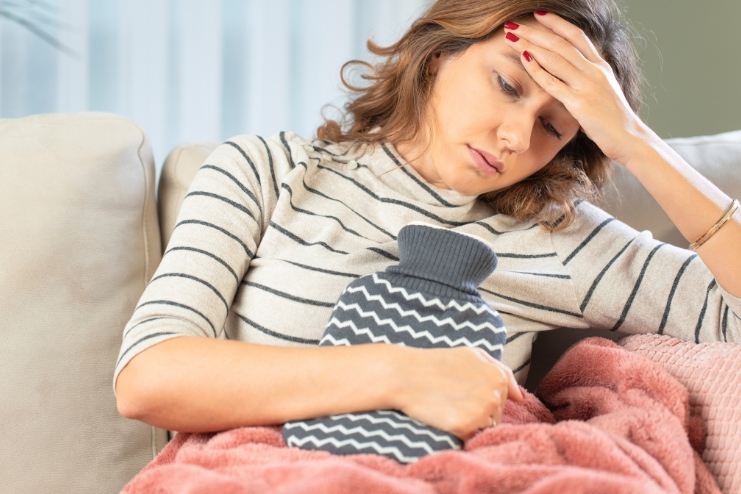
For many women, the days leading up to a period bring more than cramps and fatigue. Period headaches and menstrual migraines are tied closely to hormonal changes across the menstrual cycle, especially the sharp fall in estrogen that happens just before bleeding starts.
The pattern is consistent enough that international diagnostic criteria define a specific menstrual window, and headache specialists routinely look for cycle-linked timing when evaluating women with recurring headaches. Despite how common these attacks are, many women either dismiss them as ordinary period symptoms or do not connect them to the menstrual cycle at all.
This article explains why period headaches happen, how menstrual migraines differ from other headache types, which triggers tend to make them worse, and what treatment and prevention options are supported by current evidence. It also covers symptoms that warrant medical attention and the practical steps that can lower attack frequency over time.
- Period headaches and menstrual migraines are largely driven by the natural drop in estrogen that occurs before menstruation begins.
- Attacks tend to cluster from two days before bleeding through the first three days of the period and are often more severe.
- Common triggers that worsen menstrual migraines include poor sleep, skipped meals, stress, dehydration, and shifts in caffeine intake.
- Tracking symptoms, addressing triggers, and working with a clinician on acute or preventive treatment can meaningfully reduce attack frequency.
Read More: Magnesium Deficiency: The Silent Problem You Didn’t Know You Had
What Are Period Headaches and Menstrual Migraines?

A tension-type headache typically feels like a steady pressure or band around the head. A migraine is a neurological event with a distinct symptom pattern. It often involves throbbing pain on one side of the head, nausea, sensitivity to light and sound, and worsening with physical activity. Some people also experience aura, which refers to short-lived visual or sensory symptoms that occur before or during the headache.
A menstrual migraine is one that consistently occurs in a defined window around menstruation. International classification criteria define menstrual migraine as attacks occurring from two days before bleeding to three days after it starts, in at least two of three cycles.
As headache specialist Dr. Susan Hutchinson, founder of the Orange County Migraine and Headache Center, explains, the biggest trigger is the decline or drop in estrogen just before menses, and evening out that estrogen can make a difference for some women.
A population-based study by Vetvik, MacGregor, and colleagues found that roughly one in five women with migraine experienced menstrual migraine. A larger JAMA Network Open analysis by Al-Hassany and colleagues reported that 16.6% of women with migraine met criteria for menstrual migraine.
Why Period Headaches and Migraines Happen
Estrogen does not stay steady across the cycle. It rises and falls in predictable patterns, peaking around ovulation and dropping sharply in the days before bleeding. This late-luteal decline appears to be the central driver of menstrual migraine.
Dr. Hutchinson notes that menstrual migraine reflects sensitivity of the brain pain centers to normal changes in hormone levels, especially estrogen, making it qualitatively different from other migraines. The timing of attacks tracks the timing of the estrogen drop. Most women feel symptoms in the two days leading up to menstruation or during the first three days of bleeding.
Research suggests menstrual attacks tend to be longer and harder to treat compared with attacks at other times in the month. Hormones set the stage, but other inputs often determine whether an attack occurs. Common contributors include poor sleep, high stress, skipped meals, dehydration, and abrupt changes in caffeine intake.
Dr. Vincent Martin, director of the Headache and Facial Pain Center at the University of Cincinnati Gardner Neuroscience Institute, has noted that birth control pills can worsen headaches in some girls or women because estrogen levels plummet during the placebo week, which can trigger migraine attacks.
Common Symptoms of Menstrual Migraines
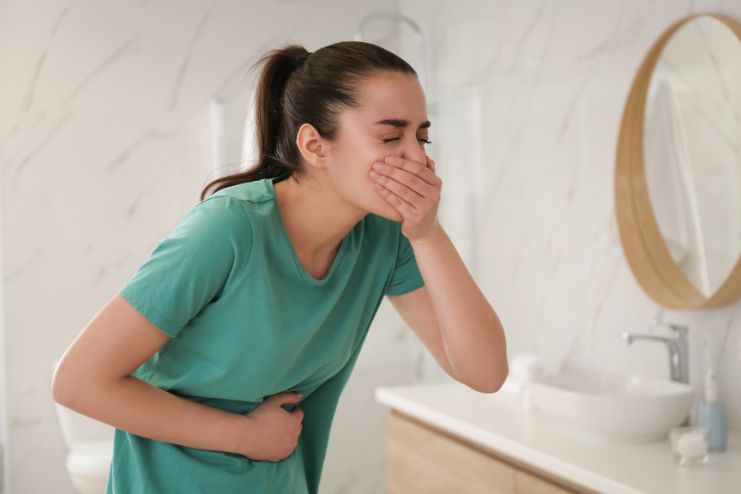
Pain is typically moderate to severe and often one-sided. It usually worsens with physical activity such as climbing stairs or bending forward. Some women describe the sensation as a heartbeat in the temple, while others report deep pressure behind one eye. Many women experience stomach upset, vomiting, photophobia, and phonophobia.
These symptoms often outlast the head pain itself and can make even mild daily activities feel unmanageable. Smells, particularly perfumes and food odors, can also become intensely unpleasant during an attack. Tiredness, difficulty concentrating, and a sense of mental cloudiness can appear before, during, and after the headache phase.
This post-attack period, sometimes called the postdrome or migraine hangover, can last a day or two and leave women feeling drained even after the pain has resolved. Aura involves transient neurological symptoms such as zigzag lines in vision, blind spots, tingling in the hand or face, or trouble finding words.
Aura typically lasts less than an hour and resolves before or during the headache. Pure menstrual migraine attacks are more often without aura, even in women who experience aura at other points in the cycle. Menstrual attacks tend to last longer, hit harder, and respond less reliably to standard treatment.
Dr. Jessica Ailani, director of the MedStar Georgetown Headache Center and professor of clinical neurology at Georgetown University School of Medicine, has emphasized that the first step in helping a woman with menstrual migraine is making a diagnosis, followed by prescribing treatment and identifying therapies patients are satisfied with and remain on.
When Period Headaches Usually Occur During the Cycle
The two days before bleeding are a common attack window. This corresponds with the steepest estrogen decline. Women who track carefully often find that their headaches begin within a predictable 24 to 48-hour window before bleeding starts. Attacks frequently extend into days one through three of menstruation, when estrogen is at its lowest.
The intensity may peak on day one or two of the period, then gradually ease as hormone levels begin to stabilize. A smaller subset of women experience headaches around ovulation, when estrogen peaks and progesterone begins to rise. These mid-cycle attacks are less common but follow the same underlying principle: rapid hormonal change rather than absolute hormone levels.
A headache diary or cycle-tracking app helps map symptoms against cycle phases. After two or three cycles, patterns often become clear, which supports diagnosis and treatment decisions. Even a simple paper log noting period start, headache days, and severity can be more useful than memory alone.
Menstrual Migraines vs. PMS Headaches
PMS headaches are usually milder and may feel more like tension-type pain. Menstrual migraines involve the full migraine symptom complex, including nausea and sensory sensitivity. The two can overlap in the same woman, which sometimes makes it hard to tell them apart without careful tracking.
Premenstrual syndrome involves a broader hormonal and neurochemical shift in the luteal phase. Some women report headaches as one of several PMS symptoms, alongside bloating, breast tenderness, and mood changes. In these cases, the headache is part of a wider pattern rather than the dominant complaint.
Not every headache during the perimenstrual window is hormonal. Dehydration, sleep loss, stress, and other factors can produce headaches that simply happen to coincide with the cycle. Tracking across several months helps separate cycle-driven attacks from coincidental ones.
Triggers That May Make Period Migraines Worse
Inconsistent sleep, late nights, and oversleeping on weekends can all destabilize the migraine threshold. Going to bed and waking at roughly the same times each day matters more than people realize. Even a single night of poor sleep in the days leading up to menstruation can be enough to tip a vulnerable brain into a full attack.
Stress hormones interact with the same pathways involved in migraine. The let-down after a stressful period is also a recognized trigger, which is why many women find migraines hitting on the first relaxed weekend after a hard work week. Cumulative stress that overlaps with the late luteal phase appears especially likely to provoke attacks.
Common dietary triggers include red wine, aged cheeses, processed meats with nitrates, and skipped meals. Triggers vary widely from person to person, so personal pattern recognition matters more than generic lists. Tracking food alongside headache symptoms in a diary helps reveal individual sensitivities without unnecessarily restricting the diet.
Combined oral contraceptives create an estrogen withdrawal window during the placebo week, which can provoke attacks in susceptible women. Continuous dosing schedules sometimes help. For women with migraine with aura, however, estrogen-containing contraception requires careful evaluation because of the associated stroke risk.
Heavy periods can deplete iron stores and contribute to fatigue, dizziness, and headaches. Iron deficiency without overt anemia is common in menstruating women and can amplify migraine burden. Treating underlying iron deficiency sometimes improves headache symptoms even when migraine itself is not directly caused by low iron.
How to Relieve Period Headaches and Migraines

A dark, quiet room, steady hydration, and avoiding screens during an attack can help. Lying down with a cold compress on the forehead or back of the neck often eases throbbing pain. Nonsteroidal anti-inflammatory drugs such as ibuprofen and naproxen can be effective if taken early in the attack.
Acetaminophen helps some people. Frequent use, more than two to three days per week, can lead to medication-overuse headache, which paradoxically worsens overall headache frequency. Triptans are prescription medications designed for acute migraine treatment.
A systematic review and meta-analysis published in The Journal of Headache and Pain by Hu and colleagues found that triptans, used as short-term prophylaxis around the perimenstrual window, reduced menstrual migraine attacks compared with placebo. Newer classes such as gepants are also being used in clinical practice. Dosing decisions belong to a treating clinician.
Cold therapy, slow breathing, progressive muscle relaxation, and biofeedback all have evidence for reducing acute migraine intensity in some people. Treating an attack at the first sign of pain, rather than waiting to see if it escalates, generally produces better results. Many headache specialists encourage women with predictable cycles to keep acute medication available in the perimenstrual window.
Read More: Headache Hacks: 6 Simple Breathing Exercises to Soothe Your Mind and Relieve Pain
Preventing Menstrual Migraines
A simple log of period start dates, headache days, severity, and possible triggers becomes a powerful diagnostic tool. Dr. Anne MacGregor, honorary professor at Barts and The London School of Medicine and Dentistry and a leading researcher on hormonal migraine, has explained that women have estrogen hormones that men don’t have to the same extent, and these hormones change.
Consistent sleep, regular meals, hydration, stress management, and routine physical activity all support migraine stability. None of these alone prevents menstrual migraine, but together they raise the threshold at which an attack begins.
For women with predictable, severe menstrual migraine, clinicians may consider continuous hormonal contraception to avoid the placebo-week estrogen withdrawal. Transdermal estrogen supplementation during the late luteal phase is another strategy.
Neither approach is appropriate for everyone, particularly women who have migraines with aura, given stroke risk considerations. When attacks occur more than a few days per month, daily preventive medications may be considered. Options include beta-blockers, certain antidepressants, anticonvulsants, CGRP antagonists, and onabotulinumtoxinA for chronic migraine.
Magnesium supplementation has supportive evidence as well. A randomized, placebo-controlled study by Facchinetti and colleagues published in Headache reported that magnesium prophylaxis reduced menstrual migraine and improved premenstrual complaints.
When Period Headaches Could Signal Something Else
A headache that comes on within seconds and feels like the worst of your life is a medical emergency. So is a headache after a head injury, or one accompanied by fever, stiff neck, or confusion.
A first-time migraine after age 40 is uncommon and warrants evaluation. Causes ranging from medication overuse to vascular conditions should be considered. Weakness on one side of the body, sudden vision loss, difficulty speaking, or confusion are not typical migraine symptoms. They need immediate medical attention to rule out stroke or other neurological emergencies.
Persistent fatigue, dizziness, pale skin, and headaches, combined with very heavy bleeding, suggest possible iron deficiency or anemia. Bloodwork can confirm the cause.
When to See a Healthcare Professional
Missing work, school, or family activities because of headache days is a clear signal to seek evaluation, even if individual attacks feel manageable. Using acute pain medication more than two or three days per week can lead to medication-overuse headaches. A clinician can help shift the approach toward prevention.
A noticeable change in headache character, frequency, or duration deserves attention. New aura, new severity, or new associated symptoms all warrant review. Women with migraine, particularly migraine with aura, should discuss contraception options with their clinician because of stroke risk considerations linked to estrogen-containing methods.
Read More: Can Heavy Periods Be a Sign of Something Serious?
Key Takeaway
Period headaches and menstrual migraines are real, often disabling, and closely tied to the estrogen drop that occurs before bleeding begins. Understanding the timing of your cycle, identifying personal triggers, and working with a clinician on acute and preventive strategies can meaningfully reduce attack frequency and impact over time.
Treatment for menstrual migraines has expanded substantially in recent years, with better acute medications, short-term preventive options, and newer drug classes available. The goal is not just to survive each cycle but to lower the overall headache burden and restore quality of life across the month.
If you have been managing period headaches and menstrual migraines on your own, consider tracking symptoms for two or three cycles and bringing that record to a primary care clinician, neurologist, or headache specialist. Pattern recognition, evidence-based treatment, and consistent self-care give most women meaningful relief from menstrual migraines over time.
Frequently Asked Questions
1. Why do I get a headache every month before my period?
The most likely reason is the natural drop in estrogen that occurs in the late luteal phase of your cycle. This decline can trigger menstrual migraines and other period headaches in women whose brains are sensitive to hormonal shifts.
2. How long do menstrual migraines usually last?
Menstrual migraine attacks often last longer than non-menstrual migraines, sometimes stretching across two to three days or more. They may also be more resistant to acute treatment.
3. Can birth control pills cause or worsen period headaches?
Combined oral contraceptives can worsen menstrual migraine in some women because of the estrogen drop during the placebo week. Continuous hormonal options or non-estrogen methods are sometimes considered alternatives.
4. Are menstrual migraines dangerous?
The attacks themselves are not life-threatening, but migraine with aura is associated with a small increase in stroke risk, especially when combined with estrogen-containing contraception and smoking. A clinician should help weigh these risks.
5. What is the best treatment for menstrual migraine?
There is no single best treatment. Options range from NSAIDs and triptans for acute attacks to short-term preventive triptans, hormonal strategies, magnesium, and daily preventive medications. The right plan depends on attack frequency, severity, and individual health factors.
6. Can lifestyle changes really prevent period migraines?
Lifestyle changes alone may not eliminate menstrual migraine, but consistent sleep, hydration, regular meals, stress management, and exercise can reduce attack frequency and severity for many women.
7. When should I see a doctor about period headaches?
Seek medical evaluation if headaches interfere with daily life, occur frequently, change in pattern, or are accompanied by neurological symptoms. New migraines after age 40 also deserve assessment.
References
- Al-Hassany, L., Boucherie, D. M., Creeney, H., van Drie, R. W. A., Farham, F., Favaretto, S., Gollion, C., Grangeon, L., Lyons, H., Marschollek, K., Onan, D., Onofri, A., Pellesi, L., Terhart, M., Verhagen, I. E., Verlinden, M., Vigneri, S., MaassenVanDenBrink, A., & Sacco, S. (2023). Population-based characterization of menstrual migraine and proposed diagnostic criteria. JAMA Network Open.
- American Migraine Foundation. (n.d.). Hysterectomy and migraine: What can you expect?
- Facchinetti, F., Sances, G., Borella, P., Genazzani, A. R., & Nappi, G. (1991). Magnesium prophylaxis of menstrual migraine: Effects on intracellular magnesium. Headache, 31(5), 298–301.
- Georgetown University Medical Center. (2024). A third of women experience migraines associated with menstruation. ScienceDaily.
- Hu, Y., Guan, X., Fan, L., & Jin, L. (2013). Triptans in prevention of menstrual migraine: A systematic review with meta-analysis. The Journal of Headache and Pain, 14, 7.
- Migraine World Summit. (2020). How can hormones cause migraine?
- National Migraine Centre. (n.d.). Hormones and migraine: Heads Up episode transcript.
- University of Cincinnati Health. (2020). Hormonal changes trigger migraines but there are treatments.
- Vetvik, K. G., MacGregor, E. A., Lundqvist, C., & Russell, M. B. (2014). Prevalence of menstrual migraine: A population-based study. Cephalalgia, 34(4), 280–288.
- American Migraine Foundation. (n.d.). Menstrual migraine treatment and prevention.
- Cleveland Clinic. (n.d.). Menstrual migraines (hormone headaches).
- Cloudnine Care. (n.d.). Headache during period: Causes and remedies.
- HelloClue. (n.d.). Headaches, migraines, and the menstrual cycle.
- Mayo Clinic. (n.d.). Headaches: Treatment depends on your diagnosis and symptoms.
- Migraine Trust. (n.d.). Menstrual migraine.
- National Headache Foundation. (n.d.). Menstrual migraine.
- Painful Periods. (n.d.). Understanding menstrual migraine and period headaches.
- Pavlović, J. M., Akcali, D., Bolay, H., Bernstein, C., Maleki, N., & others. (2021). Sex-related influences in migraine. The Journal of Headache and Pain, 22(1).
- UNM Health. (2025). Headaches and hormones.
In this Article