

















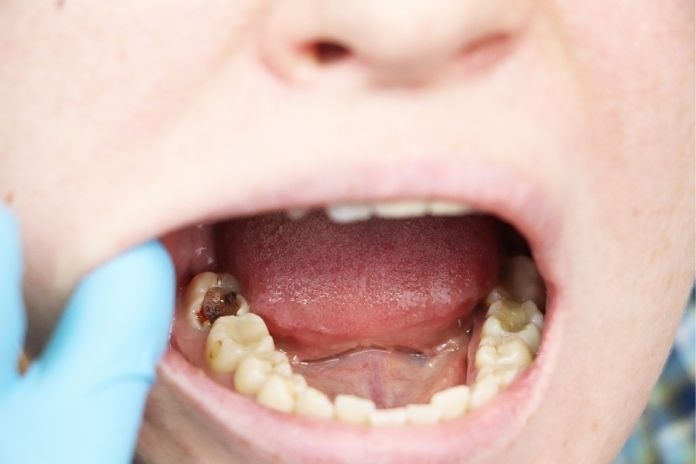
Cavities are the most common chronic disease on the planet, and almost every American adult will deal with one at some point. The frustrating part is that tooth decay rarely announces itself loudly until it has already done real damage. A tiny weak spot in the enamel can sit quietly for months or even years before turning into pain, infection, or a dental emergency that suddenly demands attention.
What starts as a simple buildup of plaque and bacteria can slowly erode the tooth’s protective layers, causing damage that becomes harder and more expensive to treat over time. Many people assume cavities are just small holes caused by eating sugar, but the reality is more complicated. Diet, oral hygiene habits, dry mouth, genetics, medications, acid reflux, smoking, and even stress can all influence how quickly decay develops.
Understanding the causes of cavities and their treatment, along with the stages decay progresses through, gives you a fighting chance to catch them early, reverse what you can, and avoid the bigger procedures that follow when small problems are ignored.
The earlier tooth decay is recognized, the more likely it is to be managed with simple, minimally invasive care rather than fillings, root canals, or tooth extractions.
- Cavities form when oral bacteria turn sugars into acids that dissolve enamel and create permanent holes in teeth.
- Tooth decay progresses through five recognizable stages, starting with white spots and ending in an abscess if left untreated.
- Early decay can be reversed with fluoride and better hygiene, but once a real hole opens, a dental visit is the only fix.
- Cavity symptoms range from sensitivity and discoloration to throbbing pain, though early decay often shows no signs at all.
What Are Cavities and How Do They Form?
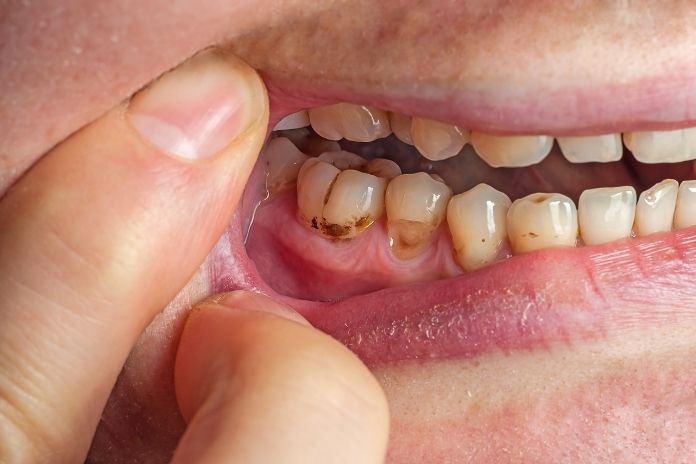
A cavity is a permanent hole in a tooth, created when acids slowly dissolve the mineral structure of enamel and the layers beneath it. The process is biological, not mechanical, and it happens quietly over weeks and months rather than overnight.
Role of Plaque, Bacteria, and Acids
Your mouth hosts hundreds of bacterial species, and a sticky film called plaque forms on teeth within hours of brushing. Certain species, especially Streptococcus mutans and Lactobacillus, ferment sugars and starches, releasing lactic acid as a byproduct. That acid is what attacks the tooth.
When plaque is left undisturbed, it thickens, hardens into tartar, and shelters bacteria from saliva’s natural cleansing effect. The longer the plaque sits, the more concentrated the acid attack on the tooth surface becomes.
“Bacteria and poor dental hygiene are the main culprits behind the development of cavities,” explains Dr. Anne Clemons, DMD, a dentist at Cleveland Clinic, who warns that without consistent brushing, those bacteria multiply unchecked and shift the mouth into an environment where decay thrives.
How Sugar and Diet Contribute to Tooth Decay
Sugar is the fuel that bacteria need to produce acid. Every time you eat or drink something containing fermentable carbohydrates, the pH in your mouth drops within minutes and remains acidic for about 20 to 30 minutes afterward.
Frequency matters more than total quantity. Sipping a sweetened drink throughout an entire afternoon keeps acid levels elevated for hours, whereas drinking the same amount in one sitting gives saliva time to recover. Hidden sugars in crackers, granola bars, sauces, and flavored yogurts contribute to this pattern, as does the slow drip of fermentable carbs from common snacks.
A 2022 cross-sectional study by Alosaimi and Bernabé in the International Journal of Environmental Research and Public Health found that both the amount and frequency of added sugar intake were independently associated with dental caries among U.S. adults, reinforcing the idea that grazing on sweets is uniquely damaging compared with occasional indulgence at mealtimes.
The Process of Enamel Breakdown (Demineralization)
Enamel is the hardest substance in the human body, but it dissolves at a pH below 5.5. When acid contacts enamel, calcium and phosphate ions leach out of the crystal lattice in a process called demineralization. If saliva and fluoride get a chance to work between meals, those minerals are redeposited, called remineralization, and the tooth heals itself.
When acid attacks outpace the rate of recovery, demineralization wins, and microscopic holes form just beneath the enamel surface. Once the surface collapses, you have a true cavity that the body cannot rebuild on its own.
Read More: Fluoride vs. Hydroxyapatite – Which Toothpaste Is Better?
The Stages of Tooth Decay
Tooth decay stages follow a predictable path. Catching the process early dramatically changes what treatment looks like and how much tooth is saved.
Stage 1: Early Enamel Damage (White Spots)
The first visible sign of trouble is a chalky white spot on the tooth surface, usually near the gumline or between teeth. This is demineralized enamel, not yet a hole. At this stage, the damage is genuinely reversible with fluoride exposure and improved hygiene.
Stage 2: Enamel Decay (Minor Cavities)
If the white spot is ignored, the enamel surface collapses, and a small cavity forms. Patients rarely feel anything yet because enamel has no nerve supply. Dentists usually catch these on routine X-rays or with a probe during cleanings.
Stage 3: Dentin Involvement (Increased Sensitivity)
Decay that breaches enamel reaches dentin, the softer, yellowish tissue beneath. Dentin contains tiny tubules connected to the nerve, so sensitivity to cold, heat, or sweets often kicks in here. Decay also moves faster through dentin than through enamel.
Stage 4: Pulp Damage (Pain and Infection)
Once decay reaches the pulp, the soft tissue housing the nerve and blood supply, things change quickly. The pulp becomes inflamed, then infected. Pain becomes spontaneous, throbbing, and sometimes severe enough to disrupt sleep.
Stage 5: Abscess Formation (Serious Complications)
An untreated infected pulp eventually dies and forms an abscess at the root tip. Pus collects in the surrounding bone, and the infection can spread to the jaw, face, or even the bloodstream. This stage is a medical concern, not just a dental one.
Read More: How Long Until a Tooth Infection Kills You?
Common Symptoms of Cavities

Cavity symptoms shift as decay progresses, and early signs of cavities are easy to miss because they often feel minor or come and go.
A sharp twinge when drinking ice water or biting into ice cream is one of the earliest warnings. Sensitivity to sweets is especially telling because sugar draws fluid through the dentin tubules and directly triggers the nerve.
As decay deepens, you may see brown, black, or grayish staining on the chewing surface or between teeth. A visible pit usually means the cavity is well past the reversible stage. Stains alone do not always confirm decay, but when combined with sensitivity or a rough texture, they strongly suggest that a dentist needs to take a look.
Pain that arrives without provocation, especially at night, points to more serious damage. The tooth may throb, ache, or feel pressure even when nothing is touching it.
Decaying tissue and trapped food in a cavity can produce persistent bad breath or a sour, metallic taste that does not improve with brushing.
This is the trap. Early decay seldom hurts, which is why people skip checkups and assume nothing is wrong. A cavity can grow silently for a year or more before producing a single symptom.
Can Cavities Be Reversed?
The honest answer is sometimes, and only in a narrow window.
Stage 1 demineralization, the white-spot lesion, can be reversed when fluoride is delivered consistently, and the dietary acid attacks are reduced. Fluoride exposure helps rebuild enamel into a stronger crystal form called fluorapatite, which resists future acid better than the original surface.
Once the enamel surface caves in and bacteria are physically inside the tooth, no amount of toothpaste, oil pulling, or diet change will close that hole. The body simply cannot regenerate lost tooth structure.
A landmark Cochrane systematic review by Walsh and colleagues, published in the Cochrane Database of Systematic Reviews in 2019, confirmed that fluoride toothpaste of at least 1,000 ppm meaningfully reduces caries development compared with non-fluoride toothpaste. The protective effect grows with concentration and consistent use.
“Seventy years of research proves that it prevents cavities,” said Dr. Edmond Hewlett, DDS, professor of restorative dentistry at the UCLA School of Dentistry and a consumer advisor spokesperson for the American Dental Association. He has noted that no other toothpaste ingredient has a comparable track record for cavity prevention.
How Dentists Diagnose Cavities
Diagnosis combines what the dentist can see and feel with imaging findings.
Dentists use bright lighting, magnification, and a fine explorer instrument to detect soft spots, discoloration, and surface breaks. A healthy enamel surface resists the probe; a softened or cavitated surface gives way.
Bitewing X-rays catch decay between teeth and under existing fillings, places that the eye cannot see. Most adults need bitewings every one to two years, depending on risk.
Newer tools, including laser fluorescence devices and intraoral cameras, help spot lesions before they are visible. The distinction matters because an early lesion may be monitored and remineralized, whereas a deeper one requires restoration.
Treatment Options for Cavities
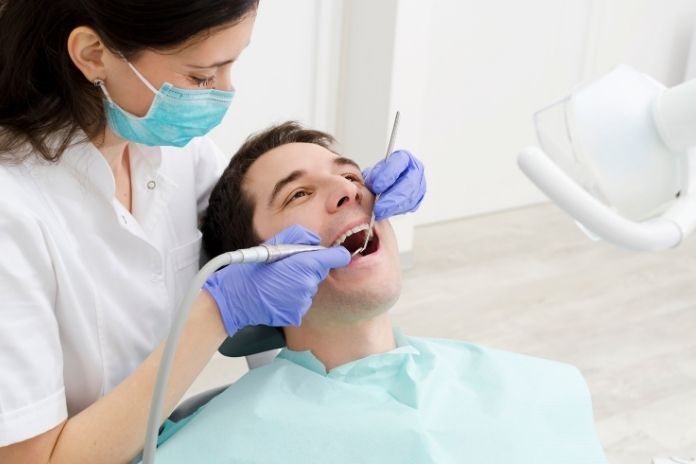
Cavity treatment options scale with the size and depth of the decay.
Fluoride Treatments for Early Decay
Professional fluoride varnish or gel applications can arrest and sometimes reverse early lesions. In recent years, silver diamine fluoride, a topical liquid, has emerged as a way to halt active decay without drilling.
“It stops the cavity from progressing,” noted Dr. Matthew Messina, DDS, clinic director at Ohio State Upper Arlington Dentistry and a longtime spokesperson for the American Dental Association, who described silver diamine fluoride as a useful addition to the cavity-fighting toolkit.
A 2017 systematic review and meta-analysis by Chibinski and colleagues in Caries Research found that silver diamine fluoride was 89 percent more effective than other treatments or placebo at controlling caries progression in primary teeth, with the evidence graded as high quality.
Dental Fillings (Most Common Treatment)
When a real cavity exists, the dentist removes the decayed tissue and fills the space with composite resin, glass ionomer, or sometimes amalgam. Modern tooth-colored fillings bond directly to the tooth, restoring function and appearance in a single visit.
Crowns for Extensive Damage
If decay or previous fillings have weakened the tooth too much, a crown covers and protects the remaining structure. Crowns are made from porcelain, ceramic, zirconia, or metal alloys, depending on the location and the bite forces involved.
Root Canal Therapy for Infected Pulp
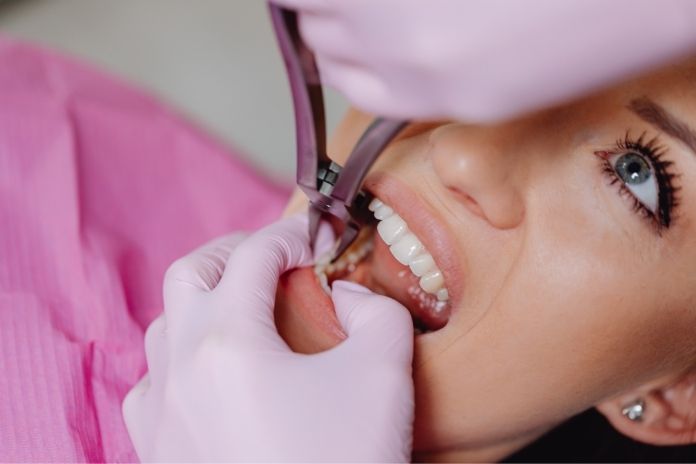
When decay reaches the pulp, the dentist or endodontist removes the infected tissue, cleans the canals, and seals them. The tooth is then restored with a filling or crown. The dental fillings vs root canal question really depends on how deep the decay went before treatment began.
Tooth Extraction in Severe Cases
When a tooth cannot be saved, extraction is the last option. Implants, bridges, or partial dentures restore function afterward.
The table below maps each treatment to its position in the decay progression.
Common Dental Treatments
| Treatment | When It Is Used | Typical Outcome |
|---|---|---|
| 🦷 Fluoride Varnish or Silver Diamine Fluoride (SDF) | White spot lesions or early active decay | Decay may be arrested or reversed |
| 🦷 Composite Filling | Small to moderate cavities affecting enamel and dentin | Full tooth function restored, often in a single visit |
| 👑 Crown | Large cavities, cracked teeth, or teeth treated with a root canal | The tooth is structurally reinforced and protected for years |
| 🩺 Root Canal | Infected or dying dental pulp | The tooth is preserved while the infection is removed |
| ❌ Extraction | Non-restorable decay or severe dental abscess | The tooth is removed, and replacement options are considered |
The right choice depends on how far decay has advanced, the tooth’s location, and the patient’s overall oral health. A dentist will usually walk through two or three reasonable options before committing to one.
What Happens If Cavities Are Left Untreated?
Cavities do not stall on their own. Once decay breaches the enamel, it keeps moving inward.
What begins as occasional sensitivity becomes a constant ache, then sharp pain triggered by chewing, then spontaneous pain that wakes you at night. By the time pain is constant, the pulp is usually involved.
An untreated abscess can rupture into surrounding bone and tissue. In rare but real cases, dental infections have spread to the sinuses, the bloodstream, or even the brain, requiring hospitalization.
Chronic oral infections are linked to higher risks of cardiovascular disease, poorly controlled diabetes, and pregnancy complications. The mouth is not isolated from the rest of the body.
A 2015 systematic review by Kassebaum and colleagues in the Journal of Dental Research estimated that untreated caries in permanent teeth affects roughly 2.4 billion people globally, ranking as the most prevalent condition assessed in the Global Burden of Disease study at that time.
How to Prevent Cavities Effectively
Tooth decay prevention tips are not glamorous, but they work when applied consistently.
Brush twice daily for two full minutes with a soft-bristled brush, angled at 45 degrees to the gumline. Floss once a day to clear plaque from between teeth, where brushes cannot reach. Electric toothbrushes with a timer help most people clean more thoroughly than they would by hand.
Limit sugar-sweetened drinks, hard candies that linger, and sticky sweets that cling to teeth. Drink water between meals to rinse acid off enamel.
Use a fluoride toothpaste with the ADA Seal of Acceptance. Professional fluoride varnish applications at checkups offer extra protection for people at higher risk.
Twice-yearly cleanings remove tartar that brushing cannot, and exams catch problems while they are still small.
“Most dental diseases are totally preventable,” said Dr. Mark Wolff, DDS, PhD, the Morton Amsterdam Dean and Professor in the Division of Restorative Dentistry at the University of Pennsylvania School of Dental Medicine, emphasizing that prevention and early detection make the real difference in outcomes.
Read More: 15 Common Tooth Brushing Mistakes We Aren’t Aware Of
When to See a Dentist
Some signs should not be ignored until the next routine visit.
Lingering sensitivity to cold, sweet, or pressure that does not fade within a day or two warrants an exam.
Even if nothing hurts, twice-yearly visits matter. Most early cavities are diagnosed in patients who feel completely fine.
Facial swelling, fever, severe pain, or pus drainage are emergencies. These signs suggest an abscess that may need same-day attention.
Read More: Why Does My Tooth Hurt? Your Guide to Sudden and Persistent Dental Pain
Key Takeaway
Cavities cause, and treatment come down to a simple chain: bacteria plus sugar create acid, acid dissolves enamel, and unaddressed decay grows until it reaches the deeper structures of the tooth. The problem is that this process usually unfolds slowly and quietly. By the time pain appears, the cavity has often already moved beyond the stage where it could have been reversed naturally.
That is why early detection matters so much. Catching decay during the white-spot stage gives you the best chance of stopping or even reversing the damage with fluoride, better oral hygiene, and dietary changes before a drill is ever needed. Once a physical hole forms in the tooth, however, the focus shifts from prevention to restoration.
At that point, the question is not whether treatment is necessary, but which treatment will preserve the tooth most effectively and for the longest time. The encouraging part is that cavities are largely preventable despite how common they are. Tooth decay is not simply about eating candy or forgetting to brush once in a while. It is usually the result of repeated daily habits that slowly tip the mouth into an acidic environment where enamel cannot recover.
Small choices made consistently matter far more than occasional perfect behavior. The most reliable defense remains the unglamorous combination of fluoride toothpaste, daily flossing, smart food timing, reducing constant snacking and sugary drinks, staying hydrated, and seeing a dentist regularly before symptoms appear. Those basic habits may not feel dramatic, but they are still the reason many people keep their natural teeth healthy for life.
References
- Alosaimi, N., & Bernabé, E. (2022). Amount and frequency of added sugars intake and their associations with dental caries in United States adults. International Journal of Environmental Research and Public Health, 19(8), 4511.
- American Dental Association. (2022, June 14). TikTok’s alternative soda trend could be tough on teeth.
- Centers for Disease Control and Prevention. (2024). Oral health conditions.
- Chibinski, A. C., Wambier, L. M., Feltrin, J., Loguercio, A. D., Wambier, D. S., & Reis, A. (2017). Silver diamine fluoride has efficacy in controlling caries progression in primary teeth: A systematic review and meta-analysis. Caries Research, 51(5), 527–541.
- Cleveland Clinic. (2023). Cavities (tooth decay): Symptoms, causes & treatment.
- Kassebaum, N. J., Bernabé, E., Dahiya, M., Bhandari, B., Murray, C. J. L., & Marcenes, W. (2015). Global burden of untreated caries: A systematic review and metaregression. Journal of Dental Research, 94(5), 650–658.
- Penn Dental Family Practice. (2025, January 23). Benefits of fluoride in water.
- TODAY. (2020, October 21). New dental treatment can stop tooth decay with one drop, no drilling required.
- Walsh, T., Worthington, H. V., Glenny, A. M., Marinho, V. C. C., & Jeroncic, A. (2019). Fluoride toothpastes of different concentrations for preventing dental caries. Cochrane Database of Systematic Reviews, 3(3), CD007868.
- World Health Organization. (2023). Oral health fact sheet.
- Cleveland Clinic. (n.d.). Cavities. Cleveland Clinic. Cleveland Clinic Cavities Article
- Mayo Clinic Staff. (n.d.). Cavities/tooth decay – Symptoms and causes. Mayo Clinic. Mayo Clinic Cavities Article
- Colgate. (n.d.). Watch Out for These Signs of a Cavity. Colgate Oral Care Center. Colgate Cavity Signs Article
- Absolute Dental. (n.d.). 7 Common Signs and Symptoms of a Tooth Cavity. Absolute Dental. Absolute Dental Cavity Symptoms Article
- Clove Dental. (n.d.). Cavities: Symptoms, Causes & Treatment. Clove Dental. Clove Dental Cavities Article
- Palm Beach Dentistry. (n.d.). 3 Early Warning Signs of a Cavity. Palm Beach Dentistry. Palm Beach Dentistry Cavity Warning Signs
- Rajan Dental. (n.d.). Common Symptoms of Tooth Decay. Rajan Dental. Rajan Dental Tooth Decay Symptoms
- Elite Dental Studio. (n.d.). Tooth Cavity: Symptoms, Causes and Treatments. Elite Dental Studio. Elite Dental Studio Tooth Cavity Article
- NHS Inform. (n.d.). Tooth decay. NHS Inform. NHS Inform Tooth Decay Article
- Sakra Premium Clinic. (n.d.). Dental Cavities in Adults: Symptoms and Treatment. Sakra Premium Clinic. Sakra Premium Clinic Dental Cavities Article
In this Article