




















Do all breast cancer patients need chemotherapy? Not anymore. Chemotherapy has been a major part of breast cancer treatment for decades, but treatment decisions today are much more personalized than they used to be. While surgery is still commonly needed, chemotherapy may be reduced or avoided completely for some patients.
Advances in precision medicine and genomic testing have changed how oncologists decide who needs chemotherapy. Instead of using the same treatment approach for everyone, doctors now look closely at tumor biology, receptor status, genomic profiling, and the patient’s overall situation.
For some breast cancer subtypes, treatment without chemotherapy is now a realistic option. Here is how those decisions are made.
- Not all breast cancer patients need chemotherapy. Treatment now depends on cancer subtype, stage, and genomic testing.
- Many patients with early-stage HR-positive, HER2-negative breast cancer can safely avoid chemo and use hormonal therapy alone.
- Chemotherapy is still important for higher-risk cancers like triple-negative and many HER2-positive breast cancers.
Read More: Lymphoma vs. Leukemia: How the Origin of Your Cancer Shapes Diagnosis, Symptoms, and Treatment
Why Not Every Breast Cancer Is Treated the Same Way
Breast cancer is not a single disease. It is a group of biologically different cancers that begin in breast tissue but behave differently and respond to different treatments. Treatment decisions depend on both the stage of the cancer and the tumor subtype.
Some patients may receive chemotherapy, while others may be treated with hormonal therapy, radiation therapy, targeted therapy, or a combination of these treatments.
The four major breast cancer subtypes are hormone receptor-positive and HER2-negative, hormone receptor-positive and HER2-positive, hormone receptor-negative and HER2-positive, and triple-negative breast cancer. Each subtype has its own treatment approach, and chemotherapy plays a different role in each one.
Understanding the subtype is the starting point for every treatment discussion. Chemotherapy can be extremely effective for cancers that respond well to it, but for other cancers, it may offer little benefit compared with other treatment options.
When Chemotherapy Can Be Safely Avoided — Hormone Receptor-Positive, HER2-Negative Early Breast Cancer

The group most likely to avoid chemotherapy includes women with early-stage, hormone receptor-positive, HER2-negative breast cancer. This is the most common breast cancer subtype overall.
Genomic testing has changed treatment decisions for this group. These tests analyze the tumor’s genetic activity and help predict both the risk of recurrence and whether chemotherapy is likely to provide meaningful benefit.
Two genomic tests are now widely used in breast cancer care: Oncotype DX and MammaPrint. Oncotype DX measures the activity of 21 genes and produces a recurrence score between 0 and 100.
MammaPrint uses a 70-gene signature to classify tumors as either low risk or high risk. These tests estimate how likely the cancer is to return over the next 10 years and help determine whether chemotherapy is necessary.
Large clinical trials changed practice in this area. The TAILORx trial for Oncotype DX and the MINDACT trial for MammaPrint showed that patients with low genomic risk scores had similar outcomes whether they received hormonal therapy alone or hormonal therapy combined with chemotherapy.
As a result, many women with low-risk HR-positive, HER2-negative early breast cancer can now safely avoid chemotherapy without affecting survival outcomes.
Hormonal therapy becomes the main treatment in this group. Medications such as aromatase inhibitors and tamoxifen are commonly used instead of chemotherapy and can effectively lower recurrence risk while avoiding many chemotherapy side effects.
When Chemotherapy Is Most Strongly Recommended
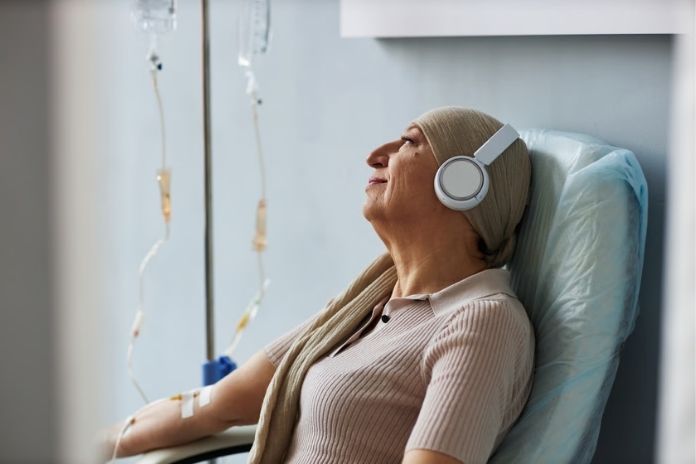
Although not all breast cancer needs chemo, some breast cancer subtypes still rely heavily on it as a central part of treatment. Triple-negative breast cancer is one of the clearest examples. This subtype lacks estrogen and progesterone receptors and does not overexpress HER2, so hormonal therapy and HER2-targeted drugs are ineffective against it.
Chemotherapy remains the primary systemic treatment and is commonly given before surgery and sometimes after surgery as well. Maintaining the planned chemotherapy intensity is especially important in triple-negative breast cancer.
Studies show that patients who receive at least 85% of the planned chemotherapy dose are more likely to eliminate the tumor and have better long-term outcomes.
HER2-positive breast cancer is treated differently because HER2-targeted therapies such as trastuzumab and pertuzumab are available. However, these drugs are usually given alongside chemotherapy rather than replacing it entirely because the treatments work better together.
Research such as the PHERGain study suggests that some carefully selected early HER2-positive patients who show a complete response on PET imaging may eventually avoid chemotherapy, but this is still an evolving strategy and not standard treatment.
Patients with hormone receptor-positive breast cancer who have lymph node involvement or high genomic risk scores are also more likely to benefit from chemotherapy. In these cases, chemotherapy is added alongside hormonal therapy because it can improve survival outcomes.
Read More: Think You’re Too Young for Cancer? 75% of Patients Thought So Too
Genomic Testing — the Tool That Changed Everything

One of the biggest changes in breast cancer treatment over the past decade has been the widespread use of genomic tumor testing. Before genomic testing became common, chemotherapy decisions were based mostly on tumor size, tumor grade, and lymph node involvement.
These factors helped estimate prognosis but could not accurately predict who would truly benefit from chemotherapy. Genomic testing added a new layer of information. Instead of looking only at how our tumor appears under the microscope, doctors can now examine how the tumor behaves biologically and how likely it is to respond to hormonal therapy alone.
This has dramatically changed treatment decisions. Some patients who previously would have automatically received chemotherapy are now identified as low risk through genomic testing and can safely avoid it. The goal is to use chemotherapy more precisely. Doctors want to offer it to patients who are likely to benefit while sparing others from unnecessary treatment and side effects.
Targeted Therapies—the Expanding Chemotherapy-Free Landscape
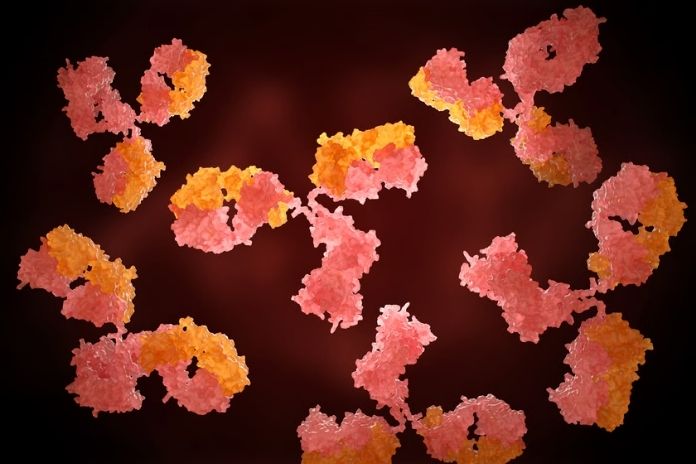
Newer targeted therapies are also helping reduce dependence on chemotherapy across several breast cancer subtypes. Antibody-drug conjugates such as trastuzumab deruxtecan and sacituzumab govitecan deliver chemotherapy directly to cancer cells using targeted antibodies. This approach helps reduce systemic toxicity compared with traditional chemotherapy.
Other newer treatment approaches include CDK4/6 inhibitors for hormone receptor-positive metastatic breast cancer, PARP inhibitors for BRCA1 and BRCA2 mutation carriers, and immunotherapy combined with reduced-chemotherapy regimens in triple-negative breast cancer.
The direction of breast cancer treatment is moving increasingly toward precision medicine, where treatment is matched closely to the biology of the tumor. The 2026 ESMO Breast Cancer scientific program reflects growing interest in chemotherapy-free treatment strategies for carefully selected patients.
How the Decision Is Made — What Patients Can Expect

Every chemotherapy decision is individualized. Doctors evaluate the pathology report, including hormone receptor status, HER2 status, and tumor grade, along with tumor size and lymph node involvement.
For patients with hormone receptor-positive, HER2-negative early breast cancer, genomic tests such as Oncotype DX and MammaPrint are now central to treatment planning. Doctors also consider the patient’s age, overall health, and personal preferences.
Treatment decisions are usually discussed in multidisciplinary team meetings involving specialists from different areas of oncology. Patient preferences also matter because chemotherapy decisions are based not only on tumor biology but also on what a patient feels able to manage physically and emotionally.
Read More: No More Needles: How Liquid Biopsies Are Transforming Advanced Cancer Monitoring
Conclusion
Chemotherapy is no longer automatically recommended for every breast cancer patient. For many people, especially those with early-stage hormone receptor-positive disease, chemotherapy can now be safely avoided without reducing survival outcomes.
The shift from anatomy-based treatment decisions to biology-based treatment decisions has changed breast cancer care. Genomic testing and targeted therapies now help oncologists identify which patients are most likely to benefit from chemotherapy and which patients may not need it at all.
For patients newly diagnosed with breast cancer, asking about genomic testing and understanding why chemotherapy is or is not being recommended is an important part of personalized cancer treatment.
FAQs
Q. What percentage of breast cancer patients need chemotherapy?
There is no single percentage because the answer depends entirely on the subtype and stage of the cancer. For early-stage HR-positive, HER2-negative breast cancer, genomic testing now shows that many patients can safely avoid chemotherapy and achieve similar outcomes with hormonal therapy alone. Triple-negative and HER2-positive breast cancers are more likely to require chemotherapy.
Q. Can early-stage breast cancer be treated without chemotherapy?
Yes. Many patients with early-stage hormone receptor-positive, HER2-negative breast cancer can be treated without chemotherapy when genomic testing shows a low recurrence risk. Large studies, including the TAILORx and MINDACT trials, showed that hormonal therapy alone produced outcomes similar to hormonal therapy combined with chemotherapy in low-risk patients.
Q. How do doctors decide if you need chemotherapy for breast cancer?
Doctors evaluate the cancer subtype, genomic testing results, tumor stage, lymph node involvement, and the patient’s overall health. For HR-positive, HER2-negative early breast cancer, genomic tests such as Oncotype DX and MammaPrint are now an important part of treatment planning. Patients are encouraged to ask their oncologist whether genomic testing may help guide treatment decisions.
References
- WebMD. (n.d.). What is genomic testing? WebMD
- Urano, F., & Wang, J. (2025). Breast cancer genomic profiling and precision oncology. In StatPearls. StatPearls Publishing. NCBI Bookshelf
- Cheasley, D., Li, N., Rowley, S. M., Elder, K., Mann, G. B., Loi, S., Savas, P., Goode, D. L., Kader, T., Zethoven, M., Semple, T., Fox, S. B., Pang, J.-M., Byrne, D., Devereux, L., Nickson, C., Procopio, P., Lee, G., Hughes, S., … Campbell, I. G. (2019). Molecular comparison of interval and screen-detected breast cancers. The Journal of Pathology, 248(2), 243–252.
- Akahane, T., Kanomata, N., Harada, O., Yamashita, T., Kurebayashi, J., Tanimoto, A., & Moriya, T. (2020). Targeted next-generation sequencing assays using triplet samples of normal breast tissue, primary breast cancer, and recurrent/metastatic lesions. BMC Cancer, 20, 944.
- van Geelen, C. T., Savas, P., Teo, Z. L., Luen, S. J., Weng, C.-F., Ko, Y.-A., Kuykhoven, K. S., Caramia, F., Salgado, R., Francis, P. A., Dawson, S.-J., Fox, S. B., Fellowes, A., & Loi, S. (2020). Clinical implications of prospective genomic profiling of metastatic breast cancer patients. Breast Cancer Research, 22, 91.
- Lal, A., Ramazzotti, D., Weng, Z., Liu, K., Ford, J. M., & Sidow, A. (2019). Comprehensive genomic characterization of breast tumors with BRCA1 and BRCA2 mutations. BMC Medical Genomics, 12, 84.
In this Article