


















Most people pick up meditation hoping to feel calmer at work or sleep better at night. Few sit down on the cushion thinking about their arteries. Yet a growing body of cardiology research suggests that the same practice that quiets a racing mind may also nudge the cardiovascular system in a healthier direction.
The connection between meditation and heart health has moved well beyond wellness culture and into mainstream medical journals. Cardiologists at Harvard, Cleveland Clinic, and the University of Minnesota are actively studying how a few quiet minutes a day might support blood pressure, stress recovery, and long-term cardiac risk.
This article walks through what the science currently supports, what it does not, which styles of meditation tend to show the strongest effects, and how to build a practical, doctor-friendly routine if you want to use meditation as one piece of a broader heart-health plan.
- Meditation may help lower mild blood pressure and improve stress recovery, but it does not replace cardiac medication or treatment.
- Mindfulness, breath-focused, and Transcendental Meditation styles have the most cardiovascular research behind them.
- Short, consistent daily sessions outperform occasional long ones for measurable heart-related benefits.
- Always talk with a clinician before relying on meditation for high blood pressure, chest pain, or known heart disease.
Read More: The Role of Meditation and Mindfulness in Hypertension Control
How Meditation May Affect Heart Health

The Stress-Heart Connection Explained
Chronic stress is not just a mood problem. When the body stays in fight-or-flight mode for weeks or months, cortisol and adrenaline drive up resting heart rate, raise blood pressure, and push the cardiovascular system into a state of constant low-grade alarm. Over time, this pattern accelerates plaque buildup, encourages inflammation, and stresses the inner lining of blood vessels.
The downstream effects reach far beyond the chest. Poor sleep, stress eating, skipped workouts, and increased smoking or drinking all tend to cluster around chronic stress, and each of those habits independently raises cardiac risk.
Cleveland Clinic cardiologist Dr. Dennis Bruemmer puts it plainly, explaining that stress “sparks your ‘fight-or-flight’ response, flooding your body with hormones like adrenaline and cortisol,” which is fine for a brief threat but corrosive when it never switches off.
The American Heart Association now lists psychological stress as a contributing factor for cardiovascular disease, and treating stress is increasingly considered part of standard prevention. That recognition has opened the door for non-drug strategies like meditation to enter cardiology conversations that were once reserved for medication and procedures alone.
How Meditation Influences the Nervous System
Meditation appears to work on the same circuitry that stress hijacks, only in reverse. Slow, attentive breathing and focused awareness shift the autonomic nervous system away from sympathetic dominance and toward parasympathetic activity, sometimes called the rest-and-digest state.
That shift is associated with slower breathing, a gentler heart rate, lower muscle tension, and a calmer baseline cortisol pattern. This is not theoretical.
A 2012 randomized trial in Circulation: Cardiovascular Quality and Outcomes followed 201 Black adults with coronary heart disease and found that the meditation group had a 48% lower risk of heart attack, stroke, and death over five years compared with health education controls. The effect appeared to be linked to lower blood pressure and reduced psychosocial stress.
Why Consistency Matters More Than Long Sessions
The research consistently rewards short daily practice over occasional hour-long sittings. Ten to twenty minutes most days of the week tends to produce better measurable changes in blood pressure and stress markers than a sporadic Saturday marathon session. Habits formed in small doses simply hold up better under real life.
Frequency also helps train the nervous system to find the calmer state faster. With repetition, the body starts to drop into a parasympathetic gear earlier in each session, which means the benefits accumulate even on busy days.
Science-Backed Benefits of Meditation for the Heart
May Help Lower Blood Pressure
The strongest cardiovascular case for meditation involves blood pressure. A 2020 meta-analysis published in Hypertension pooled randomized trials of mindfulness-based stress reduction and reported average drops of 6.64 mmHg systolic and 2.47 mmHg diastolic immediately after the program. Those numbers are modest but clinically meaningful, similar to what a single low-dose medication can deliver.
The effect tends to be largest in people with stress-driven or mild hypertension and smaller in those already on multiple blood pressure medications. Mindfulness practices can lower stress and control blood pressure by encouraging awareness and relaxation, which is why many cardiologists now mention it alongside diet, exercise, and sleep.
That said, meditation should sit beside prescribed treatment, not replace it. Anyone managing hypertension medications should keep them as directed and use meditation as additional support.
Can Reduce Stress and Anxiety
Meditation has its longest research track record in mental health, and that matters for the heart too. A 2014 systematic review in JAMA Internal Medicine by Goyal and colleagues found moderate evidence that mindfulness programs reduce anxiety, depression, and psychological stress, the same emotional states that drive blood pressure spikes and unhealthy coping.
When stress recovery improves, the rest of the cardiovascular picture often follows. Less reactivity at work, fewer arguments turning into hours of rumination, and quicker physiological recovery after upsetting events all translate into less wear on the heart over time.
May Improve Sleep Quality
Sleep is one of the most underrated cardiovascular variables. Short or fragmented sleep raises nighttime blood pressure, blunts the natural overnight dip, and worsens insulin resistance.
Mindfulness Meditation and Improvement in Sleep Quality and Daytime Impairment Among Older Adults, a 2015 randomized clinical trial in JAMA Internal Medicine, found that a six-week mindfulness program produced better sleep quality and less daytime fatigue than a structured sleep hygiene course.
Better sleep means better recovery, lower morning cortisol, and a heart that does not start each day in a deficit. That is one of the cleanest indirect pathways between meditation and cardiac wellness.
Could Support Heart-Healthy Behaviors
Meditation also seems to make other healthy habits stickier. People who meditate regularly often report eating more mindfully, exercising more consistently, and reaching less reflexively for cigarettes or alcohol during rough patches.
Mindful eating in particular tends to slow people down at the table, reduce emotional snacking, and improve portion awareness. Even a small shift in those daily decisions adds up to meaningful cardiovascular protection over the years.
Read More: Eating Slowly vs. Fast: How Eating Pace Affects Health and Weight
May Improve Heart Rate Variability
Heart rate variability, or HRV, is the tiny moment-to-moment variation in time between heartbeats. Higher HRV generally signals a flexible, resilient nervous system, while chronically low HRV is associated with worse cardiovascular outcomes. Several studies have shown that experienced meditators tend to have higher HRV, particularly during slow-breathing practice.
University of Minnesota cardiologist Dr. Prabhjot Nijjar, who has led studies on meditation and the heart, describes the underlying mechanism this way. His research suggests meditation “could boost the parasympathetic nervous system, which handles ‘rest and digest’ functions, and calm the sympathetic nervous system,” which is exactly the autonomic shift HRV measurements pick up.
Over months, that recalibration may help the heart respond more gracefully to everyday demands. Some long-term meditators also show favorable changes in inflammatory markers, which is relevant because chronic inflammation contributes to plaque formation and arterial stiffening. The HRV and inflammation findings together point to a plausible biological pathway from regular practice to lower cardiovascular risk.
What Meditation Cannot Do for Heart Disease
It Does Not Cure Blocked Arteries or Replace Medication
This is the important caveat. Meditation does not dissolve plaque, reverse advanced coronary artery disease, or substitute for statins, blood thinners, beta-blockers, or surgical intervention. The 2017 American Heart Association scientific statement on meditation concluded that while the practice may be a reasonable addition to standard care, it cannot stand alone as treatment for established heart disease.
The realistic frame is meditation as an inexpensive, low-risk adjunct. It supports the work that medications, lifestyle changes, and clinicians are already doing.
Results Vary From Person to Person
Individual response to meditation varies more than most wellness coverage suggests. Genetics, baseline stress level, sleep, body weight, fitness, and the severity of existing cardiac conditions all shape what someone can expect. Some people see modest blood pressure improvements within a few weeks; others need months of consistent practice; a few notice mostly mental rather than physical changes.
The variability is normal and not a sign that the practice is failing. Tracking blood pressure at home and keeping a brief stress journal can help separate real changes from day-to-day noise.
Best Types of Meditation for Heart Health
Mindfulness Meditation
Mindfulness meditation is the most studied form for cardiovascular outcomes. The instruction is straightforward: observe thoughts, breath, and body sensations without trying to change them or judge them. Many programs use the standardized eight-week Mindfulness-Based Stress Reduction (MBSR) format developed at the University of Massachusetts in 1979.
Loyola University Chicago researcher Karen Saban, PhD, RN, describes mindfulness as “really becoming aware of what you’re thinking, and accepting those thoughts and some of those physical sensations and emotions, without interpreting them and without judging.” That nonreactive awareness is what appears to dampen the stress response over time and gradually rewire the way the body handles daily pressures.
Breath-Focused Meditation
Slow, intentional breathing is the most direct lever for the parasympathetic nervous system. Practicing roughly six breaths per minute, with longer exhales than inhales, reliably lowers heart rate and increases vagal tone in laboratory studies. The technique is sometimes called resonance frequency breathing and is the foundation of most HRV biofeedback programs.
This style is especially useful for people who find silent sitting difficult. Anchoring attention to the breath gives the mind something concrete to track, which makes the practice easier to sustain on stressful days when thoughts feel especially noisy.
Loving-Kindness or Compassion Meditation
Loving-kindness practice involves silently directing well-wishes toward yourself and others. The cardiovascular research is smaller here, but the emotional regulation benefits are well documented, particularly for reducing hostility and improving social connection, both of which are linked to lower cardiac risk in long-term population studies.
Guided Meditation for Beginners
Guided audio sessions remove the guesswork. A calm voice guiding a breath walk, body scan, or imagery work makes the first weeks of practice less frustrating, especially for people with busy minds or anxiety. Many free options work just as well as paid apps for beginners.
How to Start a Heart-Healthy Meditation Routine
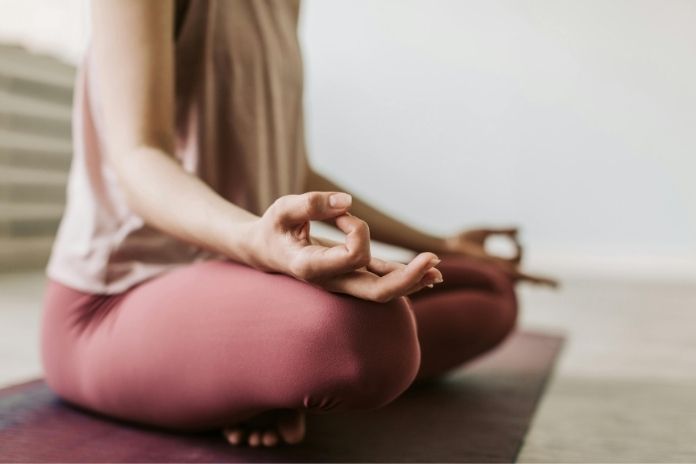
The starter pattern is intentionally easy. Sit upright with your feet flat on the floor and your hands resting comfortably. Close your eyes or soften the gaze on a spot in front of you. Bring full attention to the sensation of breathing at the nostrils or belly. When the mind wanders, and it will, gently return to the breath without scolding yourself.
Five minutes is enough to start; the goal is to show up daily, not to perform. Aim for most days of the week rather than a perfect streak. Five to ten minutes daily is a reasonable starting target, building toward fifteen to twenty minutes once the habit feels stable. Skipping a day is normal and not worth abandoning the routine over.
Morning meditation tends to set a calmer tone for stressful workdays and may help blunt the morning cortisol surge linked to cardiovascular events. A short midday session can reset accumulated tension before it builds. Evening practice helps the nervous system wind down for better sleep, which loops back into heart health.
Meditation Plus Other Habits That Protect the Heart

Meditation works best alongside regular physical activity. Walking, yoga, swimming, or resistance training all train the cardiovascular system in ways meditation cannot. Combined, they hit both the mechanical and the regulatory sides of heart health.
Mindfulness around meals can change the relationship with food without strict dieting. Slowing down, noticing hunger and fullness cues, and pausing before reaching for stress snacks helps reduce overeating and supports steadier blood sugar and weight, both heart-relevant outcomes.
Meditation often makes other behavior changes feel less impossible. Smokers report fewer urges, drinkers report more awareness of triggers, and people working on sleep often find their wind-down routines easier to follow. The practice does not do the work, but it tends to make the work less heavy.
Read More: 7 Effective Workouts for Lowering High Blood Pressure
When to Talk With a Doctor Before Relying on Meditation
Diagnosed hypertension, coronary artery disease, heart failure, or arrhythmias all need ongoing medical management. Meditation belongs in the conversation with your cardiologist, not in place of it. Bring it up at the next appointment and ask how it fits with your current plan.
Some symptoms need urgent evaluation, not breathing exercises. New chest pain, episodes of fainting, severe shortness of breath, or palpitations that come with dizziness warrant prompt medical care.
For a minority of people, silent meditation can briefly intensify anxious thoughts or trauma-related sensations. Switching to guided, breath-focused, or movement-based practice usually helps. Anyone with a significant trauma history may benefit from working with a trauma-informed instructor or therapist.
Common Questions About Meditation and Heart Health
How Long Before Results Are Noticeable?
Stress and sleep benefits often appear within two to four weeks of regular practice. Blood pressure changes tend to lag, showing up more clearly after eight to twelve weeks of consistent meditation, and only when paired with the rest of a heart-healthy routine.
Can Meditation Prevent Heart Attacks?
No practice prevents heart attacks outright. What meditation may do is reduce several contributing risk factors, including high blood pressure, chronic stress, poor sleep, and emotional reactivity. That risk reduction is meaningful but not a guarantee.
Is 10 Minutes a Day Enough?
Yes, especially when the alternative is nothing. Ten consistent minutes per day produces measurable improvements in stress markers and modest blood pressure benefits in the research. Longer is fine when life allows, but it is not required.
Read More: 8 Heart Warning Signs During Exercise You Should Never Ignore
Takeaway: A Practical, Low-Risk Tool for Supporting Heart Health
Meditation will not unclog an artery or replace a prescription, and any honest read of the science makes that clear. What it offers is something subtler and still valuable: a daily reset for the nervous system, a softer stress response, better sleep, and a steadier foundation for the other habits that protect the heart.
For people managing hypertension, recovering from cardiac events, or simply trying to stay ahead of family history, the case for meditation and heart health is strong enough to take seriously and humble enough not to oversell. Five to twenty minutes most days, paired with movement, nutrition, sleep, and proper medical care, is a realistic ask with real upside.
The bottom line is simple. Meditation for heart health is not a cure, but it is a small, accessible, evidence-supported practice that fits inside almost any life. Combined with everything else cardiology already recommends, it gives the heart one more thing working quietly in its favor.
References
- Benson, H. (2010, November 10). Using the relaxation response to reduce stress. Harvard Health Publishing.
- Black, D. S., O’Reilly, G. A., Olmstead, R., Breen, E. C., & Irwin, M. R. (2015). Mindfulness meditation and improvement in sleep quality and daytime impairment among older adults with sleep disturbances: A randomized clinical trial. JAMA Internal Medicine, 175(4), 494-501.
- Cleveland Clinic. (2025, July 28). Understanding the connection between stress and heart disease.
- Goyal, M., Singh, S., Sibinga, E. M. S., Gould, N. F., Rowland-Seymour, A., Sharma, R., Berger, Z., Sleicher, D., Maron, D. D., Shihab, H. M., Ranasinghe, P. D., Linn, S., Saha, S., Bass, E. B., & Haythornthwaite, J. A. (2014). Meditation programs for psychological stress and well-being: A systematic review and meta-analysis. JAMA Internal Medicine, 174(3), 357-368.
- Lee, E. K. P., Yeung, N. C. Y., Xu, Z., Zhang, D., Yu, C. P., & Wong, S. Y. S. (2020). Effect and acceptability of mindfulness-based stress reduction program on patients with elevated blood pressure or hypertension: A meta-analysis of randomized controlled trials. Hypertension, 76(6), 1992-2001.
- Levine, G. N., Lange, R. A., Bairey-Merz, C. N., Davidson, R. J., Jamerson, K., Mehta, P. K., Michos, E. D., Norris, K., Ray, I. B., Saban, K. L., Shah, T., Stein, R., & Smith, S. C. (2017). Meditation and cardiovascular risk reduction: A scientific statement from the American Heart Association. Journal of the American Heart Association, 6(10), e002218.
- Merschel, M. (2022, June 16). The promise of meditation for the heart and mind. American Heart Association News.
- Schneider, R. H., Grim, C. E., Rainforth, M. V., Kotchen, T., Nidich, S. I., Gaylord-King, C., Salerno, J. W., Kotchen, J. M., & Alexander, C. N. (2012). Stress reduction in the secondary prevention of cardiovascular disease: Randomized, controlled trial of Transcendental Meditation and health education in Blacks. Circulation: Cardiovascular Quality and Outcomes, 5(6), 750-758.
In this Article