















Your doctor hands you a cholesterol report with numbers higher than expected, and the word “statins” enters the conversation. Before you leave, she adds something else: start eating more fiber. It sounds anticlimactic, but the science behind that recommendation is anything but simple.
Fiber and heart health share a relationship backed by decades of clinical trials, massive cohort studies, and a growing understanding of how the gut and cardiovascular system communicate. Most Americans, however, fall far short of the recommended intake. The average adult consumes roughly 16 grams of fiber per day when they need 25 to 38 grams, depending on age and sex.
That gap has real consequences for cholesterol levels, blood pressure, body weight, and long-term heart disease risk. This article covers how fiber works inside the cardiovascular system, how much you actually need, and which high-fiber foods for heart health deliver the most benefit.
- Regular fiber intake lowers LDL cholesterol, reduces blood pressure, and cuts cardiovascular disease risk by up to 30%, according to large-scale research.
- Adults need 25 to 38 grams of fiber daily, depending on age and sex, yet the average American gets only about 16 grams.
- Soluble fiber is especially powerful for cholesterol reduction by binding bile acids in the gut.
- Whole foods, not supplements, provide the strongest cardiovascular benefit.
Read More: 10 Fiber Superfoods to Lower Blood Pressure Naturally (Without Changing Your Meds)
How Fiber Supports Heart Health

Fiber is not a single compound. It is a broad category of plant-based carbohydrates that resist digestion in the small intestine and travel to the colon, where they do most of their meaningful work. For the cardiovascular system, the consequences of that journey are largely protective.
How Fiber Influences Cholesterol Levels
When soluble fiber enters the digestive tract, it forms a gel-like substance that binds bile acids, which are made from cholesterol. Instead of being reabsorbed into the bloodstream, those bile acids get excreted.
The liver then pulls more LDL cholesterol from the blood to manufacture replacement bile acids, and circulating LDL levels fall. It is a slow, consistent process, but the cumulative effect is meaningful. A landmark meta-analysis published in The Lancet analyzed 185 prospective studies and 58 clinical trials covering nearly 135 million person-years.
People with the highest fiber intake had 15 to 30 percent lower cardiovascular and all-cause mortality compared with those eating the least. Clinical trials within that analysis also showed measurable reductions in total cholesterol and systolic blood pressure among higher-fiber groups.
Role in Blood Pressure Regulation
Fiber lowers blood pressure through a less direct but equally important pathway. When gut bacteria ferment soluble fiber, they produce short-chain fatty acids, including butyrate and propionate, that bind to receptors on blood vessel walls and prompt effects that reduce vascular resistance and improve blood pressure regulation.
A 2022 systematic review published in BMC Medicine provided high-certainty evidence that increasing fiber intake reduced systolic blood pressure by 4.3 mmHg and diastolic pressure by 3.1 mmHg in adults with hypertension, reductions associated with meaningful decreases in stroke and heart attack risk.
Impact on Blood Sugar and Insulin Response
Soluble fiber slows gastric emptying and the rate at which glucose enters the bloodstream, dampening post-meal blood sugar spikes and improving insulin sensitivity over time. Because elevated blood glucose and insulin resistance are independent cardiovascular risk factors, fiber’s glycemic effect adds another protective layer beyond its direct action on cholesterol.
Effects on Weight Management and Cardiovascular Risk
High-fiber foods are bulky and slow to digest, promoting satiety that supports calorie balance. Sustained weight management is one of the most effective ways to reduce cardiovascular risk, and fiber contributes to that without requiring dramatic dietary changes.
Soluble vs. Insoluble Fiber: Which Matters More for Your Heart?
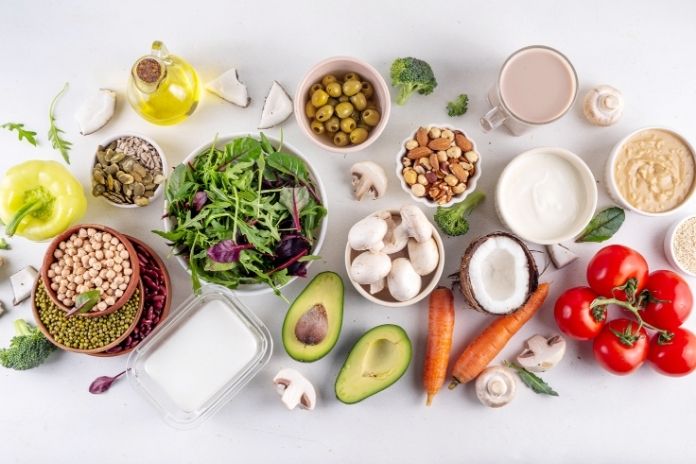
Both types of fiber are present in plant foods, though in different proportions depending on the source.
Soluble Fiber and Cholesterol Reduction
Soluble fiber dissolves in water to form a viscous gel in the gut. This gel slows digestion, traps bile acids, and blunts blood sugar responses. Beta-glucan, the soluble fiber concentrated in oats and barley, has the strongest evidence base for cholesterol reduction among all dietary fibers.
Dr. Nicola McKeown, PhD, a nutritional epidemiologist at Boston University, has explained that “dietary fiber has a role in helping to lower blood glucose and cholesterol levels, reduce calorie intake, and increase the frequency of bowel movements,” noting that the average American consumes roughly half the recommended amount. Her research has also linked whole-grain consumption to lower prevalence of metabolic disorders and reduced visceral fat.
Insoluble Fiber and Overall Cardiovascular Support
Insoluble fiber adds bulk to stool and accelerates transit time through the colon. That efficiency supports cardiovascular health indirectly: faster transit reduces exposure to potentially harmful metabolites, supports a balanced gut microbiome, and is associated with lower systemic inflammation.
Dr. Joanne Slavin, PhD, RD, a professor of food science and nutrition at the University of Minnesota, has noted that each plant source of insoluble fiber contains “unique bioactives, compounds linked to lower incidence of cardiovascular disease, cancer, and type 2 diabetes,” offering benefits that extend beyond the fiber itself. That finding reinforces why whole plant foods outperform single-fiber supplements.
Both types are necessary. No single food source covers the full spectrum, which is why dietary variety is central to the fiber and heart health story.
How Much Fiber Do You Need Each Day?
The Dietary Guidelines for Americans, along with recommendations from the American Heart Association, set fiber targets based on age and sex. Adult women under 50 need 25 grams daily; women 51 and older need 21 grams. Adult men under 50 need 38 grams; men 51 and older need 30 grams.
Despite these clear targets, fewer than 10 percent of Americans meet their daily fiber goals. Highly processed foods that dominate the typical American diet, including white bread, packaged snacks, fast food, and sweetened beverages, contain almost no fiber.
Increasing fiber intake too quickly causes bloating, gas, and cramping, particularly for people currently eating very little. Adding 5 grams per week while increasing water intake gives the gut microbiome time to adapt and reduces discomfort substantially.
Top High-Fiber Foods for Heart Health
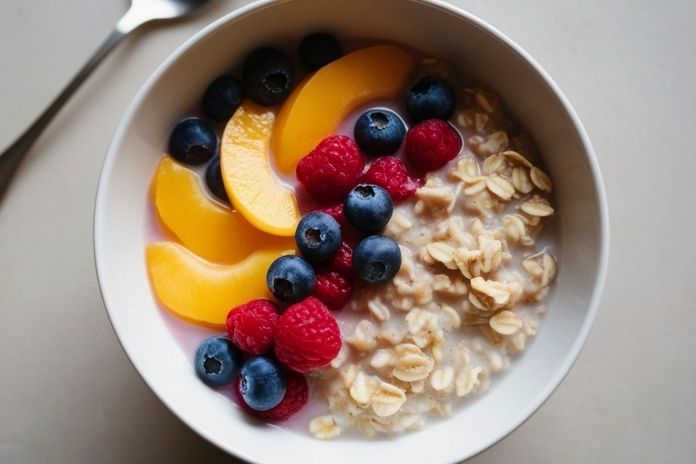
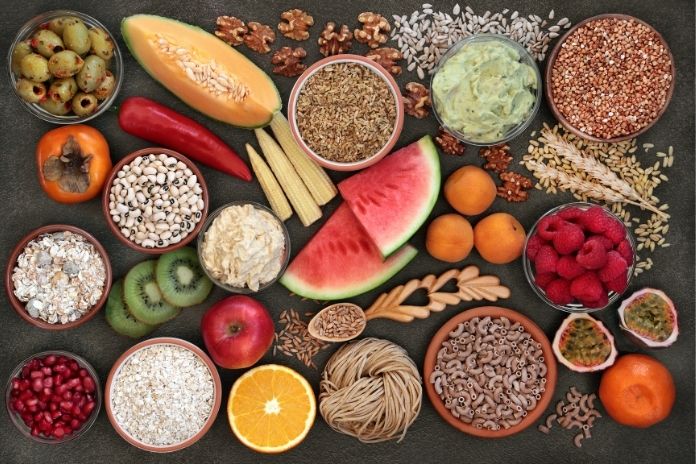
Oats are the most researched grain for heart health because of their beta-glucan content. A 40-gram serving of rolled oats delivers roughly 4 grams of fiber, including 2 grams of soluble beta-glucan. Barley is even richer in beta-glucan. Brown rice, quinoa, and whole wheat products add fiber alongside magnesium and B vitamins that support vascular function.
Legumes are among the most fiber-dense foods available. A half-cup of cooked lentils provides approximately 8 grams of fiber; black beans, kidney beans, and chickpeas deliver 6 to 7 grams per half-cup. Legumes also supply resistant starch, a prebiotic that feeds beneficial gut bacteria and generates cholesterol-lowering short-chain fatty acids.
Adding them to two or three meals per week is one of the highest-return dietary shifts for heart health. Apples and pears are particularly rich in pectin, a soluble fiber with strong cholesterol-lowering properties. A medium apple with the skin contains about 4 grams of fiber, mostly soluble.
Raspberries and blackberries deliver 6 to 8 grams per cup and also provide polyphenols that reduce oxidative stress in arterial walls. Citrus fruits contribute pectin in smaller amounts. Broccoli, Brussels sprouts, and carrots rank among the highest-fiber vegetables, with anti-inflammatory compounds that offer additional cardiovascular benefits.
Leafy greens such as spinach and kale contribute meaningfully when consumed in volume. Artichokes are among the richest single vegetable sources of fiber, providing up to 10 grams per medium artichoke.
Chia seeds offer about 10 grams of fiber per ounce, along with omega-3 fatty acids that independently support heart health. Flaxseeds provide a similar profile and are rich in lignans with mild cholesterol-lowering effects. Almonds and walnuts contribute 3 to 4 grams of fiber per ounce alongside heart-healthy monounsaturated and polyunsaturated fats.
Read More: I Added Chia Seeds to My Diet Daily: Here’s What Changed
Best Fiber Sources for Lowering Cholesterol
When LDL reduction is the primary goal, the evidence points clearly to soluble fiber sources with the highest viscosity. Beta-glucan from oats and barley carries the most robust clinical trial data, and the FDA has authorized a qualified health claim for oat beta-glucan and reduced heart disease risk.
Aim for at least 3 grams of beta-glucan daily, roughly two servings of oatmeal, for a clinically meaningful LDL effect. Psyllium husk is the most studied functional fiber for cholesterol management. Its viscosity remains high even after processing, making it effective in pill, powder, and food-additive forms.
Combining fiber types amplifies the effect: a bowl of oats topped with chia seeds, berries, and flaxseed covers multiple fiber categories while delivering beneficial fats and polyphenols.
Dr. Frank Sacks, MD, Professor of Cardiovascular Disease Prevention at Harvard T.H. Chan School of Public Health, has written that “vegetables, fruits, whole grains, fish, and legumes are the foundation of a healthy diet” and that food remains underutilized in the fight against chronic disease. That observation underscores why the fiber and cholesterol conversation is fundamentally about dietary patterns.
How Quickly Can Fiber and Heart Health Outcomes Improve?
The timeline varies, but meaningful changes begin within weeks. Cholesterol levels can start shifting within two to four weeks of adding consistent soluble fiber; larger LDL reductions become measurable after six to twelve weeks. Blood pressure improvements may take slightly longer and show up more clearly in those starting with elevated readings.
An updated meta-analysis published in Clinical Nutrition analyzed 64 prospective studies covering more than 3.5 million participants and found that higher total dietary fiber consumption was associated with a 26 percent lower risk of cardiovascular mortality. Each 10-gram daily increment in fiber was associated with approximately 10 percent lower all-cause mortality risk.
Individual variation is real. Genetics, baseline gut microbiome composition, starting cholesterol levels, and overall diet quality all influence how quickly fiber produces measurable results. Consistency over months, not a single week of oatmeal, is what drives lasting cardiovascular benefit.
Signs You May Not Be Getting Enough Fiber
Most fiber deficiency does not produce acute symptoms. Chronic constipation or irregular bowel movements are the most recognizable signs, since fiber gives stool its bulk and water-holding capacity.
Frequent hunger shortly after meals, or noticeable blood sugar swings between meals, can indicate low soluble fiber intake, since fiber blunts the glycemic response that otherwise leaves you hungry again within an hour.
Elevated LDL cholesterol on a routine blood panel, particularly when saturated fat intake does not seem excessive, is worth noting. Gradual, unexplained weight gain can also reflect the slow substitution of fiber-rich whole foods with processed alternatives that leave you eating more calories overall.
How to Increase Fiber Intake Without Digestive Discomfort
Add fiber gradually, no more than 3 to 5 additional grams per week. This gives the gut microbiome time to build the bacterial populations needed to ferment fiber without producing excess gas. Simultaneously increase fluid intake; fiber absorbs water, and without adequate hydration, added bulk can paradoxically worsen constipation.
Spread fiber across all three meals rather than concentrating it in one. Mix soluble and insoluble sources: oatmeal with berries and flaxseed, for example, provides beta-glucan, pectin, and cellulose in a single bowl and covers more physiological ground than any one source alone.
Fiber Supplements vs. Whole Foods for Heart Health

Supplements can fill gaps, but they are not equivalent to whole food fiber sources for cardiovascular benefit. Whole foods package fiber alongside vitamins, minerals, antioxidants, and phytochemicals that interact synergistically.
Eating an apple is not simply equivalent to swallowing a pectin capsule; the apple delivers quercetin, potassium, and a food structure that alters its own digestion. The cardiovascular outcomes observed in large population studies are tied to high-fiber dietary patterns, not supplement use alone.
That said, psyllium has the strongest evidence base of any fiber supplement for LDL reduction and is a reasonable addition for people who struggle to hit daily targets through food alone. Supplementation works best as a complement to a high-fiber diet, not a substitute for one.
Dr. Andrew Freeman, MD, FACC, Director of Cardiovascular Prevention and Wellness at National Jewish Health, has noted that “the No. 1 question from patients is about diet” and that centering whole plant foods in daily eating drives the cardiovascular improvement he consistently sees in practice.
Dietary patterns built around intact plant foods outperform supplement strategies across every major cardiovascular outcome measure.
Sample Day of Heart-Healthy Fiber Intake
Meeting the daily fiber target does not require specialty foods or elaborate preparation. Below is a practical example of how roughly 30 to 35 grams might look across a day:
- Breakfast: One cup of cooked oats topped with half a cup of mixed berries, one tablespoon of ground flaxseed, and a small handful of almonds. This delivers approximately 10 to 11 grams of fiber, covering both soluble and insoluble types.
- Lunch: A large salad with dark leafy greens, half a cup of chickpeas, sliced carrots, cucumber, and a quarter of an avocado, plus a slice of 100 percent whole wheat bread. This contributes approximately 10 to 12 grams.
- Snack: A medium apple with two tablespoons of almond butter adds another 4 to 5 grams.
- Dinner: A grain bowl with cooked barley, roasted broccoli, Brussels sprouts, and lentils contributes 10 to 13 more grams.
Who May Need to Be Careful With High-Fiber Diets
High-fiber intake is appropriate for most adults, but a few groups need a more measured approach. People with inflammatory bowel disease, including Crohn’s disease and ulcerative colitis, may find that certain high-fiber foods worsen symptoms during active flares; soluble fiber is generally better tolerated than insoluble fiber during those periods, and a registered dietitian can help identify appropriate sources.
Certain medications, including some diabetes drugs and cholesterol-lowering agents, can be affected by high-fiber diets because fiber alters absorption rates. Taking medications one to two hours before a high-fiber meal minimizes potential interactions.
Older adults and others with slowed gut motility should increase fiber, especially gradually, always alongside adequate hydration, to avoid the risk of blockage.
Read More: How to Boost Daily Fiber Intake without Feeling Full or Bloated All Day
Key Takeaway: Meeting Your Daily Fiber Needs for Heart Protection
The evidence connecting fiber and heart health is among the most consistent bodies of nutritional science available. Fiber lowers LDL cholesterol, reduces blood pressure, improves insulin sensitivity, and supports a gut microbiome that continuously generates protective compounds. The benefits compound over months and years, not in a single week.
Whole foods remain the strongest delivery vehicle. The cardiovascular outcomes tied to high-fiber diets in population research are linked to beans, vegetables, whole grains, fruits, and seeds.
Small, sustainable shifts, like swapping a processed snack for fruit and nuts, adding a serving of legumes, and choosing whole grain over white, accumulate into meaningful long-term protection. Most adults currently eat around 16 grams of fiber daily.
Closing the gap to 25 or 30 grams requires roughly two to three additional high-fiber choices per day. For the heart, that gap is worth closing.
References
- Reynolds, A., Mann, J., Cummings, J., Winter, N., Mete, E., & Te Morenga, L. (2019). Carbohydrate quality and human health: A series of systematic reviews and meta-analyses. The Lancet, 393(10170), 434–445.
- Reynolds, A. N., Akerman, A., Kumar, S., Diep Pham, H. T., Coffey, S., & Mann, J. (2022). Dietary fibre in hypertension and cardiovascular disease management: Systematic review and meta-analyses. BMC Medicine, 20, 139.
- Ramezani, S., Malekahmadi, M., Firouzi, S., Majidi, N., & Askari, G. (2023). Dietary fiber intake and all-cause and cause-specific mortality: An updated systematic review and meta-analysis of prospective cohort studies. Clinical Nutrition, 43(1), 37–49.
- Fu, L., Zhang, G., Qian, S., Zhang, Q., & Tan, M. (2022). Associations between dietary fiber intake and cardiovascular risk factors: An umbrella review of meta-analyses of randomized controlled trials. Frontiers in Cardiovascular Medicine, 9, 898905.
- McKeown, N. M., Fahey, G. C., Slavin, J., & van der Kamp, J.-W. (2022). Fibre intake for optimal health: How can healthcare professionals support people to reach dietary recommendations? BMJ, 378, e054370.
- Soliman, G. A. (2019). Dietary fiber, atherosclerosis, and cardiovascular disease. Nutrients, 11(5), 1155.
- Mayo Clinic. (2025, December 23). High-fiber foods. Retrieved April 27, 2026, from
- Harvard Health Publishing. (2024, November 1). Eat more fiber-rich foods to foster heart health. Retrieved April 27, 2026, from
- Medanta. (n.d.). 22 high fibre foods. Retrieved April 27, 2026, from
- Health.com. (2026). High-fiber heart-healthy foods. Retrieved April 27, 2026, from
- Geims Hospital. (n.d.). Fibre rich foods for health benefits. Retrieved April 27, 2026, from
- Sankardev Hospital. (n.d.). Top heart healthy foods. Retrieved April 27, 2026, from
- National Heart, Lung, and Blood Institute. (n.d.). Heart-healthy living: Healthy foods. Retrieved April 27, 2026, from
- Manipal Hospitals. (n.d.). Best foods for heart health. Retrieved April 27, 2026, from
- Metropolis Healthcare. (n.d.). Super high fiber foods. Retrieved April 27, 2026, from
In this Article