


















Bovine colostrum supplements have moved from a niche sports nutrition product into mainstream wellness. The claimed benefits of colostrum supplements range from gut repair and immune support to anti-aging and skin health. Some of these claims are grounded in clinical research. Others rely on early-stage or mechanistic evidence that hasn’t yet translated into meaningful human outcomes.
Understanding what colostrum actually does and where it works best requires careful review of the evidence. The data is strongest for gut barrier function, more context-dependent for immune effects, mixed for athletic performance, and still emerging for broader wellness claims. This article breaks down each category, focusing on what human studies actually show.
- A 2024 meta-analysis of 10 RCTs shows bovine colostrum significantly improves intestinal permeability.
- In athletes, studies (including a 2016 meta-analysis) show fewer upper respiratory illness days, especially during intense training periods.
- Evidence for performance gains, anti-aging, and skin benefits is limited or inconsistent, with most effects being indirect or not confirmed in human trials.
Read More: Bovine Colostrum: The Next Superfood or Just Hype?
What Colostrum Is and What It Contains
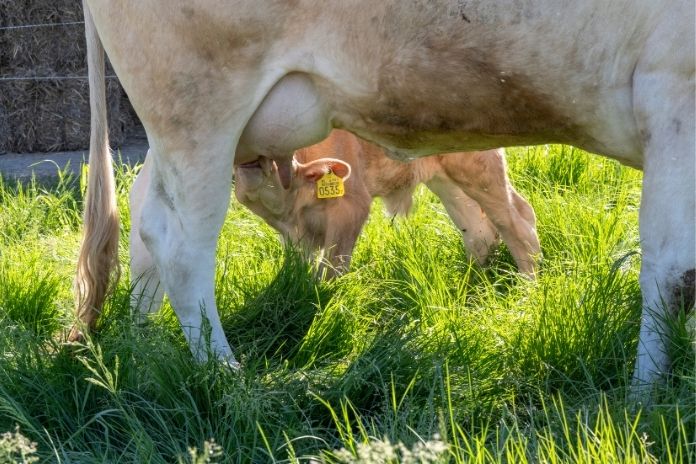
Bovine colostrum is the first milk produced by cows in the 24–72 hours after calving. Unlike mature milk, it is designed not for long-term nutrition, but for immediate biological signaling, delivering immune protection and triggering gut development in the newborn.
This purpose explains its unusually dense concentration of bioactive compounds. At the center are immunoglobulins, particularly IgG, which can be present at concentrations 50 to 100 times higher in colostrum than in regular milk. These antibodies help bind and neutralize pathogens within the gut lumen. Alongside these are:
- Lactoferrin, which binds iron (limiting bacterial growth) and has antiviral and anti-inflammatory effects
- Growth factors, including IGF-1, TGF-β, and EGF, which regulate cell proliferation and tissue repair
- Proline-rich polypeptides (PRPs), which modulate immune responses rather than simply stimulating them
- Antimicrobial enzymes, such as lysozyme and lactoperoxidase
From a nutritional point of view, colostrum contains roughly 13% protein, compared to ~3.3% in standard milk. But its relevance as a supplement is less about protein quantity and more about these signaling molecules.
For human use, bovine colostrum is collected as surplus after the calf’s needs are met, then pasteurized and dehydrated into powders or capsules. How it is processed has a major impact on how much of these bioactive compounds remains active.
The Strongest Evidence — Gut Barrier Support
The Mechanism And The Research Backing It
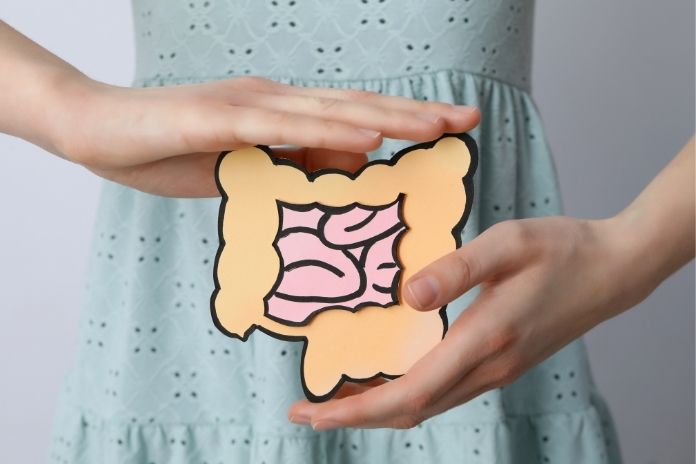
A significant benefit of bovine colostrum supplements is their effect on intestinal permeability, often referred to as “leaky gut.” The intestinal barrier is not just a passive lining. It’s an active, regulated interface.
Epithelial cells are connected by tight junction proteins, which act as selective gates. When functioning properly, they allow nutrients through while keeping bacteria, toxins, and large particles out. Under stress, this system breaks down. Triggers include:
- Intense or prolonged exercise (especially in heat)
- NSAID use (e.g., ibuprofen, aspirin)
- Alcohol
- Infection or inflammation
When tight junctions loosen, permeability increases. This allows endotoxins and microbial fragments to enter circulation, which can contribute to systemic inflammation and immune activation. Colostrum directly targets this process through a multi-pathway mechanism:
Epithelial Repair and Regeneration: Growth factors such as IGF-1 and TGF-β stimulate intestinal cell proliferation, thereby replacing the damaged cells faster.
Tight Junction Restoration: These same growth factors regulate proteins that maintain tight junction integrity, helping “reseal” the barrier.
Luminal Pathogen Neutralization: IgG binds bacteria and toxins within the gut, reducing their ability to interact with the intestinal wall.
This is supported by clinical data. A 2024 meta-analysis of 10 randomized controlled trials found that bovine colostrum significantly reduced intestinal permeability, measured using the lactulose/rhamnose ratio, the standard clinical test for gut barrier function. What makes this finding particularly compelling is its consistency across different stress models.
Exercise-induced Gut Damage
During prolonged or high-intensity exercise, blood flow is diverted away from the gut to working muscles. This leads to epithelial cell stress and measurable damage. In a 2018 study, 20 g/day of colostrum reduced the post-exercise increase in I-FABP, a biomarker of intestinal cell injury, after exercise in heat.
NSAID-Induced Gut Injury
NSAIDs disrupt the protective mucosal layer of the gastrointestinal tract, increasing permeability and causing micro-injury. Multiple studies show colostrum supplementation reduces this damage, likely through growth factor–driven mucosal repair.
This combination of clear mechanism + consistent human outcomes makes gut barrier support the most credible and clinically relevant benefit of colostrum.
Immune Function — Genuine Benefit With Important Context
Colostrum’s immune effects are biologically shown and partially supported. However, they significantly depend on the context. A systematic review and meta-analysis (Dolan et al., 2016) found that athletes supplementing with colostrum experienced significantly fewer upper respiratory illness (URI) days during 8-12 week training periods compared to a placebo.
This aligns with a well-known phenomenon: intense, sustained exercise temporarily suppresses immune function, increasing infection risk. Colostrum appears to mitigate this effect. A few factors that contribute include the following:
- IgG and IgA help bind pathogens in the gut lumen
- Lactoferrin inhibits bacterial growth and modulates inflammatory signaling
- PRPs help balance immune responses, potentially preventing over- or underactivation
However, certain limitations limit how broadly these benefits apply. First, digestion matters. Immunoglobulins are proteins, and while some survive passage through the stomach, a portion is broken down. This means systemic absorption of intact antibodies is limited.
Second, much of colostrum’s immune activity appears to be localized to the gut, not systemic. This suggests its primary role in supporting mucosal immunity, rather than acting like a systemic immune booster.
Third, population differences are significant. Major benefits are seen in:
- Athletes in heavy training blocks
- Individuals under physical or physiological stress
In generally healthy, non-stressed adults, results are less consistent. So while colostrum can support immune function, it’s best understood as a context-specific intervention, not a universal immune enhancer.
Athletic Performance — Mixed Evidence, Real Secondary Benefits
What The Research Shows And What It Doesn’t
Colostrum is often marketed as a performance-enhancing supplement, but the evidence does not support strong direct effects on performance metrics. Some studies have reported:
- Modest increases in lean body mass and strength
- Slight improvements compared to whey protein under certain conditions
However, these findings are not consistent across studies, and the effect sizes are generally small. One study indicated that colostrum could increase circulating IGF-1 levels, thereby promoting muscle growth. This would provide a direct anabolic mechanism. However, most controlled studies do not support a sustained increase in systemic IGF-1 with supplementation.
Instead, a more evidence-aligned explanation is that colostrum improves training capacity indirectly. Key pathways include the following:
- Reduced gut permeability during exercise, leading to better tolerance of high training loads
- Lower incidence of illness, meaning fewer missed sessions
- Improved recovery consistency, particularly during periods of high stress
In other words, colostrum may help athletes maintain performance rather than enhance it acutely. This difference matters. The benefits are real, but they are supportive, not transformative.
Read More: Protein Drink with Water or Milk: Which Is Better for Your Goals?
Preliminary Evidence — What’s Being Studied but Not Yet Established
Several widely marketed colostrum supplement benefits fall into the category of biologically plausible but not yet proven:
Skin Health and Wound Healing: Growth factors such as EGF and IGF-1 stimulate cell proliferation and tissue repair in laboratory and animal studies. These findings are often extrapolated to claims about improved skin elasticity or faster wound healing. However, human trials, especially for oral supplementation, are limited and inconclusive.
Anti-Aging Effects: The same growth factor mechanisms are used to support anti-aging claims. While the biological rationale exists, there is no strong randomized controlled trial evidence demonstrating measurable anti-aging effects in humans.
Gut Microbiome Modulation: Some early research suggests colostrum may support beneficial bacterial populations, particularly when combined with probiotics. The proposed mechanism involves immune modulation within the gut environment.
However, findings are inconsistent and still emerging.
How to Choose a Colostrum Supplement — What the Label Should Tell You
The quality factors that determine whether any of this applies to what you buy.
One of the most important and often overlooked factors is that not all colostrum supplements are biologically equivalent. The research findings only apply if the product actually contains similar levels of active compounds:
IgG Standardization: This is the most critical factor. Look for products that specify IgG content:
- Minimum: 20–30% IgG
- Higher-quality products: up to 40% IgG
Without standardization, there is no reliable way to assess potency.
Processing Method: Heat can affect proteins. High-temperature pasteurization may reduce IgG content significantly. Look for:
- “Low-temperature processed”
- “Cold-processed”
Collection Timing: Colostrum collected in the first 6–12 hours after calving has the highest concentration of immunoglobulins and growth factors.
Third-Party Certification: Certifications such as NSF Certified for Sport or Informed Sport ensure the following:
- Label accuracy
- Absence of contaminants or banned substances
Reality of Dosing: This is where expectations often differ from the evidence:
- Clinical studies: 10–60 g/dayof colostrum
- Commercial supplements: 1–3 g/day of colostrum
This difference matters. Lower doses may still provide some benefit, but they may not replicate the magnitude of effects seen in trials, particularly for gut permeability.
Read More: Is Dairy Inflammatory? What Studies Really Say About Milk, Cheese, and Yogurt
Conclusion
Bovine colostrum supplements are not a universal wellness solution. However, they are also not just marketing hype. The evidence for gut barrier support is strong and clinically meaningful, especially under stressful conditions. Immune benefits in athletes are also supported.
Beyond these areas, the science becomes more preliminary. If you’re considering colostrum, the key question is not just whether it works, but whether the product you’re taking matches what was studied.
FAQs
Q. Does colostrum work for gut health?
A. Yes. This is the strongest evidence area. Multiple studies and a 2024 meta-analysis show improvements in intestinal permeability markers.
Q. Who benefits most from colostrum supplements?
A. Athletes, people with exercise-related gut stress, frequent NSAID users, and those under high physical stress are the most likely to see meaningful benefits.
Q. Are there side effects?
A. Colostrum is generally well tolerated in clinical studies. It is not suitable for people with dairy allergies. Mild digestive symptoms may occur initially.
Q. Is colostrum better than whey protein?
A. Not directly comparable. Whey is primarily a protein source for muscle building. Colostrum provides bioactive compounds that support gut and immune function.
References
- Playford, R. J., & Weiser, M. J. (2021). Bovine colostrum: Its constituents and uses. Nutrients, 13(8), 2659.
- Godden, S. (2020). Colostrum management for dairy calves. Veterinary Clinics of North America: Food Animal Practice, 36(2), 321–335.
- QN Wellness. (n.d.). Colostrum supplements: Understanding IgG levels and immune support benefits.
- Menchetti, L., Traina, G., & Tomasello, G. (2021). Potential benefits of bovine colostrum in human health and disease. Journal of Functional Foods, 82, 104466.
- Ulfman, L. H., Leusen, J. H. W., Savelkoul, H. F. J., & Warner, J. O. (2025). Bioactive proteins in colostrum and their role in immune and tissue repair. Nutrients.
- Ghosh, S., Iacucci, M., & Kaplan, G. G. (2023). Colostrum and its therapeutic potential in gastrointestinal diseases. Frontiers in Nutrition.
- McGrath, B. A., Fox, P. F., McSweeney, P. L. H., & Kelly, A. L. (2021). Composition and properties of bovine colostrum: A review. Dairy, 2(1), 1–22.
In this Article