


















Glycemic index (GI) and glycemic load (GL) are two tools designed to predict how carbohydrate-containing foods affect blood sugar levels. They are widely used in diabetes nutrition, yet they are often misunderstood or used in isolation.
Many people focus only on glycemic index when choosing foods, assuming that low-GI foods automatically lead to better blood sugar control. While GI does provide useful insight into how quickly carbohydrates are absorbed, it does not reflect how much carbohydrate is actually consumed in a typical serving. This gap is where glycemic load becomes more practical.
Glycemic load combines both the quality and quantity of carbohydrates, making it more aligned with real-life eating. When used together, GI and GL can help reduce post-meal glucose spikes, improve insulin response, and support more stable blood sugar patterns over time.
In this article, we will discuss what the Glycemic Index and Glycemic Load are. We will also discuss key differences between GL and GI and which one matters more.
- Glycemic index shows how quickly a food raises blood sugar, while glycemic load shows how much it actually affects blood sugar based on portion size.
- Focusing only on GI can be misleading. GL provides a more practical, real-world guide for managing blood sugar.
- Using both GI and GL together, along with balanced meals and portion control, leads to more stable blood glucose levels.
Read More: Can You Eat Yogurt If You Have Diabetes? A Dietitian Explains
What Is the Glycemic Index (GI)?
How Glycemic Index Measures Carbohydrate Impact
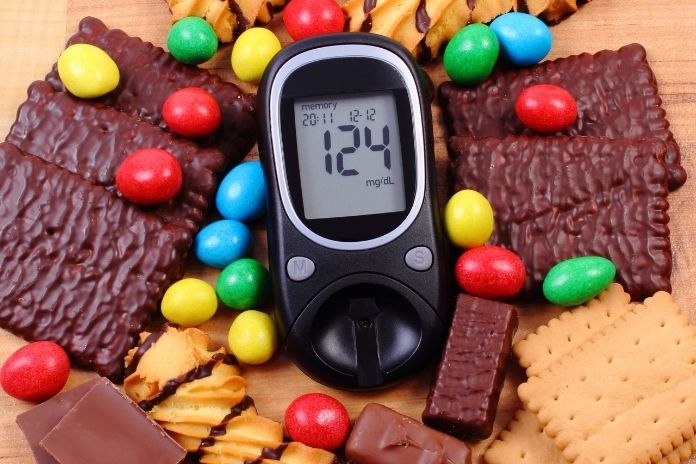
The glycemic index is a standardized ranking system that measures how quickly a carbohydrate-containing food raises blood glucose levels after it is eaten. In controlled conditions, participants consume a portion of food containing 50 grams of digestible carbohydrates, and their blood sugar response is tracked over two hours. This response is then compared to pure glucose, which is assigned a GI value of 100.
What GI essentially shows is the rate of carbohydrate absorption. High-GI foods are rapidly digested, causing a quick surge in blood glucose followed by a strong insulin response. This rapid rise and fall can contribute to hunger, fatigue, and increased glycemic variability, factors that are especially important in diabetes management.
However, this measurement is taken under idealized conditions, typically with a single food eaten on an empty stomach. In real life, meals are mixed, and the presence of fat, protein, and fiber can significantly slow digestion. This means GI reflects a food’s potential effect, not always its actual effect when eaten as part of a meal.
GI Scale: Low, Medium, and High Explained
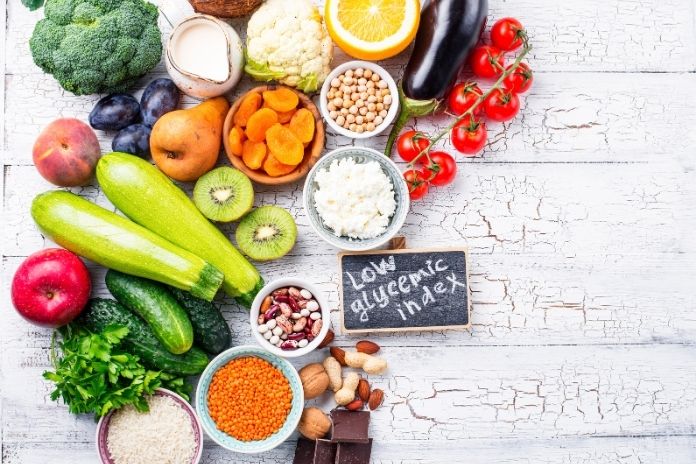
The glycemic index classifies foods into three categories based on their effect on blood glucose:
- Low GI (≤55): slower digestion and gradual glucose release
- Medium GI (56–69): moderate impact on blood sugar
- High GI (≥70): rapid increase in blood glucose
Low-GI foods are typically rich in fiber or have a more complex structure, which slows down digestion. High-GI foods are often refined or processed, making them easier for the body to break down quickly.
That said, GI is not fixed. The same food can shift categories depending on how it is prepared. For example, cooking methods, processing, and even cooling can change how quickly carbohydrates are absorbed. This variability makes GI a useful guideline, but not a rigid rule for decision-making.
Why GI Alone Doesn’t Tell the Full Story
The main limitation of glycemic index is that it ignores the quantity of carbohydrate consumed, which plays a major role in determining blood sugar response. A high-GI food does not necessarily cause a large spike if the portion is small.
On the other hand, a large portion of a moderate-GI food can significantly raise blood glucose. This disconnect becomes particularly important in everyday eating, where portion sizes vary widely.
GI also does not account for mixed meals. When carbohydrates are eaten with protein, fat, or fiber, the overall glycemic response is reduced because digestion slows down. This means the GI value of an individual food may not accurately predict the response of a full meal.
Because of these limitations, relying only on GI can lead to overly restrictive choices or a false sense of control. This is why glycemic load is often considered a more practical extension of the concept.
What Is Glycemic Load (GL)?
How Glycemic Load Accounts for Portion Size
Glycemic load builds on glycemic index by incorporating the amount of carbohydrate in a typical serving. It is calculated as: GL = (GI × grams of carbohydrate per serving) ÷ 100.
This formula adjusts the glycemic index to reflect real-world portions. Instead of measuring how a fixed amount of carbohydrate acts, it measures how a typical serving of food affects blood sugar. By combining both speed (GI) and quantity (carbohydrate content), GL provides a more complete picture of glycemic impact.
Read More: Type 1 Diabetes and Long-Term Health
Why GL May Better Reflect Real-Life Eating
In everyday eating, people consume meals, not isolated carbohydrates in fixed amounts. Glycemic load reflects this reality by estimating how a standard serving contributes to blood glucose levels.
For example, a food may have a high GI but contain very little carbohydrate per serving, resulting in a low GL. In contrast, a food with a moderate GI but large carbohydrate content may have a high GL and a greater impact on blood sugar.
This makes GL particularly useful for:
- planning meals
- controlling portion sizes
- reducing cumulative blood sugar spikes across the day
Typical GL Ranges and What They Mean
Glycemic load is generally categorized as
- Low (≤10): minimal effect on blood sugar
- Medium (11–19): moderate increase
- High (≥20): significant spike likely
These ranges are helpful when evaluating individual foods or entire meals. Diets that emphasize lower glycemic load tend to produce more stable glucose patterns and fewer sharp fluctuations.
Glycemic Index vs. Glycemic Load: Key Differences
How the Same Food Can Have High GI but Moderate GL

A key difference between GI and GL is that a food can raise blood sugar quickly (high GI) yet still have a relatively small overall impact if it contains a limited amount of carbohydrates per serving.
Watermelon is a common example. It has a high GI because its sugars are quickly absorbed, but its per-serving carbohydrate content is low, resulting in a low glycemic load. This means its real-world effect on blood sugar is modest when eaten in typical portions.
This difference helps prevent unnecessary restriction of foods that may be perfectly acceptable in balanced diets.
Why Portion Size Changes Blood Sugar Response
Blood sugar response depends not just on how quickly glucose enters the bloodstream but on how much glucose enters overall. Portion size directly influences this total exposure. Even low-GI foods can cause significant increases in blood glucose if consumed in large amounts. For example, eating multiple servings of whole grains or fruit in one sitting can lead to a higher glycemic load and a noticeable spike.
This highlights a key principle in diabetes management: total carbohydrate intake matters as much as carbohydrate quality.
Practical Example Comparisons
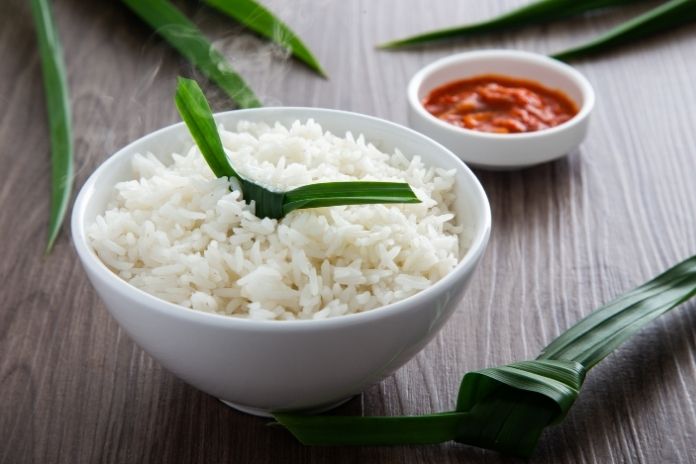
Looking at common foods helps clarify the difference. Watermelon raises blood sugar quickly but contributes relatively little total carbohydrate in a standard serving, so its impact is limited. White rice, on the other hand, both digests quickly and delivers a substantial carbohydrate load, making it more likely to cause a pronounced spike.
Whole grains such as oats or quinoa provide a middle ground. Their fiber content slows digestion, and when eaten in controlled portions, they result in a more gradual and sustained glucose response.
Which Matters More for People With Diabetes?
When Glycemic Index Is Helpful
The glycemic index is most useful when comparing similar foods. It helps identify which options are absorbed more slowly and are less likely to cause rapid spikes. It is also helpful for understanding how different carbohydrates behave physiologically, especially in relation to post-meal glucose patterns.
When Glycemic Load Is More Practical
Glycemic load becomes more relevant in everyday life because it reflects portion size. It helps answer the practical question: how much will this meal affect my blood sugar?
For people managing diabetes, this makes GL more actionable. It supports better portion control and helps prevent cumulative glucose elevations across multiple meals.
Why Using Both Together Can Improve Blood Sugar Control
Rather than choosing between GI and GL, using both together provides a more complete strategy. GI helps us select food by identifying slower-digesting carbohydrates, while GL ensures that portion sizes remain appropriate. Together, they help reduce large swings in blood glucose, also known as glycemic variability, which is linked to better long-term outcomes.
Factors That Change a Food’s Glycemic Impact

Fiber Content
Fiber slows the digestion and absorption of carbohydrates, reducing the rate at which glucose enters the bloodstream. Foods high in fiber tend to produce a lower glycemic response and contribute to improved blood sugar stability.
Fat and Protein in the Meal
When carbohydrates are consumed with fat or protein, digestion slows down. This delays glucose absorption and leads to a more gradual rise in blood sugar, even if the carbohydrate source itself has a higher GI.
Cooking and Processing Methods
Processing and cooking can significantly alter glycemic impact. Highly processed foods are digested more quickly, while whole foods retain their structure and slow absorption. Overcooking starches can also increase their glycemic effect by making them easier to digest.
Ripeness (For Fruits)
As fruits ripen, their starch content converts into simple sugars, increasing their glycemic effect. Less ripe fruits generally produce a slower and more controlled rise in blood glucose.
Low Glycemic Load Food Choices for Better Blood Sugar Control
Non-Starchy Vegetables
Non-starchy vegetables are naturally low in carbohydrates and have minimal impact on blood sugar. They also provide fiber, vitamins, and volume, which help improve satiety and overall dietary quality.
Whole Grains and Legumes
Whole grains and legumes contain complex carbohydrates and fiber, which slow digestion and support a more stable glucose response. When eaten in appropriate portions, they can be part of a balanced diabetes-friendly diet.
Fruits With Lower Glycemic Impact
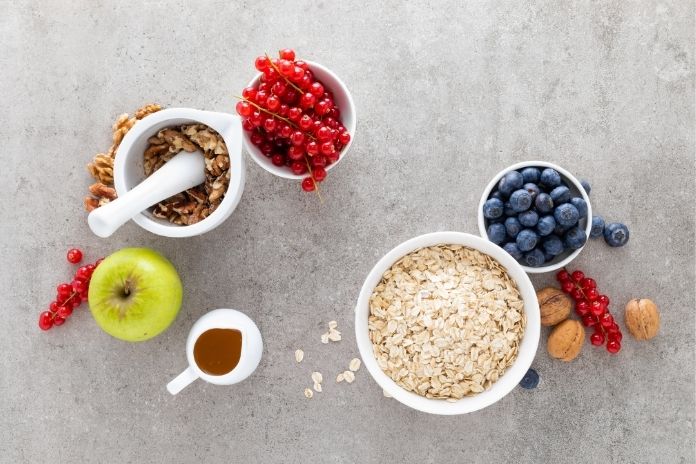
Fruits such as apples, berries, and pears tend to have a lower glycemic load due to their fiber and water content. They can be included regularly without causing significant spikes when portion sizes are controlled.
Balanced Meal Examples
Meals that combine carbohydrates with protein, fat, and fiber produce a lower overall glycemic response. For example, pairing grains with legumes and vegetables or combining fruit with nuts or yogurt slows absorption and improves blood sugar stability.
How to Use GI and GL in Daily Meal Planning
Building Balanced Plates
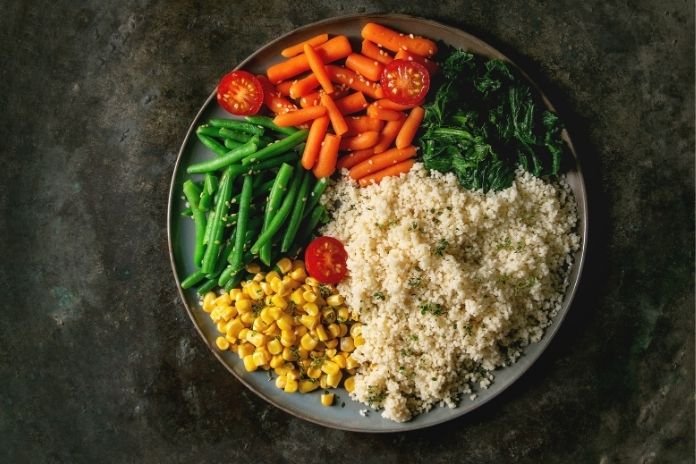
A balanced plate naturally reduces glycemic load by distributing nutrients across food groups. Including vegetables, protein, and controlled portions of carbohydrates helps stabilize glucose levels without requiring constant calculations.
Smart Portion Control Strategies
Portion awareness is critical. Even nutrient-dense carbohydrate foods can raise blood sugar if consumed in excess. Consistency in portion sizes and mindful eating habits can significantly improve glucose control.
Combining Carbohydrates With Protein and Healthy Fats
Pairing carbohydrates with protein and healthy fats slows digestion and reduces post-meal spikes. This approach also improves satiety, making it easier to maintain consistent eating patterns.
Common Mistakes When Using the Glycemic Index
Ignoring Portion Sizes
Focusing only on GI without considering portion size often leads to unexpected blood sugar spikes. Quantity plays a central role in determining glycemic response.
Assuming All Low-GI Foods Are Healthy
A low GI value does not guarantee overall nutritional quality. Some low-GI foods may still be high in calories, fats, or added sugars, which can negatively impact overall health.
Overlooking Total Carbohydrate Intake
Even when using GI and GL, total carbohydrate intake remains a major factor in blood glucose control. These tools should complement, not replace, overall carbohydrate awareness.
When Glycemic Index and Load May Be Less Useful
Individual Blood Sugar Variability
Different individuals can respond very differently to the same food. Factors such as insulin sensitivity, gut microbiome, physical activity, and stress all influence blood sugar response.
Role of Continuous Glucose Monitoring
Continuous glucose monitoring provides real-time data on how specific foods affect an individual. This personalized feedback can be more informative than generalized GI or GL values.
Importance of Personalized Nutrition
While GI and GL are useful frameworks, the most effective dietary approach is personalized. Tailoring food choices based on individual responses, preferences, and medical needs leads to better long-term outcomes.
Read More: Type 1 Diabetes and Long-Term Health
Key Takeaway
Glycemic index and glycemic load both help predict how foods affect blood sugar, but they serve different roles. Glycemic index explains how quickly carbohydrates raise blood glucose, while glycemic load reflects the actual impact based on portion size.
For people with diabetes, glycemic load often provides more practical guidance. However, using both together, along with balanced meals and personalized monitoring, offers the most effective strategy for achieving stable blood sugar control.
References
- American Diabetes Association. (n.d.). Non-starchy vegetables.
- Joslin Diabetes Center. (2021, July). Carbohydrates, protein, and fats.
- Livesey, G., Taylor, R., Hulshof, T., & Howlett, J. (2008). Glycemic response and health: A systematic review and meta-analysis. The American Journal of Clinical Nutrition, 87(1), 258S–268S.
- Glycemic Index Guide. (n.d.). Glycemic load.
- Academy of Nutrition and Dietetics. (n.d.). What is the glycemic index?
In this Article