



















Modern research increasingly links obesity to long-term dietary patterns that disrupt metabolic health, alter gut microbiota, and promote chronic low-grade inflammation. Obesity is no longer just seen as a problem of calorie imbalance.
We’ll look at how prebiotic snacks for obesity might help break this pattern in this article. We will also discuss how gut bacteria affect weight control, how fiber affects inflammation, and how simple food-based snack modifications can improve metabolic outcomes.
- High-fat, low-fiber diets disrupt gut bacteria, increasing inflammation and weight gain.
- Prebiotic snacks (fiber-rich foods) support healthy gut microbes, improving satiety and metabolism.
- Small snack swaps like fruits, oats, and legumes can reduce cravings and support long-term weight management.
Read More: Prebiotic Soda: Can It Really Improve Digestion?
The High-Fat, Low-Fiber Cycle in Obesity
The modern diet is typically very low in fiber and high in refined carbs, saturated fats, and ultra-processed foods. Poor dietary choices lead to gut dysbiosis and increased fat deposition, and this imbalance is a primary factor in fiber inflammation and weight gain.
Metabolic health is known to be impacted by changes in the gut flora. The composition of the gut microbiome, a group of bacteria, viruses, fungi, and other multicellular creatures that reside in the gastrointestinal tract, is significantly altered by diets rich in fat and low in fiber, according to physiologists at Laval University in Canada. The American Journal of Physiology: Gastrointestinal and Liver Physiology published these findings.
Researchers identified the main dietary components influencing the gut microbiome and their roles in obesity and other metabolic disorders, using a mouse model. Feeding mice food high in fat and low in fiber altered their gut microbiota.
“What we have shown is that by increasing the amount of fiber in your diet and lowering the amount of fat, you work on two very important components that will improve your health,” said André Marette, Ph.D., of Laval University in Canada.
In addition to increasing calorie intake, processed foods high in fat also interfere with gastrointestinal signaling networks. These meals increase levels of inflammatory markers while decreasing beneficial bacteria. It worsens inflammation from a high-fat, low-fiber diet, leading to long-term metabolic strain.
Inflammatory chemicals can enter the bloodstream when the intestinal lining becomes more porous due to an imbalance in gut bacteria. It leads to metabolic inflammation, a major contributor to the complications of obesity.
What Are Prebiotic Snacks?
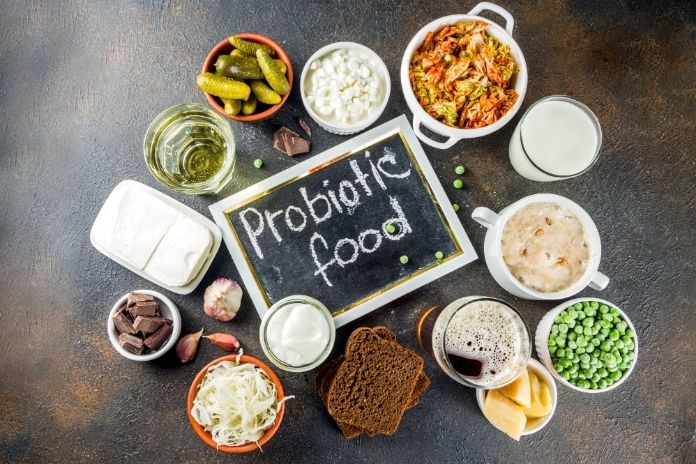
There are trillions of microorganisms in your stomach, some of which are beneficial. Prebiotics are indigestible substances (often certain fibers) that are specifically utilized by healthy gut microorganisms and, when administered appropriately, promote your well-being.
Short-chain fatty acids are produced when these bacteria ferment prebiotic fiber, boosting immune signaling and the gut barrier. Research is ongoing to determine whether these substances may also affect the gut-brain link.
Definition of prebiotic fibers
Prebiotics are indigestible fibers that specifically promote the growth of good bacteria. By enhancing satiety, digestion, and metabolic function, this promotes prebiotic fiber weight loss.
Difference between probiotics and prebiotics
Although prebiotics and probiotics have similar names, they have different effects on gut health.
Prebiotic foods include indigestible ingredients that your gut’s microbes can utilize and break down. You can think of prebiotics as nutritious nourishment for your gut’s microbes.
Live, active microorganisms found in probiotic meals help other intestinal microbes. Consider probiotics as collaborators with the microbes that maintain the health of your digestive system.
Common food-based prebiotic snack options
Plant foods high in fiber include prebiotics, such as:
Fruits: Melons, oranges, bananas, and apples.
Vegetables: Asparagus, avocado, beets, broccoli, cabbage, cauliflower, dandelion greens, dried chicory root, fennel, garlic, green beans, Jerusalem artichokes, jicama, leafy greens, leeks, mushrooms, onions, peas, pumpkin, and sweet potatoes are examples of vegetables.
Beans and Grains: whole wheat, rye bread or crackers, barley, beans, bran products, buckwheat, farro, oats, and quinoa.
Nuts and Seeds: walnuts, cashews, chia seeds, flax seeds, and pistachios.
Read More: Beyond Yogurt: 5 Fermented Foods That Support Gut Health on a Dairy-Free Diet
How Prebiotic Fiber May Influence Weight Regulation
Obesity has become much more common over the last few decades, highlighting the role of environmental factors. Increased sedentariness and the widespread availability of inexpensive, high-energy foods have been identified as major contributors to socioeconomic progress, particularly in Western nations.
In this regard, a Western diet’s altered fatty acid composition, which is often high in trans and saturated fatty acids, elevates serum levels of total and low-density lipoprotein (LDL) cholesterol, thereby increasing the risk of chronic vascular diseases. Additionally, several chronic illnesses, such as hypertension and stroke, can result from diets heavy in salt and deficient in potassium.
Because prebiotics boost gut bacteria that affect inflammation, hunger, and digestion, they may aid in weight management. Certain gut microorganisms use them as fuel to produce short-chain fatty acids (SCFAs), such as butyrate and propionate, which may affect satiety signals and metabolism.
Researchers have investigated two prebiotics, inulin and oligofructose, for their possible effects on body fat and appetite management. Incorporating regular prebiotic servings into a balanced diet and active lifestyle can strengthen long-term metabolic health.
Reducing Inflammation Through Gut Microbiome Support

Gut health largely controls inflammation and the development of metabolic diseases.
Toxins cannot reach the bloodstream when the intestinal barrier is intact. Prebiotic fibers help strengthen gut barrier integrity, reducing systemic inflammation and supporting metabolic health.
Beneficial bacteria lower inflammatory signals and control immune responses. It directly lowers metabolic inflammation, which plays a significant role in the development of obesity.
Lower levels of inflammatory markers, like CRP, are associated with higher fiber intake. It supports the role of a high-fat, low-fiber diet in inflammation reversal through dietary change.
Key Prebiotic Fibers That May Support Weight Management
Different kinds of fibers have different metabolic advantages.
Resistant Starch
You may already be familiar with resistant starch. It may be beneficial for managing blood sugar and for weight loss. It is your chance to find out more if you’ve never heard of it.
A carbohydrate known as resistant starch ferments in the large intestine after resisting digestion in the small intestine. The fibers serve as a prebiotic, nourishing the beneficial bacteria in the stomach as they ferment. Resistant starch comes in various forms. We categorize them by source or structure, and a single food may include more than one kind of resistant starch.
The body usually breaks down starches into glucose during digestion. Resistant starch does not increase the glucose because it does not break down the small intestine. Because the fermentation in the large intestine produces more beneficial bacteria and fewer harmful ones, gut health improves. A healthy gut microbiome can enhance glycemic regulation.
Increased feelings of fullness, constipation treatment and prevention, cholesterol reduction, and a decreased risk of colon cancer are other advantages of resistant starch. Compared to other fibers, resistant starch produces less gas because it ferments more slowly.
Beta-Glucans
One billion people worldwide suffer from obesity, a chronic illness that has reached epidemic proportions. Well-known medical comorbidities linked to excess body weight include the metabolic syndrome, insulin resistance, type 2 diabetes, coronary artery disease, stroke, and hypertension.
The cell walls of some bacteria, fungi, and plants contain beta-glucan, a soluble dietary fiber. It is mostly found in oats, barley, yeast, mushrooms, and seaweed and is composed of long chains of glucose molecules. Concentrated plant-based dietary supplements also contain it.
Researchers know that beta-glucan stimulates immune cells such as neutrophils and macrophages. These cells may strengthen the body’s resistance against infections. As a prebiotic, beta-glucan can also help control blood sugar levels and promote gut health.
Pectin
Fruits and vegetables contain a special type of fiber called pectin.
It is a soluble fiber made up of a lengthy chain of indigestible carbohydrates called a polysaccharide. Pectin is an excellent thickener for jams and jellies because it expands and gels when heated in liquid.
After consumption, it also gels in your digestive system, offering several health benefits. Apples and citrus peels, which are abundant sources of this fiber, are used to make the majority of pectin products.
Arabinoxylans
Cereal grains like wheat, corn, rice, rye, oats, and barley contain the dietary fiber arabinoxylan. It serves as a medication.
There is no solid scientific evidence to support the oral use of arabinoxylan for heart disease, constipation, diabetes, prediabetes, metabolic syndrome, and weight reduction.
Arabinoxylan may function by lowering the quantity of cholesterol and sugar absorbed in the intestines and stomach. Additionally, it may alter the composition of intestinal microorganisms.
Read More: 6 Fermented Drinks You Should Drink for Gut Health (Backed by Evidence)
Prebiotic Snack Ideas to Replace High-Fat Options
A useful strategy to enhance gut health is to swap processed foods for those high in fiber.
- Berries, nuts, and chilled oats
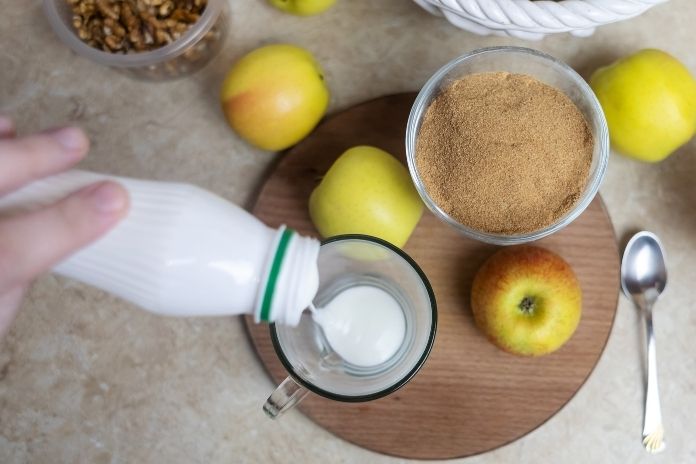
- Apple slices with nutritious grains and nut butter
- Mildly spiced roasted chickpeas
- Snack bowls with vegetables and lentils
These options help support prebiotic foods, control appetite, improve satiety, and reduce cravings for ultra-processed foods.
How Prebiotic Snacks May Help Break the Inflammation Cycle
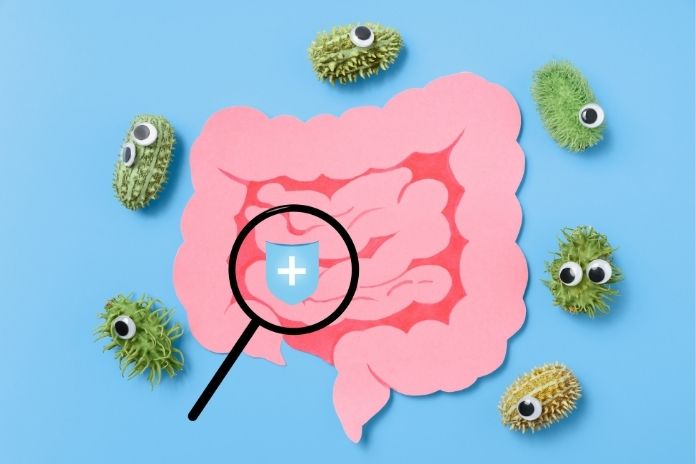
By encouraging the growth of beneficial bacteria, prebiotic meals support a healthy gut microbiome. It may boost immunity, lessen inflammation, improve digestion, and possibly increase calcium absorption.
By promoting the synthesis of short-chain fatty acids (SCFAs), a diet high in prebiotic foods has been demonstrated to benefit digestive health.
Because of their anti-inflammatory properties, SCFAs can help reduce the symptoms of several inflammatory diseases, like Crohn’s disease and irritable bowel syndrome (IBS), while also bolstering the immune system’s defense against harmful microorganisms that enter the digestive system.
Additionally, studies have shown that prebiotics can influence the immune system by encouraging the growth of good bacteria, which in turn generate nutrients like butyrate, a substance that is known to reduce the inflammation and enhance function of the gut barrier.
Increased fiber consumption enhances glucose responsiveness, lowers insulin spikes, and promotes reduced insulin resistance. Replacing the unhealthy snacks with fiber-rich alternatives helps to shift long-term eating patterns and reduces the risk of weight gain and inflammation.
Who May Benefit Most
People with poor fiber intake, frequent use of processed foods, and metabolic risk factors like prediabetes or abdominal obesity may benefit most from prebiotic snacks for obesity.
Improved gut microbiome obesity support through food may also help those with low satiety, frequent cravings, or inconsistent digestion.
Introducing Prebiotic Snacks Without Digestive Discomfort
Start Low and Increase Gradually: Increasing fiber too quickly can cause bloating, so start low and increase gradually. Over time, gradual introduction will promote improved adaptability and strengthen the gut barrier integrity.
Combine with Hydration: Drinking water helps fiber move efficiently through the digestive tract, which lessens discomfort.
Combine Several Fiber Types: Adding resistant starch, beta-glucans, and pectin enhances the benefits of prebiotic fiber for weight loss and boosts overall microbiome diversity.
Read More: Best Probiotics for Gut Health: Strains That Actually Work and How to Choose
When Diet Alone May Not Be Enough
Although dietary modifications have a significant impact, obesity is a complex condition.
Physical Activity’s Role: Exercise enhances insulin sensitivity and enhances the advantages of dietary fiber.
Effects of Sleep and Stress: Even with a nutritious diet, prolonged stress and poor sleep can exacerbate metabolic inflammation.
Medical Evaluation for Metabolic Problems: In addition to dietary modifications, conditions such as hypothyroidism or advanced insulin resistance may require medical attention.
Read More: 6 Gut Health Mistakes We Made Before Understanding Digestion
Conclusion
Reducing calories alone is not enough to combat obesity; you must also improve gut health and general eating habits. Prebiotic snacks for obesity can be an easy yet powerful strategy to avoid high-fat, low-fiber diets that cause metabolic imbalance and inflammation.
Over time, these high-fiber snacks may help control hunger, enhance digestion, and improve energy balance by promoting healthy gut flora.
Focusing on whole, minimally processed foods that support the microbiome can significantly improve long-term weight management.
References
- News Medical Life Sciences. (June 15, 2021). Low-fiber, high-fat diets cause significant shifts in the gut microbiome.
- Medical Xpress. (2021, June 15). Low-fiber, high-fat diets adversely impact the gut.
- MDVIP. Your guide to probiotics and prebiotics in food.
- HealthTree Foundation. (July 20, 2015). Probiotics and prebiotics: Their role in supporting your immune system.:
- MD Anderson Cancer Center. (February 05, 2025). Prebiotics versus probiotics: What’s the difference?
- Gianina Deines. (July 23, 2025). Do Prebiotics Help With Weight Loss? Science That May Shift the Scale.
- Johns Hopkins Patient Guide to Diabetes. What is resistant starch?
- WebMD. Arabinoxylan: Uses, side effects, and more.
In this Article