















You noticed it sometime around month three. Not in the mirror, but glancing down at your hands on the steering wheel, the tendons more visible than they used to be, the skin sitting differently over your knuckles. You have lost weight, and the numbers on the scale have shifted in the right direction. But your hands look like they belong to a different version of you.
If this sounds familiar, you are not alone. Rapid weight loss from GLP-1 receptor agonists like semaglutide (Wegovy, Ozempic) and tirzepatide (Mounjaro, Zepbound) can reduce subcutaneous fat throughout the body, and the hands, already a region with relatively little padding, are especially prone to visible change.
Protecting hand volume during GLP-1 weight loss is not about vanity, and it will not fully stop what is happening under the skin. But a deliberate, evidence-informed approach focused on preserving lean tissue, supporting skin structure, and moderating the pace of fat loss can meaningfully reduce how pronounced these changes become.
This article walks through seven practical, research-backed steps, what they can realistically accomplish, and when to consider speaking with a medical professional about Ozempic hand prevention.
- GLP-1 medications like semaglutide and tirzepatide drive systemic fat loss, and the hands are among the most visibly affected areas.
- Adequate protein intake (1.2 to 2.0 g/kg/day) combined with consistent resistance training is the two most evidence-backed strategies for limiting lean tissue loss.
- Supporting collagen and skin health through vitamin C, zinc, hydration, moisturizing, and daily sunscreen on the hands can reduce surface-level changes.
- Cosmetic options such as hyaluronic acid fillers are available for those with persistent concerns after weight has stabilized.
Read More: GLP-1 Medications and Muscle Loss: How to Preserve Lean Mass While Losing Weight
Why Hand Volume Loss Happens During GLP-1 Weight Loss
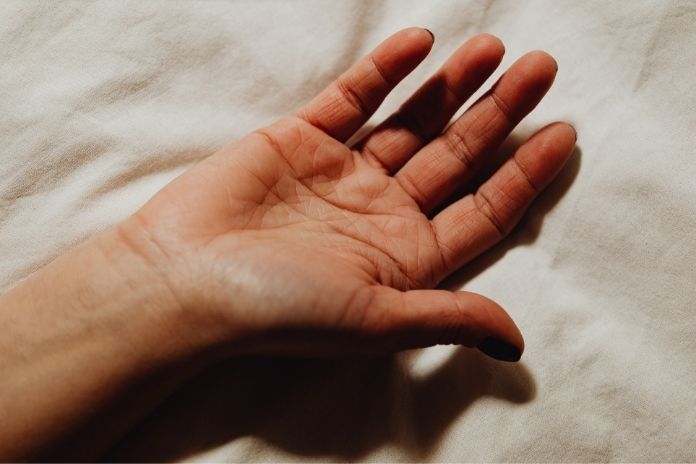
GLP-1 medications work by mimicking a natural gut hormone that regulates appetite, slows gastric emptying, and improves insulin sensitivity. The result is a sustained caloric deficit over months, which drives systemic fat loss rather than targeted reduction in any area the body selectively chooses.
The hands contain very little subcutaneous fat relative to areas like the abdomen or thighs. Their skin is naturally thin, and when even a modest amount of fat is lost from this region, underlying structures, including veins, tendons, and bones, become visibly more prominent.
This is what popular media calls “Ozempic hands,” though the phenomenon occurs with any method of significant weight loss, not exclusively with GLP-1 medications.
Lean tissue loss is part of the picture as well. A 2024 review in Diabetes, Obesity and Metabolism found that lean soft tissue accounted for 26% to 40% of total weight lost in GLP-1 trials, a range that has prompted serious clinical attention around muscle-sparing strategies. Age-related collagen decline adds a third layer of vulnerability.
After age 30, collagen production falls by roughly 1% per year, limiting the skin’s capacity to adapt to volume changes when GLP-1 therapy begins.
What the “Anti-Wasting” Protocol Aims to Do
The term “anti-wasting” is functional, not cosmetic in focus. It describes a set of lifestyle and nutritional strategies designed to preserve lean body mass, support collagen and skin structure, moderate the rate of weight reduction when possible, and maintain hydration and overall skin quality during active GLP-1 therapy.
This protocol will not prevent all fat loss in the hands. What it can do is reduce the proportion of weight lost from lean tissue, slow collagen degradation, and give the skin more time to adapt. Individual outcomes vary based on age, genetics, skin elasticity, and the speed of weight loss. The goal throughout is to minimize visible changes, not eliminate them.
Step 1: Prioritize Adequate Protein Intake to Prevent Hand Volume Loss on GLP-1 Medications
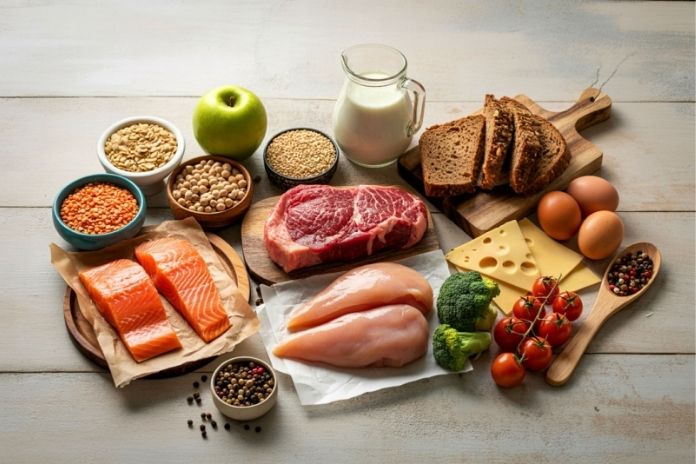
Protein is the single most evidence-supported nutritional strategy for preserving lean mass during weight loss on GLP-1 medications.
A prospective 6-month study of 200 adults on semaglutide or tirzepatide, presented at the Endocrine Society’s 2025 annual meeting, found that participants who received individualized protein guidance lost about 13% of body weight but only about 3% of their muscle mass.
The study’s lead researcher, Dr. Melanie Haines, MD, of Massachusetts General Hospital and Harvard Medical School, noted that the findings carry particular relevance for women and older individuals: “Older adults and women may be more likely to lose muscle on semaglutide, but eating more protein may help protect against this.”
Research supports a daily target of 1.2 to 2.0 grams of protein per kilogram of body weight during active GLP-1 therapy, well above the standard dietary reference intake of 0.8 g/kg. Spreading protein across meals rather than concentrating it in one sitting improves muscle protein synthesis throughout the day.
Lean meats, fish, eggs, dairy, legumes, and tofu all contribute meaningfully. For plant-based eaters, combining complementary sources such as rice and beans ensures adequate essential amino acid coverage.
Step 2: Include Resistance Training
Resistance training is the physiological signal that tells the body to preserve muscle during a caloric deficit. Without it, the body has no particular reason to protect lean tissue.
A case series published in PMC (2025) followed three patients on semaglutide or tirzepatide who combined resistance training 3 to 5 days per week with adequate protein intake. Their lean soft tissue outcomes ranged from a 6.9% decrease to a 5.8% increase, far better than the 26% to 40% lean mass losses typically seen in trials without these interventions.
A separate systematic review noted that resistance exercise can reduce fat-free mass loss by 50% to 95% during calorie-restricted dieting.
Dr. Caroline Apovian, MD, co-director of the Center for Weight Management and Wellness at Brigham and Women’s Hospital, has stated that combining a high-protein diet and regular exercise with GLP-1 treatment delivers “the greatest benefit in preserving bone and muscle mass” compared to diet alone.
For beginners, three sessions per week using weights, resistance bands, or bodyweight movements is a practical and effective starting point. Squats, rows, push-ups, and deadlifts engage large muscle groups and generate meaningful preservation signals. Consistency matters more than intensity in the early weeks.
Step 3: Avoid Rapid, Extreme Calorie Deficits
The pace of weight loss is one of the most modifiable factors influencing how pronounced visible changes become in the hands and elsewhere. When fat loss exceeds roughly 1 to 1.5% of body weight per week, the skin has far less time to adapt to the reduced volume beneath it.
The collagen and elastin network cannot remodel fast enough to keep pace, and thin-skinned areas like the hands show the mismatch most obviously. This is why older adults and individuals with reduced skin elasticity tend to see more pronounced changes at equivalent rates of loss.
Read More: Ozempic vs. Wegovy: What’s the Difference, and Which One Is Right for You?
Step 4: Support Collagen and Skin Health to Preserve Collagen During Weight Loss
Collagen is the structural protein responsible for skin firmness, elasticity, and volume. It gives hands their natural fullness and is among the first casualties of both aging and rapid weight loss. Vitamin C plays a central role in collagen synthesis, acting as a cofactor for lysyl and prolyl hydroxylase, two enzymes essential for building stable collagen chains.
Research published in Scientific Reports confirmed that vitamin C directly stimulates biosynthesis of skin collagen types I and III, both of which decline with age.
Citrus fruits, bell peppers, kiwi, strawberries, and broccoli are reliable dietary sources. Zinc and copper also matter. Zinc supports cell repair and protein metabolism, while copper is required for the enzyme lysyl oxidase, which cross-links collagen fibers into a stable matrix.
On collagen supplements, the evidence has strengthened considerably. A 2024 randomized, double-blind, placebo-controlled trial in Dermatology Research and Practice found that daily supplementation with hydrolyzed collagen combined with vitamin C measurably improved dermal collagen content, hydration, and elasticity over 12 weeks.
At 5 to 10 grams per day with vitamin C co-intake, these supplements represent a reasonable complement to dietary efforts. As always, discuss supplementation with a healthcare provider before starting.
Read More: What Happens to Your Collagen After 25 and 5 Early Signs You’re Losing It
Step 5: Hydration and Skin Moisture
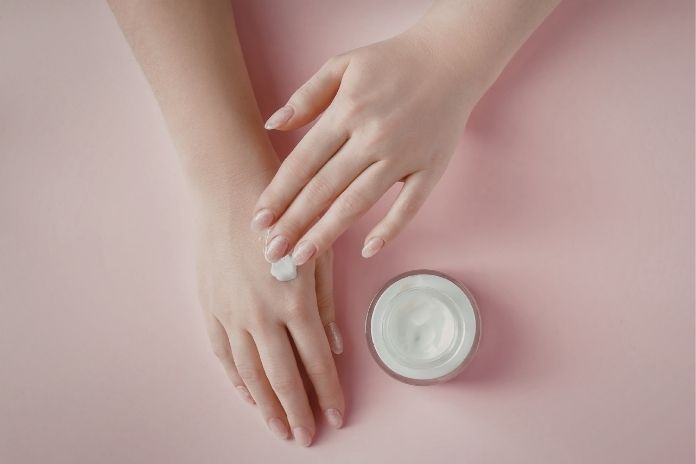
Hydration affects skin plumpness through two distinct pathways: systemic water intake and topical moisture retention. Well-hydrated skin maintains elasticity, cushion, and barrier function more effectively than dehydrated skin. During GLP-1 therapy, reduced food intake can lower overall fluid consumption when meals are served as a primary hydration source.
A general target of 2 to 3 liters of water daily is commonly recommended for individuals undergoing active weight loss. Adequate dietary fat from olive oil, avocados, nuts, and fatty fish also supports the skin’s lipid barrier, which governs moisture retention.
Topical moisturizers improve skin surface appearance but do not penetrate deeply enough to rebuild subcutaneous fat or restore structural volume. A good hand cream applied after washing reduces dryness and maintains surface suppleness, particularly helpful for managing the look of crepey skin.
Sunscreen on the backs of the hands is underused but evidence-supported. UV exposure accelerates collagen breakdown through matrix metalloproteinase activation, and applying a broad-spectrum SPF 30 or higher daily limits this ongoing collagen loss.
Step 6: Maintain Overall Nutritional Adequacy
One underappreciated risk of GLP-1 therapy is what happens when significantly reduced appetite leads to nutritional gaps that quietly accelerate tissue breakdown.
A 2025 narrative review in ScienceDirect found that among GLP-1 users with obesity, only 43% consumed at least 1.2 g/kg of protein daily, and just 5% reached 2.0 g/kg, despite these being the targets most evidence supports.
Beyond protein, key micronutrients to monitor include vitamin D, vitamin B12, iron, zinc, and omega-3 fatty acids. A multivitamin calibrated for weight loss patients can provide a safety net, but whole-food adequacy remains the priority.
Dr. Saami Khalifian, MD, FAAD, has described what prolonged nutritional inadequacy does to skin architecture during GLP-1 therapy: the changes extend beyond volume depletion and involve “a complete restructuring of skin architecture” across collagen integrity, elastin fiber networks, and dermal white adipose tissue.
Eating too little while on a GLP-1 is not simply an aggressive weight-loss strategy. It is a risk factor for accelerated skin aging. A balanced plate approach that includes lean protein, vegetables, whole grains, and healthy fats at each meal, even in smaller GLP-1-reduced portions, ensures the body receives raw materials to maintain tissue health throughout active weight loss.
Read More: Foods That Worsen Ozempic Side Effects, and What Actually Helps
Step 7: Gentle Hand-Specific Care
The daily habits affecting hand appearance are modest but worth building consistently, particularly at the skin surface level. Regular moisturizing prevents the cracking and dryness that make volume changes look more severe than they are. Plain hand cream applied after washing reduces roughness and the appearance of venous prominence.
Avoiding harsh soaps with alcohol or strong detergents preserves the skin’s natural barrier oils, which contribute to suppleness. Protecting hands from excessive sun exposure limits ongoing UV-driven collagen degradation. Gentle exfoliation once or twice weekly removes dead skin cell buildup that dulls surface appearance.
These steps address appearance at the surface. They cannot rebuild subcutaneous fat or reverse structural volume changes. But they make the overall appearance of the hand more uniform and less exaggerated, which matters to many people navigating the cosmetic side effects of significant weight loss.
What This Protocol Can and Cannot Prevent
The anti-wasting protocol, consistently applied, may reduce the proportion of lean tissue lost, slow collagen degradation, support skin surface quality, and moderate how pronounced visible changes in the hands become. It cannot stop subcutaneous fat loss entirely.
The body loses fat systemically, and once meaningful weight is lost, some thinning of the hand fat layer is a near-universal outcome. How visible that change becomes depends on the rate of loss, individual skin elasticity, age, baseline body composition, and genetic factors, none of which are fully controllable.
Many people who follow these steps still notice some change. The goal is reduction, not prevention.
When to Consider Medical Options for Hand Volume Loss
If hand volume loss is significant enough to affect quality of life after reaching a stable weight, cosmetic options are well-documented and increasingly accessible. Hyaluronic acid dermal fillers, such as Restylane Lyft (FDA-approved for hand volume restoration), can be injected into the dorsal hands to reduce the prominence of veins and tendons, with results lasting 6 to 18 months.
Biostimulatory fillers such as calcium hydroxylapatite and poly-L-lactic acid provide additional benefit by stimulating the body’s own collagen production over time. A 2024 review in The Journal of Cosmetic Dermatology described these agents as increasingly central to managing aesthetic changes driven by GLP-1-induced weight loss.
Who Should Be Extra Cautious About GLP-1 Hand Aging Prevention
Certain individuals carry a higher risk for significant hand volume changes and should apply the anti-wasting protocol from the start of GLP-1 therapy. Adults over 40 have already lost a substantial baseline of collagen and skin elasticity, leaving less biological buffer against rapid depletion.
Women near or past menopause face an accelerated collagen loss rate on top of the existing age-related decline. Those losing more than 1 to 1.5% of total body weight per week are outpacing the skin’s natural remodeling capacity.
People with a history of loose skin after previous weight loss episodes, or those following very low-calorie diets alongside GLP-1 therapy, should discuss nutritional supplementation and resistance training programming explicitly with their healthcare provider from the outset.
Early conversations with a registered dietitian and an exercise professional can help these higher-risk individuals establish protein targets and a resistance training routine at treatment initiation, before visible changes have occurred.
Read More: GLP-1 Medications vs. Bariatric Surgery: Which Is Right for You?
Conclusion: Protecting Hand Volume During GLP-1 Weight Loss
Preventing hand volume loss on GLP-1 medications is not a single intervention. It is a sustained, layered approach: adequate protein to protect lean tissue, resistance training to preserve muscle, controlled weight-loss pacing to give the skin time to adapt, collagen-supportive nutrition to slow structural degradation, and consistent daily care to maintain surface quality.
When applied together from the start of treatment, these strategies can reduce how pronounced hand volume changes become, even if they cannot stop fat loss entirely. Some change in hand fullness is likely with any meaningful reduction in body weight.
Realistic expectations, proactive planning, and open communication with a prescribing physician make the process manageable, and for those with significant concerns after weight stabilizes, qualified cosmetic options are available and supported by a growing evidence base.
References
- Apovian, C., Yerevanian, A., & Dushay, J. (2025). Preserving lean body mass in patients taking GLP-1 for weight loss. Mass General Brigham Medical Grand Rounds.
- Haines, M. (2025, June). Consuming more protein may protect patients taking anti-obesity drug from muscle loss [Conference presentation]. ENDO 2025, Endocrine Society Annual Meeting, San Francisco, CA.
- Haykal, D., et al. (2025). The role of GLP-1 agonists in esthetic medicine: Exploring the impact of semaglutide on body contouring and skin health. Journal of Cosmetic Dermatology, 44(2).
- Neeland, I., et al. (2024). Changes in lean body mass with glucagon-like peptide-1-based therapies and mitigation strategies. Diabetes, Obesity and Metabolism, 26(9).
- Paschou, I. A., et al. (2025). GLP-1RA and the possible skin aging. Endocrine, 89(3), 680–685.
- Peralta-Reich, D. (2025). Resistance training and protein may lower GLP-1 RA muscle loss [Conference presentation]. Medscape Clinical Coverage.
- Reilly, D. M., et al. (2024). A clinical trial shows improvement in skin collagen, hydration, elasticity, wrinkles, scalp, and hair condition following 12-week oral intake of a supplement containing hydrolysed collagen. Dermatology Research and Practice, 2024, 8752787.
- Sciencedirect (2025). Dietary supplement considerations during glucagon-like peptide-1 receptor agonist treatment: A narrative review.
- Sciton. (2026, March). What providers are noticing about GLP-1s and skin and how laser treatments can help.
- Spearman, D., & Camp, B. (2025). How weight loss tied to GLP-1 affects the skin and what to do about it. TODAY.
- Vilarrasa, E., et al. (2024). Saving muscle while losing weight: A vital strategy for sustainable results while on GLP-1-related drugs. PMC.
- Vitamin C–squalene bioconjugate promotes epidermal thickening and collagen production in human skin. (2020). Scientific Reports.
- Zhao, J., et al. (2025). Preservation of lean soft tissue during weight loss induced by GLP-1 and GLP-1/GIP receptor agonists: A case series. PMC.
- MedlinePlus. (2024, May 14). 10 ways to cut 500 calories a day. U.S. National Library of Medicine.
- Centers for Disease Control and Prevention. (2025, December 4). Tips for cutting calories.
- Mayo Clinic Staff. (n.d.). Counting calories: Get back to weight-loss basics. Mayo Clinic.
- Mazur, S. (2024, April 26). How to balance your metabolism when in a calorie deficit. Henry Ford Health.
- PharmEasy. (2026, January 1). Calorie deficit diet: What is it, how to follow, strategies and more.
In this Article