













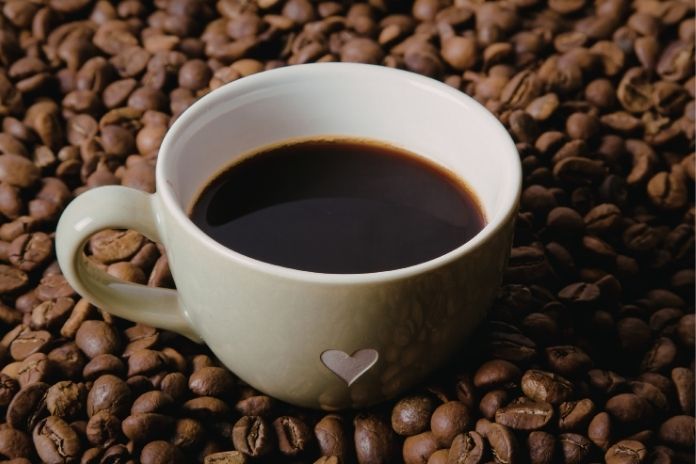
You make your morning coffee, and something is wrong. It doesn’t smell burnt, exactly. It smells like burning rubber, or chemicals, or something vaguely rotten that you can’t quite name. The coffee looks fine. It smells fine to everyone else. But for you, one of the most familiar aromas in the world has become actively unpleasant, and you have no idea why.
This is parosmia, one of two major smell disorders that can completely reshape how the world smells, often arriving without warning and frequently following a respiratory illness.
Coffee smells like burning rubber for a specific reason related to how the damaged olfactory nerve processes complex volatile compounds, and understanding that reason is the first step toward making sense of what is happening.
Olfactory dysfunction symptoms affect an estimated 5% of the general population at any given time, and following COVID-19, awareness of smell disorders expanded dramatically. But parosmia and its closely related condition, phantosmia, are not new.
They have been documented for decades across viral infections, head injuries, sinus disease, and neurological conditions. What is new is the scale, the research interest, and the growing understanding of how the olfactory nerve damage underlying both conditions can, in many cases, be rehabilitated.
- Parosmia distorts real smells (coffee smells like burning rubber), while phantosmia creates smells with no source (like smoke in an empty room).
- Both can occur after viral infections, nasal inflammation, or damage to the olfactory nerves.
- These disorders can significantly affect appetite, mood, and overall quality of life.
- Smell training therapy is the most evidence-backed method, helping retrain the brain and support olfactory nerve recovery over time.
Why Your Coffee Suddenly Smells Like Burning Rubber

Coffee produces one of the most chemically complex aromas in the food world, containing over 800 volatile organic compounds that the olfactory system processes simultaneously to create the single familiar impression of “coffee.”
Among those compounds are sulfur-containing molecules, pyrazines, furans, and aldehydes that are structurally similar to compounds found in burning rubber, chemicals, and foul-smelling gases.
When olfactory nerve damage disrupts how receptor neurons encode and transmit odor signals, they do not simply stop working. In many cases, they continue sending signals, but in distorted or incomplete patterns. The brain, receiving garbled input from partially recovered neurons, attempts to interpret the signal and arrives at the closest match in its catalog.
For complex roasted aromas that share chemical structural elements with offensive odors, the result is often distortion toward the unpleasant: burning, chemical, foul, or rotten.
This is why coffee smells like burning rubber with parosmia. It is also why coffee, along with onions, garlic, eggs, and meat, consistently appears at the top of trigger food lists for parosmia patients. These foods share aromatic compound profiles that partially overlap with odors the misfiring olfactory system maps onto negative categories.
Clean, simple aromas such as vanilla, mint, and lemon tend to be better tolerated because their molecular profiles are less easily confused.
What Is Parosmia?
Definition
Parosmia is a qualitative smell distortion in which real, externally present odors are perceived incorrectly. The smell stimulus is real and detectable, but the olfactory nerve damage or disruption somewhere along the sensory pathway causes it to be encoded and transmitted in a distorted form. The result is that familiar smells are replaced by unpleasant, often consistent substitutes.
The term comes from the Greek para, meaning “beside” or “altered,” and “osme,” meaning “smell.” It is classified alongside phantosmia under the broader category of qualitative olfactory dysfunction symptoms, distinct from quantitative disorders such as anosmia (no smell) or hyposmia (reduced smell).
Common Examples
The most commonly reported parosmia distortions cluster around a recognizable set of replacements. Coffee smells like burning rubber, chemicals, or fumes. Onions and garlic smell rotten or like sewage. Meat smells putrid despite being fresh. Chocolate, which should be pleasant, smells bitter or chemical. Eggs produce a sulfurous smell that overpowers everything else.
Dr. Zara Patel, MD, acknowledges the pattern directly: “Unfortunately, there are these classic categories of really terrible smells and tastes,” she told CNN. The consistency of these distortions across patients, she notes, reflects the underlying mechanism rather than individual variation.
Why Unpleasant Smells Dominate
The bias toward unpleasant substitution in parosmia is not random. Research suggests it reflects how partially recovered olfactory receptor neurons misfire. The olfactory system evolved to treat novel, unidentified, or chemically complex signals with caution.
When the system is damaged and processing is incomplete, the default interpretation tends toward the aversive. This pattern has been documented consistently across thousands of parosmia cases spanning multiple etiologies.
What Is Phantosmia?
Definition
Phantosmia is the perception of odors that have no external source. There is no smell stimulus present in the environment, but the olfactory nerve or its central processing pathways generate a signal that the brain interprets as a real smell. It is sometimes described as a phantom smell or olfactory hallucination.
Unlike parosmia, which requires a real odor trigger, phantosmia can occur spontaneously, often at rest, during transitions between waking and sleep, or triggered by non-olfactory stimuli such as sounds or stress.
Typical Phantom Smells
The most commonly reported phantosmia experiences are smoke or burning smells without a fire source, chemical or metallic odors, sewage or rotting food, and occasionally sweet or floral smells. The unpleasant variety is considerably more common and more distressing. Smoke is by far the most reported phantom smell and carries a practical safety concern since it can mask genuine fire alarms.
How Phantosmia Differs From Parosmia
The key distinction is the presence or absence of a real smell trigger. Parosmia vs. phantosmia separates on this line cleanly: parosmia requires a real odor to distort, and phantosmia generates the experience independently. A person with parosmia notices that coffee smells wrong.
A person with phantosmia smells smoke when no coffee or fire is present. Both fall under olfactory dysfunction symptoms, and both can occur in the same person simultaneously, which is documented in post-COVID cases.
Key Differences Between Parosmia and Phantosmia
| Feature | Parosmia | Phantosmia |
|---|---|---|
| Is a real smell present? | Yes | No |
| What triggers it? | Specific external odors | Spontaneous or non-odor triggers |
| How it feels | Distorted smells (often foul, burnt, chemical) | Smelling things that aren’t there (smoke, sweet, chemical) |
| Clinical significance | Often linked to nerve regeneration/recovery | May suggest central processing dysfunction |
| Coffee as a trigger | Very common | Not relevant |
Why coffee often reveals parosmia more clearly: Coffee’s hundreds of volatile compounds make it one of the most demanding tests of the olfactory nerve damage system. A damaged but partially recovering olfactory system cannot process that chemical complexity correctly, and the misfire is immediately apparent because the expected smell is so familiar.
Simpler aromas with fewer volatile compounds are less likely to trigger obvious distortion, which is why parosmia often appears worse with roasted, sulfurous, and fermented foods.
Why Smell Disorders Often Appear After Viral Illness
Post-Viral Damage to the Olfactory System
Post-viral smell loss has been documented following influenza, rhinovirus, and other respiratory infections for decades. COVID smell changes brought the phenomenon into public awareness at a scale not previously seen.
A 2021 study published in the Journal of Clinical Medicine found that phantosmia, parosmia, and dysgeusia were among the most prolonged and late-onset symptoms of COVID-19, frequently appearing weeks to months after the initial infection had resolved, in a pattern distinct from other post-viral smell disorders.
A large meta-analysis estimating the incidence of olfactory dysfunction after SARS-CoV-2 infection found that approximately 50% of infected individuals experienced some degree of smell loss, with more than one in three of those subsequently developing parosmia during recovery.
The mechanism involves the virus attacking sustentacular cells, the supporting cells that nourish and protect olfactory receptor neurons in the nasal epithelium. Unlike many other cell types in the body, olfactory receptor recovery in the nasal epithelium is possible because these neurons undergo natural turnover every two to three months.
Why Smell Changes During Recovery
Dr. Justin Turner, MD, explains why symptoms can emerge or worsen after the acute illness has passed: “Covid-19 infection of those supporting cells likely has some sort of long-term effect on the ability of those neurons to regenerate themselves with time.
That’s one of the reasons we sometimes see a delayed effect: People may have some smell loss that recovers, then later they have a second wave of smell loss, parosmia, or other symptoms because that regenerative capacity is malfunctioning,” he told CNN.
This delayed and fluctuating pattern of distorted smell after COVID is clinically significant because it means symptoms can worsen during what appears to be recovery. Parosmia in particular often emerges weeks after initial smell loss begins to resolve, as regenerating neurons attempt to reconnect but do so incompletely or incorrectly.
Dr. Zara Patel, MD, adds an important note on frequency: “Parosmia is something that we have always seen with post-viral smell loss, but not nearly to the same extent as we see it with Covid-19-related smell problems,” she told CNN. The scale of post-COVID parosmia cases has generated research interest that did not previously exist for this condition.
Other Possible Causes of Distorted or Phantom Smells
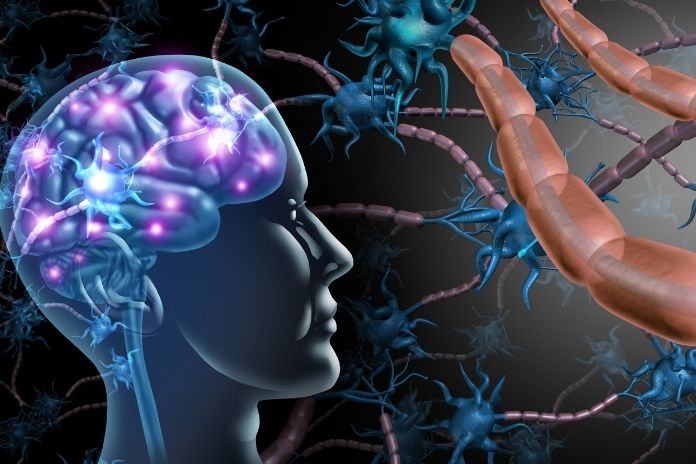
Smell distortion causes extend well beyond viral infection. Sinus inflammation and nasal polyps physically obstruct odor molecules from reaching olfactory receptor neurons, producing both quantitative reduction and qualitative distortion. Head injury affecting the olfactory nerve fibers that pass through the cribriform plate can cause both parosmia and phantosmia, depending on the location and extent of damage.
Neurological conditions, including migraine with aura, temporal lobe epilepsy, and early neurodegenerative diseases such as Parkinson’s disease, are associated with phantom smell experiences. Exposure to toxic chemicals, solvents, or smoke can directly damage olfactory receptor neurons.
Why food smells different lately, without a history of recent illness, may reflect any of these mechanisms. Accurate diagnosis requires ruling out nasal disease, neurological pathology, and medication side effects before attributing olfactory dysfunction symptoms to idiopathic or post-viral causes. This is why persistent smell distortion lasts more than several weeks, warranting medical evaluation rather than watchful waiting.
How Smell Disorders Can Affect Taste and Appetite
The taste and smell relationship is more fundamental than most people realize. What we experience as flavor is roughly 80% olfactory input and 20% taste in the strict sense of sweet, salty, sour, bitter, and umami. When parosmia makes coffee, meat, and onions smell repulsive, those foods become functionally unedible. The caloric and nutritional consequences can be significant.
Research has documented that people with parosmia and olfactory dysfunction symptoms show significantly higher rates of appetite disruption, unintended weight loss, depression, social isolation, and avoidance of eating situations compared to people with quantitative smell loss alone.
A 2021 systematic review found that patients with parosmia reported greater disruption to daily life than those with pure anosmia, particularly around cooking, eating, and social dining. The aversive quality of the distortions makes management more complex than simple smell loss, since avoidance strategies that help in the short term may delay olfactory receptor recovery over time.
Strategies That May Help Improve Distorted Smells
Olfactory Training
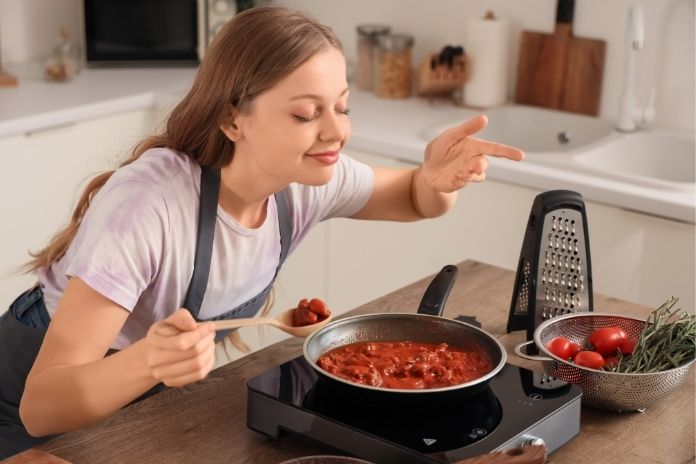
Smell training therapy is the most evidence-backed intervention for both parosmia and phantosmia.
The protocol was first formalized by Prof. Thomas Hummel at the Technical University of Dresden in a landmark 2009 study published in The Laryngoscope, which found that patients with olfactory dysfunction who actively sniffed four distinct odors, rose, lemon, clove, and eucalyptus, twice daily for 12 weeks showed significantly greater improvement in olfactory function compared to untrained controls.
The mechanism is thought to involve the neural plasticity of the olfactory nerve and olfactory bulb, which retain the capacity for reorganization and regeneration in a way that most other sensory systems do not.
A 2021 study examined 153 patients with post-viral smell loss undergoing smell training therapy and found that those who had parosmia at baseline were significantly more likely to achieve clinically relevant recovery in olfactory discrimination and identification than those without. The presence of parosmia, counterintuitively, turned out to be a positive prognostic indicator rather than a sign of worse prognosis.
Dr. Zara Patel, MD, uses a direct analogy to explain the rationale for smell training therapy to her patients: “The way I explain it to patients is if you had a stroke and it made your arm not work, you would go to physical therapy; you would do rehab. That’s exactly what olfactory training is for your sense of smell,” she told CNN.
A 2022 PMC study by Altundag et al. tested modified olfactory training using 12 different scents across 36 weeks in 75 patients with COVID smell changes and found significantly greater improvement in the treatment group compared to untrained controls at both 12 and 36 weeks, with the largest gains in odor discrimination and identification.
Managing Trigger Foods
Temporarily removing the most problematic trigger foods, particularly coffee, onions, garlic, eggs, and meat, reduces daily distress and the aversive reinforcement that may delay recovery. Substituting cooler, blander preparations of necessary foods reduces volatile compound release.
Eating at cooler temperatures and improving kitchen ventilation reduces odor concentration during cooking. These are bridging strategies, not long-term solutions, as avoiding all olfactory stimulation may slow olfactory receptor recovery.
Read More: Foods to Avoid When Drinking Coffee (and Why They Don’t Mix Well)
Treating Underlying Nasal Conditions
When parosmia or phantosmia coexist with chronic sinusitis, nasal polyps, or allergic rhinitis, treating the underlying nasal condition reduces inflammatory interference with the olfactory nerve and can improve the baseline from which recovery occurs. Management may include topical corticosteroids, saline irrigation, allergy treatment, or surgical intervention, depending on the underlying pathology.
When to Seek Medical Advice for Smell Changes

Olfactory dysfunction symptoms that persist beyond two to four weeks, produce significant appetite disruption or weight loss, worsen progressively rather than fluctuating, or are accompanied by neurological symptoms such as headache, visual changes, or memory problems warrant evaluation by an ENT specialist or neurologist.
Phantosmia specifically associated with head trauma, persistent unilateral phantom smells, or smell changes in the context of other neurological symptoms should be evaluated promptly rather than monitored.
What Recovery From Parosmia or Phantosmia May Look Like
Recovery from post-viral smell loss and associated parosmia is gradual and nonlinear. Most people experience fluctuating perception rather than steady linear improvement, with some days significantly better than others. Complete recovery can take months to years, and some degree of residual olfactory dysfunction symptoms persists in a minority of cases.
The paradox of parosmia as a positive sign is now well established in the research literature. As Dr. Turner noted, parosmia often appears because neurons are regenerating and attempting to reconnect, not because the system is failing further. The distortion reflects active, if imperfect, neural activity.
Prof. Carl Philpott put the recovery evidence clearly: “We found that the presence of parosmia and worse smell performance on testing of odor identification and discrimination was associated with clinically significant recovery in smell function for people experiencing post-viral smell disorders.” This means that smell training can help the smell pathways to start to regenerate and recover,” he told ScienceDaily.
His team’s research further found that the biggest improvements occurred in those who had the greatest initial smell loss.
Smell training therapy begun within six months of symptom onset shows better outcomes than later initiation, though benefit has been documented even in patients with longer duration of dysfunction. Patience and consistency are the two most clinically supported predictors of outcome.
Read More: Wellness on a Budget: 15 Affordable Healthy Habits Anyone Can Adopt
Key Takeaway
When coffee smells like burning rubber, or you detect smoke in an empty room, the cause is a disruption in how the brain and olfactory nerve encode and interpret odor signals. Parosmia distorts real smells that are present. Phantosmia generates smells that are not there. Both fall under olfactory dysfunction symptoms, both are common after viral illness, nasal inflammation, or nerve damage, and both are increasingly well-understood.
The critical point for anyone living with either condition is that the olfactory nerve damage underlying parosmia and phantosmia is not necessarily permanent. Olfactory receptor recovery is biologically possible because the olfactory system retains neural plasticity that most sensory systems do not.
Smell training therapy, consistent trigger management, and treatment of any underlying nasal conditions give the recovering system the best conditions for gradual restoration. Persistent symptoms lasting beyond several weeks deserve medical evaluation, not minimization.
Medical Disclaimer: This article is for informational purposes only and does not constitute medical or professional advice. Consult a qualified healthcare provider regarding any symptoms or concerns about smell or taste changes.
References
- Altundag, A., et al. (2022). Modified olfactory training is an effective treatment method for COVID-19 induced parosmia. PMC.
- Hopkins, C., et al. (2023). Post-viral olfactory loss and parosmia: A clinical review. The Lancet / PMC.
- Hummel, T., et al. (2009). Effects of olfactory training in patients with olfactory loss. Laryngoscope, 119(3), 496-499.
- Liu, D. T., Sabha, M., Damm, M., Philpott, C., Oleszkiewicz, A., Hähner, A., & Hummel, T. (2021). Parosmia is associated with relevant olfactory recovery after olfactory training. The Laryngoscope, 131(3), 618-623.
- Patel, Z. M. (2022). Smell and taste disorders: International consensus guidelines. International Forum of Allergy and Rhinology. Referenced via CNN:
- Philpott, C. (2020). Smell training and post-viral recovery. ScienceDaily / University of East Anglia.
- Schambeck, S. E., et al. (2021). Phantosmia, parosmia, and dysgeusia are prolonged and late-onset symptoms of COVID-19. Journal of Clinical Medicine, 10(22), 5266.
- Turner, J., & Patel, Z. M. (2022). Long Covid: What science has learned about the loss of smell and taste. CNN.
- Cleveland Clinic. (2022, August 9). Parosmia (distorted smell): Causes, symptoms & treatment.
- Apollo Hospitals. (n.d.). Parosmia: Causes, symptoms, diagnosis, treatment, and prevention.
- University of Utah Health. (2022, September). How do you treat parosmia or loss of smell?
- WebMD. (2025, June 9). What is parosmia?
- Siloam Hospitals. (n.d.). What is parosmia?
- Saniasiaya, J., & Narayanan, P. (2020). Parosmia post COVID-19: An unpleasant manifestation of long COVID syndrome
In this Article