




















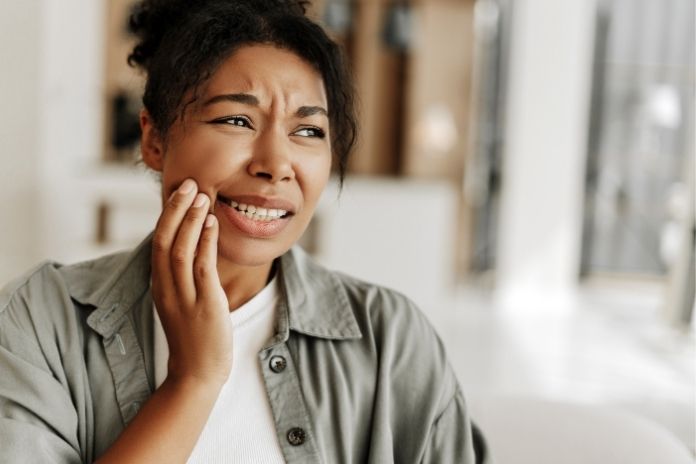
Many people want white teeth, but when they try whitening once, pain starts immediately. That sharp feeling when drinking cold water or even breathing air makes people stop everything. So they think whitening is not for them.
Truth is, most whitening products are not designed for sensitive teeth. They are strong, fast-working, and ignore what your enamel condition is. That is why people have a bad experience the first time.
But whitening is not completely unsafe. There are ways to do it without pain. Pain-free teeth whitening just needs a different approach, slower, controlled, and with protection.
In this article, we are not just listing products for teeth whitening for sensitive teeth. We understand why sensitivity happens, what type of whitening suits sensitive teeth, and what mistakes people keep repeating again and again.
Read More: 11 Home Remedies To Soothe Sensitive Teeth Effectively
- Sensitive teeth can still be whitened, but fast and strong methods cause pain.
- Use low-strength products and desensitizing ingredients like potassium nitrate, and give your teeth time to recover between treatments.
- Avoid harsh DIY methods and overuse.
Why Do Teeth Become Sensitive During Whitening?
1. How Whitening Products Work
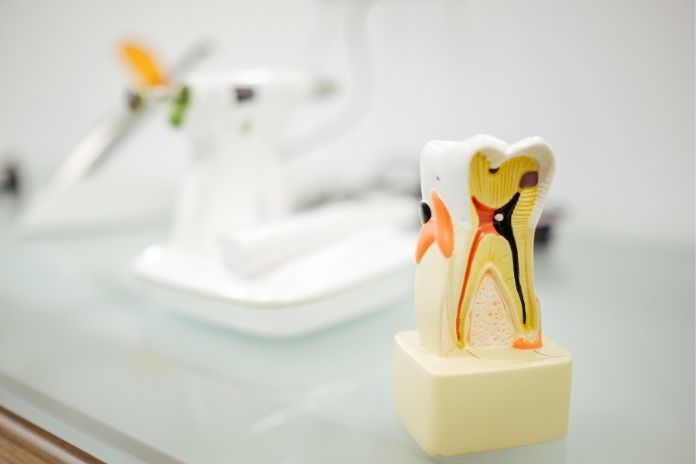
Whitening is not just surface cleaning. It goes deeper. Most products use peroxide (either hydrogen or carbamide). These chemicals break stains inside the tooth, not just outside. When this happens, oxygen molecules travel through the enamel and reach the dentin layer.
Dentin has tiny channels connected to nerves. When oxygen reaches there, it irritates the nerve endings. That is where sensitivity starts. So it is not just a “cold feeling”; it is an actual nerve reaction.
2. Why Some People Feel More Pain
Not everyone feels the same level of pain. Some people barely feel anything, whereas others feel strong discomfort even with a mild product.
Reasons are:
- Thin Enamel:Less enamel protection, so chemicals reach dentin faster
- Exposed Dentin:Happens due to wear or brushing too hard
- Gum Recession:Roots get exposed, which are more sensitive
- Already Sensitive Teeth:Whitening just amplifies the existing issue
One more thing many ignore: microcracks in enamel. Even small cracks allow whitening agents to go deeper quickly. This is not visible in the mirror, but it matters.
Is Teeth Whitening Safe for Sensitive Teeth? (Direct Answer)
Yes, it is safe, but only when done with control. Sensitivity from whitening is usually temporary. It does not mean your teeth are getting damaged permanently. But if you ignore pain and continue using strong products, then the risk increases.
For sensitive teeth, the goal should not be fast whitening. It should be controlled whitening. Low-strength products, shorter exposure, and support from desensitizing ingredients. Many people fail here because they expect the same results as ads and instant white teeth. That mindset itself causes overuse.
Best Teeth Whitening Options for Sensitive Teeth
1. Whitening Toothpaste for Sensitive Teeth
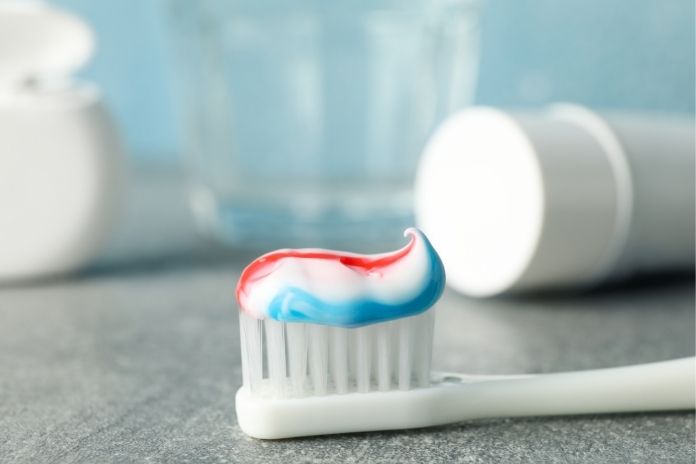
This is the safest starting point. It works slowly, but it protects your teeth. These toothpastes usually have mild abrasives and very low peroxide (sometimes none). They also include ingredients like potassium nitrate in toothpaste, which helps calm nerves.
But one important thing: these do not “bleach” deeply. They remove surface stains and give slight brightness. People complain about it “not working,” but actually, they are expecting too much from a gentle product. Use this for at least 2–3 weeks before trying anything stronger. It prepares your teeth.
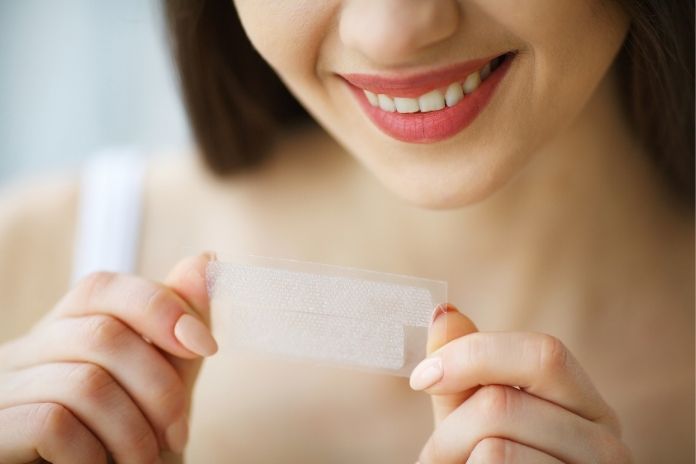
2. Whitening Strips for Sensitive Teeth
Strips are popular, but they are also one of the main tooth sensitivity causes. However, there are versions made for sensitive teeth. These have a lower peroxide concentration.
Still, even with these:
- Do not use the full recommended time initially
- Start with half the duration
- Skip days between usages
One mistake people make: applying strips to already irritated teeth. This makes sensitivity worse. Also, strips do not fit perfectly, so some areas get more chemical exposure. That uneven whitening can also increase discomfort in certain spots.
3. LED Whitening Kits (Gentle Formulas)
LED kits look advanced, but the light itself is not doing whitening. It just accelerates the process slightly. What matters is the gel used. Some kits now come with low-strength gels and “sensitivity-safe” labels. These can be useful because:
- The application is more controlled
- Less leakage to the gums
- Shorter sessions possible
But do not assume LED means safer. If the gel is strong, sensitivity will still happen.
4. Dentist-Supervised Whitening Treatments
This is often misunderstood. People think dentist whitening is always strong and painful. Not true. Dentists can adjust the concentration based on your sensitivity level. They can:
- Use custom trays that fit exactly
- Apply desensitizing gel before or after
- Control exposure time properly
Also, they can identify if your sensitivity is due to other issues, like a cavity or gum problem. Whitening on unhealthy teeth is the main reason for pain. This option is more controlled, but the cost is higher.
5. Natural or Non-Peroxide Alternatives
Many people look for “chemical-free” methods. But “natural” does not always mean “safe.”
- Baking soda is mildly abrasive and can help with surface stains. But overuse can wear enamel
- Activated charcoal: Trendy, but too abrasive for regular use
- Whitening pens: Low intensity, good for touch-ups
These methods are not strong whiteners. They work slowly and only on a surface level. One thing to understand: deep stains cannot be removed without some chemical action.
Ingredients to Look for (Sensitivity-Friendly)
Dr. Robert Govoni, a dentist, says that you should be aware of the different ingredients that might be included in your whitening toothpaste. If you read labels, focus on these to get whitening without sensitivity:
- Potassium Nitrate: Helps block nerve signals, reduces sensitivityover time
- Fluoride: Strengthens enamel and repairs minor damage.
- Carbamide Peroxide: Breaks down slowly and is gentler compared to hydrogen peroxide vs. carbamide peroxide.
- Aloe Vera or Soothing Agents: Reduces gum irritation.
The combination matters more than a single ingredient. A product with mild whitening + desensitizing is ideal.
Ingredients and Methods to Avoid
Some things directly increase sensitivity:
- High-concentration hydrogen peroxide: Fast results, but aggressive
- Using strips daily without a break
- DIY methods like lemon and salt scrubs are highly acidic or abrasive
- Whitening immediately after brushing hard
Also, avoid mixing multiple whitening methods. Many people use toothpaste with strips and a pen at the same time. This overload causes sensitivity.
Read More: Are You Overbrushing? Signs You Might Be Damaging Your Teeth
How to Whiten Sensitive Teeth Without Pain

1. Start With a Desensitizing Toothpaste
Use it daily for 1-2 weeks before starting whitening. This step is often skipped, but it is very important. It builds resistance in your teeth slowly.
2. Use Lower Concentration Products
Stronger is not better here. Low concentration may take longer, but it reduces nerve irritation. Over time, results can still be achieved.
3. Limit Whitening Frequency
Do not use whitening products daily for long periods. Better approach:
- 2–3 times per week
- Observe how teeth react
4. Take Breaks Between Treatments
Enamel needs time to recover. Continuous whitening without breaks leads to cumulative sensitivity. Small breaks help reduce this buildup.
5. Avoid Hot/Cold Foods After Whitening
After whitening, teeth are temporarily more sensitive. Avoid:
- Ice water
- Very hot tea or coffee
Wait at least a few hours or even a day if sensitivity is high.
How Long Does Sensitivity Last After Whitening?
For most people, sensitivity lasts 24-48 hours. In sensitive individuals, it may last longer, sometimes for a few days. If pain continues beyond that or becomes severe, it is not normal. It may indicate:
- Overuse of whitening products
- Existing dental issue
- Enamel damage
In such a case, stopping whitening is necessary. “There are risks with any sort of treatment, but teeth whitening products have been carefully formulated to make sure they’re safe for use on your teeth,” Dr. Anne Clemons, a dentist, confirms.
Read More: Brighten Your Smile: The Top 7 Teeth Whitening Pens for Effortless Whitening
Final Thoughts
Whitening and sensitivity often come together, but they don’t have to. The main issue is not whitening itself, but how people use it. Fast results, strong products, and no preparation; these are the main causes of pain during teeth whitening for sensitive teeth.
Using low-strength products, including desensitizing agents and ingredients, and giving time between treatments can make whitening manageable even for sensitive teeth. Avoid harsh DIY methods and unnecessary product combinations. If sensitivity is already high, professional guidance is a safer option.
- Whitening sensitivity is more about nerve exposure than surface damage
- Slow whitening methods often give more stable and less painful results.
- There is a lack of detailed long-term research comparing repeated low-dose vs occasional high-dose whitening
- Many products labeled “for sensitive teeth” still vary widely in actual peroxide strength
- Future gap: personalized whitening based on enamel thickness and dentin exposure is still not common in general practice.
FAQs
1. Can I whiten my teeth if they are already sensitive?
Yes, but start with desensitizing toothpaste and use low-strength whitening methods.
2. Which is better for sensitive teeth: hydrogen peroxide or carbamide peroxide?
Carbamide peroxide is usually gentler because it releases slowly.
3. How often should I whiten sensitive teeth?
Teeth whitening for sensitive teeth can be done 2–3 times per week, maximum, with breaks in between.
4. Why do my teeth hurt more after whitening strips?
Strips can apply uneven pressure and allow gel to reach sensitive areas like gums or exposed dentin.
5. Is natural whitening safer for sensitive teeth?
Not always the best whitening for sensitive teeth. Some natural methods are abrasive and can worsen sensitivity if overused.
References
- Cleveland Clinic. (n.d.). How to Whiten Your Teeth: 4 Home Remedies.
- Gerlach, R. W., Zhou, X., & McClanahan, S. F. (2002). Comparative response of whitening strips to a low peroxide and potassium nitrate bleaching gel. American Journal of Dentistry, 15 Spec No, 19A23A.
- Somacal, D. C., Castro, M., Bittencourt, H. R., Luiz, & Spohr, A. M. (2025). Effect of potassium nitrate on tooth sensitivity during in-office bleaching: A randomized clinical trial. Journal of Clinical and Experimental Dentistry, e188–e194.
In this Article