

















Unusual vaginal symptoms can be confusing for many women, particularly when attempting to distinguish between a yeast infection vs PID. Both illnesses can result in discharge, discomfort, or irritation, but their causes and severity vary greatly.
While pelvic inflammatory disease is a more serious reproductive tract infection that can affect deeper organs, Candida infections are common fungal infections; the question of whether it is a yeast infection or pelvic inflammatory disease is frequently raised by this overlap.
In this article, we will explore PID symptoms vs. yeast infection symptoms, explain how to tell if you have PID or a yeast infection, and highlight key warning signs such as lower abdominal pain and unusual discharge.
- Yeast Infection: Thick white discharge + itching, usually mild and treatable.
- PID: Pelvic pain, fever, and foul discharge need urgent care.
- Key tip: If symptoms persist after antifungals or include fever, see a doctor immediately.
Read More: How to Cure A Yeast Infection with Cranberry Juice
Why Yeast Infections and PID Are Often Confused
You might be surprised by how often people mix up yeast infections vs. PID. Both of these conditions affect the female reproductive system, and because some of their symptoms are the same, many people mix them up.
In both cases, there may be strange discharge, pain, and irritation. It makes it challenging to diagnose whether it is a yeast infection or pelvic inflammatory disease without a comprehensive evaluation. Early symptoms can often be confusing, especially when mild pelvic pain accompanies vaginal irritation.
Many women start taking antifungal medicine right away because they think that a Candida infection causes any pain in the vagina. However, this can delay diagnosis if the issue is actually a bacterial infection vs. fungal infection.
Pelvic inflammatory disease is a reproductive tract infection that can spread and get worse over time. Yeast infections, on the other hand, are usually limited and not harmful.
What Is a Yeast Infection?

Cause and How it Develops
At some point in our lives, 70% of us suffer from yeast infections (also called thrush, monilia, vaginal candidiasis, vulvovaginal candidiasis, and candidal vaginitis), and an unfortunate 8% experience repeated infections.
Yeast infections are the second most frequent kind of vaginal infection, accounting for over 1.4 million outpatient visits annually in the US alone. Damage to your skin may result in a yeast infection. In warm or humid environments, yeast can also proliferate.
A weakened immune system might potentially lead to an infection. Antibiotic use may also lead to yeast overgrowth. Antibiotics destroy the beneficial bacteria in your body that typically maintain the proper balance of yeast.
Typical Symptoms
Typical signs and symptoms include:
- Discomfort or itching in the vagina
- An odorless, cottage cheese-like, thick, white liquid (discharge)
- The vaginal opening and its surrounding area are red, swollen, and sore
- Burning while urinating
- Discomfort during sexual activity
Where the Infection Occurs
A microscopic fungus known as Candida albicans, or Candida (yeast), typically causes this illness. A tiny quantity of Candida in your vagina is typical. Additionally, the majority of patients have Candida in the lower digestive tract and the oral Cavity. Usually, there are no symptoms from this fungus.
Healthy bacteria and harmful organisms coexist in harmony in a healthy vagina. When the Candida fungus outgrows the beneficial bacteria in your vagina, an infection results. A lady is reported to have a yeast infection if she has an excessive amount of Candida in her vagina.
Since you may develop a yeast infection without having intercourse, healthcare providers do not regard it as a sexually transmitted disease (STD).
Read More: 10 Top Home Remedies for Yeast Infection
What Is Pelvic Inflammatory Disease (PID)?

How PID Develops
An infection of a woman’s reproductive organs is known as pelvic inflammatory disease (PID). It is a complication that certain STIs, such as gonorrhea and chlamydia, frequently bring on. PID can also result from other infections that are not sexually transmitted.
Common Bacterial Causes
Bacteria cause PID and sexually transmitted infections (STIs) are frequently caused by the same type of bacteria. Various bacteria can cause PID. However, the most prevalent ones are chlamydia and gonorrhea.
If you don’t utilize protection during sex, such as a condom, you could contract these viruses. Other bacteria can also bring on pelvic inflammatory disease. These include normal but unbalanced vaginal microorganisms. We refer to this as bacterial vaginosis.
In rare cases, when a medical practitioner implants an intrauterine device, or IUD, for long-term birth control, bacteria may infiltrate the reproductive system. PID can also result from any medical procedure that includes inserting equipment into the uterus.
Why PID Can Sometimes Be Mild at First
One reason why PID can be mistaken for a yeast infection is that early PID symptoms may be subtle. People may overlook mild discomfort or unusual discharge until the condition progresses.
Yeast Infection vs PID: Key Symptom Differences
Recognizing the differences between PID symptoms vs. yeast infection symptoms will help you understand what your body is trying to tell you.
Vaginal Discharge Comparison
- Yeast infection: odorless, thick, and white.
- PID: Green, yellow, or odorous.
Itching vs Pelvic Pain
- Yeast infection: Severe itching and irritation.
- PID:Deep pelvic discomfort or lower abdominal ache.
Fever and Systemic Symptoms
- Yeast infection: No fever.
- PID: exhaustion, chills, and fever.
Pain During Sex or Urination
- Yeast infection: Burning sensation.
- PID: Severe pain during sexual activity.
Bleeding Between Periods
Unusual bleeding is common in PID, particularly in later stages, but uncommon in yeast infections.
Read More: 5 Types of infections That You Must Know in Detail
Symptoms That Suggest It May Be PID Instead of a Yeast Infection

If you’re wondering how to know if you have PID or a yeast infection, watch for these signs:
- Severe pelvic or lower abdominal pain
- Unusual, odorous vaginal discharge
- Discomfort during sexual activity
- Pain when urinating or having sex
- Chills and fever
Can You Have Both at the Same Time?
Pelvic Inflammatory Disease (PID) and yeast infections aren’t the same thing. PID is a bacterial infection, while a fungus causes yeast infections. You can actually have both at once, but a yeast infection doesn’t directly cause PID.
Still, the inflammation from a yeast infection might make it easier for bacteria to get in and lead to something like PID. The trouble is, the itching and discomfort from a yeast infection can mask other issues like PID. If symptoms persist with antifungal treatment, further testing is necessary.
What Happens If PID Is Mistaken for a Yeast Infection
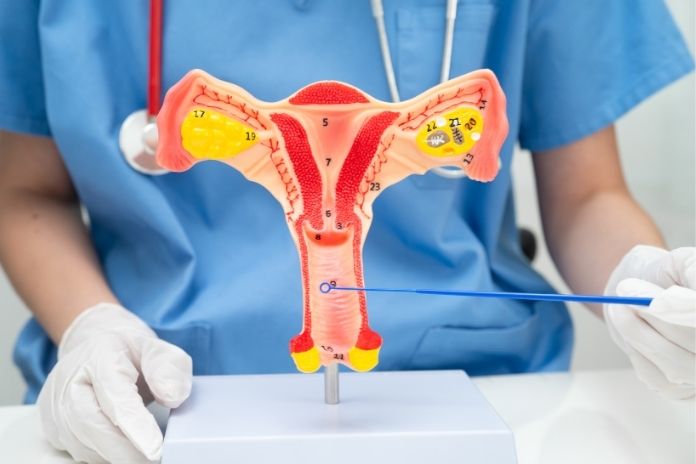
Serious repercussions may result from misdiagnosing PID as a yeast infection.
Disease Progression: If you don’t treat common sexually transmitted infections like gonorrhea or chlamydia, you can end up with pelvic inflammatory disease (PID). It is a nasty bacterial infection that hits the uterus, fallopian tubes, or ovaries. If someone mistakes it for a yeast infection and uses antifungal creams, the bacteria keep spreading higher up.
Infertility: If PID hangs around untreated, it leaves behind scar tissue. That blocks or messes up the fallopian tubes, so getting pregnant gets really tough; sometimes it’s flat-out impossible.
Ectopic Pregnancy: Then there’s ectopic pregnancy, which happens when damage from PID causes a fertilized egg to settle outside the uterus. Honestly, that’s a major emergency that can be life-threatening.
Comprehending the difference between yeast infection and PID helps guarantee appropriate treatment and avoid long-term consequences.
Read More: What Vaginal Discharge Color Says About Your Health
When to Seek Medical Care Instead of Self-Treating
Knowing when to see a doctor for yeast infection symptoms is critical. Seek medical help if:
- The duration of symptoms exceeds a few days
- You feel discomfort or pain in your pelvis
- A fever occurs
- The symptoms frequently return
- Following antifungal therapy, there was no improvement
How Doctors Tell the Difference
Symptom Review and History: Doctors look at symptoms and sexual health history to tell the difference between PID and a yeast infection.
Pelvic Exam: A pelvic exam may reveal tenderness, irritation, or cervicitis.
Vaginal and Cervical Testing: Lab tests help distinguish between PID and yeast infection symptoms by showing whether the illness is bacterial or fungal.
When Imaging May Be Used: Doctors may use an ultrasound or other imaging if they think PID has worsened.
Treatment Differences You Should Know

Yeast Infection Treatment Approach
You can treat vaginal yeast infections with over-the-counter treatments, or you can consult a doctor about prescription options.
The following are some of the top prescription medications for vaginal yeast infections:
Butoconazole (Gynazole-1): One dose of butoconazole cream is administered. Thus, you only need to utilize it once.
- Terconazole: Sometimes known as Zazole or Terazol, is a prescription vaginal cream available in three- and seven-day dosages.
- Fluconazole (Diflucan): An oral antifungal drug; the effects of a single 150 mg dose last at least 72 hours.
- Ibrexafungerp: Also known as Brexafemme, is a more recent prescription medication used to treat vaginal yeast infections. Typically, a 300 mg dose is taken twice daily for one day.
PID Treatment Approach
Medications can quickly get rid of the infection that causes pelvic inflammatory disease. PID causes scarring and other damage to the reproductive tract that doctors cannot fix. The most common ways to treat PID are:
Antibiotics: Your doctor may prescribe a combination of antibiotics to start right away. After your lab tests come back, your doctor might change your medicine to treat the cause of your illness better. Check in with your doctor after three days to make sure the medicine is working.
Treatment for Partner: To avoid getting an STI again, you should check and treat your sexual partner or partners. People who are infected may not show any signs of illness.
No Sex: Don’t have sex until your treatment is over and your symptoms have gone away.
Why Using the Wrong Treatment Can Delay Recovery
Antifungal drugs will exacerbate PID because they won’t address the underlying bacterial or fungal illness.
Practical Tips to Avoid Misdiagnosis at Home
Use these tips to help you understand the difference between a yeast infection and PID:
- Don’t keep treating yourself without getting a diagnosis.
- Watch for any changes in your symptoms closely.
- Pay attention to any changes in the discharge from your vagina.
- Get tested to see if you have recurrent infections.
- Don’t ignore a fever or a pain in your lower stomach.
Read More: Best Probiotics for Vaginal Health: Strains, Benefits, and How to Choose the Right One
Conclusion
Understanding the difference between yeast infection and PID is essential for protecting your reproductive health and avoiding serious complications. PID is a more serious condition that requires prompt medical attention, whereas a yeast infection is typically minor and manageable with antifungal medication.
Long-term problems like persistent discomfort or infertility may result from misinterpreting any signs or postponing treatment. Because of this, it’s crucial to identify symptoms early and avoid relying solely on self-diagnosis.
References
- New York State Department of Health. Yeast infection.
- Cedars-Sinai. Yeast infection.
- Flo Health. What is a yeast infection?
- Mayo Clinic. (December 20, 2025). Pelvic inflammatory disease (PID).
- San Francisco City Clinic. (2024, January). PID facts.
- Harvard Health Publishing. (2024, January 15). Pelvic inflammatory disease (PID).
- Centers for Disease Control and Prevention. (2023, December 13). About pelvic inflammatory disease (PID).
- Phoenix Children’s Hospital. Pelvic inflammatory disease (PID).
- Dr. D Bhanu Prakash. (13th January, 2026). Yeast Infection and PID Differences Explained.
In this Article