


















- Chrononutrition in pregnancy focuses on aligning eating patterns with the body’s circadian rhythm. Eating earlier in the day, maintaining a consistent breakfast, and avoiding late-night meals may reduce the risk of gestational diabetes, preterm birth, and fetal growth restriction.
- Research suggests these benefits occur independent of the specific foods eaten, indicating that meal timing itself plays an important metabolic role during pregnancy.
- Irregular or late eating patterns can disrupt melatonin and cortisol rhythms and reduce insulin sensitivity during pregnancy.
- Disrupted eating timing may also send inconsistent nutrient signals to the placenta during a critical window of fetal development.
Most conversations about pregnancy nutrition focus on what to eat: folate, iron, omega-3s, and protein. Far fewer focus on when. Yet a growing body of research is showing that the timing of meals during pregnancy affects maternal metabolism and fetal growth in ways that are distinct from nutrient composition and calorie count.
The same meal eaten at 7 am and at 9 pm produces meaningfully different metabolic responses in a pregnant body, and that difference has consequences that extend to the growing baby.
Chrononutrition pregnancy research sits at the intersection of two well-established fields: circadian biology and prenatal nutrition. The central argument is straightforward. The body runs on a 24-hour internal clock that regulates hormone release, glucose processing, digestion, and cellular repair on a timed schedule.
When food intake aligns with that schedule, metabolic efficiency is optimized. When it does not, hormonal rhythms are disrupted, insulin sensitivity in pregnancy declines, and the risk of complications rises.
The implications for pregnancy are particularly significant because of the already demanding metabolic state of gestation. Pregnancy induces progressive insulin resistance as a physiological adaptation to ensure glucose delivery to the fetus. That adaptation makes the maternal body more vulnerable to circadian misalignment than it would be in a non-pregnant state.
The window of risk is also time-limited. The first 1,000 days of a child’s life, from conception through the second birthday, represent a period of nutritional sensitivity that does not repeat. Getting it wrong, whether through poor diet quality or poor diet timing, has consequences that compound over time.
Read More: Best Gummy Prenatal Vitamins in 2025
What Is Chrononutrition and Why Does It Matter During Pregnancy

Chrononutrition in pregnancy refers to the deliberate alignment of eating patterns with the body’s internal circadian rhythm, the 24-hour biological clock governed by the suprachiasmatic nucleus in the brain and synchronized by peripheral clocks in the liver, gut, pancreas, and adipose tissue.
These clocks regulate when glucose metabolism peaks, when insulin secretion is most efficient, and when digestive enzymes are most active. The critical insight is that feeding schedules act as primary synchronizers for peripheral clocks, meaning that the timing of meals directly influences how metabolic tissues function throughout the day.
During pregnancy, diet, timing, and these mechanisms take on added importance because the placenta relies on a steady, well-regulated maternal metabolic environment to deliver nutrients to the fetus. Disrupted maternal melatonin and cortisol rhythms from irregular or late eating interfere with placental function, alter the hormonal signals that guide fetal growth, and increase inflammatory markers that elevate the risk of adverse outcomes.
The research base here is no longer preliminary. Multiple clinical studies, observational cohorts, and one landmark 2026 randomized controlled trial have now provided direct evidence that meal timing in pregnancy independently affects glucose control, birth outcomes, and long-term child health.
Lily Nichols, RDN, CDE, founder of the Institute for Prenatal Nutrition and author of Real Food for Gestational Diabetes and Real Food for Pregnancy, the most cited prenatal nutrition text in current clinical use, has built her clinical framework on the consistent finding that conventional prenatal dietary advice fails to address how glucose patterns respond to meal timing.
Her work and that of her collaborators has repeatedly shown that breakfast importance in pregnancy goes beyond calories: the composition and timing of the morning meal is the single most clinically significant daily dietary variable for blood sugar regulation throughout pregnancy.
What makes chrononutrition pregnancy research particularly useful is that the interventions it recommends require no special foods, no supplements, and no high cost. They require a shift in when, not just what, is eaten.
How Meal Timing Influences Maternal and Fetal Health

1. Avoiding Nighttime Eating
Nighttime eating and pregnancy risks are among the most consistently documented findings in chrononutrition research. As the evening progresses, the pineal gland begins releasing melatonin in preparation for sleep.
Melatonin actively suppresses insulin secretion through MT1 and MT2 receptors on pancreatic beta cells. When food is consumed after melatonin onset, typically around 9 to 10 pm, glucose cannot be cleared as efficiently, postprandial glucose spikes are higher and longer-lasting, and lipid metabolism is impaired.
A 2019 study published in BMJ Open examined the timing of energy intake across pregnancy and its association with gestational glucose intolerance. Women who consumed a greater proportion of daily calories in the evening had significantly higher fasting and postprandial glucose levels than women who distributed energy intake earlier in the day, independent of total caloric intake.
A 2023 systematic review and meta-analysis published in PMC found that nighttime eating pregnancy risks were broadly associated with increased gestational diabetes mellitus risk, unwanted gestational weight gain, postpartum weight retention, and preterm birth.
The mechanism is direct. When food intake occurs during the biological night, insulin secretion is suppressed by rising melatonin, digestion slows, and the liver shifts toward storage rather than utilization. The result is a pattern of elevated nocturnal glucose and triglycerides that, sustained over weeks of pregnancy, increases GDM risk by up to 75% in women who regularly eat late.
2. Do Not Skip Breakfast
Skipping breakfast is one of the most studied pregnancy diet-timing behaviors and one of the most consistently harmful.
A 2020 study in the American Journal of Clinical Nutrition, the Japan Environment and Children’s Study, examining over 74,000 women, found that skipping breakfast before and during early pregnancy was independently associated with a significantly increased incidence of gestational diabetes mellitus.
A separate 2023 Tohoku cohort study involving over 66,000 pregnancies found that a lower frequency of breakfast intake was associated with lower infant birth weight.
Breakfast importance in pregnancy is tied directly to how the maternal body manages glucose for the rest of the day. The overnight fast leaves hepatic glycogen depleted and cortisol elevated in the early morning.
A nutrient-dense morning meal signals the circadian system that the active phase has begun, suppresses excessive cortisol secretion, and initiates insulin sensitivity at a time when the body is most capable of handling glucose efficiently. Skipping this signal delays metabolic activation, raises fasting glucose, and creates a compensatory pattern of overeating later in the day when insulin sensitivity in pregnancy is declining.
The ideal breakfast composition’s importance in pregnancy is protein combined with complex carbohydrates and fiber. Protein slows gastric emptying and blunts postprandial glucose spikes. Fiber delays glucose absorption. Complex carbohydrates provide sustained energy without the rapid glucose excursion produced by refined grains or high-sugar foods.
3. Front-Loading Calories Earlier in the Day
Gestational diabetes prevention research has consistently shown that calorie distribution matters as much as total calorie intake. Eating the largest meal at breakfast or lunch, when insulin sensitivity in pregnancy peaks under circadian biology, produces better glucose outcomes than distributing the same calories toward the evening.
A 2026 study published in Diabetologia is among the most direct evidence available. Researchers examined 71 pregnant women with GDM using continuous glucose monitoring and found that women who ate their first meal before 9:56 am showed a glucose rhythm shifted earlier and downward, leading to significantly lower nocturnal glucose concentrations between 11 pm and 6 am, despite having a longer eating interval overall.
Early eaters did not eat less. They ate at a different time, and their bodies responded with measurably better circadian glucose alignment throughout the entire 24-hour period.
The practical recommendation is to concentrate 50 to 60% of daily calories before 3 pm, with dinner serving as a lighter, protein-rich meal rather than the day’s largest.
4. Maintaining Regular Meal Timing
Consistency in pregnancy diet timing is as important as the timing itself. Irregular meal schedules, defined as eating at substantially different times day to day, disrupt the peripheral clocks in the liver and gut that synchronize metabolic function.
The practical standard is eating within a one to two-hour window at the same time each day. Regular meal timing, combined with a consistent overnight fasting window of 10 to 12 hours, keeps melatonin and cortisol rhythms aligned and provides the metabolic predictability that supports both maternal health and placental nutrient delivery.
Read More: How Your Gut Bacteria Affects Your Food Cravings (And How to Hack It)
Chrononutrition and Stunting Prevention in the First 1,000 Days
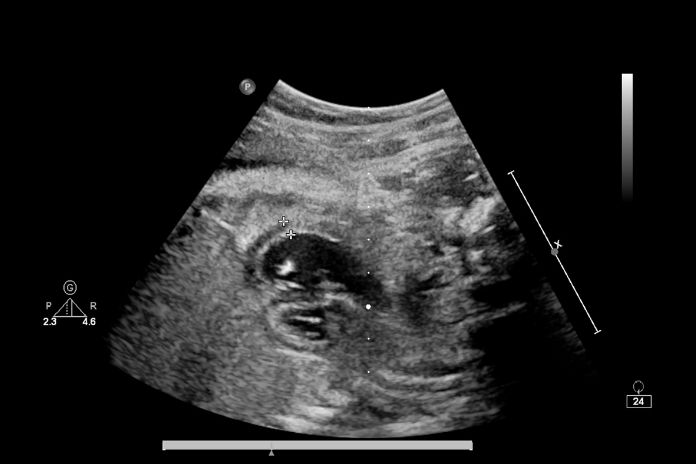
Stunting prevention in pregnancy begins with what happens in utero. The first 1,000 days nutrition window, from conception through the child’s second birthday, is the developmental period during which brain structure, immune programming, organ development, and growth trajectories are established.
Disruptions during this window, including those caused by poor maternal meal timing in pregnancy, have consequences that do not fully reverse even with subsequent nutritional intervention.
Fetal growth restriction is one of the most clinically significant outcomes linked to dysregulated maternal eating patterns. When maternal glucose and lipid metabolism are chronically disrupted by late eating, breakfast skipping, or irregular meal timing, placental nutrient transport becomes less efficient.
The fetus receives a less regulated supply of glucose, amino acids, and micronutrients, increasing the risk of growth restriction, low birth weight, and the long-term developmental deficits associated with stunting.
The first 1,000 days of nutrition research have consistently identified maternal undernutrition, not just in quantity but in timing and regularity, as a primary driver of fetal growth restriction and child stunting globally and domestically. Key micronutrients, including iron, folate, and omega-3 fatty acids, depend on adequate maternal absorption and circulation to reach the fetus at the concentrations required for normal development.
That absorption is regulated in part by circadian biology. Iron absorption is highest in the morning. Folate metabolism is influenced by cortisol rhythms that peak in the early day. Omega-3 fatty acid transfer to the fetus occurs most efficiently when maternal lipid metabolism is not disrupted by nocturnal eating.
Dr. Steven A. Abrams, MD, has framed the stakes of this developmental window plainly: “Proper nutrition and food security are essential to the healthy development of a child, physically, emotionally, and psychologically,” noting that the AAP’s policy on first 1,000 days of nutrition reflects the understanding that failure to provide adequate nutrition during this window results in deficits that persist despite later repletion.
The AAP’s 2018 policy statement on the first 1,000 days of nutrition goes further: failure to provide key nutrients, including protein, iron, folate, and omega-3 fatty acids, during the critical period of brain development may result in lifelong deficits that do not respond to subsequent nutritional correction.
Read More: Potential Side Effects of Iron Supplements: What to Know Before You Start
Gestational Risks of Circadian Misalignment

Circadian rhythm pregnancy disruption produces a cascade of hormonal changes that elevate risk across multiple outcomes simultaneously. The primary mechanism is the disruption of the melatonin and cortisol rhythms that normally synchronize glucose metabolism, inflammation, and immune function across the 24-hour cycle.
When maternal eating patterns are misaligned with circadian rhythms during pregnancy, melatonin suppresses insulin secretion during nighttime eating, cortisol rises abnormally in response to glucose stress, and the placental clock, which synchronizes fetal metabolic cues with maternal feeding patterns, receives dysregulated signals.
The result is a measurably impaired maternal glycemic profile and a fetal environment characterized by inconsistent nutrient availability.
The consequences include increased gestational diabetes mellitus risk from chronic nocturnal glucose elevation, excessive maternal weight gain from the metabolic shift toward storage during biological night feeding, and increased risk of preterm labor from the inflammatory cascade associated with HPA axis dysregulation under sleep-eating conflict.
Evidence from shift work studies and Ramadan fasting observations supports this model: populations who eat at times inconsistent with their biological clock show consistently worse maternal and perinatal outcomes than those eating in alignment with it.
Dr. Mariam Naqvi, MD, has emphasized that fetal growth restriction and poor growth outcomes are directly connected to the maternal nutritional environment throughout pregnancy and that advising expectant mothers on proper nutrition and managing stress can positively impact fetal growth from the earliest weeks of gestation.
Read More: Stress Management Techniques for Expectant Mothers
Practical Chrononutrition Plan for Pregnancy

1. Sample Daily Meal Schedule
Meal timing in pregnancy does not require a rigid protocol, but the following framework reflects the evidence from chrononutrition pregnancy research:
Breakfast, 6 to 8 am: nutrient-dense, moderate in calories, built around protein and complex carbohydrates. Examples include eggs with vegetables and whole grain toast, Greek yogurt with berries and nuts, or a protein-forward smoothie with spinach and seeds.
This is the most metabolically important meal of the day for gestational diabetes prevention and blood sugar regulation. The importance of breakfast in pregnancy is not optional.
Lunch, 12 to 2 pm: the largest meal of the day, balanced across all macronutrients. This is when insulin sensitivity in pregnancy is at its peak and when calorie front-loading delivers its greatest metabolic benefit. Prioritize protein, non-starchy vegetables, healthy fats, and a moderate serving of complex carbohydrates.
Dinner, 5 to 7 pm: lighter than lunch, protein-rich, and lower in carbohydrates than earlier meals. Evening carbohydrate reduction of 10 to 15% compared to daytime meals has been shown in a randomized controlled trial to improve glycemic control in pregnant women with GDM.
Cutoff: no meals or calorie-containing snacks within 2 to 3 hours of bedtime. This protects the overnight fasting window and prevents eating during peak melatonin release.
2. Smart Snacking Guidelines
When snacks are needed, timing and composition matter. Limit snacking after melatonin onset, typically after 9 pm. If hunger is genuine and a snack is necessary, choose foods that minimize glucose impact: plain yogurt, a small handful of nuts, a hard-boiled egg, or a small portion of cheese with vegetables.
Avoid high-glycemic snacks in the evening, which spike glucose at precisely the time when nighttime eating and pregnancy risks are highest. Circadian rhythm alignment during pregnancy means eating in a way that supports, rather than disrupts, the body’s natural hormonal patterns.
3. Supporting Sleep and Hormonal Balance
Consistent meal timing in pregnancy improves sleep quality by stabilizing melatonin and cortisol rhythms. Late eating delays melatonin onset, fragments sleep architecture, and raises nocturnal cortisol, all of which impair glucose regulation the following day.
A study published in PMC in 2023 directly measured chrononutrition characteristics against melatonin and cortisol rhythms in healthy pregnant women across gestation and found that irregular feeding patterns, including delayed meal intake, breakfast skipping, and late-night eating, were associated with circadian rhythm disruption, delayed glucose rhythms, and blunted cortisol secretion.
Stable meal timing, particularly a consistent breakfast and an early dinner cutoff, was associated with the most favorable hormonal profiles.
Read More: Does Eating a Banana Before Bed Really Help You Sleep? What the Science Says
Key Takeaways for Expectant Mothers
Chrononutrition during pregnancy is not a diet. It is a timing framework grounded in the body’s own biological rhythms. The evidence is clear enough to act on: Structured, daytime eating reduces the risk of gestational diabetes mellitus, supports stunting prevention in pregnancy through better placental nutrient delivery, and lowers inflammatory markers linked to preterm birth.
Skipping breakfast or eating late disrupts both maternal and fetal pregnancy circadian rhythm alignment in ways that calorie adjustment alone cannot correct. And consistency in meal timing in pregnancy matters as much as any individual meal choice, because peripheral clocks require regular feeding cues to stay synchronized with the central clock.
The practical ask is not complicated: eat breakfast every day, make it protein-rich, eat the largest meal before mid-afternoon, and stop eating two to three hours before bed. These are not restrictions. They are the schedule the body is already expecting, and supporting that expectation during the first 1,000 days of a child’s life is one of the most evidence-backed things a pregnant woman can do.
Medical Disclaimer: This article is for informational purposes only and does not constitute medical or nutritional advice. Always consult your obstetric care provider or a registered dietitian before making dietary changes during pregnancy.
References
- Abrams, S. A. (2020). Cracks in the system: Child food insecurity and COVID-19. The Independent Pediatrician.
- American Academy of Pediatrics Committee on Nutrition. (2018). Advocacy for improving nutrition in the first 1000 days to support childhood development and adult health. Pediatrics, 141(2).
- Chen, Y. E., Loy, S. L., & Chen, L. W. (2023). Chrononutrition during pregnancy and its association with maternal and offspring outcomes: A systematic review and meta-analysis. Nutrients, 15(4), 756.
- Kok, S., Kaur, E. Y., et al. (2024). Development, validation, and reliability of the Chrononutrition Profile Questionnaire-Pregnancy (CPQ-P). BMC Pregnancy and Childbirth.
- Naqvi, M. (2023). Personal and professional reflections on suspected fetal growth restriction. Healthful Woman Podcast.
- Nichols, L. (2018). Real Food for Gestational Diabetes. Lily Nichols LLC.
- Teoh, A. N., et al. (2023). Chrononutrition is associated with melatonin and cortisol rhythm during pregnancy: Findings from MY-CARE cohort study. Frontiers in Nutrition.
- Vujović, N., et al. (2026). Early meal timing improves nocturnal glucose in pregnancies complicated by gestational diabetes. Diabetologia.
- Chen, Y. E., et al. (2023). Chrononutrition during pregnancy and its association with maternal and offspring outcomes: A systematic review and meta-analysis.
- Teoh, A. N., et al. (2023). Chrononutrition is associated with melatonin and cortisol rhythm during pregnancy.
- Medline Academics. (n.d.). Chrono-nutrition during pregnancy and postpartum.
- Loy, S. L., et al. (2020). Chrononutrition during pregnancy: A review on maternal night-time eating. Nutrients, 12(9), 2783.
- Loy, S. L., et al. (2020). Chrononutrition during pregnancy: A review on maternal night-time eating.
- Teoh, A. N., et al. (2023). Chrononutrition characteristics and association with circadian rhythm during pregnancy. Frontiers in Nutrition.
- Chen, Y. E., et al. (2023). Chrononutrition during pregnancy and maternal-offspring outcomes. PubMed.
- (Author(s) unknown). (2024/2025). [Article on chrononutrition and personalized nutrition]. Journal of Personalized Medicine, 15(11), 534.
ZOE. (n.d.). What is chrononutrition?
In this Article