



















- Yeast infections do not cause PID—they are fungal, while PID is bacterial
- The real risk comes from untreated STIs or co-infections, not yeast itself.
- Misdiagnosis and delayed treatment increase the chances of complications like PID
A common concern is whether a minor vaginal infection could develop into a more serious condition. Can a yeast infection turn into PID? is one of the most often-asked questions. This concern is understandable, especially when symptoms overlap or persist. The connection between these illnesses, however, is frequently misinterpreted.
In this article, we’ll break down facts in a very clear, evidence-based way. You’ll learn the difference between yeast infection vs. pelvic inflammatory disease, how co-infection scenarios involving yeast infection and PID can occur, why misdiagnosis is common, and what actually increases your risk.
We’ll also cover symptoms, testing, treatment, and prevention strategies to protect your reproductive health.
Read More: What Vaginal Discharge Color Says About Your Health
Can a Yeast Infection Turn Into PID?
A yeast infection cannot cause PID, no. Vaginal discharge is a common symptom of both conditions, but different germs cause them. PID is usually caused by bacterial infections, especially those caused by STIs. Yeast infections, on the other hand, are fungal infections.
Having both a bacterial STI and a yeast infection at the same time may make PID more likely. It is because the inflammation caused by the yeast infection can make the reproductive tract more likely to get bacterial infections.
It’s important to remember that a yeast infection can’t cause PID on its own. If people mistake the symptoms for a yeast infection, they may misdiagnose PID or delay treatment. Because of this, it’s very important to see a doctor if you have unusual or long-lasting symptoms.
How Yeast Infections and PID Affect Different Parts of the Reproductive Tract
Understanding anatomy helps clarify why these conditions are different.
Where Yeast Infections Occur
A yeast infection, also known as vaginal candidiasis, is a fungal infection caused by overgrowth of Candida, a yeast normally present in the vagina. An infection may result from an imbalance between yeast and bacteria.
Where PID Develops
The uterus, fallopian tubes, and ovaries are among the female reproductive organs that can become seriously infected with pelvic inflammatory disease (PID). Although bacteria from other sources can potentially cause it, sexually transmitted infections (STIs) like gonorrhea or chlamydia are typically the cause.
Why Location Matters for Disease Progression
It’s important to distinguish between upper and lower reproductive tract infections. Unless there is additional infection, a yeast infection remains confined. However, PID affects deeper tissues and, if left untreated, can result in issues including infertility.
The Real Risk: Co-Infections With STIs or Bacterial Vaginosis
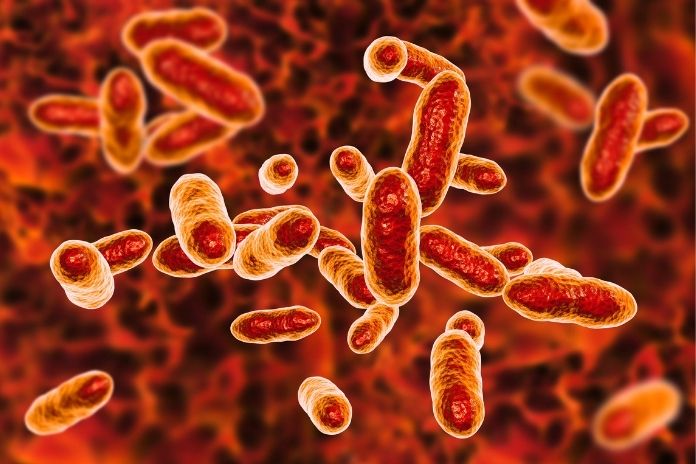
The real concern is that co-infection vaginal infections can happen rather than yeast infections developing into PID.
How Inflammation may Increase Vulnerability to Bacteria
The vaginal environment might be disturbed by a yeast infection. This vaginal microbiome imbalance may:
- Cut down on protective bacteria
- Boost inflammation and irritation
- Facilitate the growth of dangerous microorganisms
Common Bacterial Infections Linked to PID
The following are the most typical causes of PID:
- Neisseria gonorrhoeae
- Trachomatis chlamydia
- Mycoplasma genitalium
- Bacterial vaginosis
These infections can ascend into the reproductive tract, leading to pelvic inflammatory disease.
Why are Co-Infections Often Missed
Many people use over-the-counter antifungals to treat what they believe to be a yeast infection. However, people frequently disregard co-infection yeast infection and PID cases because:
- There is an overlap in the symptoms
- There is no STI testing
- Transient symptom relief masks the underlying infection
Read More: Best Probiotics for Vaginal Health: Strains, Benefits, and How to Choose the Right One
When a “Yeast Infection” Might Actually Be Something Else
One of the main causes of complications is misdiagnosis.
Overlapping Symptoms that Cause Confusion
The symptoms of yeast infection vs. pelvic inflammatory disease can sometimes overlap:
Vaginal Discharge: Either disease can cause more or different discharge.
Painful Intercourse: These situations can make sex uncomfortable or even painful.
Painful Urination: Both conditions can make urination painful, making it feel like it’s burning or stinging.
Risks of Self-treating without Testing
Self-treatment without a full diagnosis can delay care. It is especially risky when:
- The symptoms don’t go away
- The pain gets worse
- The discharge smells or changes color
How a delayed diagnosis can allow PID to develop
If doctors misdiagnose a bacterial infection as a yeast infection, they may not treat it. It increases the risk of pelvic inflammatory disease by allowing germs to grow over time.
Yeast Infection vs PID: Key Symptom Differences

Differentiating between these illnesses can be aided by an understanding of symptoms.
Typical Yeast Infection Symptoms
Typical signs of a yeast infection include:
- Discomfort and itching in the vaginal area
- Thick, white, odorless discharge that frequently has a cottage cheese-like appearance
- Burning feeling when having sex or urinating
- Vulva edema and redness
Common PID Symptoms
Typical signs of a PID infection include the following:
- Lower abdominal pain, frequently severe and chronic
- Yellow or green vaginal discharge with unpleasant odor
- Pain when urinating or having sex
- Irregular bleeding during menstruation
- Chills, fever, or nausea (in extreme situations)
Signs that Suggest Both could be Present
In certain instances of co-infection involving vaginal infections, you could observe the following:
- Continuous discharge despite antifungal medication
- Mixed symptoms, including pelvic pain and itching
- Recurrent infections
It highlights the importance of distinguishing PID symptoms from those of a yeast infection.
Read More: Is Cloudy Vaginal Discharge Normal? Understanding Causes, Colors, and When to See a Doctor
When to Seek Medical Care Instead of Self-Treating

You must speak with a healthcare provider if you encounter any of the following symptoms:
- Unusual discharge from the vagina
- Pelvic discomfort
- Urinating hurts
- Bleeding in between periods
Doctors also advise sexually active women to get routine health examinations and STI testing.
How Doctors Evaluate Possible Co-Infections
Proper diagnosis is key to effective treatment.
Pelvic Exam and Symptom Review
During a pelvic exam, doctors examine the health of the reproductive organs. Your routine checkup may include a pelvic exam. However, not everyone needs the test each year. Some medical professionals only advise it in specific situations, such as vaginal discharge, pelvic pain, or other symptoms.
Vaginal Swab and STI Testing
Testing could consist of:
- Vaginal swab to check for bacterial or yeast infections
- Checking for chlamydia and gonorrhea
It aids in the identification of co-infection involving yeast infection and PID situations.
Why Testing may Include Multiple Infections
Doctors frequently test for several illnesses at once because symptoms can overlap. It reduces the risk of misdiagnosed yeast infection PID cases.
Treatment Differences: Why the Correct Diagnosis Matters

Antifungal Treatment for Yeast Infections
Treatment options for yeast infections include:
- Over-the-counter antifungal creams (like miconazole and clotrimazole)
- Oral antifungal medications that are prescribed (such as fluconazole)
- Probiotics (to reestablish the balance of good microorganisms)
- Wear cotton underwear that is airy and loose
See a physician to rule out other infections if symptoms persist after therapy.
Antibiotic Treatment for PID
It is treated by:
- Antibiotics (to eradicate the infection, occasionally several kinds)
- Hospitalization (in situations of serious abscesses)
- Treatment for couples (if an STI is the cause, partners must also receive treatment).
Important: See a doctor right away if you think you may have PID. Treatment delays may result in long-term harm.
Treating Multiple Infections at Once
Doctors may recommend both antifungal and antibiotic therapies for co-infection vaginal infections. It ensures that doctors address all causes and reduce the risk of yeast infection and PID.
Read More: Vaginal Steaming: Benefits, Risks, and What Doctors Actually Say
Can Treating a Yeast Infection Lower PID Risk?
Treating a yeast infection alone cannot prevent PID. But it can help re-establish equilibrium.
The benefits of vaginal balance restoration that are indirect:
- Improves vaginal microbiome imbalance
- Lessens irritation
- Encourages the growth of good microorganisms
Recurring infections may signal underlying issues, including STIs. This is why you should not ignore yeast infection and STI risk.
Practical Steps to Reduce the Risk of Co-Infections
Take the following actions to reduce co-infection vaginal infections:
- Steer clear of self-diagnosis
- When symptoms change, get tested
- Engage in safe sexual behavior
- Identify recurring infections
- Finish the recommended therapies
Red Flags That Should Never Be Ignored

You need to treat some symptoms right away:
- Pelvic discomfort
- Fever
- Discomfort during intercourse
- Vomiting or nausea
- Sudden change in discharge
Read More: 7 Vaginal Health Myths Doctors Wish Women Would Stop Believing
Conclusion
To protect your reproductive health, you need to know the difference between a yeast infection and pelvic inflammatory disease. A common myth is that a yeast infection can turn into PID. These are two different diseases with different causes.
The real problem is misdiagnosis and untreated bacterial infections, which raise the risk of yeast infection and PID. Paying attention to symptoms, not self-treating, and getting medical help right away can make a big difference.
References
- Dr. D Bhanu Prakash. (13th Jan, 2026). Yeast Infection and PID Differences Explained.
- Sobel, J. D. (2015, July 23). Patient education: Vaginal yeast infection (beyond the basics).
- American College of Obstetricians and Gynecologists. (August, 2019). Pelvic inflammatory disease (PID)
- San Francisco City Clinic. (2024, January). PID facts.
- Mayo Clinic. (December 20, 2025). Pelvic inflammatory disease (PID).
- MedlinePlus. Yeast infection tests
- Mayo Clinic. (May 24, 2023). Pelvic exam.
- Stanford Medicine 25. The pelvic exam.
In this Article