



















When you twist an ankle on a sidewalk, break a fall on an outstretched hand, or land awkwardly during sports, the first question is often sprain vs. fracture; which one is it? The challenge is that sprain or fracture symptoms overlap heavily. Both injuries cause pain, stiffness, swelling, bruising, tenderness, and trouble moving the joint.
In the first few hours, even experienced clinicians cannot always tell the difference without imaging. However, understanding the difference is essential. A sprain is a ligament tear or stretch. A fracture is a break in the bone.
Mistaking a fracture for a sprain can delay appropriate treatment and may increase the risk of complications and prolong healing. That is why knowing when to get an X-ray for an injury is essential. Certain broken bone warning signs mean you should not wait.
In this article, we will review the real differences between a sprain vs. a fracture, an ankle sprain vs. a fracture, a wrist sprain and a fracture, and a hairline fracture. We will also learn about the important sprain or fracture symptoms and exactly when you should seek emergency care for a fracture, X-ray diagnosis, or orthopedic evaluation.
- Can’t bear weight, severe, sharp pain, or visible deformity? Get an X-ray.
- Rapid swelling, deep bruising, or a grinding sensation may indicate a fracture.
- If unsure whether it’s a sprain or a fracture, get a medical evaluation to avoid improper healing.
Read More: Stress Fracture vs. Hairline Fracture: What’s the Difference?
Sprain vs. Fracture: What’s the Difference?

A sprain occurs when the ligaments that surround a specific joint are torn or overextended. A sprain is a twisting injury to a joint because ligaments are the tissues that surround joints. Imagine rolling your ankle inward after stepping off a curb.
Depending on the severity of the injury, this can result in either a sprain or a fracture. A wrist fracture or sprain may result from reaching out to catch a fall.
A fracture is a crack or a break in a bone, a hairline fracture from stress, or a broken bone in which the bone is out of place. According to the American Academy of Orthopedic Surgeons, fractures require immobilization to allow the bone to heal in the correct position.
Why do these injuries feel so similar? Because in each of these injuries, there is pain in the nerves, swelling, and bruising, all of which are a result of inflammation in the body.
What are the clues to a fracture or a sprain? Twisting injuries are usually a sign of a sprain, while a direct blow, a fall from a significant height, or a heavy impact is a sign of a fracture. Although this is not a definitive rule, since people can walk on a fracture or misdiagnose a fracture as a sprain.
5 Warning Signs You Need an X-Ray Right Now
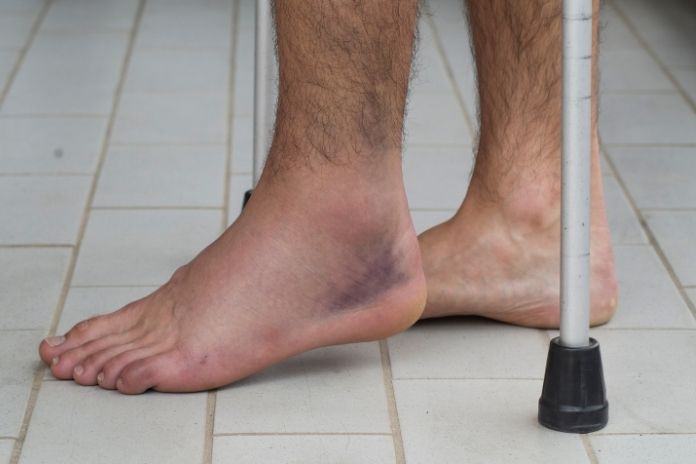
The following five warning signs are the most reliable clues that a fracture may be present and imaging is necessary.
1. You Can’t Bear Weight or Move the Limb
Difficulty bearing weight, especially when accompanied by significant pain, raises concern for a possible fracture. Pain is a significant symptom of a fracture. Therefore, if a person is unable to bear weight on the affected area or if standing or walking on it causes severe pain, a fracture is likely.
Clinicians often use the Ottawa Ankle Rules to determine whether an ankle x-ray is needed. One of these criteria is the inability to take four steps both immediately after the injury and during examination.
This rule applies to other areas of the body as well. For instance, if a wrist is unable to hold a coffee mug or a leg is unable to bear weight on a standing surface, a fracture is likely. It is essential to note that a fracture does not necessarily mean a lack of movement. Therefore, a person may still wiggle their fingers or toes if a fracture is present.
2. The Area Looks Crooked, Bent, or Misshapen
A visible deformity following an injury strongly suggests a fracture or dislocation and requires prompt medical evaluation. If a limb appears shorter, twisted, or bent strangely, it may be a sign of a broken bone. At times, a hard bump may develop at the end of a broken bone.
A dislocation may look similar to a fracture, and in all cases, a fracture or dislocation needs to be treated immediately. You should not attempt to straighten a broken bone.
3. Rapid Swelling and Deep Bruising Develop
In a fracture, swelling may develop quickly, feel tight or firm, and bruising may change to deep purple as blood collects under the skin. Swelling around a fracture may increase on the first day and, in many cases, be associated with severe tenderness over a specific bone.
In a sprain, swelling may feel softer, and in a fracture, swelling may increase on the first day, and in many cases, tenderness may be severe in a specific bone.
4. You Heard or Felt a “Pop,” “Snap,” or “Crack.”
A popping sound during injury can occur in both sprains and fractures, but a cracking or grinding sensation is more concerning. Some patients describe a gritty feeling called crepitus (grinding sensation), which can happen when broken bone ends rub together.
Crepitus following an acute injury may raise concern for a fracture and should prompt evaluation.
5. The Pain Is Sharp, Localized, and Unrelenting
The pain of a fracture usually starts suddenly, intensely, and at a specific spot. Fracture pain is often severe, specific, and sometimes worse with movement.
Both sprains and fractures can cause a lot of pain. The pain of a sprain lessens with some rest and elevation of the injured limb. However, medical sources emphasize the presence of severe pain as a sign of a fracture.
“Most people would assume fractures to be more painful. I had treated a patient who had excruciating pain from a Grade III ankle sprain on one leg and a fracture on the opposite side, yet the sprain caused more pain,” says Dr. Leonel Awokang, a Chiropractic Physician who practices in Florida.
Read More: Wrist Fractures: Most Common Types and What Recovery Looks Like
When to Seek Emergency Care Immediately
There are some signs of fractures that require instant emergency treatment. For instance, if the bone sticks out through the skin, the patient has an open fracture, which is prone to infection. Numbness or tingling suggests possible nerve damage.
Pale, blue, or cold-colored skin suggests possible problems with blood flow. Excessive bleeding, inability to move fingers or toes, and uncontrollable swelling are some signs that require instant medical attention.
If you are not sure about seeking medical attention for your fractured bone, you should remember that problems with the flow of blood or the nerves cannot wait.
How Doctors Confirm the Diagnosis
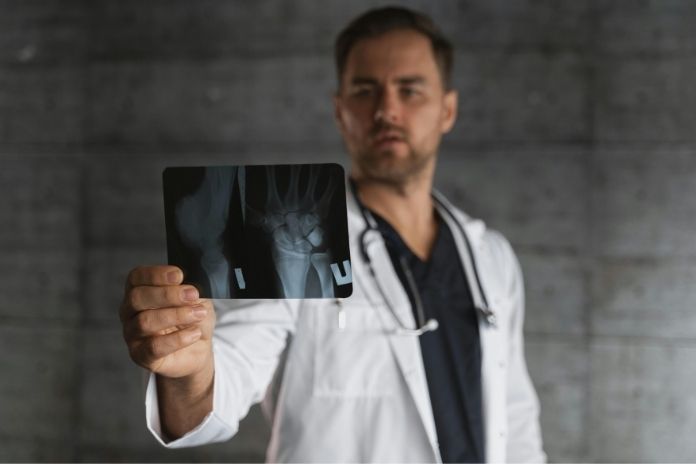
A clinician starts with a physical exam, checking tenderness over bones versus ligaments, range of motion, and joint stability. They assess circulation and nerve function.
“Symptoms alone do not always tell the whole story,” says Dr. Awokang. “In cases of fractures, I have had patients continue walking on fractures, while others have been unable to put any weight due to a serious sprain. Which is why imaging can be so important when symptoms are significant.”
A medical professional will start with a physical examination, which involves feeling for tenderness in the bones and ligaments, as well as assessing the joint’s range of motion and stability. They will also check the blood flow and the nervous system.
For most cases, the initial imaging procedure is an X-ray. X-ray diagnosis can show the alignment of the bones, the placement of the fracture, and the degree of displacement.
Some fractures, such as hairline fractures, may not be visible on an X-ray right away and may require further testing, including an MRI. CT scans may be necessary in more complex cases, especially if the joint is involved and more than one bone is broken.
An orthopedic examination is part of the overall plan of care. Specialists determine whether the patient should be cast, splinted, and/or surgically treated to properly align the bone. All this depends on the type of fracture, including a hairline fracture.
Read More: Why Some Fractures Don’t Heal: Causes of Delayed Union and Nonunion
First Aid and At-Home Care Until You See a Doctor
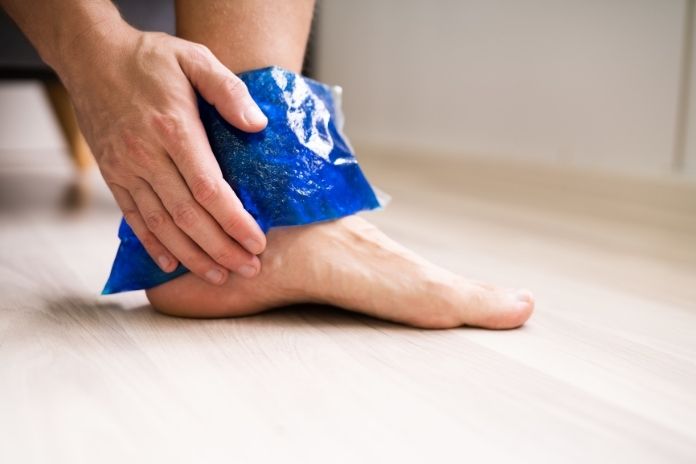
If you suspect that you might be having a fracture, you must stop whatever you were doing immediately. You can then apply the RICE method, which consists of rest, ice, compression, and elevation, to assist in reducing the swelling.
You should avoid unnecessary weight-bearing or activities on the affected part, nor should you test the extent of the motion. If the part appears unstable or if the injured area appears unstable or deformed, a temporary splint may help limit further movement.
Do not try to straighten, “put it back,” or even massage a suspected fracture, as it might worsen the condition.
Treatment Overview: Sprain vs. Fracture

Sprains heal with rest, compression, bracing, and physical therapy that help rebuild ligament strength. However, in severe cases, the injured limb might have to be immobilized.
Fractures, meanwhile, require immobilization with a cast or splint for the bone to heal. However, in severe cases, surgery might be required, with plates and screws used to aid healing. The bone might take weeks or months to heal, depending on the bone and the severity of the fracture.
The main difference between the two injuries is that, while a fracture might be mistaken for a sprain, failure to appropriately recognize and manage a fracture may cause delayed healing, persistent pain, chronic instability, and arthritis
Key Takeaway
Sprains and fractures can cause similar symptoms, such as pain, swelling, and bruising. While some sprains or fractures improve with simple treatments. Some types of fractures require a lot more.
When the injury makes it difficult to bear weight, causes a visible deformity, significant swelling or bruising, or severe, specific pain or grinding, it’s highly recommended to get an X-ray.
If a person is unsure about whether he or she needs to get an X-ray after a certain injury, then it is always best to play it safe and get a professional orthopedic evaluation to ensure proper healing of the injury, to avoid any kind of damage, and to resume normal activities as soon as possible.

About the Expert Reviewer: Dr. Leonel Awokang, Chiropractic Physician
Dr. Leonel Awokang is a Chiropractic Physician with experience evaluating and managing musculoskeletal conditions across clinical and rehabilitation settings. He earned his Doctor of Chiropractic degree from Northeast College of Health Sciences and completed clinical training through the Bay Pines VA Healthcare System. His work focuses on evidence-based musculoskeletal care, patient education, and the review of health and clinical content.
Read more →References
- American Academy of Orthopaedic Surgeons. (n.d.). Nonunions. OrthoInfo.
- National Center for Biotechnology Information. (n.d.). Bone healing (In StatPearls).
- ScienceDirect. (n.d.). Sprain. In ScienceDirect Topics.
- Wisconsin Foot & Ankle Clinic. (n.d.). Sprain vs. fracture: How to tell the difference.
- International Liv Hospital. (n.d.). Fracture pain severity and recovery.
- PainCare Florida. (n.d.). Fracture pain.
In this Article