

















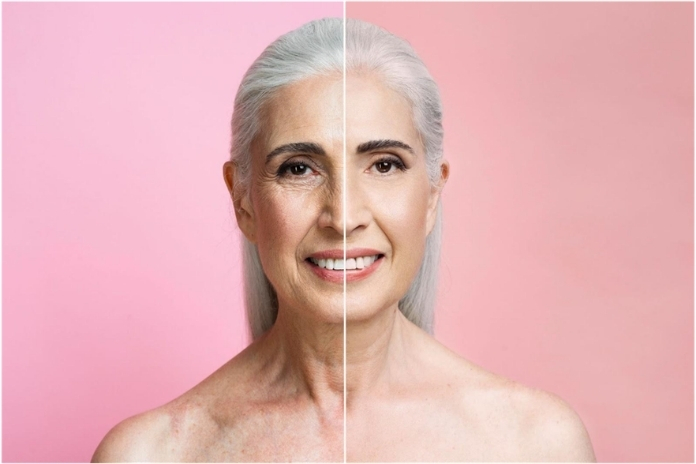
When someone crosses 50, the common explanation for dry, dull, thinning skin is simple: “It’s aging.”
But ‘aging’ is a very broad term. It hides the real mechanism.
What actually changes inside the skin is not only collagen loss. Not only a slower cell turnover. A very silent shift happens in the skin barrier: lipid depletion. And this one change can make skin look older than it really is.
Tightness that does not improve with a moisturizer. Fine lines that appear suddenly. Creams that used to work are now ineffective. These are not random signs. They are signals that skin lipids are declining.
If we understand this clearly, restoring moisture after 50 becomes more scientific rather than trial and error. When we understand this difference, the skincare strategy also changes. It is not about “anti-aging.” It is about rebuilding what skin has silently lost.
What Is Lipid Depletion, and Why It Matters After 50
Your outer skin layer (stratum corneum) is often compared to a brick wall. The skin cells are like bricks. Lipids are the mortar. Without mortar, bricks fall apart.
Skin lipids mainly include: ceramides, cholesterol, and free fatty acids. These are not optional extras. They are structural components.
After 50, several biological changes reduce lipid production:
- Estrogen decline affects ceramide synthesis
- Sebum production reduces
- Skin repair enzymes slow down
- Chronic low-grade inflammation increases
- This is one major reason post-menopausal skin feels suddenly thinner and drier
Changes in membrane lipid composition not only affect surface dryness but also affect other properties. They can alter the function of skin cells at a deeper level. As Dr. Santosh Pandey, a naturopath, explains, “Changes in membrane lipid composition can affect cell integrity and function, potentially leading to cellular dysfunction associated with ageing. Certain types of fatty acids can contribute to chronic inflammation when present in excess. Chronic inflammation is a known factor in ageing-related diseases.”
The result is not just dryness. It is a structural weakening of the barrier. When the barrier weakens:
- Water escapes faster (transepidermal water loss increases)
- Irritation threshold becomes lower
- Inflammation becomes frequent
- Pigmentation becomes stubborn
So it is not “aging dryness.” It is a biochemical lipid deficiency.
How Lipid Depletion Changes the Look and Feel of Your Skin
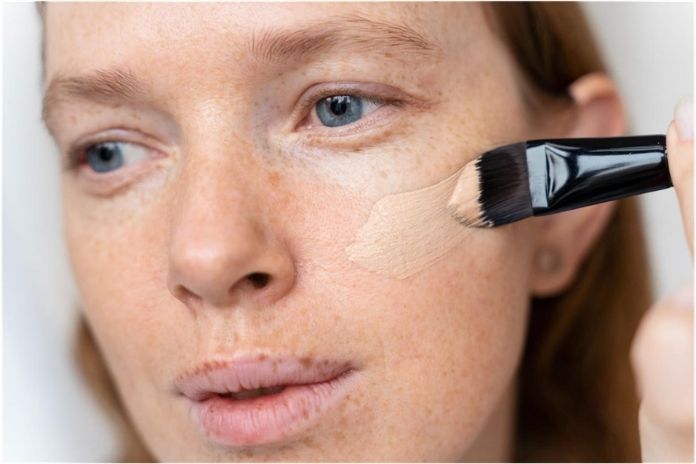
Lipid-depleted skin behaves differently from simple dry skin.
Here is what makes it distinct:
1. Moisturizer doesn’t last long
You apply cream. After two hours, the skin feels tight again. Because a barrier cannot hold water.
2. Fine lines look sharper
When the lipid matrix thins, the surface becomes uneven. Light reflects irregularly. Wrinkles appear deeper.
3. Increased sensitivity
Products that never caused irritation before now suddenly sting.
4. Makeup sits poorly
The foundation cracks because the skin’s surface lacks flexibility.
5. Slow recovery after procedures
After peeling or laser, healing takes longer. Lipids are required for repair.
Many people increase hyaluronic acid at this stage. But hyaluronic acid binds water; it does not rebuild barrier structure. Without lipids, water cannot stay inside.
This is where confusion happens in skincare routines.
Key Ingredients That Rebuild Lipid Balance
Not all moisturizers restore lipids. Some just coat the surface. A barrier-repair formula must contain a correct lipid ratio.
1. Ceramides (NP, AP, EOP)
Ceramides make up nearly 50% of barrier lipids by weight. After menopause, natural ceramide levels can drop significantly. This affects cohesion between skin cells.
Ceramides labelled as: Ceramide NP, Ceramide AP, as well as Ceramide EOP are structurally closer to human skin lipids. Important point: more types are better than only one.
Ceramides improve barrier strength, water retention, inflammation control, and texture smoothness. But ceramides alone are incomplete.
2. Cholesterol
Many brands avoid the word “cholesterol” because it sounds unhealthy. In reality, skin cholesterol is essential and helps support the skin barrier together with ceramides. If a product contains ceramides but no cholesterol, lipid lamellae formation is incomplete.
Studies show that a balanced ratio of ceramide, cholesterol, and fatty acids improves barrier recovery significantly compared to ceramide alone.
Cholesterol deficiency is one of the most ignored aspects in mature skin.
3. Fatty Acids (Omega-3 and 6)
Free fatty acids maintain flexibility. Omega-6 (linoleic acid) is especially important for barrier repair. Low linoleic acid levels are linked with increased dryness and rough texture.
Age-related decline in essential fatty acids is not only a skin-level observation; it has also been measured systemically.
As Dr. Sudhir Kumar explains, “Omega-3 fatty acids deplete with ageing. In particular, the levels of docosahexaenoic acid, TAG, and even eicosapentaenoic acid decrease with ageing. Decreased levels of linoleic acid have been reported in aged skin; the data show that this is also a significant ageing biomarker in blood plasma.”
Fatty acids also:
- Reduce micro-inflammation
- Improve elasticity
- Support ceramide synthesis
Plant oils rich in linoleic acid can support the barrier if used correctly. But too much occlusive oil, without proper balance, can clog pores. So formulation matters.
4. Supporting Ingredients for Lipid Restoration
Barrier repair is not only about lipids. A supporting environment is required. Helpful additions include:
- Niacinamide (supports ceramide synthesis)
- Panthenol (reduces inflammation)
- Urea in low concentration (improves hydration without damaging the barrier)
- Peptides (support structural repair)
But aggressive exfoliants during the lipid repair phase can slow progress. If skin is already lipid-deficient, frequent AHA use may worsen barrier instability.
A Restorative Skincare Routine for 50+ Skin
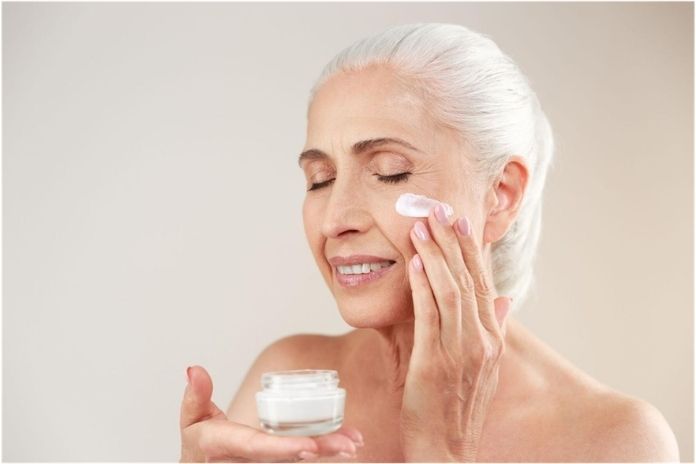
Restoring lipids is not about adding 10 products. It is about reducing damage and improving repair.
1. Cleanse Gently
Foaming cleansers with high surfactant load strip lipids. Switch to:
- Cream cleansers
- Low-foam gel cleansers
- pH-balanced formulations
Cleansing twice daily is fine. But over-cleansing is not. A morning wash can even be lukewarm water if the skin is very dry.
2. Smart Layering Strategy
Instead of only hydrating serum, follow structured layering:
- Light hydrating serum (humectant-based)
- Lipid-repair cream (ceramide with cholesterol and fatty acids)
- Optional light occlusive at night
Humectants draw water. Lipids seal and repair. Occlusives prevent evaporation. Sequence matters. Applying oil alone to dry skin will not fix the barrier if the lipid matrix is already disrupted.
3. Daily Protection and Night Repair
UV exposure degrades lipids faster. Sunscreen is not optional after 50. Even mild daily exposure weakens the barrier. Nighttime is a repair window. Skin lipid synthesis peaks at night.
Using barrier-focused cream at night improves long-term resilience.
Retinoids can be used carefully. But the frequency may need adjustment if the skin shows signs of lipid deficiency.
Read More: Healthy Aging: Tips and Habits for a Vibrant Life After 50
Lifestyle Habits That Help Preserve Lipids
Skincare alone cannot compensate for internal imbalance. Important factors:
1. Dietary fats
Very low-fat diets may affect skin lipid composition. Essential fatty acids are required.
2. Stress management
Chronic stress increases cortisol. Cortisol reduces lipid synthesis in skin.
3. Sleep quality
Sleep disruption interferes with the barrier recovery cycle.
4. Avoid over-exfoliation trends
Skin cycling trends may not suit lipid-depleted skin.
5. Humidity awareness
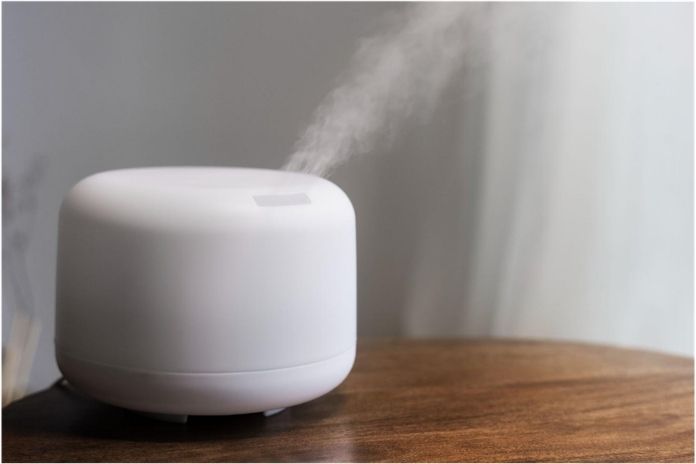
Dry air increases transepidermal water loss. Using a humidifier in a very dry climate helps.
Skin over 50 is not weak. It is metabolically slower. It needs support, not aggression.
Read More: Is HIV Accelerating the Aging Process? Understanding ‘Accelerated Aging’ in People Living with HIV
What to Look for in a Barrier-Rebuilding Product
Do not get distracted by marketing words like “anti-aging miracle.”
Look for:
- Multiple ceramides listed
- Cholesterol included
- Fatty acids present
- Balanced texture (not only heavy wax)
- Fragrance-free for sensitive skin
- Clinical barrier testing is mentioned
If the ingredient list starts with strong alcohol, it may not support lipid recovery. Packaging also matters. Lipids oxidise. Air-tight packaging is better. Do not expect instant plumping in one day. Lipid rebuilding takes weeks, not hours.
Read More: Challenges of Aging with HIV: What Every Person Over 50 Living with HIV Should Know
Final Thoughts
After 50, a common misconception is that the skin requires stronger active ingredients. Sometimes skin needs rebuilding, not stimulation. Lipid depletion is not dramatic. It is gradual. That is why it goes unnoticed.
When the barrier is restored, sensitivity reduces, lines soften, tone improves, and glow returns without shimmer products. Moisture that looks “young” is not about shine. It is about structure.
Restore the structure, and the surface follows.
- Lipid depletion after 50 is a structural issue, not only cosmetic dryness.
- Ceramides without cholesterol and fatty acids are an incomplete barrier therapy.
- Overuse of exfoliating acids may worsen lipid deficiency even if the skin looks dull.
- Long-term studies comparing ideal ceramide–cholesterol–fatty acid ratios in post-menopausal skin are still limited. More age-specific formulation data is needed.
- Barrier repair requires internal and external support; skincare alone is not enough.
FAQs
1. Can lipid depletion start before 50?
Yes. Hormonal changes, stress, and harsh skincare can reduce lipids even in the early 40s.
2. Are natural oils enough to restore lipids?
Oils provide fatty acids but usually lack ceramides and cholesterol. So they are supportive, but not a complete solution.
3. How long does barrier repair take?
Visible improvement may start in 2–4 weeks. Structural stability may take 8–12 weeks.
4. Can I still use retinol with the lipid repair routine?
Yes, but the frequency may need to be reduced. Barrier stability should be the priority first.
5. Is hyaluronic acid bad for 50+ skin?
No. It hydrates. But without lipid support, hydration will not last long.
References
- Bzioueche, H., Tamelghaghet, M., Chignon-Sicard, B., Bazile, N., Hauchecorne, P., Calderón, M. B., Meunier, P., Rocchi, S., Passeron, T., & Tulic, M. K. (2023). Ceramide ADTM Restores Skin Integrity and Function following Exposure to House Dust Mite. International Journal of Molecular Sciences, 24(11), 9234–9234.
- Kendall, A. C., Pilkington, S. M., Wray, J. R., Newton, V. L., Griffiths, C. E. M., Bell, M., Watson, R. E. B., & Nicolaou, A. (2022). Menopause induces changes to the stratum corneum ceramide profile, which are prevented by hormone replacement therapy. Scientific Reports, 12(1), 21715.
- Rosso, J. D., Zeichner, J., Alexis, A., Cohen, D., & Berson, D. (2016). Understanding the Epidermal Barrier in Healthy and Compromised Skin: Clinically Relevant Information for the Dermatology Practitioner: Proceedings of an Expert Panel Roundtable Meeting. The Journal of Clinical and Aesthetic Dermatology, 9(4 Suppl 1), S2.
In this Article