


















For decades, cancer monitoring relied on a familiar but demanding routine. Imaging scans spaced months apart. Needle biopsies when tumors appeared to change. Long periods of waiting, followed by difficult decisions.
For patients with advanced cancer, this often meant repeated invasive procedures, each carrying physical discomfort, medical risk, and the emotional weight of constant uncertainty.
The challenge wasn’t just how invasive biopsies were. It was what they couldn’t show. Traditional tissue samples capture one location at one moment in time, while cancer continues to evolve between scans. By the time results returned, the disease could already be behaving differently.
That’s where liquid biopsy is changing the model. Instead of removing tissue, this blood-based test analyzes fragments of tumor DNA and cells circulating in the bloodstream. It allows oncologists to track cancer in real time, monitor treatment response, and detect emerging resistance without the need for repeated procedures.
Liquid biopsy doesn’t replace all traditional biopsies. But in advanced cancer care, it’s reshaping how monitoring happens by making it safer, faster, and more reflective of how cancer actually changes.
What Is a Liquid Biopsy, and How Does It Work?
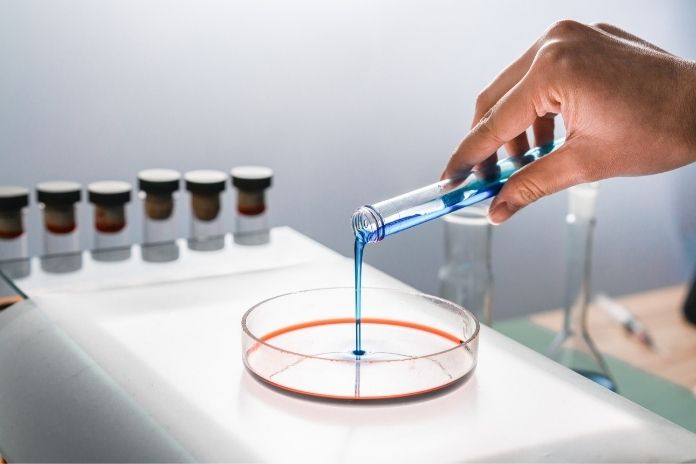
A liquid biopsy is a test that looks for cancer-related material released into bodily fluids, most commonly blood. Instead of removing tissue directly from a tumor, clinicians analyze molecular traces shed by cancer cells as they grow, divide, and die. These signals circulate through the bloodstream, enabling cancer activity to be studied with a simple blood draw.
Cancer is not static. Tumors continuously evolve, especially under treatment pressure. Liquid biopsy captures that ongoing process. Rather than offering a single snapshot from a single location, it provides a system-wide view of how the disease behaves at that moment.
Key Components Analyzed in a Liquid Biopsy
Liquid biopsies examine several types of tumor-derived material. The most commonly analyzed include:
- Circulating tumor DNA (ctDNA): Small fragments of DNA released into the bloodstream when cancer cells break down. ctDNA carries genetic mutations that reflect the tumor’s current molecular profile.
- Circulating tumor cells (CTCs): Whole cancer cells that have detached from primary or metastatic tumors and entered circulation. These are less abundant but can offer insight into metastatic potential.
- Extracellular vesicles and exosomes: Tiny membrane-bound particles released by tumor cells that carry DNA, RNA, and proteins involved in cancer signaling.
Among these, ctDNA is the most clinically actionable and widely used because it can be detected with high sensitivity and directly linked to treatment decisions.
How a Blood Sample Reveals Tumor Behavior
Using advanced molecular tools such as next-generation sequencing, laboratories analyze ctDNA for specific mutations, gene amplifications, and markers of treatment resistance. Because blood circulates throughout the body, ctDNA reflects input from multiple tumor sites at once, including metastases that may not be easily biopsied.
According to the National Cancer Institute, liquid biopsies provide a repeatable molecular snapshot of cancer. They can be performed more frequently than tissue biopsies, allowing clinicians to track changes in tumor biology over time, sometimes before they appear on imaging.
Liquid Biopsy vs Tissue Biopsy
Traditional tissue biopsies remain essential. They provide architectural detail, tumor type, and histologic features that liquid biopsies simply cannot capture. But they also have a built-in limitation: a tissue biopsy reflects a single tumor location at a single moment in time.
Liquid biopsy brings a different strength to the table. By analyzing circulating tumor material in the blood, it captures molecular signals from multiple tumor sites and reflects changes as they happen. That makes it especially useful for tracking treatment response, tumor evolution, and emerging resistance.
In modern oncology, these approaches are not competitors. They’re complementary. Tissue biopsy establishes the diagnosis and foundational pathology. Liquid biopsy extends that picture over time.
As Dr. Mark A. Socinski, executive director of the AdventHealth Cancer Institute, explains:
“Historically, the standard has been tissue-based testing, although I do not think that’s the current standard; tissue and plasma-based testing are really complementary.”
What this really means is that using both approaches broadens the scope of molecular detection. Alterations missed by a single tissue sample may appear in plasma, and dynamic changes that occur under treatment pressure can be detected earlier. Together, tissue and liquid biopsies give clinicians a more complete, clinically actionable view of the disease as it unfolds.
Read More: ‘Liquid Biopsy’ for Early Detection of Cancer, New Study Suggests
Why Traditional Tissue Biopsies Have Limitations

Tissue biopsy remains essential for diagnosing cancer and establishing tumor type. It provides critical structural and histologic detail that no blood test can replace. But when it comes to long-term monitoring, especially in advanced cancer, tissue biopsies have clear limitations that affect both patients and clinical decision-making.
Invasiveness and Patient Burden
Needle and surgical biopsies are invasive procedures. They carry real risks, including bleeding, infection, pain, and anesthesia-related complications. For patients with advanced cancer, these risks add up. Repeated procedures increase physical strain and can take a significant emotional toll, especially when biopsies are required every time treatment response is uncertain.
Access is another issue. Tumors in the lung, brain, bone, or deep abdominal structures may be difficult or unsafe to sample repeatedly. In some cases, biopsies are deferred not because information isn’t needed, but because the risk outweighs the benefit. That leaves clinicians working with incomplete or outdated data.
Sampling Bias and Tumor Heterogeneity
Cancer is not uniform. Tumors evolve, and different regions of the same cancer can carry different genetic mutations, particularly after exposure to treatment. A tissue biopsy samples only one location, which may not reflect what’s happening elsewhere in the body.
Research published in Nature Medicine has shown that both intratumoral and intermetastatic heterogeneity can lead to missed resistance mutations when clinicians rely solely on tissue samples. This sampling bias becomes more pronounced over time, as selective pressure from therapy drives genetic divergence between tumor sites.
Limited Repeatability and Delayed Decisions
Because tissue biopsies are invasive, they can’t be performed frequently. This limits a clinician’s ability to track tumor evolution in real time. Changes in tumor biology may occur weeks or months before they become visible on imaging or before another biopsy is feasible.
In advanced cancer, timing matters. Delayed insight can mean delayed treatment adjustments, missed windows for targeted therapies, or prolonged exposure to ineffective drugs. These constraints are a major reason oncology is shifting toward tools that allow safer, more frequent monitoring alongside traditional biopsy methods.
How Liquid Biopsies Are Changing Advanced Cancer Monitoring

In advanced cancer, the challenge isn’t just treating the disease. It’s keeping up with how quickly it changes. Tumors adapt under therapy, develop resistance, and behave differently across the body. Traditional monitoring methods were never designed for that level of complexity.
Liquid biopsies are changing this gap. By allowing frequent, low-risk sampling of tumor genetics through a simple blood draw, they give clinicians a way to monitor cancer as an evolving process rather than a series of delayed snapshots. This shift is transforming how advanced cancers are tracked, treated, and adjusted over time.
1. Minimally Invasive and Safer
Liquid biopsy requires only a standard blood draw. No anesthesia. No recovery time. No surgical risk. Compared to tissue biopsies, the physical burden is minimal, limited to routine venipuncture. This makes testing safer and far easier to repeat.
Because the procedure is simple, liquid biopsies can be performed every few weeks when clinically needed. That repeatability allows clinicians to track disease dynamics over time rather than relying on infrequent snapshots.
According to clinicians at the Mayo Clinic, this reduced procedural burden is especially important for patients with fragile health, advanced disease, or tumors located in areas that are difficult or dangerous to access.
2. Real-Time Tracking of Treatment Response
Cancer evolves under treatment pressure. Targeted therapies, immunotherapies, and chemotherapy all select for resistant tumor clones over time. Waiting months for imaging can mean missing early signs that a treatment is no longer working.
Liquid biopsy enables real-time monitoring by measuring changes in circulating tumor DNA levels. Falling ctDNA levels often correlate with effective treatment, while rising levels may signal progression or emerging resistance well before it appears on scans.
Studies in metastatic colorectal and breast cancer have shown that ctDNA dynamics can predict progression weeks to months earlier than radiographic imaging, allowing earlier and more informed treatment adjustments.
3. Capturing Tumor Heterogeneity Across the Body
Metastatic cancer is rarely uniform. Different tumor sites can behave differently and carry distinct genetic mutations, especially after treatment begins. A single tissue biopsy cannot capture this complexity.
A liquid biopsy aggregates molecular signals from multiple tumor sites simultaneously. This broader view is particularly valuable in advanced and metastatic disease, where understanding the full mutation landscape guides therapy selection. By reflecting the full disease burden rather than a single lesion, liquid biopsy supports more accurate, personalized treatment decisions.
4. Detecting Resistance and Relapse Early
One of the most powerful applications of liquid biopsy is the detection of minimal residual disease, or MRD. MRD refers to microscopic cancer cells that remain after treatment and can eventually drive relapse, often before symptoms or imaging changes appear.
In lung cancer, for example, detection of the EGFR T790M resistance mutation through ctDNA analysis has allowed clinicians to switch targeted therapies before clinical progression. This approach has been validated in multiple peer-reviewed studies.
Early detection of resistance or relapse creates a window for intervention that can extend treatment response and delay symptomatic disease.
5. Solving the Problem of Limited or Inaccessible Tissue
In many cases, tissue samples are insufficient for full molecular profiling. Biopsies may yield insufficient material, degrade during processing, or be obtained from tumors in high-risk areas where repeat sampling isn’t feasible.
Liquid biopsy provides an alternative pathway for molecular analysis when tissue is unavailable or inadequate. Enabling genomic profiling through blood, it allows patients to access targeted therapies that might otherwise be out of reach. In advanced cancer care, this flexibility can meaningfully expand treatment options and improve decision-making.
Current Limitations and What’s Next for Liquid Biopsy
Despite its promise, liquid biopsy is not without limitations.
Sensitivity and early-stage detection challenges
Early-stage tumors shed less DNA into circulation, making detection more difficult. This limits current sensitivity for screening and very early diagnosis.
Advances in ultra-deep sequencing and error-correction algorithms are improving detection thresholds, but early cancer detection remains an active area of research rather than routine clinical practice.
Technical and interpretation challenges
Not all tumors shed ctDNA consistently. A negative liquid biopsy does not always mean the absence of disease.
Another challenge is clonal hematopoiesis of indeterminate potential (CHIP), an age-related process where blood cells acquire mutations unrelated to cancer. These mutations can appear in ctDNA assays and must be carefully distinguished from tumor-derived signals.
Experts at the Cleveland Clinic emphasize that expert interpretation and clinical correlation are essential to avoid misclassification.
A complementary role, not a full replacement
Liquid biopsy does not replace tissue biopsy for initial diagnosis, histology, or tumor grading. Instead, it complements tissue by adding longitudinal molecular insight.
Most oncology guidelines now view liquid biopsy as a monitoring and decision-support tool rather than a standalone diagnostic replacement.
The Future of Cancer Monitoring: Toward Personalized, Needle-Free Care
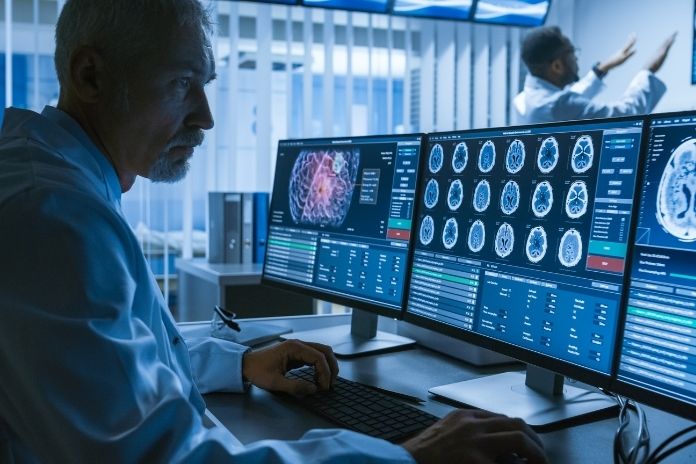
Liquid biopsy is still evolving, and its trajectory points toward a very different model of cancer monitoring. Advances in sequencing depth, error correction, and standardized reporting are improving sensitivity and reliability.
At the same time, integration with artificial intelligence is helping clinicians interpret complex molecular patterns, distinguish true tumor signals from background noise, and predict treatment response with greater confidence.
Researchers are also moving beyond single-marker testing. Multi-analyte assays that combine circulating tumor DNA, circulating tumor cells, and protein or epigenetic markers are being developed to provide a more complete picture of tumor behavior.
These approaches aim to improve early detection of resistance, refine recurrence surveillance, and expand the role of liquid biopsy in preventive oncology for high-risk patients.
For patients, the impact is immediate and practical. Fewer invasive procedures. Less waiting between assessments. Faster, more informed treatment adjustments. Instead of relying on periodic scans and repeated biopsies, care becomes more responsive to what the cancer is actually doing in real time.
What this really represents is a shift in philosophy. Monitoring is no longer something that happens occasionally and invasively. It becomes continuous, personalized, and far less burdensome. As liquid biopsy technology matures, it moves cancer care closer to a future where precision doesn’t come at the cost of repeated needles or unnecessary delays.
Key Takeaway
Liquid biopsy isn’t replacing tissue biopsy, and it doesn’t need to. What it’s doing is changing the rhythm of advanced cancer care. Instead of waiting months between scans or undergoing repeated invasive procedures, clinicians can follow the disease as it evolves, using simple blood tests to understand what the tumor is doing right now.
That shift matters. Real-time insight into tumor behavior makes it easier to spot treatment resistance early, adjust therapies sooner, and identify relapse before it becomes clinically obvious. For patients, the impact is just as meaningful: fewer painful procedures, less uncertainty between appointments, and clearer answers about whether a treatment is actually working.
As liquid biopsy technology continues to improve, its role in advanced cancer monitoring will only expand. The most effective approach is often a combination of traditional tissue biopsy and liquid biopsy, each used where it adds the most value.
Anyone considering this option should have a detailed conversation with their oncologist to understand how a liquid biopsy fits their specific cancer type, stage, and treatment plan.
FAQs: People Also Ask
What is a liquid biopsy used for?
Liquid biopsy is used to track how cancer changes over time. It helps monitor treatment response, detect resistance mutations, and identify minimal residual disease. In advanced cancer, it guides targeted therapy decisions. It’s especially useful when repeated tissue biopsies aren’t feasible.
How accurate is a liquid biopsy compared to a tissue biopsy?
Liquid biopsy is highly specific for detecting known mutations. Sensitivity can be lower in early-stage disease or when tumor DNA levels are very low. It doesn’t replace tissue biopsy. Instead, it complements it by providing ongoing molecular insight.
Can a liquid biopsy detect cancer recurrence?
Yes. Rising levels of circulating tumor DNA can signal recurrence before symptoms appear. These changes may also precede imaging findings. This allows clinicians to intervene earlier. Early detection can improve treatment timing.
Is liquid biopsy FDA-approved?
Yes, for certain uses. Several liquid biopsy tests have FDA approval for specific cancer indications. These are most established in lung cancer and solid tumor mutation profiling. Approval depends on the cancer type and clinical context.
References
- American Institute for Cancer Research. (n.d.). Liquid biopsies: A revolution in early cancer detection and monitoring.
- Apollo Hospitals. (n.d.). Liquid biopsy.
- Cleveland Clinic. (2020, May 18). Multi-center clinical trial involving Cleveland Clinic finds new blood test accurately detects over 50 types of cancer.
- Continental Hospitals. (2025). How is liquid biopsy changing cancer diagnosis in 2025?
- Clinical Laboratory Products. (n.d.). Liquid biopsy accurately detects key genetic mutations in common form of lung cancer.
- Jain, M., et al. (2025). Liquid biopsies for early detection and monitoring of cancer. Annals of Medicine and Surgery.
- Mayo Clinic. (n.d.). Mayo Clinic Q and A: What is a liquid biopsy?
- MBC Alliance. (n.d.). New blood tests called liquid biopsies for cancer screening, monitoring, and treatment.
- National Cancer Institute. (n.d.). Liquid biopsy.
- Oxnard, G. R., et al. (2016). Association between plasma genotyping and outcomes of treatment with epidermal growth factor receptor–tyrosine kinase inhibitors. Journal of Clinical Oncology, 34(28), 3375–3382.
- Roche. (n.d.). Liquid biopsy in oncology.
- Socinski, M. A. (2021). Liquid and tissue biopsy can be complementary in NSCLC. The American Journal of Managed Care.
- Sun, K., et al. (2024). Multi-analyte liquid biopsy approaches in cancer detection and monitoring. Cancers, 16(9), Article 2262.
- Wang, Y., et al. (2024). Tumor heterogeneity and resistance mechanisms revealed by liquid biopsy. CSP, Article CSP-2024-00031.
- Zhao, H., et al. (2024). Epigenetic and molecular advances in liquid biopsy technologies. International Journal of Molecular Sciences, 25(16), 8594.
- Zhou, Q., et al. (2024). Intratumoral and intermetastatic heterogeneity assessed through liquid biopsy. Frontiers in Oncology.
- Zhou, X., et al. (2024). Clinical applications of liquid biopsy in cancer management. Diagnostics, 15(17), Article 2262.
In this Article