


















You notice more strands in the shower drain. Your ponytail feels thinner. A friend swears prenatal vitamins transformed her hair. Another insists high-dose biotin is the answer.
Now you’re stuck comparing biotin vs prenatal vitamins for hair growth, wondering which one is actually worth your time and money. The truth is, neither supplement is a magic fix. Hair growth depends on hormones, nutrient status, genetics, and overall follicle health. In certain situations, supplements help. In others, they do nothing or may even create new health risks.
This guide breaks down how hair growth supplements for non-pregnant women actually work, whether vitamin B7 deficiency is common enough to justify biotin, and how prenatal formulas differ in supporting keratin infrastructure. We’ll also examine serum ferritin levels, the role of iron balance, and why more isn’t always better when it comes to nutrients like folic acid, including the debate around folic acid vs folate.
You’ll also learn about the side effects of taking prenatals when not pregnant, the risks of biotin thyroid test interference, and how to choose the best vitamins for thinning hair based on your individual health profile rather than social media claims.
Let’s break this down clearly, using what clinical research and expert guidance actually show.
The “Pregnancy Glow” Myth: Why Your Hair Changes

A lot of the prenatal vitamin hype comes from pregnancy hair. Thicker strands, less shedding, faster growth. It looks like a supplement success story, but here’s what’s really happening.
Hormones, Not Vitamins, Drive the Change
During pregnancy, estrogen rises sharply. According to ACOG, elevated estrogen keeps hair in the anagen, or growth phase, for longer and delays the shift into the telogen, or shedding phase. Fewer hairs fall out, so density appears higher.
This is exactly what clinicians observe. As Ob/Gyn Erica Newlin, MD, explains, “During pregnancy, you aren’t shedding as much hair as you were before. You may notice you get very luscious, thicker hair.”
After delivery, the signal changes. Estrogen levels drop, and all the hairs that were held in place finally move forward in the cycle. The result is postpartum hair loss, clinically known as telogen effluvium.
What Prenatals are Actually Doing
Prenatal vitamins are formulated to meet the increased nutritional demands of pregnancy. They typically contain higher amounts of iron, folic acid, iodine, vitamin D, and moderate biotin to prevent anemia, support healthy serum ferritin levels, and reduce the risk of developmental complications.
These nutrients are designed to protect pregnancy outcomes and maintain maternal health. They are not formulated as targeted solutions for follicle health or standalone treatments in the debate around biotin vs prenatal vitamins for hair growth.
For non-pregnant adults, those nutritional gaps often don’t exist. The NIH Office of Dietary Supplements notes that most individuals consuming a balanced diet already meet baseline micronutrient requirements. In the absence of iron deficiency, vitamin B7 deficiency, or documented low ferritin, adding more micronutrients does not replicate pregnancy physiology.
This is particularly relevant when considering hair growth supplements for non-pregnant women without confirmed deficiencies. That’s where the misconception falls apart. Prenatals do not create pregnancy-related hair changes. Estrogen does. Taking pregnancy-level doses of iron and folate, including debates around folic acid vs folate, without pregnancy-level hormones will not recreate the same biological environment.
Instead, it may increase the likelihood of side effects of taking prenatals when not pregnant, including digestive discomfort or concerns about iron overload, without meaningfully changing hair outcomes.
Biotin: The Science of Keratin Infrastructure
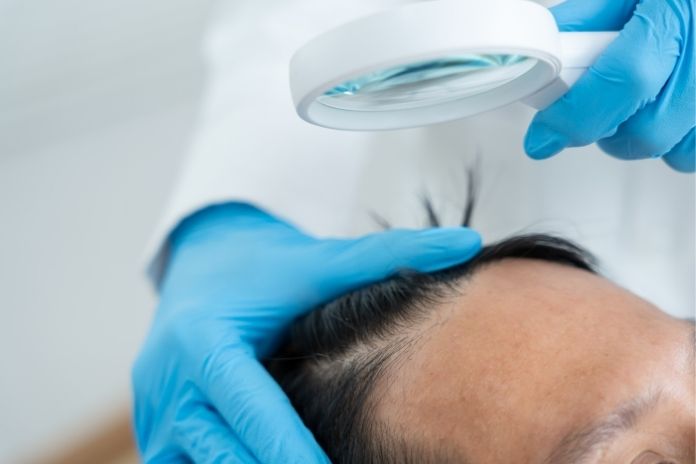
Biotin, or vitamin B7, is involved in fatty acid synthesis and amino acid metabolism, both of which support keratin production. Keratin is the structural protein that forms hair and nails, which is why biotin is so heavily marketed for beauty benefits.
When biotin is truly deficient, the effects are clear. Hair becomes brittle and thin, nails split easily, and skin rashes can appear. The NIH Office of Dietary Supplements fact sheets show how relatively small micronutrient needs are compared with what many supplements provide. For example, vitamin D recommendations are 15–20 mcg/day for most adults.
True biotin deficiency is uncommon in otherwise healthy people. It’s most commonly seen in specific medical situations, such as genetic biotinidase deficiency, long-term intravenous nutrition, chronic alcohol use, or sustained consumption of raw egg whites, which contain avidin that binds biotin and blocks its absorption.
This matters because evidence for biotin’s effectiveness depends almost entirely on deficiency status. A review of the use of biotin for hair loss, published in Skin Appendage Disorders, found that biotin supplementation showed benefit only in cases of confirmed biotin deficiency or underlying pathology and that there’s no strong evidence it improves hair growth in healthy individuals without deficiency.
Dermatologist Dr. Wilma Bergfeld, MD, at the Cleveland Clinic, notes, “Biotin can be helpful for hair disorders and nail thickness. Still, stronger evidence supporting its ability to enhance hair growth in otherwise healthy individuals without deficiency is lacking.”
There’s also a trade-off worth acknowledging. High-dose biotin may compete with vitamin B5 for absorption, since both use similar transport pathways in the gut.
In some people, especially at doses of 5,000 micrograms or more, this imbalance has been associated with acne flares. It doesn’t happen to everyone, but it shows up often enough in dermatology clinics to be more than anecdotal. The takeaway is simple. Biotin is essential, but more is not automatically better. It’s a targeted nutrient, not a universal fix.
Read More: 10 Best Biotin-Rich Supplements for Radiant Skin and Healthy Hair Growth
The Hidden Risks of Using Prenatals as a Beauty Supplement
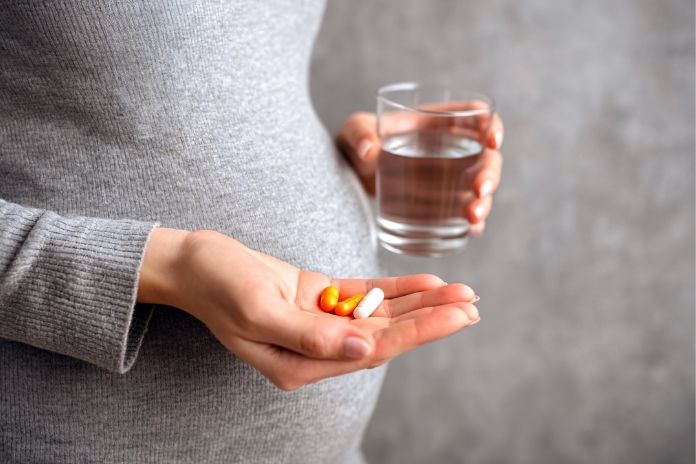
Prenatal vitamins are medical formulations. They’re designed to support pregnancy, not to act as general hair or beauty supplements. Using them outside that context changes the risk-benefit equation in ways most people never consider.
Iron is the Biggest Concern
Most prenatals contain about 27 mg of iron. That makes sense for pregnancy, when iron needs increase sharply. For non-pregnant women, the recommended intake is 18 mg per day. For men and postmenopausal women, it’s only 8 mg. When intake consistently exceeds need, iron can accumulate.
Mayo Clinic notes that excess iron may cause gastrointestinal distress, liver injury, and increased oxidative stress. In people with genetic conditions like hemochromatosis, the risk is even higher.
Folic Acid Adds Another Layer of Risk
Prenatals are also high in folic acid, the synthetic form of vitamin B9. This matters because excess folic acid can mask vitamin B12 deficiency. Laboratory improvement in anemia doesn’t always reflect recovery of neurological function; tissue-level damage can continue silently despite normal blood counts.
That risk rises with age, when B12 absorption naturally declines. Correcting blood markers without addressing the underlying deficiency can delay diagnosis and worsen long-term outcomes.
Then There’s the Efficiency Issue
Many B vitamins, including biotin, are water-soluble. When taken in large excess, they’re excreted in urine. That doesn’t mean your body is using more of it. It means absorption has already plateaued, especially in the absence of a confirmed vitamin B7 deficiency.
In practical terms, megadosing often adds cost and increases the risk of biotin thyroid test interference, without meaningfully improving follicle health or strengthening keratin infrastructure.
What this really comes down to is intent. Prenatals are formulated to support pregnancy, particularly increased iron demands and shifts in serum ferritin levels. Using them as hair growth supplements for non-pregnant women ignores that dosage context and can raise concerns like iron overload or other side effects of taking prenatals when not pregnant.
More nutrients don’t equal better results, especially when comparing biotin vs prenatal vitamins for hair growth without first identifying whether a true deficiency exists. In this article, we will discuss the best vitamins for thinning hair, understanding the cause of hair thinning, and not defaulting to higher doses.
Read More: Anemia in Pregnancy: 6 Prenatal Vitamins to Support Healthy Iron Levels
The Lab Test Warning (Crucial for Safety)
High-dose biotin isn’t harmless just because it’s a vitamin. At supplemental levels, especially 5,000 mcg and above, it can distort lab results in ways that have real clinical consequences. This isn’t about mild inaccuracies. It’s about results that can send care in the wrong direction.
How Biotin Interferes With Lab Tests
Many modern lab tests use biotin–streptavidin binding to detect hormones, enzymes, and cardiac markers. When excess biotin is circulating in the blood, it competes with the test reagents. The machine still prints a number, but the number may be wrong.
The danger is that neither the patient nor the clinician can see the interference.
Biotin and Thyroid Test Interference
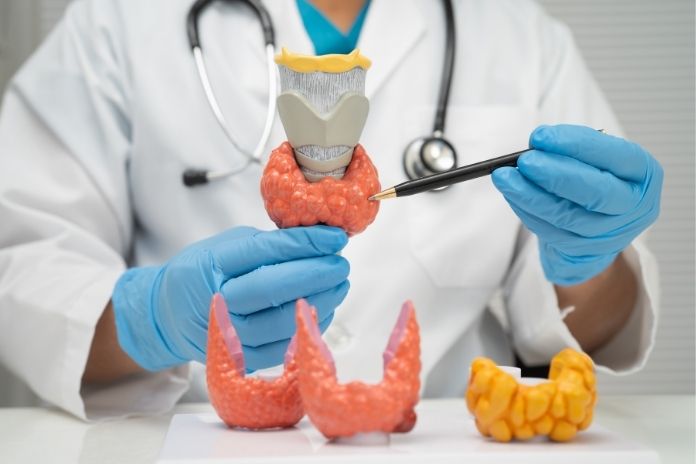
The FDA has issued multiple safety communications warning that biotin can skew thyroid function tests. The most affected markers include T3, T4, and TSH.
High-dose biotin can make T3 and T4 appear falsely elevated while pushing TSH artificially low. On paper, that pattern looks like hyperthyroidism or Graves’ disease.
According to the FDA’s safety communications from 2017 and 2019, biotin interference with certain lab tests has been documented and can lead to clinical misdiagnosis and inappropriate treatment when test results are incorrect due to assay interference.
Clinicians often recommend stopping biotin 48 to 72 hours before testing, but that window isn’t universal. If you’re taking higher doses, your body may need more time to clear biotin from your system.
The smartest step you can take? Be upfront. Let your healthcare provider know if biotin is part of your routine so they can interpret your lab results accurately and keep your care on track.
Cardiovascular Risk: Troponin Interference
Thyroid errors are serious, and cardiac errors are potentially fatal. Troponin is the blood marker used to diagnose heart attacks. Some troponin assays are particularly vulnerable to biotin interference. High biotin intake can cause troponin levels to read falsely low.
What This Means in Practice
If you haven’t been diagnosed with a biotin deficiency, taking high doses probably won’t do much for you. The hair benefits tend to be limited and depend on your actual nutrient status. On the other hand, the risk of lab test interference is real and clearly documented, so it’s not something to brush off.
This is one of the strongest arguments against taking megadose biotin. When a supplement can interfere with thyroid diagnosis or mask a heart attack, safety has to come first.
Biotin vs Prenatals: A Nutrient Breakdown
Biotin and prenatal vitamins often get grouped together for hair loss, but they serve different purposes. Biotin is a single nutrient meant to correct a vitamin B7 deficiency, which is uncommon.
Prenatal vitamins are multi-nutrient formulas designed to support pregnancy, often containing iron and folate to prevent broader deficiencies. The table below breaks down what each actually provides.
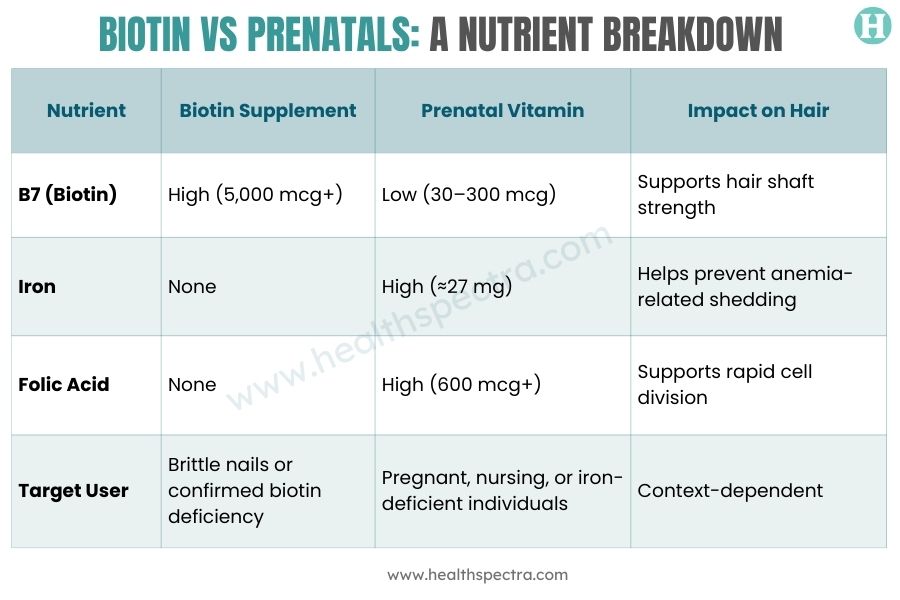 These supplements serve different populations. Biotin helps when there’s a true deficiency. Prenatals make sense when iron or folate needs are higher, especially during pregnancy. Neither is universally better. The right choice depends on what your body is actually missing, not what’s trending.
Better Alternatives for Hair Recovery
If you’re dealing with hair loss, the bigger issue isn’t choosing between biotin and prenatal vitamins. It’s figuring out what’s actually causing the thinning. Hair loss rarely happens without a reason. More often, it’s a sign that something in your body needs to be evaluated and addressed.
Identify the Root Cause First
Hair thinning can be driven by very different mechanisms, and each one requires a different approach. Iron deficiency, especially low ferritin, is one of the most common causes, particularly in women. Thyroid dysfunction can quietly disrupt the hair growth cycle.
Telogen effluvium often follows stress, illness, hormonal shifts, or rapid weight loss. Patterned thinning points toward androgenetic alopecia, while sudden or patchy loss may suggest autoimmune involvement. Treating all of these with the same supplement rarely works.
The Ferritin Check Matters
Ferritin reflects your body’s iron stores, not just whether you’re anemic. Clinical research shows that low serum ferritin levels are significantly more common in women with diffuse hair shedding compared with healthy controls, suggesting iron deficiency’s role even when traditional anemia isn’t present.
This doesn’t mean iron should be taken blindly. Iron overload carries real risks. Testing first allows supplementation only when it’s truly needed, which is both safer and more effective.
Targeted Hair, Skin, and Nails Support
When supplementation makes sense, balanced hair-focused formulas are often more appropriate than isolated megadoses. These typically provide moderate biotin rather than extreme amounts, along with zinc, vitamin D, and vitamin C to support follicle function.
Iron is usually included only if a deficiency exists, reducing the risk of unnecessary accumulation. The goal is support, not overstimulation.
Collagen and Vitamin C: A Lower-Risk Add-On
Hair is made of keratin, but healthy follicles rely on connective tissue and adequate amino acid availability. Collagen provides glycine and proline, while vitamin C is essential for collagen synthesis.
Evidence linking collagen directly to increased hair density is still emerging, but small studies suggest improvements in nail strength and skin elasticity. Importantly, collagen does not interfere with lab testing the way high-dose biotin can, making it a safer option for many people.
The Bigger Picture: Hair recovery works best when it’s targeted. Testing, identifying the cause, and supporting deficiencies consistently outperform guessing and over-supplementing.
Read More: My Experience With Postpartum Hair Loss
Expert Verdict: Which Should You Choose?
Biotin is beneficial if you have clear signs of vitamin B7 deficiency, such as brittle nails, and the deficiency has been confirmed through lab testing. In those cases, targeted supplementation can support keratin infrastructure and improve overall follicle health, but only under medical supervision. It’s also important to be aware of potential issues like biotin thyroid test interference, especially at higher doses.
Prenatal vitamins, on the other hand, are appropriate during pregnancy or nursing, or when iron-deficiency anemia has been diagnosed, and low serum ferritin levels are contributing to shedding. They provide iron and folate to support rapid cell turnover, though understanding the difference between folic acid and folate can matter for certain individuals.
However, there can be side effects of taking prenatals when not pregnant, including digestive discomfort or even concerns about excess iron in people at risk of iron overload.
For most people, comparing biotin vs prenatal vitamins for hair growth, neither option is automatically necessary. When considering hair growth supplements for non-pregnant women, the first step is identifying whether a true deficiency exists. In practice, consistent nutrition matters more than isolated vitamins.
Diets that include adequate protein, iron-rich foods, omega-3 fats, leafy greens, and whole grains tend to support follicle health more reliably than high-dose supplements taken without a clear reason, making them a stronger foundation than chasing the best vitamins for thinning hair without proper evaluation.
FAQs
Can I take prenatal vitamins if I’m not pregnant for hair growth?
It is not recommended unless you have a documented deficiency. Excess iron and folic acid can create health risks.
Does biotin really help thinning hair?
It helps if you are deficient in vitamin B7. In individuals with normal levels, evidence for hair regrowth is limited.
What are the side effects of taking prenatals when not pregnant?
Possible side effects include iron overload, constipation, nausea, and masking of vitamin B12 deficiency.
Can biotin affect thyroid test results?
Yes. High-dose biotin can cause false thyroid and cardiac lab results. The FDA has issued safety warnings on this interaction.
References
- ResearchGate. (n.d.). Biotin (Vitamin B7) – Oral Biotin Supplementation for Keratin Synthesis, Barrier Integrity, and Beauty: From Within Support. Retrieved February 16, 2026
- National Center for Biotechnology Information. (n.d.). Biotin: An overview. PMC11902160.
- Tugain. (n.d.). Biotin in the spotlight: A deep dive into the science of hair health. Retrieved February 16, 2026
- Bloom Hair Atelier. (n.d.). Why keratin treatment: The science behind hair bonds. Retrieved February 16, 2026
- Royal Society of Chemistry. (2017). Keratin-based materials: A review. RSC Advances, 7.
- Wiley Online Library. (n.d.). Keratin and skin barrier.
- Nanyang Technological University. (n.d.). Keratin research publication.
- Taylor & Francis Online. (2023). Keratin applications and research.
- JUIT Institutional Repository. (n.d.). Keratin production and its applications: Current and future perspective.
- MDPI. (2021). Keratin-based biomaterials: Properties and applications. Materials, 14(2), 379.
- Vedantu. (n.d.). Keratin: Biology and structure.
- National Center for Biotechnology Information. (n.d.). Keratin research article. PMC2736122.
- Dr. Farrah MD. (2025, November). Hair growth vitamins that actually work — and which ones don’t.
- National Center for Biotechnology Information. (n.d.). Ferritin and hair loss study. PMC12839778.
- National Center for Biotechnology Information. (n.d.). Pernicious anemia and neurological outcomes. NBK540989.
- Cleveland Clinic. (n.d.). Is biotin as good as advertised for your hair loss?
- National Center for Biotechnology Information. (n.d.). Biotin supplementation review. PMC5582478.
- NIH Office of Dietary Supplements. (n.d.). Vitamin D: Consumer fact sheet.
- Cleveland Clinic. (n.d.). Postpartum hair loss.
- American College of Obstetricians and Gynecologists. (n.d.). Changes during pregnancy infographic.
In this Article