




















Although fiber supplements are very popular for reducing high cholesterol, aiding digestion, and maintaining healthy heart function, they can sometimes interact with prescription heart medications in ways that are not immediately apparent.
For those with blood pressure, cholesterol, arrhythmia, or heart failure issues, even a subtle difference in how a prescription is absorbed can make a difference in how well treatment is working.
It is not that fiber supplements are not safe to take. Rather, it is a matter of being better informed about fiber supplement interactions with heart medications, particularly the relationship between fiber and drug absorption, so that both can be taken safely.
In this article, we will explain how fiber supplements can influence medication absorption, which heart drugs are most affected, warning signs to watch for, and practical tips to take fiber and prescriptions safely together.
Read More: Gentle Relief: The Top 7 Laxative Powders for Effective Constipation Relief
How Fiber Supplements Can Affect Heart Medications

The Hidden Mechanism — Fiber’s “Binding” Effect
Most fiber supplements available in North America contain psyllium husk or methylcellulose, which are both soluble fibers. Brands like Metamucil and Citrucel rely on these fibers because they absorb water and form a thick gel as they pass through the body. This gel binds to cholesterol and bile salts, reducing LDL and slowing digestion for easier passage.
However, this same gel-like texture can also catch medications. Imagine dissolving a tablet in a bowl of thick oatmeal; the particles can become entangled in the mixture and never make it into the bloodstream. Instead, they pass through the intestines and are eliminated from the body. This is a classic case of fiber and medications.
Research has found that fiber can bind medications such as digoxin, statins, and blood pressure medications. However, the strength of the interaction depends on the type of fiber, the dosage, the formulation of the drug, and the individual’s digestive processes, but it is strong enough that pharmacists recommend taking doses at intervals.
The risk of interaction is higher if you take:
- Large doses of fiber supplements
- Soluble fiber powders or gels
- Medications with small margins of safety
- Multiple medications
Hence, though fiber supplements can help lower cholesterol, we must also remember that they do not differentiate between cholesterol molecules and medication molecules.
Reduced Bioavailability Explained
Bioavailability is, in essence, the extent to which a drug is actually absorbed into your system and becomes effective. If this value decreases, the drug will not be as effective, even if you are taking the correct dose.
Fiber can decrease bioavailability in the following ways:
- Physical binding: the gel-like substance binds drug particles
- Delayed dissolution: tablets take longer to dissolve
- pH changes: fiber can affect the acidity of the stomach
- Transit effects: drugs move through the intestines too quickly or too slowly
- Transport effects: fiber can interfere with the body’s natural transport mechanisms
If you are taking a drug like digoxin or warfarin, even a slight change in bioavailability can affect how safe the drug is. If you are taking a statin or antihypertensive, a decrease in absorption can mean that your cholesterol or blood pressure is not being properly regulated.
Hence, doctors consider fiber intake when evaluating a medication regimen. Patients usually assume that supplements are harmless, but they can act like drugs in the body.
Slower Digestion and Delayed Absorption
Fiber causes food to move slowly through the intestines, which helps regulate blood sugar levels and keep a person feeling fuller longer. However, drugs are designed to dissolve in certain areas of the intestines. If fiber slows down the digestion process in the stomach, a drug might take longer to reach the intestines.
A drug might dissolve before it is absorbed, or it might not dissolve in time to be absorbed properly. Sometimes, fiber can cause a drug to be absorbed unevenly. One day it will work well, and the next day it won’t work as well.
This is why doctors are concerned about interactions between fiber supplements and drugs, particularly in patients taking multiple drugs for cardiovascular diseases.
Common Heart Medications That May Interact With Fiber

Blood Pressure Medications
Calcium channel blockers like amlodipine have to be kept at a constant level in your system to maintain your blood pressure. If you take fiber supplements along with it, your body may not be able to absorb the drug as effectively.
You may experience:
- Fluctuations in your blood pressure readings
- Headaches or dizziness returning
- Needing to change your meds
A doctor may increase the dosage of your meds if the problem is actually with the timing, not the dosage. It helps to know how fiber affects blood pressure medications.
Other blood pressure medications, such as beta blockers and diuretics, may be affected as well, depending on the type.
Blood Thinners
Warfarin is most effective when your drug levels remain consistent. When you suddenly change your diet, such as eating a lot more fiber, it can decrease the effectiveness of the drug absorption and increase the risk of a blood clot. If you suddenly reduce your intake, the risk of bleeding may increase as well.
Fiber can also affect how your body absorbs vitamin K, making it more complicated to manage your warfarin. This is why it is so important for doctors to emphasize the importance of consistency. For patients taking blood thinners, maintaining a consistent fiber level is one of the most important safety considerations.
Heart Failure Medications
Digoxin interacts significantly with fiber, particularly with fibers that act as binders in the intestines. Psyllium dietary supplements can decrease the amount of digoxin that is absorbed by the body when taken concurrently.
Since digoxin has a small therapeutic index, even a slight change in absorption can cause complications such as worsening of heart failure symptoms, arrhythmias, or feelings of fatigue and dizziness. If you are taking digoxin, you should use fiber supplements cautiously and consult a pharmacist before taking a new fiber supplement.
Cholesterol-Lowering Medications
Fiber supplements can help reduce cholesterol by binding with bile acids. Statins, like rosuvastatin (Crestor), inhibit the synthesis of cholesterol in the liver. When taken together, fiber supplements can affect the absorption of statins. This is a well-known interaction between psyllium and statins.
This interaction does not reduce the effectiveness of either drug, but it may reduce the effectiveness of the statin if taken at the same time. Those who take a lot of fiber supplements for lowering cholesterol should check with their pharmacist for the best time to take them.
Read More: Heal Your Gut, Heal Your Life: 10 Natural Ways to Restore Your Digestive System
How to Take Fiber and Heart Meds Safely

Timing Really Matters
Most medical professionals advise patients to always be advised not to take supplements within 2 hours of taking other medications. This is because certain medications need to be taken with a longer time gap, especially if they are extended-release or if they are affected by the time of absorption. The reason for this is quite simple: the medication will be absorbed before the fiber gels.
Maintain Consistency
Your doctors may also adjust your medication based on what you normally eat. A sudden increase in fiber intake can cause a decrease in drug concentrations, while a sudden decrease can cause an increase. Consistency is key, especially for medications such as warfarin, digoxin, statins, and certain blood pressure medications.
Tips:
- Take your fiber supplements at the same time each day
- Avoid taking high doses of fiber supplements suddenly
- Maintain a consistent daily fiber intake
Ask Your Pharmacist for a Personalized Schedule
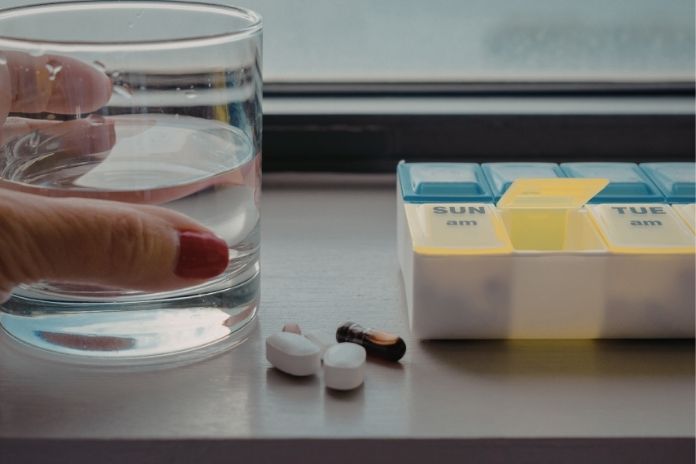
Pharmacists understand a great deal about interactions between medications and nutrients. They can review all of your medications and supplements and create a plan specifically for you. This is important if you are taking several medications, vitamins, calcium, and iron.
Many people have discovered hidden interactions only after speaking with a pharmacist. A customized plan will help answer how you can take fiber supplements safely with heart medications.
Safer Alternatives to Fiber Supplements

Get Fiber From Whole Foods First
Eating whole foods provides you with fiber in a way that’s not as likely to interfere with the way your medications are absorbed. In addition, they provide nutrients that supplements don’t, such as potassium, magnesium, antioxidants, and other compounds found in plants that are beneficial to the heart.
Foods that are high in fiber include oats, barley, beans, lentils, apples, berries, broccoli, carrots, and leafy vegetables.
Gradually Increase Dietary Fiber
If your doctor recommends more fiber, increase slowly. Sudden increases can cause bloating and affect medication absorption.
Add fiber over weeks, drink plenty of water, and monitor blood pressure or INR levels if on heart medications. Gradual change keeps digestion comfortable and medications stable.
Consider Soluble vs. Insoluble Fiber Types
Soluble fiber supplements, such as psyllium and methylcellulose, tend to interact with medications more than other types of fiber. Insoluble fiber, which is found in wheat bran, most vegetables, and most whole grains, usually doesn’t interact as much. This can help you decide how to use fiber supplements with heart medications so that you’re not reducing their effectiveness.
Read More: 6 Gut Health Mistakes We Made Before Understanding Digestion
When to Seek Professional Guidance

Problems with medications aren’t always easy to recognize. Be on the lookout for these subtle changes:
- Unpredictable changes in blood pressure
- New onset of fatigue or dizziness
- Unusual bruising or bleeding
- Return of heart symptoms
- Cholesterol levels are rising again
If you experience any of these, talk to your doctor or pharmacist. Before changing or stopping fiber supplements, especially if you’re taking digoxin, warfarin, statins, or amlodipine, consult with your healthcare professional. If you’re taking multiple medications, it’s always best to check first.
Key Takeaway
Fiber is good for your heart and your digestive system, but supplements can cause problems with the absorption of your medications if you don’t take them correctly. By taking your doses apart, maintaining a consistent fiber diet, and focusing on whole sources of fiber, you can benefit from fiber while taking your prescribed heart medications.
Understanding how fiber supplements affect heart medications isn’t about avoiding fiber; it’s about how you can use fiber effectively so that your medications will be effective and your heart will be protected in the long run.
In this Article