




















It often starts quietly. A flutter in your chest while lying in bed. A sudden thump or skipped beat during a meeting. Sometimes it comes with a hot flash. Other times, it appears out of nowhere and disappears just as fast. For many women, these moments feel alarming, dramatic enough to make you pause and wonder if something is seriously wrong.
Heart palpitations during menopause are surprisingly common, yet they remain one of the most misunderstood symptoms. They’re often brushed off as “just hormones,” leaving women unsure whether to worry or simply wait it out. The truth is more nuanced. While many palpitations are benign, the hormonal shifts that trigger them also coincide with subtle changes in cardiovascular function.
As estrogen declines, the heart, blood vessels, and blood pressure regulation undergo transformations that can quietly increase long-term cardiovascular risk. This makes menopause palpitations both a symptom and a signal. They can be a harmless quirk of changing hormones, or an early clue that your heart health deserves attention. Understanding the difference matters.
This article will guide you through when palpitations are likely harmless, when they may indicate increased cardiovascular vulnerability, and how to move beyond reassurance toward proactive, informed heart monitoring after menopause.
Why Heart Palpitations Are Common in Menopause
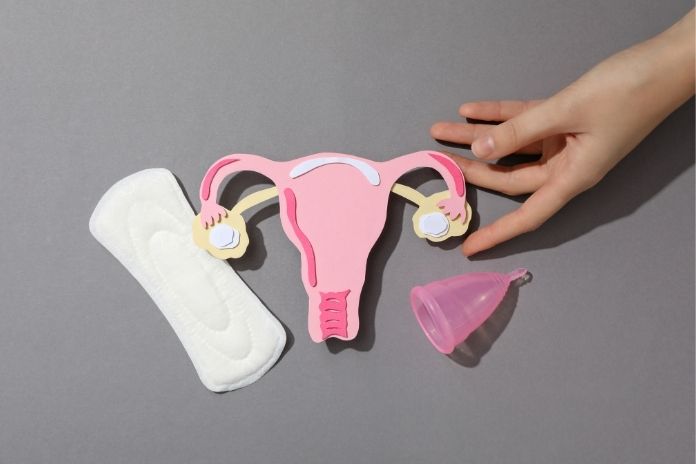
Heart palpitations are far more common during midlife than most women realize. They often arrive suddenly, a flutter, a skipped beat, or a racing pulse, and can be unsettling, especially when they appear without warning.
While many women assume these symptoms are rare or a sign of a serious problem, research shows they are a normal part of the menopausal transition for a large number of people.
How common are menopause palpitations?
Studies estimate that up to 50 percent of women experience palpitations during perimenopause and early postmenopause. For most, these episodes come and go without causing lasting harm, and often without ever requiring medical intervention. What changes, however, is not just hormone levels; it’s how the heart responds to them.
Estrogen’s role in heart rhythm and blood vessels
Estrogen has a protective effect on cardiovascular health. It helps maintain blood vessel flexibility, regulates heart rate variability, and moderates sympathetic nervous system activity, the part of your nervous system responsible for “fight or flight” responses. As estrogen levels fluctuate and eventually decline, this regulatory effect diminishes.
According to cardiologists at the Mayo Clinic, estrogen loss can increase the heart’s sensitivity to adrenaline and stress hormones, making it more reactive to triggers that previously went unnoticed.
The autonomic nervous system connection
Many menopause palpitations are linked to changes in the autonomic nervous system, which governs involuntary processes such as heart rate, blood pressure, and temperature regulation.
During perimenopause, hot flashes, night sweats, anxiety surges, and sleep disruptions can overstimulate this system. The result is a racing, fluttering, or skipped heartbeat, often occurring in clusters around moments of stress or during hot flashes.
Understanding this connection explains why palpitations are so common and why they are usually a physiological response rather than a sign of serious disease. While they can feel alarming, for many women, they are a normal part of the body adjusting to midlife hormonal changes. Recognizing the underlying mechanisms helps women respond with awareness rather than unnecessary worry.
When “Harmless” Flutters May Indicate Increased Risk

Not all palpitations are created equal. While many are benign, context matters, especially during and after menopause. Understanding how hormonal shifts affect the heart can help distinguish ordinary flutters from signals that deserve attention.
How estrogen loss affects the heart
Estrogen is far more than a reproductive hormone. It plays a key role in cardiovascular health, influencing cholesterol metabolism, blood vessel flexibility, and blood pressure regulation. As estrogen levels decline during menopause, several changes can occur:
- LDL (“bad”) cholesterol tends to rise, while HDL (“good”) cholesterol may decrease.
- Blood vessels gradually stiffen, reducing their ability to accommodate changes in blood flow.
- Blood pressure regulation becomes less efficient.
These shifts don’t cause immediate disease, but over time, they can increase the risk of atherosclerosis, even in women with no prior heart problems. Research summarized by the National Institutes of Health indicates that cardiovascular risk accelerates after menopause, eventually matching that of men.
Why palpitations can be an early clue
Palpitations themselves don’t cause heart disease. Instead, they may reflect underlying changes in vascular tone, autonomic nervous system balance, or early rhythm disturbances. In other words, they are often a signal, not the disease itself.
Research connections worth knowing
Research notes that palpitations are common during the menopausal transition and may reflect underlying cardiovascular changes rather than isolated rhythm disturbances.
Separate NIH-reviewed studies show that menopause is associated with increased arterial stiffness, a recognized cardiovascular risk factor, suggesting these symptoms may coincide with early vascular changes rather than occurring in isolation.
This doesn’t mean that every flutter equals heart disease. But it does highlight the importance of context. Frequent, unusual, or prolonged palpitations, especially when accompanied by other risk factors, should not be dismissed. Recognizing them as potential signals allows for proactive monitoring, early evaluation, and smarter heart health decisions.
Red Flags: When to Seek Medical Attention

For most women, menopause-related palpitations are brief, occasional, and self-limiting. They come and go, often linked to hot flashes, stress, or disrupted sleep. However, certain patterns and accompanying symptoms deserve prompt evaluation, because they may signal a more serious underlying condition.
Palpitations that warrant medical review
Not every flutter requires urgent care, but it’s important to notice when episodes change in frequency or intensity. Seek a medical review if you experience:
- Palpitations that occur daily or very frequently
- Episodes lasting longer than a few minutes
- New, worsening, or unpredictable sensations
Associated symptoms that raise concern
Even palpitations that aren’t prolonged can be significant if accompanied by other warning signs, including:
- Dizziness or lightheadedness
- Near-fainting or fainting
- Shortness of breath
- Unexplained anxiety or chest discomfort
Urgent warning signs
Immediate medical attention is necessary if palpitations occur with:
- Chest pressure or pain
- Pain radiating to the arm, jaw, neck, or back
- Sudden breathlessness
- Profound fatigue, nausea, or sudden weakness
It’s important to remember that women’s heart attack symptoms often differ from men’s. According to the Cleveland Clinic, women are more likely to experience fatigue, nausea, shortness of breath, or back discomfort rather than the classic crushing chest pain. Being aware of these subtler signs can be life-saving, especially during the menopausal transition when cardiovascular risk begins to rise.
Recognizing the difference between typical menopause palpitations and red-flag symptoms allows women to respond appropriately, seeking reassurance when harmless, and urgent evaluation when needed.
Transitioning to Heart Health Monitoring
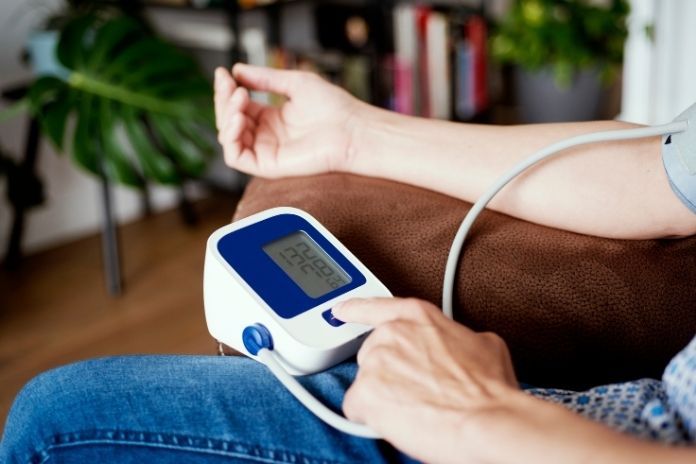
Menopause is more than a hormonal transition; it’s also a cardiovascular one. While occasional palpitations are often harmless, the midlife shift in hormone levels and vascular function makes it a good time to proactively monitor heart health. The goal is not to panic, but to observe intelligently and respond when necessary.
Recommended screenings after menopause
If palpitations persist or other risk factors are present, clinicians may suggest a series of assessments to establish a baseline and detect early changes:
- Electrocardiogram (EKG/ECG): Checks heart rhythm and identifies irregularities.
- Thyroid panel: Thyroid dysfunction can mimic palpitations.
- 24-hour Holter monitor: Captures intermittent episodes over an extended period.
- Blood pressure monitoring: Targeting below 130/80 mmHg is generally recommended.
- Lipid panels: Track cholesterol changes to assess atherosclerosis risk.
- Blood glucose (HbA1c): Evaluates metabolic risk, especially in women with diabetes risk factors.
Discussing family history and past pregnancy complications, like gestational diabetes or preeclampsia, is also crucial, as these factors can influence long-term cardiac risk.
Wearable and at-home monitoring options
Modern smartwatches and fitness trackers can detect irregular heart rhythms, providing useful data for discussion with your doctor. While these devices are not diagnostic, they can help:
- Log the frequency, duration, and timing of palpitations
- Identify potential triggers such as caffeine, stress, or poor sleep
- Provide objective data to share with healthcare providers
Consistently tracking patterns is often more informative than relying on memory alone and can help guide targeted evaluations or interventions.
Lifestyle Shifts to Support Heart Health After Menopause
While medical monitoring is essential, lifestyle adjustments remain a powerful tool for managing cardiovascular risk and reducing palpitations. These changes do not replace medical care but complement it, often enhancing overall heart health.
Diet and lifestyle adjustments
Certain dietary and behavioral adjustments can meaningfully reduce palpitations while supporting overall cardiac function. Limiting excessive caffeine and alcohol is often one of the most effective first steps, as both can overstimulate the nervous system and increase heart reactivity. For people already sensitive to hormonal or stress‑related changes, even moderate amounts can amplify palpitations.
Avoiding nicotine is equally important, since it constricts blood vessels, raises heart rate, and increases the likelihood of rhythm disturbances. Staying well hydrated helps maintain stable blood volume and supports normal electrical signaling in the heart. Even mild dehydration can raise the heart’s workload and make palpitations more noticeable.
Nutrition also plays a role in rhythm stability. “Magnesium is an electrolyte that helps to regulate your heart rate,” says cardiologist Tamanna Singh, MD. “When you have a deficiency of electrolytes, it can make your heart speed up and contribute to palpitations.”
Including foods rich in magnesium and potassium, such as leafy greens, beans, nuts, seeds, and fruits, supports normal heart rhythm and may reduce the frequency of benign palpitations.
Exercise and stress management
Regular physical activity helps stabilize the autonomic nervous system, improves vascular flexibility, and supports healthy blood pressure regulation. Consistent moderate aerobic movement, such as walking, cycling, or swimming, strengthens cardiovascular resilience and helps the heart respond more calmly to daily stressors.
Strength training also matters. Engaging in resistance exercises a couple of times per week supports muscle and bone health while improving vascular function and metabolic stability, both of which contribute to better long-term heart health.
Gentle movement practices play a different but equally important role. Yoga, tai chi, and meditation-based movement help quiet sympathetic nervous system overactivity, allowing the heart rate to regulate more smoothly and reducing the frequency of stress-related palpitations.
Chronic stress is not a neutral background factor. It directly influences heart rate, blood pressure, and rhythm through sustained activation of stress hormones. Without regular stress management, these hormonal signals can keep the cardiovascular system in a heightened state, increasing the likelihood of palpitations. Managing stress consistently is essential for protecting heart health.
Sleep consistency
Sleep disruption is a major driver of palpitations during menopause. Irregular sleep increases sympathetic nervous system activity, raises blood pressure, and amplifies stress-related triggers. Focusing on sleep hygiene, consistent bedtimes, a cool dark environment, and limiting screen time before bed often reduces both palpitations and daytime fatigue.
Combining monitoring, targeted lifestyle shifts, and professional guidance offers a comprehensive approach to heart health after menopause. Together, these strategies help women navigate this transition with both awareness and control.
Read More: How to Lower Cholesterol During Menopause: Effective Strategies for Cardio Health
The Role of Hormone Therapy (HRT)

Hormone therapy (HRT) remains one of the most misunderstood aspects of menopause care, yet it can play a meaningful role for certain women.
Can HRT help palpitations?
For women experiencing severe vasomotor symptoms, like hot flashes and night sweats, HRT may help stabilize the autonomic fluctuations that contribute to palpitations.
As Jan Shifren, MD, director of the Midlife Women’s Health Center at Massachusetts General Hospital, explains, hormone replacement therapy may be appropriate for healthy women under age 60 or within ten years of menopause to effectively treat bothersome vasomotor symptoms such as hot flashes and night sweats while potentially helping stabilize related symptoms.
For many of these women, moderating hormonal swings with HRT can improve associated autonomic symptoms that may include palpitations.
Many women report a noticeable reduction in fluttering or skipped beats once hot flashes and nighttime sweating are controlled. By moderating hormonal swings, HRT can indirectly ease palpitations tied to sympathetic nervous system overactivity.
Cardiovascular risks and benefits
The effect of HRT on heart health is complex and highly individualized. Factors that influence cardiovascular outcomes include:
- Age at initiation: Starting HRT near menopause onset may be safer than starting later.
- Time since menopause: Delayed initiation can carry a higher risk.
- Baseline cardiovascular risk: Existing hypertension, cholesterol levels, or metabolic conditions matter.
Consensus guidance from major health organizations suggests that initiating HRT early in menopause may offer neutral or modest cardiovascular benefit for some women. However, starting therapy later or without careful assessment can increase risk. That’s why HRT decisions must always be personalized and medically supervised.
Long-Term Outlook: From Symptom Relief to Prevention
The reassuring news is that most menopause palpitations fade over time, especially as hormonal fluctuations stabilize. However, symptom relief is only one part of the story. Menopause marks a turning point for cardiovascular risk, and sustained attention to heart health remains essential.
What happens after menopause? For many women, palpitations become less frequent once hormone levels plateau. Yet overall cardiovascular risk continues to rise with age. By the mid to late 50s, women’s risk of heart disease typically equals that of men. This highlights the importance of ongoing monitoring and prevention, not just symptom management.
The power of proactive care
Early and proactive strategies allow women to:
- Detect hypertension, cholesterol changes, or metabolic shifts earlier
- Make timely, evidence-based lifestyle adjustments
- Make informed decisions about medications, HRT, or other interventions
Cardiovascular disease remains the leading cause of death in women, but a large portion of that risk is modifiable. With a combination of monitoring, lifestyle optimization, and personalized medical care, women can navigate menopause with both symptom relief and a long-term focus on heart health.
Read More: Ease Menopause Symptoms: 6 Cooling Gel Pads for Hot Flash Relief
Key Takeaway
Menopause palpitations are often harmless, but that doesn’t make them meaningless. For many women, they are simply a temporary quirk of hormonal change. For others, they can serve as an early signal that the heart and blood vessels are adjusting during a critical life transition. Recognizing the difference is key to both peace of mind and long-term cardiovascular health.
Understanding the risks associated with menopause-related palpitations means knowing when reassurance is enough and when proactive monitoring is essential. Regular checkups, routine screenings, and open conversations with your healthcare provider help detect subtle changes in heart rhythm or vascular health early, before they become significant problems.
Lifestyle choices remain a cornerstone of prevention. Diet, exercise, stress management, sleep consistency, and thoughtful avoidance of triggers like caffeine or nicotine all support heart stability. Even small, sustainable changes can have a lasting impact when combined with medical guidance.
Ultimately, menopause doesn’t have to be a warning sign; it can be a turning point. By paying attention to palpitations, staying informed, and taking proactive steps, women can use this transition to strengthen heart health for decades to come. Your heart deserves ongoing care long after hot flashes and night sweats fade.
FAQs: People Also Ask
Are heart palpitations normal during menopause?
Yes. Many women experience palpitations during perimenopause and early postmenopause as a result of hormonal fluctuations and changes in the autonomic nervous system. These episodes often feel like fluttering, skipped beats, or racing pulses. While most are harmless, the context, frequency, and accompanying symptoms determine whether they need medical attention.
When should I worry about menopause palpitations?
Medical evaluation is recommended if palpitations become persistent, frequent, or worsen over time. You should also seek care if they occur with dizziness, chest discomfort, shortness of breath, or fainting. These symptoms may indicate underlying heart rhythm disturbances or other cardiovascular concerns. Timely assessment helps distinguish benign flutters from potentially serious conditions.
Do menopause palpitations mean heart disease?
Not necessarily. Many palpitations during menopause are benign and linked to hormonal changes or stress triggers. However, they can sometimes reflect early shifts in cardiovascular physiology, such as increased arterial stiffness or altered autonomic function. Awareness and monitoring help ensure palpitations are interpreted in context.
What tests are used to evaluate palpitations?
Healthcare providers commonly use an electrocardiogram (EKG/ECG) to check heart rhythm and detect irregularities. Blood tests, including thyroid panels and metabolic markers, may be ordered to rule out other contributors. In some cases, a 24-hour Holter monitor is used to track intermittent palpitations. These tests help guide treatment and lifestyle recommendations.
References
- Baylor Scott & White Health. (n.d.). Heart palpitations, menopause, and heart health.
- British Heart Foundation. (n.d.). Menopause and heart disease.
- Cleveland Clinic. (n.d.). Women: Don’t ignore these subtle heart attack symptoms.
- Evernow. (n.d.). Heart palpitations.
- Gennev. (n.d.). How to stop hormonal heart palpitations
- Let’s Talk Menopause. (n.d.). Heart palpitations.
- Mayo Clinic. (n.d.). Perimenopause: Symptoms and causes.
- My Menopause Centre. (n.d.). Heart palpitations.
- Nerva Health. (n.d.). Heart palpitations in menopause: What you need to know.
- Online Menopause Centre. (n.d.). Menopause heart palpitations.
- PubMed. (n.d.). Menopause and arterial stiffness (Article No. 40413990).
- U.S. National Library of Medicine. (n.d.). Palpitations during menopause: Prevalence and clinical implications.
- U.S. National Library of Medicine. (n.d.). Menopause-related cardiovascular changes.
- U.S. National Library of Medicine. (n.d.). Sex differences in cardiovascular risk after menopause
- Versalie. (n.d.). Perimenopause heart palpitations.
- Women’s Health Services. (n.d.). Menopausal heart palpitations: Why they happen and when to see a doctor
In this Article