


















Most people think of collagen loss in terms of visible aging in their 40s or 50s. The truth is, this process has already begun much earlier, often quietly and internally, long before any visible signs of aging appear in the form of wrinkles.
At the age of 25, the body begins a stage of collagen production deceleration, where the body’s rate of new collagen production fails to match the rate of collagen loss.
At first, this might feel insignificant. However, slowly, the fibers become thinner, the skin structure loosens, and the repair systems become less effective. However, over time, this gradual collagen loss after the age of 25 can add up, affecting not only the appearance of the skin but also the function of joints, hair, and connective tissues in the body.
By understanding what causes this early collagen loss and being aware of its signs, you can take preventive action. Aging is inevitable, but early collagen degradation is not.
What Is the “Age 25” Collagen Drop?
The Science Behind Collagen Decline
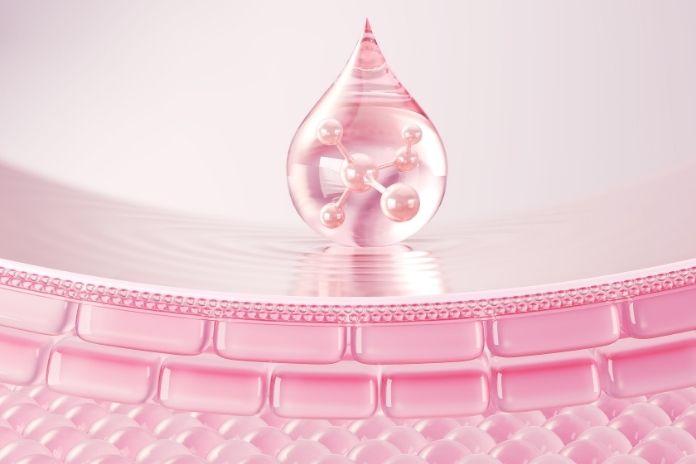
Collagen is the most abundant protein found in the body, providing the scaffold for skin, tendons, cartilage, bones, and blood vessels. When the skin is youthful, the collagen fibers are well-organized, compact, and replaced regularly by dermal fibroblasts.
When we enter our mid-twenties, fibroblasts start to slow down. They produce fewer fibers of collagen, as well as fewer fibers in response to the healing stimulus. The enzymes that degrade the fibers, called matrix metalloproteinases, or MMPs, become more active. This creates an imbalance, marking the beginning of the obvious changes in the aging process.
The Rate of Decline
Scientific studies indicate that collagen production decreases by approximately 1–1.5% per year as we age. While this annual reduction seems modest, the cumulative effect is substantial. By age 35, many individuals have already lost a meaningful percentage of their baseline collagen reserves, contributing to visible changes in skin elasticity and firmness.
Why It Matters
Collagen is not all about vanity. It is involved in joint strength, cartilage padding, and tendon flexibility and even provides body structure to the hair follicle and nails. Collagen doesn’t suddenly slow down without affecting your posture, movements, healing from injuries, and overall body strength.
Read More: Do Collagen Supplements Really Help With Joint Pain? What Research Says
Why Your Body Produces Less Collagen Over Time

Natural Aging and Cellular Slowdown
Aging also impacts the way cells function. As the cells that bring the skin together by producing collagen slow down steam due to the malfunctioning of the mitochondria, the weakening of the signals from the presence of growth factors, and oxidative stress, the human body starts showing changes in its structure because of the reduced rate of building collagen.
Environmental Damage Accelerates the Process
Certain outside stressors impact collagen production significantly. The sun’s long-term effects, for example, hit collagen fibers directly and crank up the production of collagen-destructive enzymes. Pollution introduces various free radicals into our air, which undermine our skin’s dermal layer.
Smoking slows the rate of oxygen to our fibroblasts. Then there’s our love of sweet treats, which hastens our wrinkling and sagging via a process called glycation. In this, sugar molecules bond to collagen, causing them to become stiff, brittle, and prone to breaking.”
Hormonal Changes and Collagen Loss
Hormones regulate the production of collagen within the body. Estrogen helps maintain collagen density, hydration, and elasticity. During perimenopause, when estrogen ebbs and flows, the skin’s production of collagen drops rapidly.
Evidence suggests up to 30% of skin collagen can be lost in the first five years after menopause; this would account for the skin’s rapid thinning, deeper wrinkles, and a decline in firmness. That dip during perimenopause is one of the most dramatic losses of collagen in adulthood.
Early Signs Your Collagen Levels Are Declining
Subtle Skin Changes
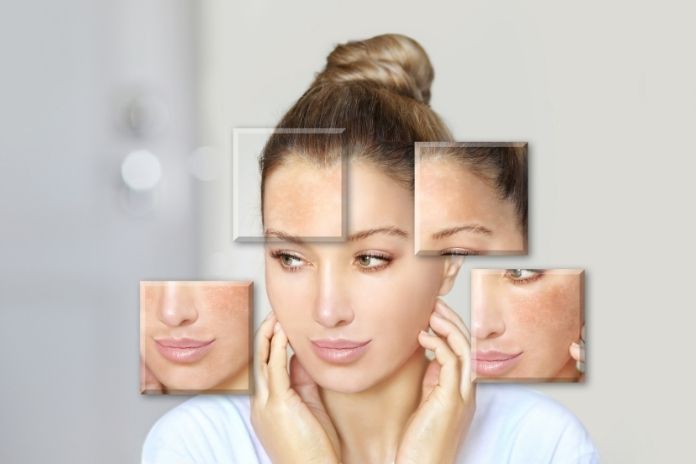
Early signs of low collagen often appear as textural changes rather than deep wrinkles. Skin may feel drier, appear dull, or show fine lines that persist even when hydrated. Areas around the eyes, lips, and nasolabial folds are typically affected first, due to thinner dermal layers.
Reduced Firmness and Facial Fullness
A protein called collagen gives your skin type shape, volume, and firmness. As your levels go down, your face never quite has the definition it used to.
It might look as though just beneath the surface, your face is sagging slightly where it meets your jawline, your cheeks may appear a little more sunken, or it might take a bit longer for your skin to spring back into shape after you press it.
Joint Discomfort and Stiffness
Beyond the skin, cartilages depend on collagen for cushioning support. Desiccation of collagen can eventually lead to stiffness, diminished flexibility, and difficulty moving around. Morning stiffness or a popping in the joint might be among the signs of early stages of connective tissue deterioration, such as arthritis.
Hair and Nail Changes
Hair and nails even get a lift with the support of dermal collagen. Thin hair may impede hair growth speed. It might even make hair finer and duller. With this decrease in nail growth, the nail may even get brittle, flaky, or grow unevenly, often neglected but a significant indicator of falling collagen levels.
Read More: Collagen vs. Gelatin – Which One Should You Take for Skin & Joints?
How to Slow the Collagen Decline Naturally

Prioritize Collagen-Boosting Nutrients
Collagen synthesis requires specific micronutrients. Vitamin C is essential for stabilizing collagen fibers, while zinc and copper activate enzymes involved in tissue repair. Amino acids such as glycine, proline, and hydroxyproline form the structural backbone of collagen molecules.
Eat a Collagen-Friendly Diet
Diet plays a central role in boosting collagen naturally. Antioxidant-rich foods like berries, leafy greens, and citrus fruits protect collagen from oxidative damage. Omega-3 fatty acids reduce inflammation that accelerates collagen breakdown, while bone broth provides collagen-derived peptides that support skin and joint health.
Dr. Farah Moustafa, MD, an assistant professor at Tufts University School of Medicine and a dermatologist with Tufts Medical Center, explains, “A healthy dietary pattern provides your body with the nutrients necessary to build its own collagen.” She further adds, “Be sure to get adequate protein and include foods rich in vitamin C like strawberries, kiwis, red bell peppers, and citrus fruits.”
Protect Collagen from Damage
Preserving collagen is as important as stimulating production. Daily sun protection, avoiding smoking, reducing refined sugar intake, prioritizing sleep, and managing stress all reduce enzymatic collagen degradation. These habits protect long-term skin structure and slow visible aging.
Consider Supplementation
As we age, as the rate at which the body creates its own collagen slowly dwindles, hydrolyzed collagen peptides provide some help. They’re easily used by the body, providing it with essential amino acids that it needs to repair itself. Research has shown that collagen supplements promote not only firmer, hydrated skin but also improved joint comfort when combined with vitamin C.
The Best Time to Start Supporting Collagen Production
Why Prevention Beats Repair
When collagen fibers are significantly depleted within the physical structure, repairing the structure becomes slower and more tedious. Building up collagen production from an earlier age, preferably within the late 20s or early 30s, helps keep collagen fibers thick and delays the degradation of structure. As the adage goes, prevention is always better than a cure.
Signs It’s Time to Take Action
Persistent dryness, early fine lines, dull complexion, slower skin recovery, or joint stiffness are signals that collagen support may be needed. Addressing these signs early can dramatically influence how skin and connective tissues age over time.
Read More: Collagen vs. Hyaluronic Acid: Which One Is Better for Anti-Aging?
Key Takeaway — Collagen Decline Starts Early, but You Can Stay Ahead of It
It’s natural for collagen to decrease over time, but aging doesn’t need to accelerate just because collagen does. While some degree of collagen loss is inevitable after age 25, the manner in which it manifests is significantly determined by your lifestyle choices, including diet and hormones, and how soon you make these changes.
To maintain firm skin, flexible joints, and resilient tissues, the first step is recognizing the signs of collagen loss and actively supporting fibroblast activity, strengthening your antioxidant defenses, and promoting healthy collagen production.
References
- Tufts University. (2026, January 29). Dermatologists say collagen supplements aren’t the skin fix people expect. ScienceDaily. Retrieved February 10, 2026.
- Manatasha. (n.d.). 6 collagen-rich foods for healthier skin & stronger joints. Tata 1mg. Retrieved February 10, 2026.
- Nelson, A. (Writer), & Sheikh, Z. (Medically reviewed by). (2024, March 12). Collagen and your body: What to know. WebMD. Retrieved February 10, 2026.
- Reilly, D. M. (2021). Skin collagen through the lifestages: Importance for skin health and beauty. Plastic and Aesthetic Research.
- Times of India Lifestyle Desk. (2025, November 5). How air pollution damages your skin: Know the skin problems and ways to prevent them. The Times of India. Retrieved February 10, 2026.
In this Article