

















People have always looked for ways to get rid of stubborn belly fat. It’s tough visceral fat hugs your organs and doesn’t want to budge, even after all those workouts and diet plans. That’s where the Mediterranean Diet comes in. This way of eating draws from the traditional foods and drinks enjoyed in countries along the Mediterranean Sea.
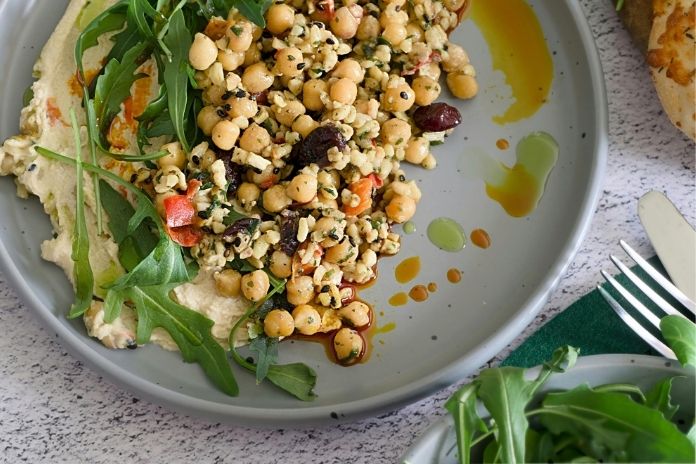
A typical image of the Mediterranean diet is one of vibrant vegetable dishes, crisp salads, and copious amounts of olive oil. The real magic of this way of eating comes from all the underrated basics. Beans, seeds, herbs, and spices aren’t just there for flavor. They actually help burn fat, especially that stubborn belly fat wrapped around your organs.
In this article, we’ll look at a few of these underappreciated foods and how they might help reduce belly fat while promoting long-term metabolic and cardiac health.
Read More: Kidney-Approved Mediterranean Chicken Bake: Flavorful & Healthful
What Makes Belly Fat So Stubborn—and So Dangerous
Your body has two different kinds of fat. Subcutaneous fat is the type of fat that is located directly beneath the skin and is pinchable. Although it may not look attractive, it typically poses no harm and usually appears on the thighs, glutes, and upper arms.
However, visceral fat, often known as belly fat, is extremely dangerous. This type of fat builds up in your abdominal cavity, encircling your organs and causing your belly to protrude further and further. Visceral fat cells release hormones and other substances associated with illnesses.
Cardiovascular illness is the greatest danger associated with visceral fat. The larger your waist, the higher your chance of developing heart disease. Asthma, breast and colorectal cancer, dementia, diabetes, stroke, migraines, and more are major health issues.
Unlike other fat cells in your body, belly fat is not responsive to diet and exercise alone. Because it is considered an active fat, it releases hormones that affect your health and make weight loss more difficult. It becomes more difficult to lose the fat as your hormone levels fluctuate in middle age.
Inactivity, poor diet, excessive stress (which causes the body to store fat instead of burning energy), and even a hereditary tendency are some reasons that contribute to belly fat staying around. Losing belly fat requires both regular exercise and a nutritious diet.
Why the Mediterranean Diet Works for Fat Loss
The Mediterranean diet promotes fat loss through a sustainable pattern that emphasizes whole foods, balanced nutrition, and lifestyle choices rather than severe restriction. It has been shown to reduce inflammation, improve heart health, and promote weight loss.
The Mediterranean diet promotes balanced eating, rather than restrictive diets that eliminate entire food groups. You don’t need to skip meals or track every calorie. Rather, it all comes down to feeding your body the proper meals.
Long-term success is frequently reported by those who adhere to this diet. Because the Mediterranean diet is easy to follow and doesn’t feel like a punishment, studies show it encourages weight loss. You’re loving your meals, including that substantial green salad, so you’re not going hungry.
Beyond Salad—The Mediterranean Foods That Target Deep Belly Fat
Many think the Mediterranean diet is only leafy greens and olive oil, but there’s more to it. Nutrient-rich foods in this diet reduce stubborn belly fat, normalize blood sugar, and reduce inflammation while tasting great. Legumes, nuts, whole grains, herbs, fermented foods, and seafood improve metabolism and burn fat.
Legumes
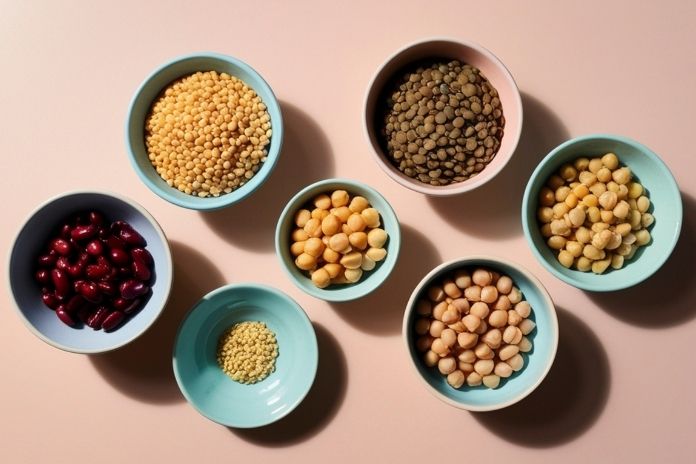
Legumes play a big part in traditional Mediterranean cooking, yet most people overlook them and focus on veggies or olive oil instead. Consider foods like chickpeas, lentils, peas, and black beans; their high fiber content keeps you feeling full.
They help you dodge those sudden insulin spikes that push your body to store more fat, especially around your belly. All that fiber means you stay satisfied longer, so it’s easier to eat less without feeling like you’re missing out.
Nuts and Seeds
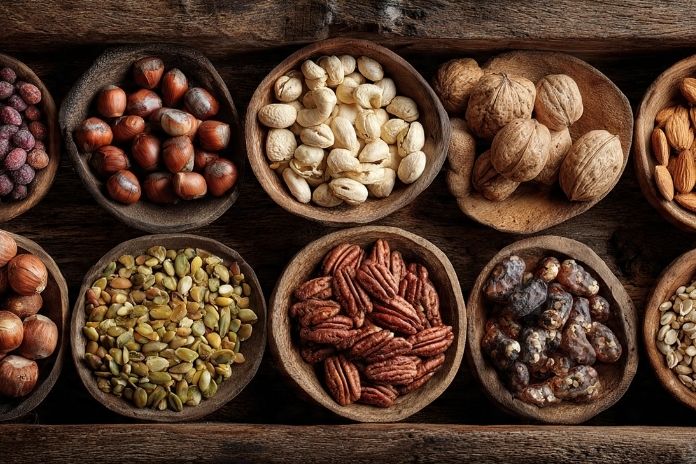
Add some diversity to your everyday diet by including a handful of seeds, like sunflower or pumpkin, or a few almonds or walnuts, on a salad or as a snack. These nutrients help reduce inflammation, a major contributor to the buildup of visceral fat and metabolic disorders. Fiber and healthy fats work together to enhance blood sugar homeostasis and regulate appetite.
Read More: 12 Anti-Inflammatory Mocktails Made With Real Ingredients (No Artificial Syrups)
Whole Grains
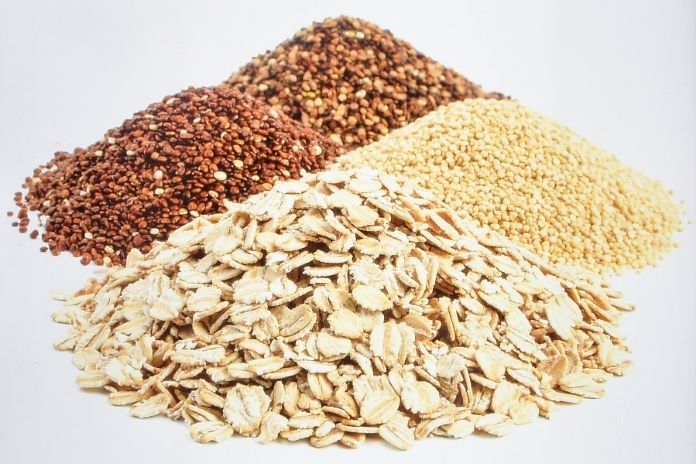
This category includes whole-grain breads and pastas, as well as products like bulgur, brown rice, and oats. Because of their lower glycemic index, these foods help keep blood sugar levels stable by releasing energy gradually. Their high fiber content aids weight management by promoting fullness and supporting a healthy gut microbiota.
Herbs and Spices
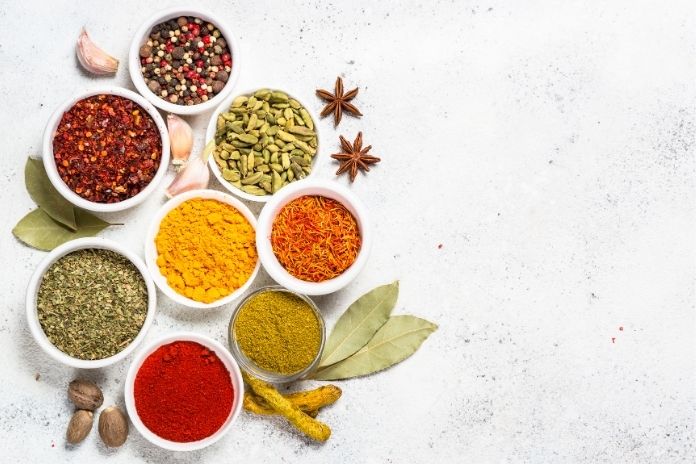
With only a dash of fresh herbs and spices, you can transform the flavor of any dish. Feel free to use them in your cookery. The flavor of Mediterranean food is primarily derived from herbs and spices rather than from too much salt, sugar, or thick sauces.
Polyphenols and other bioactive compounds found in herbs such as turmeric, oregano, cumin, and rosemary may have anti-inflammatory and anti-obesity effects.
Fermented Mediterranean Foods
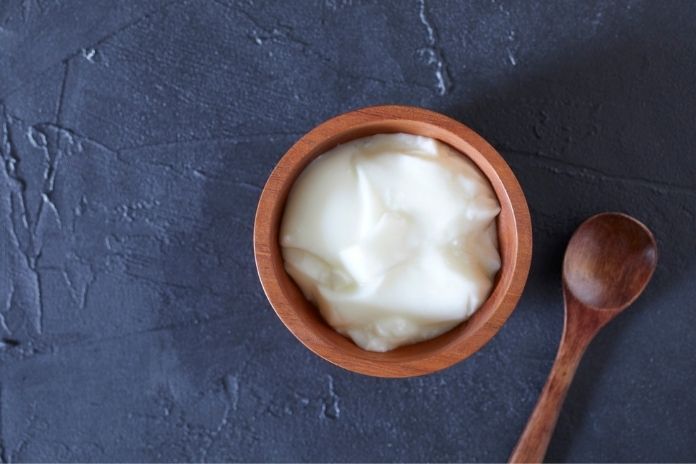
Mediterranean diets have always included fermented foods, which are good for the gut. Good bacteria found in yogurt, kefir, and naturally pickled vegetables support a healthy gut flora. Gut health closely influences fat storage, appetite regulation, and metabolism.
Seafood Beyond Salmon
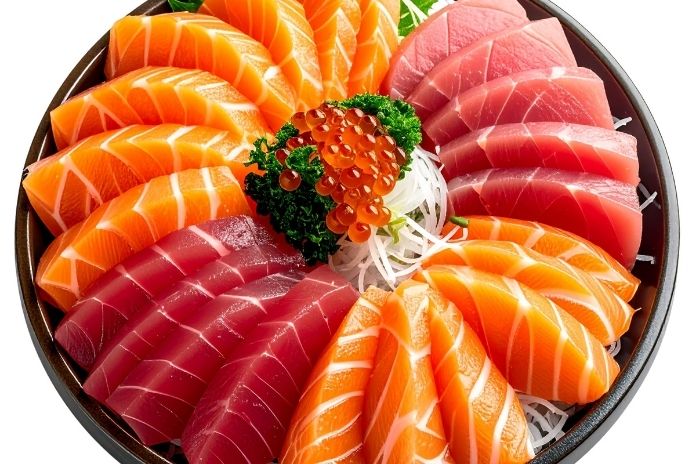
The abundance of the sea, which includes salmon, shrimp, tuna, and more, is a blessing to this part of the planet. Seafood can be a nutritious protein source a few days a week, even if Mediterranean people do not eat it every day.
On the other hand, those who follow a Mediterranean diet get enough protein from the vegetables and carbohydrates they frequently eat, which are better sources than animal products.
Read More: A Saviour’s Guide To Fatty Liver Diet—One Can Do to Overcome!
How to Build a Belly-Fat-Fighting Mediterranean Plate
You don’t need a bunch of complicated rules to build a Mediterranean-style plate that helps shrink the belly fat. It’s about keeping your portions in check, eating a balanced mix of foods, and making the smart choices that keep you full and your metabolism working.
Try the “Half-Plate” Rule: Fill half your plate with non-starchy veggies. Think cucumbers, tomatoes, zucchini, peppers, or leafy greens. They contain lots of fiber, minerals, and water but very few calories. This trick helps you stay satisfied, makes it very easy to control how much you eat, and lets you avoid obsessing over counting calories.
Baking and Stewing: These techniques keep meals flavorful and moist without using too much fat, and they work well with meats, vegetables, and legumes.
Low-Heat Grilling: Low-heat grilling works great for fish, veggies, and chicken. It keeps nutrients intact, reduces the nasty chemicals you get from frying at high temperatures, and still gives your food that unique, smoky flavor.
Steaming: A gentle way to cook fish and veggies. It locks in their vitamins and minerals and really brings out their natural taste.
Lifestyle Habits That Amplify the Diet’s Effects
A Mediterranean-style diet works best when you stick to healthy habits every day. Exercise kicks your metabolism into gear and pushes your body to burn fat for energy. Think swimming, biking, or just a fast-paced walk.
Don’t skip strength training, either. Building muscle matters just as much, since it helps you to stay strong and keeps your metabolism humming. These kinds of activities get your heart pumping and torch calories.
Mindful eating means slowing down and really paying attention to your meals. When you do that, your body actually has time to notice when you’re hungry and when you’ve had enough. It helps you avoid eating just because you’re stressed or bored and keeps you from going overboard, which is how people end up with belly fat in the first place.
Stress and lousy sleep crank up your cortisol, and that hormone loves to hang onto belly fat. When you don’t sleep well, your hunger hormones get out of balance, and you start craving sugary, high-calorie stuff. Getting a solid 7 to 9 hours of good sleep isn’t just nice. It actually helps keep your appetite and cravings in check.
When to Seek Medical or Nutrition Guidance
Watch for signs you need help. Things like unpredictable eating habits or food issues that mess with your mood aren’t just quirks but problems. If you keep hitting a wall with your health goals, that’s another red flag.
If your eating patterns swing wildly or you stress about your body image constantly, address it instead of just toughing it out. There’s nothing wrong with reaching out when things get overwhelming. Disregard any inclination to convince yourself that things will improve on their own.
Read More: Low Cholesterol Diet – 14 Foods That Help Lower Cholesterol
Conclusion
The Mediterranean diet isn’t just about what’s on your plate; it’s a whole way of living that supports a long, healthy life. These days, you can find most of the key foods that make up this diet pretty much anywhere, even if you’re nowhere near the Mediterranean.
Sure, you might not always have access to those exact local, fresh ingredients, but that shouldn’t stop you. Sticking to the Mediterranean diet is a lot easier than most people think.
Planning, locally sourced foods, and simple Mediterranean diet recipes can help anyone enjoy great, healthy meals that reduce belly fat, improve digestion, and enhance overall health. The secret is a strategy that emphasizes long-term dietary adjustments and flexibility rather than short-term restrictions.
References
- Angelica Stabile. (2023, October 22). Mediterranean diet could help reduce belly fat, muscle loss caused by aging, study finds.
- Medit Diet Mindset. 7 Surprising Mediterranean Diet Benefits for Weight Loss
- KSLTV. (November 13, 2025). Mediterranean diet made simple: 5 small swaps you can make for a big health boost.
- Let’s Meat. Green Mediterranean salad for weight loss: Myth or magic?
- Made by Diet. (February 24, 2025). The Mediterranean diet: Discover the foods and recipes of the healthiest cuisine in the world.
- Natasha Burton. (May 1, 2024). Your Guide to the Mediterranean Diet for Weight Loss
- Good Housekeeping Editors. (August 29, 2024).17 Best Foods That Aid in Safe Weight Loss, According to Registered Dietitians.
- Hampton Roads Weight Loss. When to consider professional help for weight loss.
- Fay Nutrition. (January 21, 2026). When to see a nutritionist.
In this Article