



















Monosodium glutamate, or MSG, has been at the heart of many passionate debates about nutrition for decades. Many people still wonder whether MSG is bad for you, and it certainly seems so when you think about how often MSG is cited as the cause of headaches, flushing, brain dysfunction, or general “MSG symptoms” following the consumption of restaurant meals.
On the other hand, food researchers and medical scientists have repeatedly drawn attention to the fact that MSG is one of the most extensively researched food additives in the world.
Why is there still confusion about MSG? One reason is that the initial concerns about MSG traveled faster than the scientific evidence that later contradicted them. Another reason is that MSG is commonly found in processed foods, which have a generally negative reputation for health.
A more modern perspective reveals a much more complex reality. MSG does not seem to be particularly harmful to most people, although it may be a problem for a small number of sensitive individuals.
This article breaks down what MSG actually is, why it developed such a negative reputation, and how the body processes it. It also reviews what high-quality scientific studies say about the health effects of MSG, reported symptoms, and whether avoiding it is truly necessary.
What Is MSG?
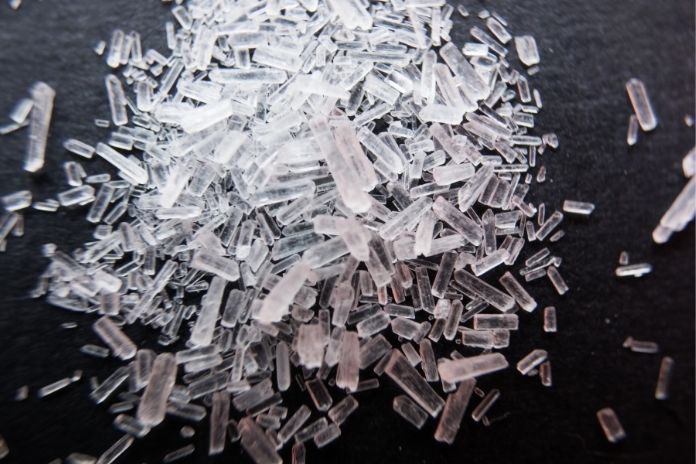
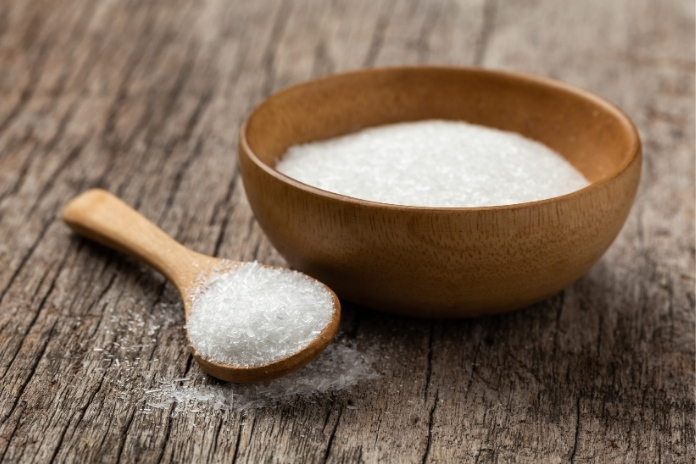
Monosodium glutamate is no more than the sodium salt of glutamic acid, an amino acid that is found naturally in a lot of foods and in our bodies. Glutamate is not new; it’s one of the most prevalent amino acids we consume regularly and is a crucial part of healthy metabolism.
We add MSG to foods because it increases umami, the savory, mouth-watering sensation that adds depth and richness to foods. Umami has become popular as a new fundamental taste, along with sweet, salty, sour, and bitter.
Foods such as ripe tomatoes, mushrooms, aged cheese, seaweed, and braised meats are high in glutamate and prized for their rich, savory flavor. The glutamate in MSG is identical to glutamate in whole foods.
Once ingested, your body can’t distinguish between glutamate from a tomato and glutamate from MSG. The only difference is how concentrated and quickly accessible the glutamate is when it’s used as a food additive.
The reason MSG has become so popular is that it can add flavor without significantly increasing sodium intake. As such, it has become a staple in soups, sauces, snack foods, seasonings, and restaurant cooking.
Read More: Food Allergy vs. Intolerance: How to Tell the Difference and Why It Matters
Why MSG Got a Bad Reputation

MSG’s negative reputation began in the late 1960s after a short letter in a medical journal. This was due to the headaches and flushing after eating at Chinese restaurants, assuming MSG as the main culprit. This led to the phrase Chinese restaurant syndrome, which quickly caught on with the public.
The term itself became a source of stigma and cultural bias. MSG came to be seen as something specifically associated with Chinese food, even though it was already in common use in canned soups, frozen dinners, snack foods, and seasonings throughout North America.
Notably, these original concerns were never proven with good experimental evidence. They were based on case reports, not scientific studies. As the notion took hold, expectations developed. People came to associate any ill effects from eating out with MSG, solidifying the notion through confirmation bias.
Eventually, good scientific studies were done to see if MSG actually caused these problems in a blind setting. These studies all failed to confirm the original concerns.
How MSG Is Metabolized in the Body
Many alleged dangers of MSG are not true. Glutamate is a normal part of human physiology. It is involved in protein synthesis and as a neurotransmitter in the brain, but it works very differently in the brain than it does in food.
MSG is metabolized in the body after it is ingested. Most glutamate is absorbed by cells lining the intestines for energy. The rest goes into the bloodstream, where it is tightly controlled.
Most importantly, glutamate does not reach the brain in large amounts. The blood-brain barrier prevents large amounts of glutamate from entering the brain due to food intake. This is true for both MSG and whole foods such as cheese or mushrooms.
This means that consuming foods that contain MSG does not affect the brain chemistry of healthy individuals.
Does MSG Cause Headaches or Other Symptoms?

The side effects of monosodium glutamate are usually linked to headaches, sweating, facial fullness, chest pressure, or nausea. Certain placebo-controlled studies were conducted, where the participants who believed themselves to be sensitive to MSG couldn’t distinguish between the times they ingested it.
The symptoms associated with MSG occurred randomly and at the same frequency in the placebo groups. When symptoms did occur, they were usually mild and brief.
The researchers also pointed out the strong presence of the nocebo effect, where if people believe MSG will cause them harm, they are likely to experience the symptoms, even when taking a placebo.
Read More: What Happens to Your Body When You Quit Ultra-Processed Foods for 30 Days
Is MSG Linked to Brain or Nerve Damage?

The problems with MSG and brain damage are largely based on very old animal studies. In these studies, baby mice and rats were fed huge doses of glutamate directly, without going through the digestive system at all. This is not a realistic way to test the effects of MSG on the human body. When huge doses of MSG are injected directly into the body, it overloads the body’s natural safeguards, which is not what happens when MSG is eaten as a food ingredient.
In the human body, MSG ingested as a food ingredient does not pass the blood-brain barrier in toxic amounts. There is a large collection of clinical and epidemiological reviews that show no conclusive evidence of MSG being associated with neurodegenerative diseases, nerve damage, or impaired mental function.
MSG and Metabolic Health (Weight, Blood Sugar, Appetite)
MSG is also suspected to cause obesity, insulin resistance, or an increased appetite. Some observational studies have found that MSG consumption is associated with increased body weight, although these studies do not provide conclusive evidence of a cause-and-effect relationship. Individuals who consume higher amounts of MSG tend to consume more processed foods, which are generally high in calories, refined carbohydrates, and saturated fats.
After considering all these variables, MSG does not appear to be a sole risk factor for weight gain or metabolic disorders. Some clinical studies suggest that MSG can actually increase the satisfaction and pleasure of eating, which can help individuals enjoy healthy foods without adding salt or fat.
MSG and Heart Health
MSG does contain sodium, but not nearly as much as table salt. In fact, one gram of MSG contains one-third the amount of sodium that one gram of salt contains. This has led some scientists to wonder if MSG might help reduce overall sodium consumption without losing flavor.
MSG does not appear to increase blood pressure in healthy individuals. In fact, using MSG as a way to reduce the amount of salt used in some foods may actually help lower sodium consumption, which is a good thing for the heart.
Of course, as with any source of sodium, moderation is key. At this point, MSG does not appear to pose any special risks to the cardiovascular system.
Who Might Be Sensitive to MSG
A few individuals claim to be MSG sensitive. After consuming significant amounts of MSG, particularly on an empty stomach, they may experience certain symptoms. These are not allergic reactions and do not indicate that MSG is toxic.
The symptoms may include a headache, flush, sweating, or a feeling of pressing pressure. When these symptoms appear, they are temporary and resolve on their own without any medical intervention.
Individuals may respond differently to MSG, but this does not indicate that MSG is inherently toxic. It is simply a matter of individual tolerance differences, much like some people are more sensitive to caffeine.
MSG in Processed and Restaurant Foods

MSG is a common enhancer of flavor in many foods served at restaurants and in processed foods. However, the talk about MSG as the cause of health problems overlooks the larger issue: ultra-processed foods, not MSG, are more commonly linked to health problems.
Ultra-processed foods contain more calories, have lower fiber content, and have an overall negative effect on nutrition. MSG is only one of the many ingredients in these foods, and it is not the determining factor in how healthy these foods are.
What Major Health Organizations Say About MSG
MSG is recognized as GRAS, or Generally Recognized as Safe, by the FDA in the U.S. Other health organizations have come to the same conclusion. After extensive research, the general consensus among the scientific community is that MSG is safe for the average individual when consumed in the usual amounts found in a typical diet. Some studies examine individual differences in sensitivity, but no conclusive evidence of harm exists.
Should You Avoid MSG?
If you see symptoms after eating foods with MSG, it may be a good idea to avoid it. That’s up to you.
For most people, avoiding MSG isn’t necessary or proven to be a health boost. Avoiding MSG without evidence can limit your diet and cause undue concern about what you eat.
Pay attention to how your body responds, but do not let fear guide your choices. The science does not support it.
Read More: Why Eating Salad Every Day Isn’t Always as Healthy as It Sounds
The Practical Takeaway
For the average person, MSG is not a problem. The best evidence we have does not suggest that monosodium glutamate causes chronic disease, brain damage, or overall health issues.
If you are wondering if MSG is safe, the answer is yes. Instead of focusing on a single food, consider the overall pattern of eating: eating whole foods, balanced meals, and sound eating practices seem to be much more important for overall health.
MSG enhances flavor. It doesn’t necessarily mean that a diet is healthy.
References
- Jebreen, A., & Nurul Khairi, A. (2025). Exploring the monosodium glutamate (MSG) and its role to consumption behaviors regarding food safety. ResearchGate.
- Warner, L. (2024, July 2). Monosodium glutamate (MSG): What it is and why you might consider avoiding foods that contain it. Harvard Health Publishing.
- Onaolapo, A. Y., & Onaolapo, O. J. (2020). Dietary glutamate and the brain: In the footprints of a Jekyll and Hyde molecule. NeuroToxicology, 80, 93–104.
- Lockie, R. (n.d.). Umami under attack: The weird history of MSG racist panic (and why it was wrong). FoodFacts.org.
- Newman, T. (2024). MSG: Hoaxes, tall tales, and media panic. ZOE.
- Yamamoto, T., & Inui-Yamamoto, C. (2023). The flavor-enhancing action of glutamate and its mechanism involving the notion of kokumi. npj Science of Food, 7(1), 3.
- The flavor-enhancing action of glutamate and its mechanism involving the notion of kokumi. (2023). PubMed Central.
In this Article