













You’re standing in the grocery aisle, holding a box of chickpea or lentil pasta, trying to decide whether this is a genuinely better option or just another health trend dressed up with buzzwords. High-protein eating is everywhere right now. Gym culture, weight loss plans, blood sugar control, and plant-based diets.
Protein pasta has quietly slipped into all of them, marketed as the smarter, stronger alternative to regular pasta. So the real question isn’t whether protein pasta sounds healthy. It’s whether it actually does something different in your body. Is it meaningfully better for blood sugar? Does it keep you fuller longer? Does it help meet protein needs, or does it just reshuffle the same calories under a different label?
The answer isn’t one-size-fits-all. Protein pasta varies widely depending on what it’s made from. Chickpeas, lentils, peas, soy, or blended flours all behave differently in digestion, satiety, and nutrient absorption. Some versions genuinely change the nutritional profile of a meal. Others offer only marginal differences compared to traditional wheat pasta.
This article breaks down what protein pasta really is, how its nutrition compares to regular pasta, who benefits most from making the switch, where it can fall short, and how to use it without turning a “healthy swap” into a digestive or calorie mistake. The goal isn’t to sell you on protein pasta. It’s to help you decide whether it actually earns its spot on your plate.
What Is Protein Pasta? Types and Ingredients That Matter
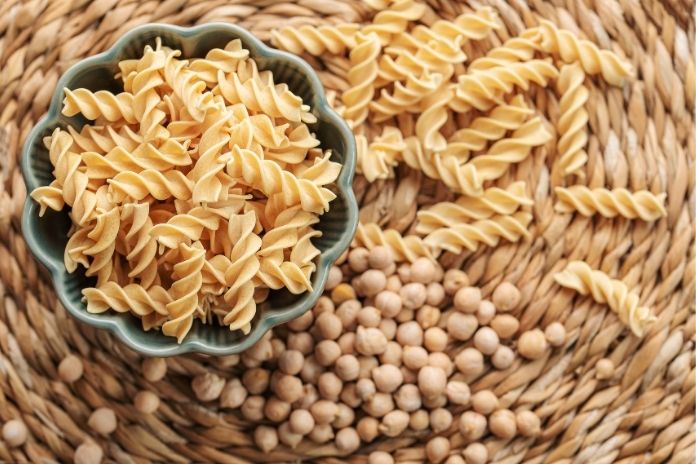
Protein pasta isn’t a single food with a fixed definition. It’s a broad category that includes several very different products, each with its own nutrient profile, texture, and digestive behavior. Two boxes can sit side by side on the shelf, both labeled high-protein, yet affect your blood sugar, satiety, and gut in completely different ways. That’s why the ingredient list matters more than the marketing on the front.
Chickpea or Lentil Pasta
This is one of the most common and straightforward forms of protein pasta. It’s often made from a single ingredient: ground chickpeas or lentils. That simplicity is a big reason it’s widely recommended.
Because legumes naturally contain both protein and complex carbohydrates, these pastas tend to digest more slowly and keep you fuller longer than refined wheat pasta. They also bring micronutrients that regular pasta lacks.
Key characteristics:
- High in plant-based protein.
- High in fiber.
- Naturally gluten-free.
- Rich in iron, magnesium, and folate.
Harvard Health Publishing consistently highlights legumes for their role in improved blood sugar control and increased satiety, which helps explain why many people feel more satisfied after legume-based pasta meals.
High-Protein Wheat Pasta
This version is designed to look, cook, and taste as close to traditional pasta as possible. It’s usually made from wheat flour, then fortified with additional protein sources such as pea protein, egg whites, or soy protein.
For people who don’t want to sacrifice texture or familiarity, this can be an easy transition. Nutritionally, it does increase protein compared to standard pasta, but the overall benefits depend on whether whole wheat is used.
Key characteristics:
- Higher protein than regular pasta.
- Similar taste and texture to traditional pasta.
- Not gluten-free.
- Fiber content varies depending on refinement.
If the base flour is refined wheat, fiber levels may still be modest, meaning the blood sugar response may not differ dramatically from that of regular pasta.
Edamame or Soy-Based Pasta
This is the most protein-dense option in the category. Edamame pasta is made almost entirely from soybeans and is often marketed as low-carb or suitable for high-protein or keto-adjacent diets.
Its nutrition profile is impressive, but the eating experience is noticeably different. The texture is denser and chewier, and digestion can be an adjustment for some people.
Key characteristics:
- Very high protein
- High fiber
- Lower net carbohydrates
- Dense, filling texture
According to Beth Czerwony, RD, LD, soy-based foods like edamame are nutritious and protein-rich, but their high fiber and legume content can cause bloating or digestive discomfort for people with sensitive guts, which explains why edamame pasta feels heavier and takes some getting used to for some eaters.
The takeaway here is simple. Protein pasta isn’t automatically better. The type of protein, fiber content, and ingredient quality determine whether it’s a meaningful upgrade or just a lateral swap.
Why Ingredients Affect Digestion and Taste
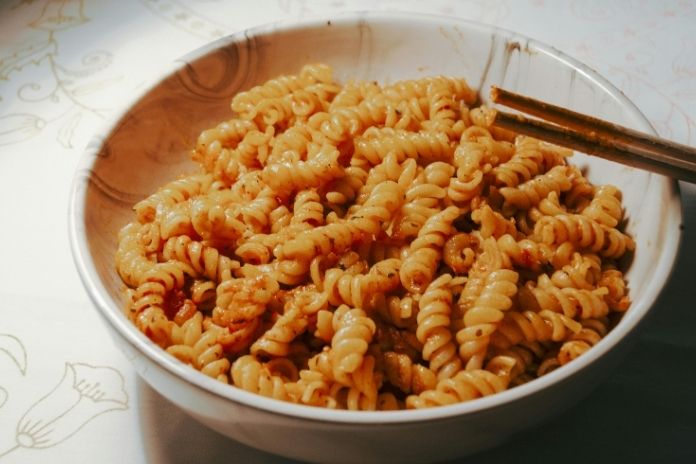
Here’s the thing. Protein pasta doesn’t just look different on a nutrition label. It behaves differently once you eat it, and that comes down almost entirely to the ingredients used to make it. Legume-based pastas, such as chickpea and lentil, contain large amounts of fermentable fiber and resistant starch. These reach the colon largely intact, where they feed beneficial gut bacteria.
For some people, that’s a win. Better satiety, steadier energy, and improved blood sugar control are common upsides. For others, especially those with sensitive digestion, IBS, or a low tolerance for fermentable carbs, that same fermentation can lead to bloating, gas, or abdominal discomfort. The pasta itself isn’t bad. The gut response is simply more active.
Wheat-based protein pastas tend to digest more predictably. They’re closer to what most digestive systems are used to, which often means fewer surprises. The tradeoff is metabolic impact. If the base flour is refined wheat, the fiber remains relatively low, and the blood sugar response may not differ much from that of regular pasta, even with added protein.
Taste and texture follow the same logic.
- Legume pastas have a firmer bite and a slightly earthy flavor.
- Soy-based pastas are dense and chewy.
- Wheat-based versions feel familiar and neutral.
What this really means is that protein pasta nutrition is driven by what it’s made from. The ingredient list tells you far more about digestion, fullness, and taste than the marketing ever will.
Protein Pasta vs Regular Pasta: Nutrition Breakdown
Before comparing nutrition labels, it helps to step back and consider how each type of pasta behaves once you eat it. The most significant differences aren’t just calories or carbs. Their digestion speed, fullness, and blood sugar response.
Protein pasta and regular pasta can both fit into a healthy diet, but they support very different goals. This table breaks down those differences in practical, body-level terms rather than abstract numbers.
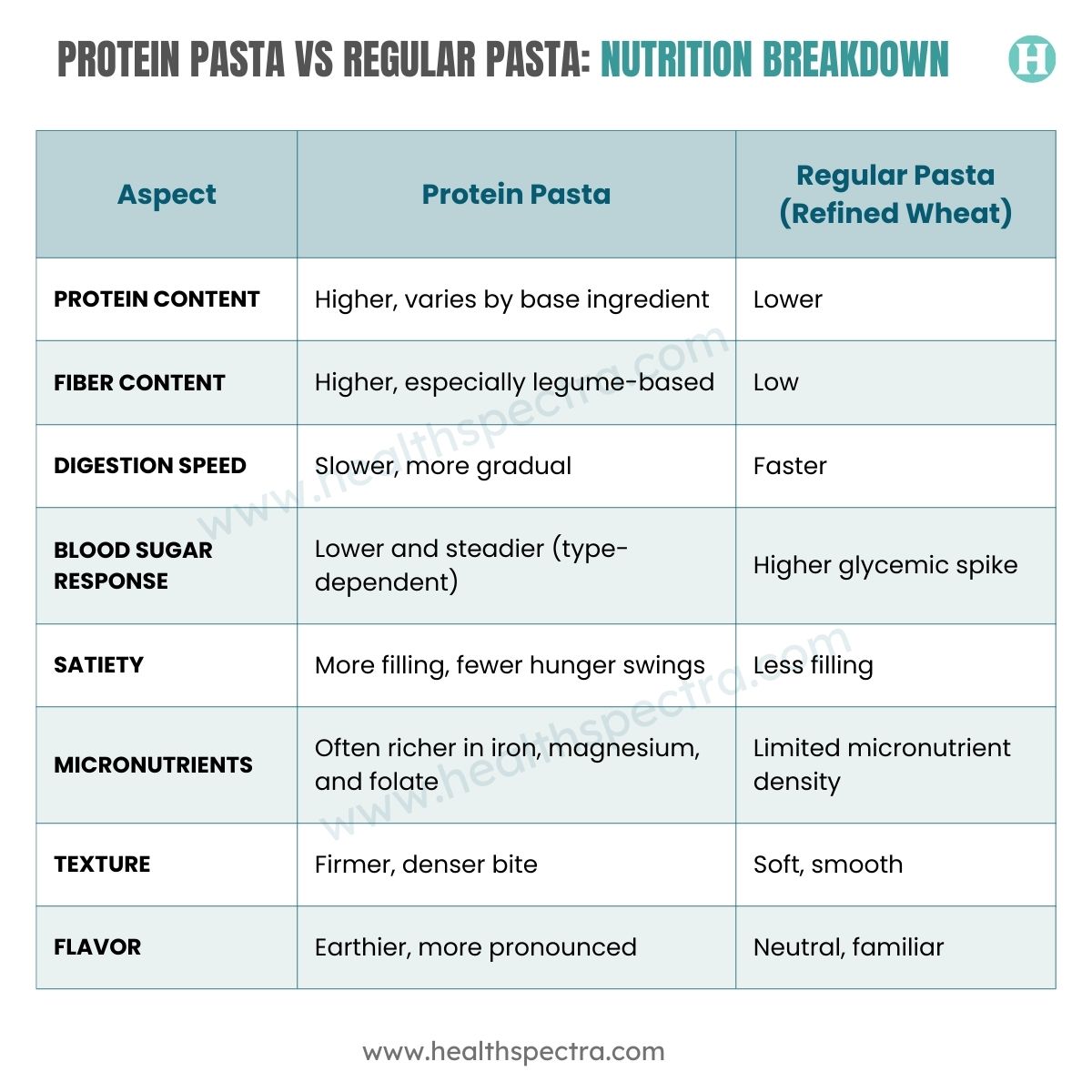 What this really means is simple. Protein and fiber slow gastric emptying, so energy release is steadier and hunger returns later. Regular pasta digests faster, which can be useful for quick fuel but less supportive of long-term satiety or blood sugar control.
Health Benefits of Protein Pasta
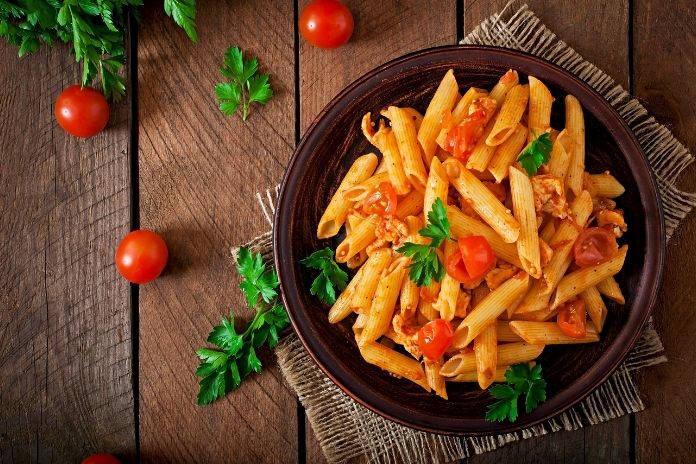
Protein pasta earns its reputation when you look at how it works in the body, not just the protein number on the box. The benefits come from the combination of protein, fiber, and slower digestion, which changes how full you feel, how steady your energy stays, and how your body handles carbs. Here’s how those benefits actually play out.
Helps Keep You Fuller for Longer
One of the biggest benefits of protein pasta is satiety.
Protein triggers the release of appetite-regulating hormones like peptide YY and GLP-1. Fiber adds bulk and slows digestion.
Together, they help:
- Reduce overeating.
- Prevent rapid hunger rebound.
- Support portion control.
This is why many people find protein pasta more satisfying than regular pasta, even in similar portion sizes.
Supports Muscle Repair and High-Protein Diets
For athletes, gym-goers, and people following a high-protein diet, protein pasta makes it easier to hit daily protein needs without relying solely on animal products.
In the protein department, legume pasta shines too. According to Samantha Peterson, MS, RD, a serving can pack 12 to 20 grams of protein, at least double the amount found in traditional pasta. “Protein is essential for building and repairing tissues, supporting muscle strength, building metabolism, and keeping you full and satisfied longer,” says Peterson.
This is especially useful for vegetarians and flexitarians.
Read More: 8 Best Plant-Based Proteins for Muscle Building
Better for Blood Sugar Control
Protein pasta, especially chickpea and lentil varieties, tends to produce a gentler rise in blood glucose. Fiber slows carbohydrate absorption. Protein further blunts post-meal spikes.
Harvard Health notes that beans and other legumes are very low on the glycemic index and glycemic load, meaning they raise blood sugar much more slowly than refined carbohydrates like white pasta. That’s part of why legumes are considered a better choice for blood sugar control when compared with refined grains.
This makes protein pasta a smarter choice for:
- People with insulin resistance
- Prediabetes
- Type 2 diabetes (in appropriate portions)
Supports Gut Health
Legume-based pastas contain prebiotic fibers that feed beneficial gut bacteria.
This can:
- Improve digestion over time.
- Support regular bowel movements.
- Enhance microbial diversity.
According to studies published in Nutrients and related research, diets richer in legume-derived fiber are associated with shifts in the gut microbiome and markers of gut health. Higher fiber intake from legumes promotes fermentation by beneficial gut bacteria, increasing production of short-chain fatty acids and supporting a more favorable microbial environment linked to improved gut function.
That said, gut adaptation takes time. Initial bloating doesn’t mean it’s harmful, just that your microbiome is adjusting.
Naturally Gluten-Free Options Available
For people with celiac disease or gluten sensitivity, chickpea, lentil, and edamame pasta provide a wheat-free alternative that’s nutritionally superior to many rice- or corn-based gluten-free pastas.
Mayo Clinic explains that many gluten-free products are made from highly refined starches and flours that are low in fiber and protein compared with their gluten-containing counterparts, which is why choosing naturally nutritious options like legumes can make a big difference.
Potential Downsides of Protein Pasta
Protein pasta has real advantages, but it’s not a universal win. How well it works depends on your digestion, your expectations, and how thoughtfully you choose the product. Here are the main drawbacks to consider before making it a staple.
Can cause bloating or gas
Legume-based pastas contain oligosaccharides, fermentable carbohydrates that feed gut bacteria. Fermentation is beneficial for some people and uncomfortable for others. If you have IBS, SIBO, or a sensitive digestive system, protein pasta can trigger bloating, gas, or abdominal pressure, especially at first.
This doesn’t make it unhealthy, but tolerance varies a lot. Smaller portions and gradual introduction often improve symptoms over time.
Texture and taste take adjustment
Protein pasta doesn’t cook or chew like traditional wheat pasta. Many people notice a firmer, sometimes grainier texture and a more earthy flavor. There’s also a narrow window between perfectly cooked and unpleasantly soft, especially with chickpea or lentil varieties.
Wheat-based high-protein pasta tends to feel most familiar, while legume-only versions usually require recipe tweaks, such as stronger sauces, more seasoning, or shorter cook times.
A higher price can limit consistency
Protein pasta almost always costs more than standard pasta. The higher price reflects ingredient sourcing and processing, but it can still be a practical barrier if you eat pasta often or are feeding a household. For some people, it works best as a rotation food rather than a complete replacement.
Not all protein pastas deliver real benefits
The label can be misleading. Some products advertise protein while still relying heavily on refined wheat flour, offering only a modest protein bump and little fiber. Others add gums, starches, or fillers that don’t improve digestion or satiety. Ingredient lists matter more than marketing claims.
Pastas made primarily from legumes or whole grains tend to provide the benefits people expect.
May not fit every diet goal
Despite the name, protein pasta is still a carbohydrate-based food. For very low-carb or ketogenic diets, even lentil or edamame pasta may not align with daily targets. In those cases, it works better as an occasional choice rather than a core staple.
The takeaway is simple. Protein pasta can be a smart swap, but only when your digestion tolerates it, the ingredients are solid, and your expectations match what it actually offers.
Who Should Consider Eating Protein Pasta?
Protein pasta works especially well for:
- People on high-protein diets.
- Weight-loss seekers focused on satiety.
- Athletes and active individuals.
- Those managing blood sugar levels.
- People need more dietary fiber.
- Vegetarians and vegans seeking protein variety.
When used intentionally, it can be a meaningful nutritional upgrade.
Who May Want to Limit or Avoid It?
Protein pasta may not be ideal for:
- People with severe IBS or legume intolerance.
- Those allergic to soy, lentils, or chickpeas.
- Individuals with kidney disease must limit protein intake.
- People who strongly prefer traditional pasta texture.
Food quality includes enjoyment and tolerance, not just macros.
Read More: Low-Carb Zucchini Noodles with Pesto: A Healthy Pasta Alternative
How to Choose the Healthiest Protein Pasta
Choosing a good protein pasta is less about chasing big numbers on the front of the box and more about reading what’s actually inside it. A few smart checks can quickly separate genuinely nutritious options from dressed-up regular pasta.
- Start with the ingredient list: Shorter is almost always better. Ideally, you should see one ingredient or a very small list you recognize immediately. Single-ingredient pastas made from chickpeas, lentils, or edamame are usually the most nutrient-dense and the least processed. If the list starts with refined wheat flour, and protein comes later, the health benefit is likely modest.
- Judge protein by the numbers, not the label: Ignore claims like “high-protein” or “protein-powered.” Flip the package and look at the grams of protein per serving. A meaningful upgrade usually means at least 10–15 grams per serving. Anything much lower often isn’t very different from regular pasta.
- Check fiber alongside protein: Protein pasta works best when fiber is part of the equation. Higher fiber improves fullness, blood sugar response, and digestion. Legume-based pastas naturally deliver both. If fiber is low, the pasta may digest quickly despite added protein.
- Watch for unnecessary additives: Some brands rely on gums, starches, or fillers to improve texture. Small amounts aren’t harmful, but long lists of additives usually signal heavier processing. Added sugars are another red flag. Pasta doesn’t need them.
- Match the pasta to your dietary needs: If you’re avoiding gluten, chickpea, lentil, or edamame pasta makes sense. If you want a texture close to traditional pasta and tolerate gluten well, a whole-wheat high-protein option may be more enjoyable and easier to cook consistently.
According to registered dietitian Teresa Eury, RD at Cleveland Clinic, “The best thing you can do is turn the product around and look at the nutrition facts label and ingredient list. That’s where the real details are and what truly tells you what’s in the product.”
Read More: High Protein Diet for Weight Loss
How to Make Protein Pasta Even Healthier
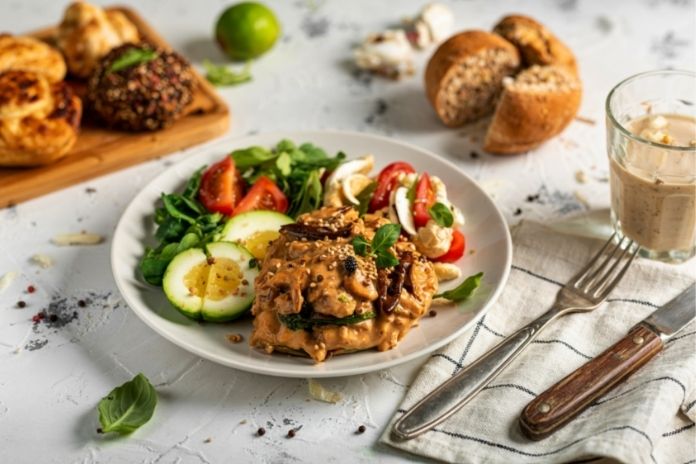
Protein pasta gives you a stronger base, but the real health payoff comes from how you build the surrounding plate. Think of it as a foundation, not the finished product.
- Load up on vegetables: Vegetables add volume, fiber, antioxidants, and micronutrients without many calories. Roasted, sautéed, or lightly steamed veggies like spinach, zucchini, peppers, broccoli, or tomatoes make the meal more filling and support digestion. More volume also helps with portion control without feeling restricted.
- Add healthy fats with intention: A drizzle of olive oil, a spoon of pesto, or a few slices of avocado enhances flavor and helps you absorb fat-soluble vitamins. The key is moderation. Healthy fats support satiety, but they’re still calorie-dense.
- Use lean protein strategically: Protein pasta often provides enough protein on its own, but adding grilled chicken, fish, tofu, or tempeh can make sense when higher protein needs arise. This is especially useful after workouts or if the pasta portion is small.
- Choose lighter, flavor-forward sauces: Tomato-based sauces, garlic and olive oil, herbs, lemon, or vegetable-based sauces keep the meal balanced. These options enhance taste without overwhelming the nutritional benefits.
- Be mindful of sauces and toppings: Heavy cream sauces, excessive cheese, or large amounts of butter can quickly turn a balanced meal into a calorie-heavy one. If weight management or blood sugar control is the goal, these additions are best kept occasional rather than routine.
What this really means is simple: protein pasta works best when it’s treated like a whole-food meal, not comfort food disguised as health food.
Conclusion: Is Protein Pasta Good for You?
So, is protein pasta good for you? For many people, yes, when it’s used with intention.
Protein pasta can be a meaningful upgrade from refined wheat pasta. Higher protein and fiber content help stabilize blood sugar, slow digestion, and keep you full longer. That combination supports energy levels, appetite control, and overall metabolic health. It’s particularly helpful for active people, anyone trying to manage weight or glucose swings, and those eating more plant-based foods who want protein without relying on meat during every meal.
That said, it’s not a requirement for good nutrition. Some people don’t tolerate legume-based pastas well, and others simply prefer the taste and texture of traditional pasta. Cost and availability also matter. Regular pasta can still fit into a healthy diet when portions are reasonable and meals are balanced.
What this really comes down to is fit. When you choose a protein pasta with a short ingredient list and pair it with vegetables, healthy fats, and smart sauces, it stops being a trend and becomes a practical tool. Not a miracle food. Not a gimmick. Just a solid option that works well for the right person, in the right context.
References
- Barilla. (n.d.). Protein+ pasta.
- Eat This, Not That!. (n.d.). High-protein pasta options.
- EatingWell. (n.d.). High-protein pasta recipes.
- Hethstia. (n.d.). High-protein pasta types and uses.
- Jar of Lemons. (n.d.). Protein pasta recipe.
- Kitchn. (n.d.). High-protein pasta.
- MyFitnessPal Blog. (n.d.). High-protein pasta dishes.
- Nourish. (n.d.). Protein pasta recipes.
- Paul, R. (n.d.). High-protein pasta recipes.
- Reddit. (n.d.). Pasta recipe varieties that actually contain protein [Online forum post].
- Trail Runner Magazine. (n.d.). 5 protein pastas that are worth the money.
- Wipro Appliances. (n.d.). Protein pasta recipe.
- World of Pastabilities. (n.d.). Protein pasta vs. other types of protein.
- YouTube. (n.d.). High-protein pasta explained [Video].
In this Article