











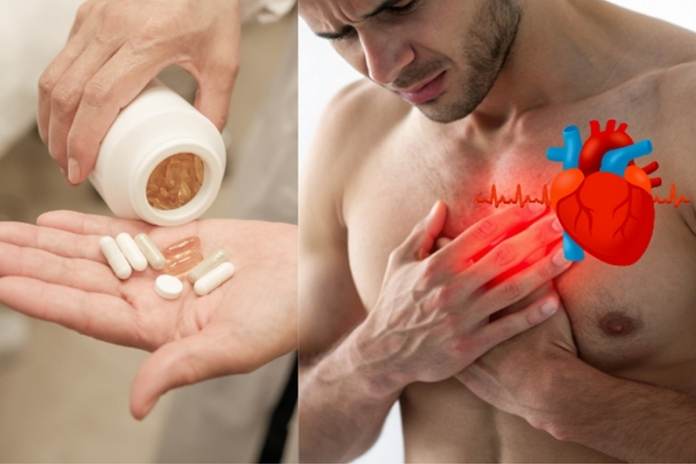
Why Supplements Aren’t Always “Harmless”
Supplements are sold everywhere now – from gym counters and online “natural” health stores to your local grocery store. The labels may say pure, herbal, safe, energy booster, and metabolism support.
But one thing people rarely think about: some supplements can mess with your heart rhythm.
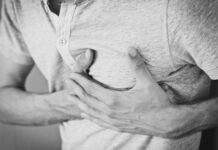
Heart palpitations basically mean you can feel your heartbeat – maybe it’s skipping, fluttering, or racing out of rhythm. It can feel like your heart has suddenly become very visible inside your chest. At times, it can be normal, but sometimes it can be a warning sign from your body that you need to stop and check what’s going on inside.
And yes, many supplements can trigger this. Especially those meant to “burn fat,” “boost focus,” “increase stamina,” or even “support heart health.” Surprised? You should be. Because natural doesn’t always mean safe.
Let’s see why these things happen, which supplements are commonly involved, who is more at risk, and what you should do if your heart starts behaving like a drum solo after taking that “energy” capsule.
How Supplements Might Trigger Heart Palpitations
Your heart runs on electricity – small impulses that keep the rhythm steady. Supplements can disturb that rhythm in many ways.
1. Stimulatory effects
Some products can trigger a surge in adrenaline (the fight or flight hormone, which prepares our body to handle danger or stress of any kind). When that happens, your heart begins to race. A lot of fat-burning supplements or pre-workout powders do this. Even a few “herbal” supplements contain hidden stimulants.
2. Electrolyte imbalance
Minerals like magnesium, potassium, calcium, and sodium – they keep your heart’s electrical rhythm steady. But if you take too much, or you’re really low on them, your heartbeat can lose the balance. That’s when palpitations happen.
3. Blood pressure changes
Some herbs or vitamins alter how your vessels relax or contract. Sudden blood pressure shifts make the heart compensate by beating faster or irregularly.
4. Drug–supplement interactions
Taking supplements with prescription medicines – especially those for blood pressure, thyroid, or mood – can mix up the body’s control of heart rhythm.
5. Adulterants and hidden chemicals
Unfortunately, many supplements are not clean. Lab testing often finds undeclared caffeine, yohimbine (an herbal stimulant), or other stimulants added to make users “feel” energy. Your body just feels stressed instead.
So, remember – supplements are active substances, not neutral dust. They help only if you use them right, at the right time, and if they even suit you in the first place.
Common Supplements Linked to Heart Palpitations
Below are categories that deserve a bit more caution.
1. Stimulant-based or Thermogenic Supplements (Bitter Orange, Ephedra, Fat-Burners)
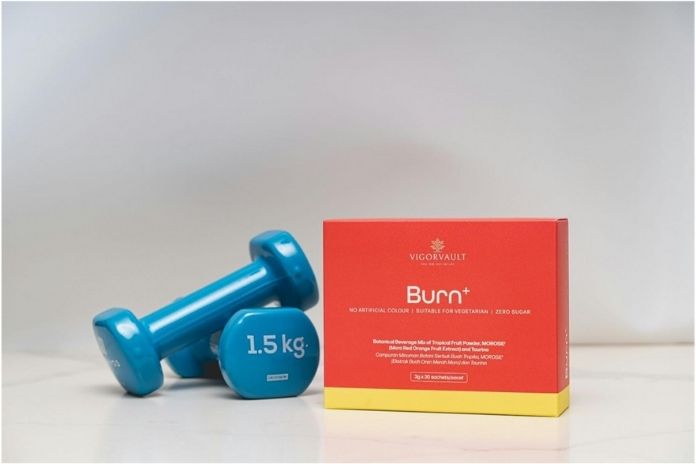
These are the actual troublemakers. Anything that promises “energy, shred, thermogenesis, metabolism boost” – read the label carefully.
Bitter orange (synephrine) is often marketed as a “safe ephedra alternative.” It’s really not. It hits the same adrenaline spots in your body, so your heart starts working harder. Some people can tolerate it, but others end up with a fast heartbeat and anxious feelings a bit quickly, within an hour.
Ephedra (banned in many countries, including the United States, since 2004 for safety reasons) can cause arrhythmias (irregular rhythm), strokes (brain blood blockage), and even cardiac deaths. Still, some imported or unlabeled products quietly include ephedra-like compounds.
Ephedrine is a natural compound derived from the Ephedra plant. A 2006 case study reports ventricular tachycardia in a 19-year-old athlete after 10 days of ephedrine abuse for performance enhancement, resistant to cardioversion/amiodarone but resolving after ~60 hours as levels dropped.
Even “fat burner stacks” – those big jars sold in gyms – often hide caffeine, and even synephrine (bitter orange extract) or yohimbine. These combinations multiply the strain on the heart.
Guidance: If your supplement says energy, shred, extreme, metabolic ignition – check the ingredient list twice. Avoid mixing it with coffee, pre-workout, or any stimulant drink. And if your heart suddenly starts dancing faster, don’t assume it’s fat burning – it’s stress.
2. Herbal Adaptogens & Energy Herbs (Ginseng, Hawthorn, Valerian)

Herbal doesn’t automatically mean gentle.
Ginseng is considered an energy tonic, but in some users, it increases blood pressure and heart rate. It can also interact with blood-thinners and certain cardiac drugs.
Hawthorn, though used in traditional medicine as a heart tonic, can alter how the heart muscle contracts. When mixed with prescription heart medications, it may exaggerate their effects.
Valerian, usually calming, can sometimes cause paradoxical (reverse reaction) stimulation or interact with sedatives (sleep medicines) – changing the heart rhythm indirectly.
Guidance: Herbs can be double-edged. If you have any heart or rhythm issues, don’t experiment on your own. Ask your doctor before mixing herbal “adaptogens” with medication. The line between balance and chaos is thinner than you think.
3. Electrolyte / Nutrient Supplements When Taken in Excess
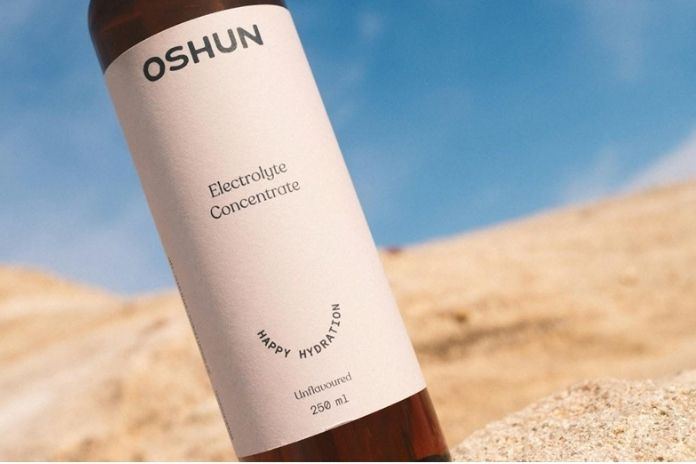
We often hear “low magnesium or low potassium causes palpitations.” True. But too much of them also does.
For example:
- Too much magnesium – your heart can slow down too much.
- Too much potassium – your heart can stop beating properly (mainly dangerous for those on kidney or Blood Pressure medicines).
- Too much calcium – it can cause irregular heartbeats and even muscle twitching.
- Even vitamin D, when taken at high doses, can raise calcium levels too high, affecting heart rhythm indirectly.
Supplements are not candies. More is not better.
Guidance: If you take mineral supplements, check your blood levels periodically. Don’t chase “optimal” ranges seen on blogs. Body chemistry is individual. Always stay within recommended upper limits.
4. Fish Oil / Omega-3 Supplements

Fish oil is almost revered like holy water – good for the brain, skin, heart, everything. But new studies show something interesting: very high doses can alter the electrical activity of the heart slightly, sometimes making the rhythm irregular, especially if you already have an underlying heart issue or are on blood thinners.
The mechanism isn’t clear yet, but omega-3s change electrical membrane stability, which can slightly alter rhythm in sensitive hearts.
A 2022 review of 5 big heart studies (50,000+ patients) showed high-dose fish oil (under 4g/day) raised atrial fibrillation risk by 37% compared to placebo, urging caution for those prone to irregular heartbeats.
Guidance: Standard dietary doses (around 250-500 mg per day) are fine. But if you already have arrhythmia, don’t start mega-doses without supervision. More oil doesn’t mean more protection.
Risk Factors That Raise the Likelihood of Supplement-Triggered Palpitations
Some people are naturally more vulnerable. If you tick any of these, be extra alert:
- Existing heart rhythm disorder (atrial fibrillation or atrial flutter, or other arrhythmias)
- Structural heart issues, hypertension, or thyroid problems
- Use of stimulant medications – prescribed for conditions such as attention disorders or asthma.
- Regular high caffeine intake
- Dehydration or over-exercise (common in gym users)
- Combining multiple supplements without medical review
Also note: older adults process stimulants more slowly. What feels mild to a 25-year-old can cause pounding palpitations in a 55-year-old.
Safety Tips for Taking Supplements When Concerned About Heart Rhythm
You don’t have to fear all supplements – but you must respect them.
- Check labels for hidden stimulants. Look for “bitter orange,” “guarana,” “synephrine,” “caffeine anhydrous,” “green tea extract,” or “yohimbine.” These often slip in under fancy names.
- Start small. Don’t jump to the full dose printed on the bottle. Half is usually enough to see how your body reacts.
- Keep a note of symptoms. If you feel fluttering, skipped beats, restlessness, or tightness – stop and note what you took and when.
- Don’t mix stimulants. Coffee + pre-workout + fat burner = not motivation, it’s arrhythmia risk.
- Disclose everything to your doctor. Even if it’s “just herbal.” They need to know what your heart is dealing with.
- Keep your electrolytes in check. Before you start using those high-dose mineral supplements, just get a basic test done – potassium, magnesium, calcium.
- Be aware of fake purity claims. Online products may include undeclared stimulants. Buy only from reliable, tested brands.
- Track Your Total Nutrient Intake: Monitor total nutrient intake from food plus supplements. For example, excess omega-3 from seafood and pills can overload safe levels.
When to See a Doctor – Red Flags
If you ever experience:
- Palpitations with chest pain, dizziness, shortness of breath, or fainting,
- Palpitations that persist after stopping the supplement,
- Palpitations that happen at rest or wake you from sleep,
- Any new irregular rhythm detected on a smartwatch or ECG –
Don’t wait. Get a medical review immediately. These are not “just side effects.” They can be signs of an arrhythmia that needs treatment.
Key Takeaway
Supplements are powerful tools – not soft toys. They can help, but they can also make your heart work harder than it’s used to.
Stimulant-based (bitter orange, ephedra, fat burners), energy herbs (ginseng, hawthorn, valerian), electrolyte-rich (magnesium, potassium, calcium, vitamin D), or high-dose omega-3 products can all cause or worsen heart palpitations.
You’re at higher risk if you have existing heart disease, thyroid issues, high caffeine intake, dehydration, or use multiple supplements simultaneously.
Before you pop a supplement capsule:
- Ask, “Do I really need this?”
- Check your heart history.
- Start small.
- Monitor your response.
When in doubt, involve your doctor. You only get one heart – treat it with the same respect you give to your fitness goals.

References
- https://pmc.ncbi.nlm.nih.gov/articles/PMC9987759/
- https://arrhythmia.biomedcentral.com/articles/10.1186/s42444-022-00065-z
- https://www.mayoclinic.org/diseases-conditions/high-blood-pressure/in-depth/blood-pressure/art-20045245
- https://www.mayoclinic.org/healthy-lifestyle/consumer-health/in-depth/herbal-supplements/art-20046488
- https://pmc.ncbi.nlm.nih.gov/articles/PMC10570429/
- https://www.scielo.br/j/rn/a/MvHW4TnRmrPLJzgN8cLGPzD
- https://www.ncbi.nlm.nih.gov/books/NBK548711/
- https://onlinelibrary.wiley.com/doi/full/10.1002/fsn3.3879
- https://pmc.ncbi.nlm.nih.gov/articles/PMC9834822/
- https://ods.od.nih.gov/factsheets/Valerian-HealthProfessional/
- https://link.springer.com/content/pdf/10.1007/s11655-020-2727-1.pdf
- https://www.mayoclinic.org/diseases-conditions/heart-arrhythmia/symptoms-causes/syc-20350668
- https://www.mayoclinic.org/diseases-conditions/heart-palpitations/symptoms-causes/syc-20373196
In this Article