














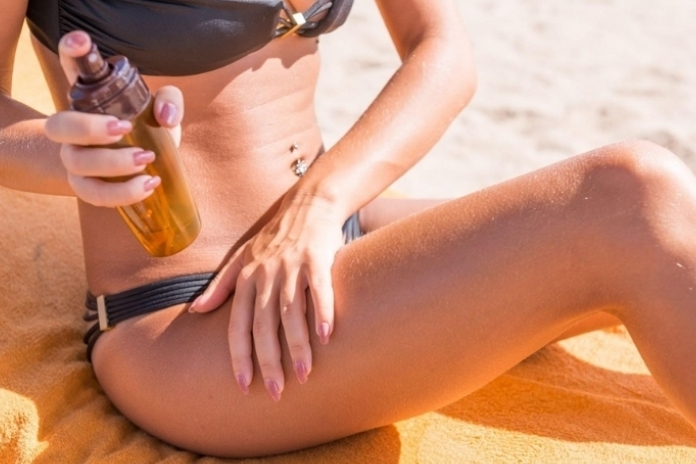
Let’s be honest – everyone likes a bit of colour on their skin. We’ve been told since childhood that “sun means glow,” and for years, people sat under sunlamps or roasted on beaches chasing that bronzed look. Then came the guilt trip – “don’t tan, you’ll get wrinkles or cancer.” Enter self-tanners, the “safe” way to fake that holiday glow without UV damage.
But somewhere between influencers spraying themselves orange and “organic tanning drops” promising miracles, the real question got lost: Is self-tanner actually safe for your skin and body? Or are we just trading one problem for another?
Let’s get real – there’s no perfect answer, but there’s definitely a lot more science (and a few surprises) behind those bottles than most of us realise.
How Self-Tanners Actually Work – The Real Chemistry Behind That “Tan”
The magic ingredient is called Dihydroxyacetone (DHA). Sounds like something from a chemistry lab, right? Because it is. DHA reacts with the amino acids in your skin’s outermost layer (which are basically dead skin cells). That reaction produces a brownish pigment – the “tan” that you see.
It’s a bit like toasting bread – the Maillard reaction. The bread doesn’t become sun-burned; it just browns. That’s exactly what’s happening to your skin. And just like bread crust doesn’t protect the loaf from fire, your DHA tan doesn’t protect your skin from UV rays. It only looks like a tan; it isn’t one.
Most self-tanners also add other ingredients – erythrulose (another sugar that gives a softer tone), some pigments for instant colour, and of course, fragrance to hide that typical “burnt biscuit” smell DHA leaves behind.
The result? You look sun-kissed without ever seeing the sun. But that’s only the surface of the story – literally.
Read More: Tanning Injections: Do They Work, Are They Safe, and What Doctors Say
What Science Actually Says – Evidence on Safety and Risks
Let’s go straight to facts. The Scientific Committee on Consumer Safety (SCCS) in 2010 looked at DHA and concluded that concentrations up to around 10% in creams and lotions are safe for external use. That’s what most good brands use.
Organizations like the Canadian Cancer Society even promote self-tanners as a safer alternative to tanning beds or baking in the sun. So on paper, DHA is not the villain here.
But that doesn’t mean it’s all angelic.
Where It Gets Complicated
- No UV protection. People apply self-tanner and then skip sunscreen because “I’m already tanned.” Big mistake. DHA tan gives 1-3 You can still burn, still age, still damage DNA.
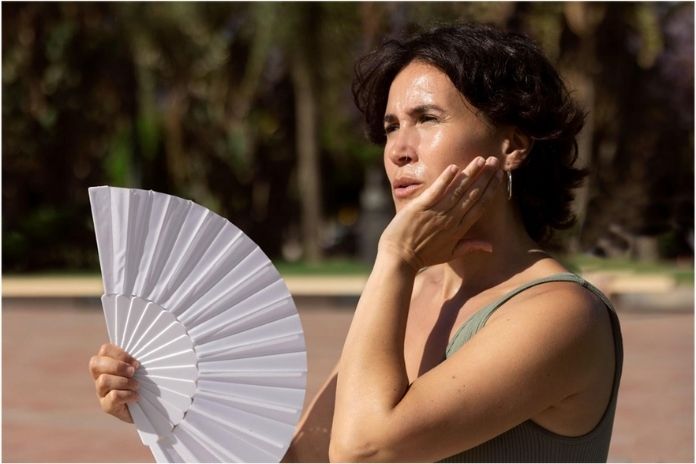
- Inhalation risk. The trouble starts when you use sprays – especially in salons or booths. DHA isn’t meant to go inside the lungs. Studies have shown that inhaling DHA mist can irritate respiratory pathways, and long-term data on that is still murky.

- Free radicals. A few studies found that DHA-treated skin, when exposed to UV light, may actually produce more free radicals – those unstable molecules that accelerate aging. Doesn’t mean you’ll suddenly wrinkle overnight, but it’s a good reason to keep sunscreen in your life.
- Sensitive skin trouble. Fragrance, parabens, and preservatives in some self-tanners can trigger contact dermatitis or itching, especially if your skin barrier is already damaged.
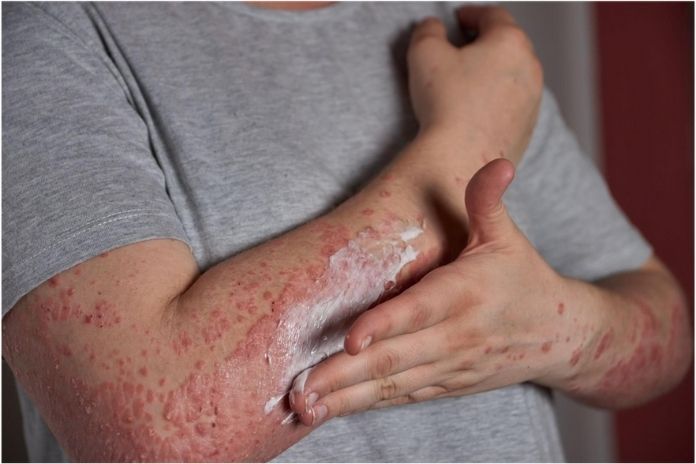
So, if DHA is used alone – okay. But DHA plus careless habits – not right.
The Real Risks People Don’t Talk About
Let’s strip away the glossy packaging. Here’s what people ignore:
- False confidence. You feel protected because your skin looks darker. That’s like wearing a leather jacket and thinking it’s bulletproof. Many dermatologists say the biggest danger of self-tanner is this false sense of safety.
- Breathing it in. Spray booths look glamorous on Instagram, but no one shows the part where the mist gets in your nose and mouth. You’re not supposed to breathe DHA. It’s safe for external skin, not lungs. Use sprays only in open air or with nose guards.
- Ingredients for soup. Some cheaper products mix DHA with unnecessary ingredients – artificial dyes, heavy fragrances, or even alcohols that dry out your skin barrier. The irony? You end up damaging the same skin you were trying to beautify.
- Broken skin + DHA = not friends. Applying self-tanner right after shaving or exfoliating too harshly can increase irritation or absorption into deeper layers. While systemic absorption is still considered minimal, why push it?
- Psychological loop. For some people, it becomes a cycle – the “I can’t look pale” phase. It’s not addiction in a chemical sense, but yes, it can mess with self-image. You start equating health with gold. That’s not health; that’s aesthetic pressure.
So Why Do People Still Love Self-Tanners?
Because it works – simple.
You can skip hours of sun, avoid burns, skip those awkward tan lines, and still wake up glowing. No peeling, no blisters, no dermatologist yelling at you.
Self-tanners are especially helpful for people who:
- burn easily,
- have photosensitivity issues,
- are on medications that make them sun-sensitive, or
- just prefer staying indoors (hello, monsoon weather).
It gives that instant confidence boost – your skin tone looks even, your legs look smoother, and your makeup blends better. It’s like makeup for your body.
And from a health angle, it’s way safer than UV tanning. The link between real tanning (natural or beds) and skin cancer is solid – science doesn’t even debate it anymore. So if you must choose between DHA and UV lamps, DHA wins hands down.
How to Use Self-Tanner Safely – Without Turning Into a Science Experiment
Here’s the sensible way to get that glow without drama:
- Patch test first. One tiny patch behind your ear or arm. Wait 24 hours. If no redness or itching – go ahead.
- Exfoliate before, not after. You want to remove dead cells evenly, so your tan doesn’t patch or streak.
- Moisturize dry zones (knees, elbows, ankles) so they don’t soak up too much product and turn dark brown.
- Use sprays smartly. If you love sprays, do it near a window or fan, wear a mask, and close your eyes. Never inhale that mist.
- No broken skin. Wait at least a day after shaving or waxing.
- Use sunscreen, always. That “tan” is just colour, not armor.
- Check ingredients. Skip products loaded with parabens, alcohol, or too much fragrance.
- Don’t overdo it. Let your skin rest between applications. Remember, it’s reacting chemically each time you apply.
If you follow that, you’ll look glowing – not glowing in the dark.
When to Call Your Dermatologist
Don’t ignore irritation, thinking, “It’s just part of the process.” If your skin burns, itches, or flakes repeatedly after using a product – stop. See a dermatologist.
If you’re pregnant, breastfeeding, or have eczema, psoriasis, or any compromised skin barrier – get a doctor’s opinion first. DHA hasn’t been proven dangerous for pregnancy when applied to the skin, but inhaling it through sprays is still a grey area. Better safe than sorry.
And if you have respiratory conditions like asthma, definitely avoid spray tans. Stick to creams or mousses instead.
The Truth in One Line
Self-tanner is not bad for you – if you use it wisely.
It’s like coffee: one cup perks you up, ten cups make your heart race. Self-tanner saves you from UV damage, but it doesn’t mean you can throw away your sunscreen or common sense.
The healthiest combo?
- SPF every day,
- A decent self-tanner used occasionally,
- And a mindset that beauty isn’t the same as being brown-golden-sun-baked.
Read More: If Sunscreen Is So Good for Your Skin, Why Do So Many People Still…
A Different Way to Think About “Tan”
Maybe it’s time we stop seeing tan as a symbol of health. Real healthy skin is the one that feels soft, hydrated, and protected – not necessarily golden. The obsession with “bronzed glow” is marketing, not biology.
Ironically, your body doesn’t even care about that shade. Melanin (your natural pigment) is your skin’s way of saying, “Hey, too much sun.” It’s a stress signal. DHA just mimics that look without the damage—so yes, it’s safer— but it’s still just paint on the wall, not stronger bricks underneath.
If you use self-tanner as a fun product, fine. But if you use it to feel worthy – that’s where the harm begins.
Read More: Tanning Injections: Do They Work, Are They Safe, and What Doctors Say
Final Word
Self-tanners aren’t evil. They’re just misunderstood. Used right, they save your skin from UV damage and keep you glowing all year. Used carelessly, they can still cause irritation, dryness, or give you that patchy “tiger stripe” look no one wants.
So, glow if you want – just glow smart. Sunscreen is still your best friend. DHA is your backup. And your skin? It’ll thank you for treating it like skin, not a colour palette.
References
- https://pubmed.ncbi.nlm.nih.gov/37697919/
- https://pmc.ncbi.nlm.nih.gov/articles/PMC10083914/
- https://assets.publishing.service.gov.uk/media/6719ffdc67b3ef4856faf8a0/sag-cs-opinion-13-dihydroxyacetone-in-cosmetic-products.pdf
- https://cancer.ca/en/cancer-information/reduce-your-risk/be-sun-safe/tanning-is-out
- https://pmc.ncbi.nlm.nih.gov/articles/PMC5809210/
- https://www.sciencedirect.com/science/article/pii/S2214750024002610
- https://www.sciencedirect.com/science/article/abs/pii/S1386142507005513
- https://pmc.ncbi.nlm.nih.gov/articles/PMC9147108/
In this Article