



















Most of us are guilty of it, bringing our phone into the bathroom and scrolling on the toilet. What seems like a few minutes of relaxing time can quickly turn into ten or fifteen. But here’s the twist: that extra sitting time on the toilet might make you more likely to get hemorrhoids.
Let’s admit it, we all have been addicted to our phones. We take it everywhere, including the toilet. What can be done in a few minutes can sometimes take nearly an hour. I used to do the same, until reality hit me hard. It was all good until I suffered hemorrhoids.
Long periods of sitting put additional pressure on the lower rectum and, combined with straining or suppressing bowel urges, will bring about or worsen hemorrhoid symptoms. The better news? A few quick changes in your bathroom habits and lifestyle can go a long way in protecting your bowel health.
In this article, let’s look at why bathroom habits worsen the chances of getting hemorrhoids, and ways to prevent them naturally.
Read More: Hemorrhoids – Causes, Symptoms, Diagnosis, And Treatment Options
What Are Hemorrhoids?
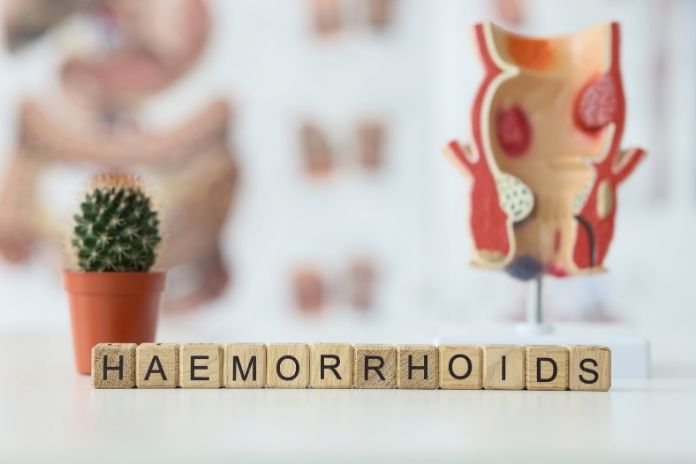
Hemorrhoids are engorged blood vessels of the lower rectum or anus. They occur when the veins experience more pressure than they can tolerate and hence are stretched, swollen, or bulged.
Individuals may have different symptoms, but some of the common ones are:
- Anal irritation or itching.
- Pain or discomfort after or during bowel movements.
- Swelling or lumps close to the anus.
Bleeding, usually observed as red streaks on toilet tissue or in the toilet. Although anyone can get hemorrhoids, surprisingly, many people have them. Research indicates that nearly half of all adults will have hemorrhoids by age 50. Although many people experience this condition, few are willing to talk about it, which has led to widespread misconceptions about its causes and possible treatments.
How Sitting Too Long on the Toilet Contributes to Hemorrhoids Risk
So why do hemorrhoids occur in the first place? Several factors are involved, but one of them is sitting for long periods on the toilet.
When you’re sitting on the toilet, gravity is pulling your body down, and that places more pressure on the blood vessels in your rectum. Typically, if you’re just there for a few minutes, it’s not a concern. But when you hold that position for a long time, whether by scrolling on your phone, reading a magazine, or simply sitting around, the veins are compressed longer and are more prone to swelling.
Additionally, the toilet seat itself causes a mild stretch on the rectal tissues. Prolonged sitting results in these tissues being under tension, hence more susceptible to inflammation and bulging.
The risk is even greater if you strain during an attempt to push bowels. Straining pushes blood into the veins of the rectum at high pressure, which stretches the walls of the veins over time. Add straining to long sitting, and you have a hemorrhoid breeding ground.
“Hemorrhoids are engorged blood vessels in the lower rectum and anus. While everyone has these blood vessels, they only become symptomatic when they become enlarged or inflamed, which can occur due to several factors,” Dr. David L. Schwarzbaum, a gastroenterologist, told HuffPost. “One common cause is due to sitting on the toilet for a prolonged time. This is because when one’s bottom is in the space of the toilet seat, the blood will pool in the lowest point and cause increased pressure in the blood vessels in the anus, leading to hemorrhoids.”
The longer you stay there, the greater the pressure becomes, eventually causing weak areas to bulge. It’s like sitting for a long time on a garden hose. That’s basically what happens in your rectal veins when time spent on the toilet exceeds what’s considered normal.
Read More: Hemorrhoids – Causes, Symptoms, Diagnosis, And Treatment Options
Other Common Bathroom Habits That Worsen Hemorrhoids
It’s not only sitting for too long that is the problem. Many daily bathroom habits cause hemorrhoid flare-ups without you knowing it. Here are a few lesser-known yet significant ones:
- Reading or screen-scrolling on your phone: This makes you spend extra minutes on the toilet. Most bowel movements occur in a few minutes; any longer typically isn’t worth it.
- Straining or forcing too hard: Straining, whether due to constipation or hurrying, dramatically increases the pressure in the rectal veins.
- Ignoring the urge to go: Holding it in makes stool harder and drier, which means you’ll have to push harder later. This combination of constipation and straining is one of the biggest hemorrhoid triggers.
- Over-cleansing with harsh toilet paper or wipes: Excessive and aggressive wiping can irritate sensitive skin and can worsen inflammation. So be gentle while cleansing yourself after using the toilet.
These routines, particularly when paired together, can make a person prone to repeated hemorrhoids.
Lifestyle Factors That Add to the Risk

In addition to bathroom routines, some lifestyle habits contribute to hemorrhoids.
- Diet Low in Fiber: If your daily diet doesn’t have sufficient stool becomes hard and it becomes difficult to pass, resulting in straining. Fiber provides bulk and softness, contributing to easier bowel movements.
- Dehydration: Water keeps stools soft. When a person is dehydrated, constipation occurs much more frequently.
- Sedentary Lifestyle: Sitting for extended periods, whether at a desk or on the couch, can minimize circulation in the lower body and cause pressure on the veins.
- Pregnancy: Both hormonal changes and increased abdominal pressure can slow down digestion, both of which increase hemorrhoid risk.
All of these influences work together with habits at the toilet, which means small changes throughout diet, hydration, and activity can have a profound effect.
How to Prevent Hemorrhoids Naturally

Hemorrhoids are common, but they’re not unavoidable. If you adopt the correct habits, you can reduce your risk and maintain your bowel health.
1. Keep it Short in the Bathroom:
Avoid spending more than five minutes on the loo. If you find yourself sticking around, think that it’s likely due to habit rather than need. Forcing yourself to keep your phone outside the bathroom is an easy yet good way to stop scrolling.
2. Balance Your Diet:
Try to include 25–30 grams of fiber per day. Opt for certain excellent sources, such as fruits like apples and berries, vegetables like broccoli and carrots, whole grains like oats, and legumes like lentils and beans. Pair fiber with proper hydration, at least 6–8 glasses of water daily, to facilitate its function.
3. Healthy Bathroom Habits:
When you feel the urge, go. Waiting makes stools more difficult to pass subsequently. Steer clear of straining and, if you have difficulty with constipation, use a small footstool to raise your feet. This is a squat-like position that naturally positions the rectum for comfortable elimination. In fact, this position is quite popular in Asian countries, especially India.
4. Be Physically Active:
Daily exercise that includes brisk walking, bike riding, or yoga helps in healthy digestion and improved blood flow. Even standing and stretching for an hour can lower vein pressure if you sit most of the day.
When to See a Doctor

Though mild, hemorrhoids usually get better with self-care; medical care may be required occasionally. You need to visit a doctor if you have:
- Constant or profuse bleeding.
- Severe pain or swelling that doesn’t get better.
- Lumps that do not go away even after passing stool.
- Hemorrhoids that do not respond to lifestyle modifications.
Doctors can offer the right treatments, such as rubber band ligation, laser treatment, or small surgery in more severe cases. Taking early treatment can avoid complications and bring in long-term relief.
Read More: Coconut Oil for Hemorrhoids | How to Get Rid of Hemorrhoids
Conclusion
Sitting for too long on the toilet will probably look like a harmless habit, but it unobtrusively puts extra pressure on your rectal veins. Gradually, it may result in hemorrhoids. It is a disorder already affecting millions of adults.
The takeaway? Pay attention to the time you’re spending in the bathroom, don’t strain, have a fiber-rich diet, drink plenty of fluids, and keep your body moving. These easy changes can do wonders in maintaining strong bowel health and avoiding painful episodes.
Take care of your gut today, and opting for good bathroom habits will protect you from hemorrhoids.
References
- https://medlineplus.gov/hemorrhoids.html
- https://www.bladderandbowel.org/bowel/bowel-resources/toilet-positions/
- https://www.ucsfhealth.org/education/increasing-fiber-intake
- https://www.healthians.com/blog/some-common-habits-that-can-lead-you-to-piles-or-haemorrhoids/
- https://timesofindia.indiatimes.com/life-style/health-fitness/health-news/hemorrhoid-risk-us-study-confirms-warnings-about-using-phones-in-the-bathroom-heres-why-it-happens-and-how-to-prevent-it/photostory/123688050.cms
- https://www.paonessacrs.com/the-link-between-prolonged-sitting-and-hemorrhoids/
In this Article