















Social relationships are incredibly important for a happy and healthy life. Countless studies have shown that having strong social networks has a profound effect on our overall well-being. Our relationships, whether with family, friends, or colleagues, influence us mentally and emotionally.
The quality of these connections plays a major role in shaping how we feel day-to-day. Building a solid support system becomes more essential when we realize just how much our social ties provide us with the love, support, and understanding needed during difficult moments.
When we’re surrounded by positive relationships, we feel more grounded, secure, and confident in our ability to handle life’s challenges. Taking the time to nurture these connections is key to managing the ups and downs of life. By prioritizing the people in our lives and cultivating meaningful bonds, we not only enhance our own happiness but also contribute to the overall sense of community and belonging that makes life richer.
Understanding Social Connection

Social connections form the intricate web of relationships that shape much of our mental, emotional, and physical well-being. These relationships are more than just casual interactions; they are a key component of the human experience, influencing everything from psychological resilience to immune system function and overall life satisfaction. At every stage of life, strong social ties offer the support and foundation necessary to face life’s challenges and help create a deep sense of belonging.
Why Social Connections Matter
- Mental and Emotional Resilience: Strong social bonds provide the emotional support needed to manage stress, anxiety, and setbacks. Having someone to lean on during tough times helps individuals cope better and recover more quickly.
- Physical Health Benefits: Healthy relationships can have a direct impact on your physical health by improving immune function and reducing the risks associated with stress. The care and comfort provided by close connections can lead to better overall health.
- Sense of Belonging: One of the most fundamental needs in life is to feel connected to others. Social ties provide a sense of community and belonging, which enhances both mental well-being and happiness.
Meta-analysis of 148 studies (308,849 participants): Stronger social relationships were linked to a 50% higher likelihood of survival, rivaling major risk factors like smoking and inactivity.
The Importance of Quality Relationships
The quality of the relationships we build and maintain has a profound effect on our health. Not just the quantity of social interactions, but the depth and strength of those connections truly make a difference.
- Stronger Connections Lead to Better Health: Relationships that are supportive, positive, and nurturing help to create stronger psychological and physical well-being. The bonds formed through trust, care, and shared experiences lay the groundwork for long-lasting health benefits.
- Nurturing and Cultivating Relationships: It’s not enough to simply have relationships; actively nurturing and cultivating meaningful connections is essential. By prioritizing time with loved ones, we not only improve our quality of life but also pave the way for a balanced, fulfilling existence.
In essence, investing in meaningful relationships and fostering strong social connections provides the foundation for a healthier and more fulfilling life, benefiting both the mind and body.
Quality vs. Quantity: Nurturing Meaningful Relationships

When it comes to social connections, it’s not the sheer number of interactions that truly improve our lives, but the depth and quality of those relationships. While having a wide network of acquaintances can be beneficial, it’s the meaningful connections that really make a difference in our mental, emotional, and overall well-being. To cultivate true happiness and fulfillment, prioritizing quality over quantity in our relationships is key.
Fostering Emotional Resilience Through Meaningful Relationships
- Support and Understanding: High-quality relationships provide the emotional strength we need to navigate life’s challenges. These connections offer a sense of understanding and support that helps us build resilience and cope with stress.
- Creating Fulfillment: Meaningful relationships contribute to a sense of purpose and satisfaction in life. They foster emotional well-being by allowing us to feel heard, valued, and cared for, which adds richness and depth to our experiences.
How to Cultivate Deeper Connections
To develop deeper, more meaningful relationships, it’s essential to invest time and energy into creating genuine bonds. This goes beyond casual interactions and involves being fully present with others and engaging in more intentional conversations.
- Active Listening: One of the best ways to strengthen relationships is through active listening. When we truly listen to others, it builds trust and shows that we care about their thoughts and feelings.
- Being Present: Taking the time to be fully present in interactions, free from distractions, helps foster a sense of connection and belonging.
- Shared Experiences: Creating memories together strengthens bonds. Whether it’s enjoying a simple conversation or engaging in an activity together, shared experiences form the foundation of lasting connections.
Dr. Vivek Murthy, U.S. Surgeon General, says that “Quality matters so much more than quantity … You don’t need hundreds of people. Just having a couple of people in your life who understand and care about you for who you are can be enough.”
Read More: Mastering Love Languages: A Comprehensive Guide to Strengthening Relationships
Cultivating Empathy and Compassion

Empathy and compassion are the essential elements that strengthen our social bonds, fostering understanding and creating a positive, supportive environment. These qualities don’t just improve individual well-being, but they also play a key role in shaping the communities we belong to. By practicing empathy and compassion, we can create stronger, more interconnected relationships that contribute to healthier, more harmonious interactions.
What Are Empathy and Compassion?
- Empathy: Empathy is the ability to understand and connect with the emotions others are feeling. It’s about stepping into someone else’s shoes and truly grasping their emotional experience.
- Compassion: Compassion goes a step further by driving us to take action to alleviate someone’s suffering. It’s not just understanding others’ pain; it’s about caring enough to help them through it.
How to Cultivate Empathy and Compassion in Your Interactions
To build stronger connections with others, we can actively practice empathy and compassion in our daily interactions. These qualities are vital in fostering deeper understanding and creating a supportive atmosphere within our communities.
- Perspective-Taking: Make an effort to see situations from the viewpoints of those around you. This helps you appreciate their emotions and experiences, strengthening your ability to connect with them.
- Active Listening: Show empathy by listening carefully to others and validating their feelings without judgment.
- Kindness and Willingness to Help: Compassion often starts with a mindset of kindness. Be open to offering a helping hand or emotional support when others are in need, whether that means providing advice or just offering to listen.
Read More: 12 Best Ways To Practice Empathy And Make It Your Real Trait
Building a Diverse Support System

Building a diverse support system is crucial to enriching the fabric of our lives. By expanding our social networks to include individuals from different backgrounds and perspectives, we create a vibrant mosaic of experiences that contribute to our personal growth.
Benefits of a Diverse Support System
- Personal Growth: Engaging with people from various walks of life allows us to challenge our assumptions, broaden our perspectives, and develop a more open-minded outlook. This helps us grow as individuals and encourages a more inclusive mindset.
- Cultural Awareness: Exposure to different cultures, values, and ways of thinking enhances our ability to understand and appreciate the differences that make us unique. It fosters a richer understanding of the world around us.
- Learning Opportunities: A diverse support system offers the chance to learn from others’ experiences, providing valuable insights and wisdom that can guide our own decisions and actions.
In the end, embracing a diverse network of social connections not only transforms us individually but also contributes to the collective enrichment of our communities. By nurturing relationships that extend beyond uniformity, we create a stronger, more inclusive world.
A comprehensive review involving over 300,000 participants found that strong social relationships improve survival odds by 50%, rivaling the benefits of physical activity and healthy weight. Diverse connections, spanning family, friends, and colleagues, contribute significantly to this longevity boost.
Navigating Social Challenges

While building and nurturing meaningful social connections is crucial, it’s not without its challenges. Issues like social anxiety or conflicts can make it hard to form and maintain lasting relationships. However, these obstacles are not insurmountable. With the right approach, you can overcome these hurdles and create more fulfilling social bonds.
Managing Social Anxiety in Social Situations
Social anxiety can make even the simplest interactions feel overwhelming. However, tackling this anxiety doesn’t have to be a giant leap. Instead, focus on small, manageable steps to gradually expand your comfort zone.
- Start Small: Begin by engaging in low-pressure interactions, like saying hello to a neighbor or chatting with a coworker during a break.
- Gradual Exposure: As you get more comfortable, challenge yourself to engage in slightly more involved social situations, always at your own pace.
- Build Confidence: Over time, these small wins will help build your confidence, making it easier to handle social situations without feeling overwhelmed.
Resolving Conflicts with Open Communication
Conflicts are an inevitable part of relationships, but how you handle them makes all the difference. Embracing open communication and active listening can help you resolve issues without escalating tension.
- Listen Actively: Pay attention to what the other person is saying, without planning your response while they’re speaking. This ensures you fully understand their point of view.
- Communicate Clearly: Share your feelings calmly and respectfully, focusing on how you feel rather than placing blame.
- Find Common Ground: Approach disagreements with the goal of understanding each other’s perspective, rather than “winning” the argument.
Read More: 15 Ways To Overcome Social Anxiety – Fight Your Way Through!
Strengthening Existing Relationships

For a life full of meaning, it’s essential to focus on nurturing and strengthening the relationships we already have. Whether it’s with family, friends, or coworkers, building deeper, more fulfilling connections requires effort and intentionality. By prioritizing communication, trust, and respect, we can enhance the quality of these relationships and foster lasting bonds.
Key Elements for Improving Relationships
- Open and Honest Communication: Make it a priority to communicate openly, whether discussing your thoughts, feelings, or daily experiences. Clear and transparent communication builds understanding and strengthens connections.
- Active Listening and Gratitude: Show appreciation for the people in your life by actively listening to them and expressing gratitude for their presence and support. This helps others feel valued and understood.
- Building Trust: Trust is the foundation of any strong relationship. Be reliable, consistent, and follow through on promises to reinforce the trust that others place in you.
Creating Lasting Bonds Through Mutual Respect
To cultivate an environment where relationships can thrive, it’s crucial to show respect for one another’s unique qualities and perspectives.
- Embrace Differences: Recognize that each person brings something special to the table, and be open to differing viewpoints. This fosters a culture of mutual respect where everyone feels seen and valued.
- Quality Time Together: Spend intentional, meaningful time together to create shared memories and experiences. Whether it’s a simple conversation or a fun outing, these moments build stronger connections.
Expanding Social Circles
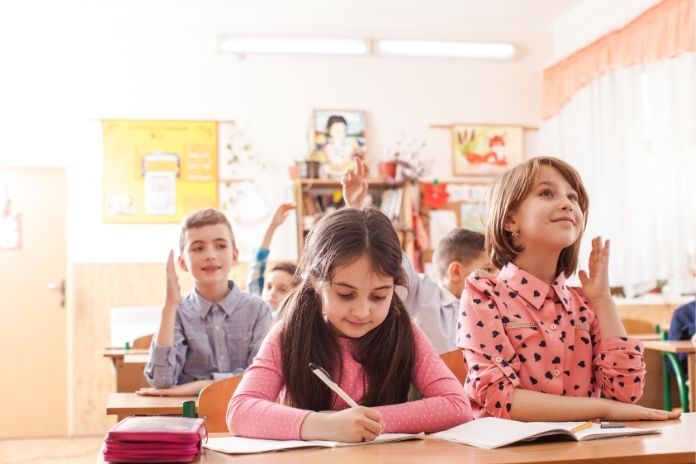
Pushing yourself beyond your comfort zone is one of the most effective ways to spark personal growth and expand your social connections. Stepping into new social environments not only exposes you to diverse perspectives but also creates opportunities for deeper, more meaningful relationships. By actively seeking out these opportunities, you can enhance your life through richer social interactions.
How to Step Out of Your Comfort Zone and Build Connections
- Participate in Activities Aligned with Your Interests: Whether it’s signing up for a class, attending a community event, or volunteering, immersing yourself in activities that match your passions creates natural settings for meeting like-minded people.
- Engage with New People: Don’t be afraid to strike up conversations with unfamiliar faces. Being open to meeting new people and stepping out of your usual social circles can lead to enriching connections.
- Embrace the Unfamiliar: Take a chance on new experiences. Whether it’s joining a book club, attending a networking event, or participating in a local project, pushing yourself to try something different can open doors to relationships and opportunities you might not have anticipated.
The Benefits of Expanding Your Social Horizons
When you make an effort to engage with diverse groups and activities, you not only extend your social horizons but also lay the foundation for relationships that can significantly enhance your well-being. These new interactions can introduce fresh perspectives, provide support, and create lasting bonds that will enrich your life on many levels.
By stepping outside your usual boundaries and engaging with the world around you, you create space for personal growth and the development of meaningful social connections. Whether it’s a shared hobby or an unexpected encounter, these experiences can have a lasting positive impact on your life.
Embracing Virtual Connections

In today’s digital age, technology plays a crucial role in developing social connections that can stretch across physical borders. With the rise of online communities, social media platforms, and virtual support networks, individuals now have the opportunity to interact, share experiences, and build meaningful relationships from the comfort of their own homes.
These digital spaces offer a unique way for people to connect, regardless of location, fostering a sense of belonging and understanding in an increasingly interconnected world.
Benefits of Virtual Connections in a Digital World
- Accessibility: Virtual connections provide easy access to a wide variety of perspectives and experiences. Whether through social media or online groups, people can engage with others from different cultures, backgrounds, and viewpoints, expanding their horizons without leaving their homes.
- Building Communities: Digital platforms make it easier to form communities based on shared interests, values, or experiences. These communities provide emotional support, companionship, and a sense of solidarity, especially for individuals who may feel isolated in their immediate physical surroundings.
- Broader Social Network: Through virtual interactions, individuals can expand their social networks far beyond their immediate geography, allowing them to form deeper, more diverse connections that enrich their lives and improve overall well-being.
Giving Back: The Power of Contribution

Support is at the heart of building and maintaining strong social connections. The exchange of help and care not only enriches the lives of others but also fosters deeper relationships and personal growth. When we give back to our communities or assist others in need, we start a cycle of mutual support that strengthens bonds and cultivates a sense of belonging.
How Contributing to Others Builds Stronger Relationships
- Acts of Kindness: Simple gestures, whether big or small, can have a lasting impact. Offering help, showing appreciation, or even just listening to someone creates a positive exchange that reinforces connections.
- Volunteering: Getting involved in your community or with causes that matter to you doesn’t just benefit those around you; it also enriches your own life, bringing a sense of purpose and fulfillment.
- Helping Others: Whether it’s offering a hand with a project, providing advice, or just being there for someone, contributing in meaningful ways helps nurture relationships and strengthens your social network.
Conclusion
Social relationships are the vibrant threads that weave together the tapestry of our lives. They are more than just nice-to-haves; they’re essential for our physical, mental, and emotional health. In a world that’s increasingly busy and complex, making an intentional effort to build meaningful connections can truly make all the difference.
These relationships act as a support system, helping us navigate life’s ups and downs, offering comfort when things get tough, and contributing to our overall sense of well-being. When we invest in creating and nurturing these bonds, we’re not just building a network of friends or family; we’re fostering resilience. It’s through relationships that we find solace, encouragement, and a sense of belonging.
But it’s not just about being there for others; it’s also about cultivating key qualities like empathy and an openness to different perspectives. Whether it’s engaging in volunteer work or simply showing kindness in everyday interactions, these actions create the foundation for stronger, more meaningful connections.
At the core, the message is clear: make the time and effort to strengthen the relationships that matter most. By doing so, you’re not only enriching your own life, but you’re also creating a ripple effect of positivity and connection that can spread to others. A life filled with strong, supportive relationships isn’t just more fulfilling, it’s more meaningful, too.
References
- https://www.betterhealth.vic.gov.au/health/healthyliving/Strong-relationships-strong-health
- https://www.ncbi.nlm.nih.gov/pmc/articles/PMC6125010/
- https://www.cdc.gov/emotional-wellbeing/social-connectedness/affect-health.htm
- https://www.familychiroplus.com/the-importance-of-social-interaction-and-friendship
- https://theeverygirl.com/quality-over-quantity-in-friendships/
- https://fastercapital.com/topics/the-importance-of-quality-over-quantity-when-it-comes-to-your-network.html
- https://medium.com/@soul-facts/the-role-of-empathy-in-building-strong-connections-5293c87c6331
- https://www.sciencedirect.com/science/article/pii/S0960982214007702
- https://www.masterscounselling.com/what-is-empathy-and-how-can-it-benefit-my-relationships
- https://www.ncbi.nlm.nih.gov/pmc/articles/PMC9459360/
- https://www.verywellmind.com/why-it-s-important-to-diversify-your-friendships-5072980
- https://faculty.tuck.dartmouth.edu/images/uploads/faculty/adam-kleinbaum/CulturalDiversity.pdf
- https://inclusiveamerica.org/why-diversity-is-important/
- https://www.cdc.gov/emotional-wellbeing/social-connectedness/ways-to-improve.htm
- https://wastatedes.medium.com/steps-to-build-and-strengthen-social-connections-at-work-a2abb34941ea
- https://caps.ucsc.edu/resources/building-social-networks.pdf
- https://www.dhs.gov/employee-resources/news/2022/09/20/strengthen-family-relationships
- https://www.scienceofpeople.com/how-to-connect-with-others/
- https://medium.com/mind-cafe/how-to-create-a-meaningful-connection-with-almost-anyone-770598a7d665
- https://www.huffpost.com/archive/ca/entry/reading-outside-comfort-zone_ca_5e160707c5b6c7b859d443a0
- https://www.catholiccentral.net/news/latest-news/~board/news/post/benefits-of-stepping-outside-your-comfort-zone-and-how-to-do-it
- https://hbr.org/2013/12/get-out-of-your-comfort-zone-a-guide-for-the-terrified
- https://www.ncbi.nlm.nih.gov/books/NBK563112/
- https://care-clinics.com/how-technology-affects-family-dynamics-and-social-development/
- https://www.ncbi.nlm.nih.gov/pmc/articles/PMC5954608/
- https://www.pnas.org/doi/10.1073/pnas.2024770118
- https://www.allohealth.care/healthfeed/sex-education/reciprocal-relationship
- https://www.ncbi.nlm.nih.gov/pmc/articles/PMC7914432
In this Article