














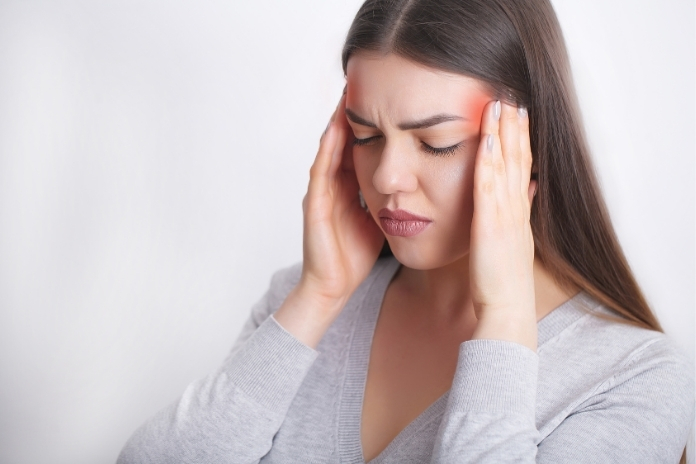
When a headache hits, it can disrupt everything, from your focus at work to your ability to enjoy everyday life. But not all headaches are created equal. While many people casually use the term “headache” to describe any pain in the head, there are distinct types, and two of the most common are tension headaches and migraines.
Understanding the difference between these two is crucial. They may share some overlapping symptoms, but their intensity, underlying causes, triggers, and treatments are quite different. Mistaking one for the other can lead to ineffective management and unnecessary suffering.
Tension headaches are often described as a dull, steady pressure or tightness around the head, like a band being squeezed. Migraines, on the other hand, tend to be more severe and throbbing, often accompanied by nausea, visual disturbances, or sensitivity to light and sound.
This guide breaks down the key differences between tension headaches and migraines, helping you pinpoint which type you’re experiencing, what may be triggering it, how to treat it effectively, and when it’s time to seek medical advice. The better you understand your headaches, the better you can control them, rather than letting them control you.
What Are Tension Headaches?

Tension headaches, often referred to as stress headaches, are the most common type of headache experienced by people of all ages. They’re typically triggered by stress, anxiety, muscle tension, poor posture, or long hours at a computer or desk.
Unlike migraines, which can be debilitating and come with intense symptoms, tension headaches tend to be milder and more manageable, though they can still significantly affect quality of life, especially when frequent or chronic.
What Do Tension Headaches Feel Like?
- Dull, aching pressure rather than sharp or throbbing pain.
- Described as a tight band or a feeling of heaviness wrapped around the forehead, temples, or the back of the head.
- Mild to moderate intensity, rarely severe enough to interfere with daily activities.
- Bilateral pain, meaning it typically affects both sides of the head equally.
- May come with tenderness or stiffness in the neck, shoulders, or scalp, especially if caused by muscle strain or tension.
- No nausea, vomiting, or sensitivity to light or sound, which distinguishes them from migraines.
- Physical activity does not worsen symptoms, so light movement or walking usually doesn’t make the headache feel worse.
Tension headaches can last anywhere from 30 minutes to several hours, and in some cases, may persist for days, especially if stress or poor posture continues. While they’re usually occasional, some people experience them more than 15 days a month, a condition known as chronic tension-type headache.
Understanding the specific sensations and patterns of tension headaches can help you identify them quickly and manage them with appropriate self-care, stress reduction, and, if needed, medications like acetaminophen or ibuprofen.
According to a study published in 2007 in the journal Cephalalgia, tension-type headaches are the most common form of headache globally, affecting approximately 42% of the world’s population. The study linked these headaches to stress, fatigue, and musculoskeletal strain, factors that are especially prevalent in desk-bound and high-pressure work environments.
What Are Migraines?

Migraines are a complex neurological disorder that goes far beyond just a “bad headache.” They involve a cascade of brain and nervous system changes that can cause debilitating head pain along with a range of physical, sensory, and even cognitive symptoms.
Migraines can significantly impact daily life, with attacks lasting from a few hours to several days if untreated.
What Do Migraines Feel Like?
- Moderate to severe pain, often described as throbbing, pounding, or pulsating.
- Typically unilateral (affecting one side of the head), though the pain can shift sides or affect both sides in some cases.
- Pain is often worsened by movement, making even simple activities like walking or bending over feel intolerable.
- Accompanied by nausea and/or vomiting, especially during more severe episodes.
- Heightened sensitivity to light, sound, and smell, many people need to rest in a dark, quiet room.
- In migraine with aura, people may experience visual disturbances (flashing lights, zigzag patterns, blind spots), tingling sensations, or speech difficulties that occur 20–60 minutes before the headache starts.
Migraines tend to follow a predictable pattern in some individuals, involving prodrome symptoms (like mood changes or fatigue), followed by the aura (if present), the headache phase, and a postdrome “hangover” phase, where fatigue, confusion, or weakness may linger after the pain subsides.
Migraine attacks can be episodic (fewer than 15 days a month) or chronic (15 or more headache days per month for three months). They can be triggered by hormonal changes, lack of sleep, certain foods, weather shifts, or stress.
Because migraines involve the nervous system and often require more than over-the-counter pain relief, identifying them early and working with a healthcare provider on prevention and treatment strategies can make a huge difference in quality of life.
Tension Headache vs Migraine Symptoms: A Side-by-Side Breakdown
Telling a tension headache apart from a migraine isn’t always easy, especially since both can cause significant discomfort. But understanding the key symptom differences can help you choose the right treatment and know when it’s time to see a doctor.
Below is a detailed comparison of how the symptoms of tension headaches and migraines stack up:
 If your headache feels like a tight band around your head with no nausea or light sensitivity, it’s likely a tension headache. If it’s throbbing, one-sided, and comes with nausea, sensitivity to light, or an aura, you’re probably dealing with a migraine.
Understanding these differences can guide your treatment choices, from hydration and rest for tension headaches to migraine-specific medications and preventative strategies for more complex cases.
What Causes Tension Headaches vs Migraines?
Although tension headaches and migraines can both disrupt your day, they stem from different causes, and understanding those root triggers can help you prevent and manage them more effectively.
Causes of Tension Headaches
Tension headaches are usually a response to physical or emotional strain. They develop gradually and are often tied to daily habits or lifestyle stressors rather than deeper neurological issues.
Common triggers include:
- Emotional stress: Work pressure, anxiety, and emotional tension can cause your muscles, especially around the neck and scalp, to tighten, triggering a headache.
- Muscle tension: Poor posture while sitting at a desk, hunching over your phone, or clenching your jaw during sleep can strain muscles and lead to tension headaches.
- Eye strain: Staring at a screen for long periods without breaks can fatigue the muscles around your eyes and head.
- Fatigue and poor sleep: Lack of restorative sleep or exhaustion can leave your body more vulnerable to tension-type pain.
- Dehydration: Even mild dehydration reduces blood volume and flow to the brain, which may contribute to headache development.
These headaches are more likely to appear during or after long periods of stress or strain, making them common at the end of a workday.
Causes of Migraines
Migraines are more complex. They’re believed to involve a combination of genetic predisposition, neurological hypersensitivity, and triggers that disturb brain chemistry, particularly involving serotonin and other neurotransmitters.
Common migraine triggers include:
- Hormonal fluctuations: Estrogen changes during menstruation, pregnancy, or menopause are major migraine triggers in many women.
- Dietary factors: Certain foods and additives, such as aged cheese, chocolate, red wine, processed meats (with nitrates), MSG, or sudden caffeine withdrawal, can set off migraines.
- Sensory overload: Bright lights, strong odors, or loud environments can overwhelm a migraine-prone nervous system.
- Stress and post-stress let-down: Both high stress and the sudden relaxation that follows can lead to migraine onset.
- Weather and environmental changes: Shifts in barometric pressure or humidity are known triggers for many suffering from migraine.
- Sleep disruptions: Inconsistent sleep schedules, either too much or too little, can increase migraine risk.
- Genetics: Migraines often run in families, suggesting an inherited tendency to develop the condition.
Migraines tend to have a clear pattern or cycle, and many people learn to identify their personal triggers over time.
While tension headaches usually result from external stress and physical strain, migraines are more often a result of internal neurological sensitivity, influenced by hormones, diet, and genetics. Recognizing which type you experience is the first step to effective prevention and treatment.
Read More: Vitamin Deficiencies Could Be A Reason Behind Migraine, Study Suggests
How Long Do Tension Headaches vs Migraines Last?
Tension headaches typically last from 30 minutes to several hours, but in some people, they can persist for days, especially if stress or tension continues.
Migraines, on the other hand, usually last 4 to 72 hours if untreated. The pain may intensify over hours, peak, and then gradually fade, sometimes leaving you feeling drained during the “postdrome” phase.
Treatment Options for Tension Headaches vs Migraines

Effectively managing headaches starts with knowing what kind you have. Since tension headaches and migraines have different causes, their treatment plans also differ. Here’s a detailed comparison to help you understand which strategies work best for each.
Treating Tension Headaches
Occasional tension headaches, the kind many people get from stress or muscle strain, can usually be managed at home with simple remedies:
- Over-the-counter (OTC) pain relievers: Medications like ibuprofen, acetaminophen, or aspirin can provide quick relief. However, they work best when taken early in the headache.
- Relaxation techniques: Practices like deep breathing, mindfulness meditation, progressive muscle relaxation, or yoga help release mental and physical tension that fuels headaches.
- Massage or physical therapy: A gentle massage, especially of the neck and shoulders, can relieve built-up muscle tightness. Physical therapy may be recommended for posture correction and long-term relief.
- Hot or cold therapy: A warm compress can ease muscle tension, while a cold pack may reduce pain signals to the brain.
For chronic tension-type headaches (those occurring 15+ days per month), medical intervention may be necessary:
- Prescription medications: Doctors might prescribe low-dose tricyclic antidepressants (such as amitriptyline) to prevent daily headaches. These don’t work like traditional antidepressants; instead, they reduce pain sensitivity over time.
- Lifestyle changes: Managing stress, improving sleep hygiene, staying hydrated, and taking frequent screen breaks can make a significant difference.
Read More: Tackle Tension Headaches: 5 Tension-Relief Devices for Stress-Free Living
Treating Migraines
Because migraines are more intense and complex, treatment typically includes both acute (as-needed) and preventive (ongoing) approaches.
Acute migraine treatments focus on stopping or reducing symptoms during an attack:
- OTC pain relievers: Medications like acetaminophen or NSAIDs (ibuprofen, naproxen) may help if taken early in the attack, but aren’t always enough for moderate to severe migraines.
- Triptans: Prescription drugs such as sumatriptan, rizatriptan, or eletriptan are commonly used to stop a migraine in progress by narrowing blood vessels and blocking pain pathways in the brain.
- Antiemetics: If your migraines come with nausea or vomiting, medications like metoclopramide or ondansetron can help manage those symptoms.
Preventive treatments are for people who experience frequent or severe migraines:
- Daily prescription medications: These include beta-blockers (like propranolol), certain antidepressants (amitriptyline or venlafaxine), anti-seizure drugs (like topiramate), or newer CGRP inhibitors (like erenumab or fremanezumab).
- Neuromodulation devices: These wearable, non-invasive tools use electrical or magnetic pulses to stimulate nerves and reduce migraine frequency. Some are FDA-approved for use at home.
- Lifestyle modifications: Regular exercise, consistent sleep schedules, a balanced diet, hydration, and identifying and avoiding personal migraine triggers, all play a major role in long-term control.
While tension headaches often respond well to rest, relaxation, and simple pain relievers, migraines usually require more targeted treatment. If you’re unsure what kind of headache you’re experiencing or if your headaches are becoming frequent or disabling, speak to a doctor. The right treatment plan can bring lasting relief and dramatically improve your quality of life.
Read More: 10 Best Migraine Relief Devices: From Cold Caps to Massage Tools
When to See a Doctor for Your Headaches
Most headaches are harmless, but certain signs mean it’s time to seek urgent medical attention:
Call 911 or go to the ER immediately if you have:
- Sudden, severe headache (“worst headache of your life”).
- Headache with confusion, weakness, vision loss, or trouble speaking.
- Headache after a head injury.
- Headache with neck stiffness, fever, or rash (possible signs of meningitis).
Make an appointment with your doctor if you have:
- Headaches occur more than twice a week.
- Headaches that keep getting worse or changing in pattern.
- Headaches that don’t improve with OTC medications.
- Headaches disrupt work, school, or daily life.
How to Prevent Tension Headaches and Migraines

While it’s not always possible to avoid every headache, adopting a proactive lifestyle can significantly reduce their frequency and severity. Whether you suffer from tension headaches, migraines, or both, these science-backed strategies can help:
- Keep a headache diary: Track when headaches occur, what you ate, your sleep, stress, and activities. Identifying patterns can help you avoid common triggers.
- Stick to a routine: Maintain consistent sleep and meal schedules. Skipping meals or staying up late can trigger both tension headaches and migraines.
- Stay hydrated: Drink plenty of water throughout the day. Dehydration is a frequent but overlooked trigger.
- Exercise regularly: Low-impact activities like walking, stretching, or yoga can relieve stress and improve blood flow, reducing headache risk.
- Manage stress: Use relaxation techniques like deep breathing, mindfulness, or meditation. Stress is one of the most common triggers for both types.
- Improve posture: Adjust your desk, chair, and screen height to reduce neck and shoulder tension, especially if you work long hours at a desk.
- Consider preventive medications: If you have frequent migraines, talk to your doctor about daily medications that can reduce the severity and frequency.
Prevention takes consistency. By combining lifestyle changes with medical support when needed, you can gain better control over your headaches and improve your overall well-being in the process.
Conclusion
Recognizing whether you’re dealing with a tension headache or a migraine is more than just labeling pain; it’s the first step toward lasting relief. Tension headaches often stem from stress, poor posture, or muscle tightness and bring a dull, steady discomfort. Migraines, on the other hand, are a neurological storm, marked by throbbing pain, nausea, and heightened sensitivity to light or sound.
Both can disrupt your life, but with the right knowledge, they don’t have to control it. Identifying your triggers, adjusting your lifestyle, and exploring treatment options, whether over-the-counter remedies or preventive care, can dramatically reduce both frequency and intensity.
If headaches are becoming a regular obstacle, listen to your body. A proper diagnosis and a personalized approach can make the difference between surviving your day and actually enjoying it.
References
- https://www.mayoclinic.org/diseases-conditions/tension-headache/symptoms-causes/syc-20353977
- https://medlineplus.gov/ency/article/000797.htm
- https://my.clevelandclinic.org/health/diseases/8257-tension-headaches
- https://www.nhs.uk/conditions/tension-headaches
- https://www.ncbi.nlm.nih.gov/books/NBK562274
- https://www.hopkinsmedicine.org/health/conditions-and-diseases/headache/tension-headaches
- https://en.wikipedia.org/wiki/Tension_headache
- https://www.healthdirect.gov.au/tension-headache
- https://www.physio-pedia.com/Tension_Headaches
- https://www.webmd.com/migraines-headaches/migraine-vs-tension-headache
- https://www.nhsinform.scot/illnesses-and-conditions/brain-nerves-and-spinal-cord/headaches/
- https://www.hopkinsmedicine.org/health/conditions-and-diseases/headache/migraine-headaches
- https://www.health.harvard.edu/a_to_z/tension-headache-a-to-z
- https://www.healthhub.sg/a-z/diseases-and-conditions/headache-and-migraine
In this Article