












Embracing a healthy self-image isn’t always easy. It often means facing personal insecurities and pushing back against the unrealistic standards that society constantly throws at us. For many, this journey can feel overwhelming, but that’s where the concept of body neutrality comes in. Unlike body positivity, which encourages loving every part of your appearance, body neutrality focuses more on simply accepting your body as it is, without judgment or obsession. It’s about shifting the spotlight from how you look to what your body does for you.
This mindset can be incredibly freeing. Instead of constantly feeling pressured to meet certain beauty standards or pretend you love every aspect of your body, body neutrality gives you permission to just exist in your body and appreciate it for its functionality, like walking, breathing, hugging someone you love, or simply getting you through the day. It encourages a more grounded, compassionate relationship with yourself, especially on days when self-love feels out of reach.
At its core, body neutrality promotes a deeper kind of self-acceptance. It moves us toward a more sustainable and emotionally healthy outlook, where we can stop fixating on our appearance and start focusing on our overall well-being. As this approach gains momentum, it’s opening up space for more honest, kind, and balanced conversations about how we view and treat our bodies.
Self-Reflection

Before you can truly shift how you feel about your body, it’s important to first understand where your current perceptions come from. Self-reflection is a valuable tool in that process. Taking time to pause and examine your thoughts can help uncover deep-rooted beliefs that may be shaping your body image, often without you even realizing it.
When you become aware of the internal narratives you hold, you begin to create space for change. This kind of reflection isn’t always easy, but it’s a powerful step toward building a more accepting, balanced, and honest relationship with your body.
Why Self-Reflection Matters
Self-reflection goes beyond surface-level thinking. It helps you become more conscious of your automatic reactions, patterns, and beliefs about your body and your self-worth.
Key benefits of practicing self-reflection:
- Brings awareness to how societal or personal standards may be influencing your self-image.
- Identifies negative thought patterns that may be impacting your confidence.
- Creates space for a more intentional, compassionate perspective toward your body.
By shining a light on your inner dialogue, you give yourself the opportunity to rewrite it.
Steps Toward a More Neutral and Supportive Body Perspective
The goal isn’t to go from self-criticism to full-on body love overnight. Instead, body neutrality encourages a steady, realistic shift—one that allows you to coexist with your body without constant judgment.
Ways to begin your self-reflective journey:
- Ask yourself honest questions: How do I feel about my body today? Where did these thoughts come from?
- Notice patterns: Are there certain situations, people, or media that trigger negative self-talk?
- Challenge unhelpful beliefs: Is it true that my worth is tied to how I look? What else defines me?
This kind of reflection allows you to separate your self-worth from appearance and recognize the value of your body for more than how it looks.
Moving Toward Self-Acceptance Through Awareness
The ultimate goal of self-reflection isn’t just awareness—it’s growth. As you observe your thoughts and gently challenge them, you’ll begin to shift your mindset. Body neutrality becomes more attainable when you stop fighting your body and start treating it with the respect and care it deserves.
What this mindset shift can lead to:
- A more peaceful daily experience in your body.
- Less pressure to constantly measure up to beauty standards.
- A growing sense of appreciation for your body’s role in your life.
Through honest reflection and small, consistent changes, you can move toward a more balanced, kind, and realistic connection with your body—one that supports both mental well-being and self-compassion.
Read More: Embracing Imperfection: The Beauty of Self-Acceptance and Authenticity
Shifting Focus from Appearance
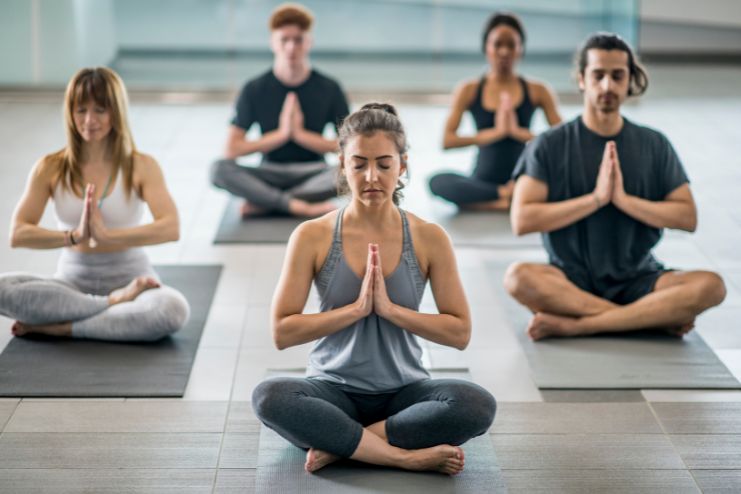
In a world that often emphasizes how we look over how we feel, it’s easy to fall into the trap of appearance-focused thinking. But constantly scrutinizing your physical appearance can narrow your perspective and leave you feeling drained, insecure, and disconnected from your body. This mindset, over time, can erode self-esteem and foster an unhealthy obsession with perfection.
To create a healthier relationship with your body, it’s worth stepping back and reconsidering where your focus lies—and more importantly, where it could lie instead.
Why It’s Time to Shift Your Focus
Focusing solely on appearance can lead to a distorted view of yourself—one that overlooks the real strength and capabilities your body offers.
Here’s what appearance-based thinking tends to lead to:
- Persistent self-comparison that reinforces insecurities.
- A limited sense of self-worth based on physical features.
- Neglect of deeper needs like emotional balance, physical health, and inner confidence.
Reframing the way you view your body opens the door to more meaningful and fulfilling experiences.
What to Focus on Instead: Function, Strength, and Health
Your body is so much more than something to look at—it’s your constant companion, carrying you through life’s highs and lows. Shifting your mindset from how your body looks to what it does can be a powerful step toward self-acceptance and long-term well-being.
Here are practical ways to make that shift:
- Appreciate your body’s resilience: Think about everything it helps you do—from healing after an illness to carrying you through tough days.
- Celebrate function over form: Focus on the strength in your legs, the steadiness in your hands, the clarity of your breath—simple things that make a big impact.
- Choose activities that promote health, not aesthetics: Exercise, eat, and rest in ways that make you feel strong, energized, and well, not just to change how you look.
This kind of intentional shift can help you step off the never-ending treadmill of appearance obsession.
The Bigger Picture: Embracing a Holistic View of Your Body
When you look at your body through the lens of functionality and overall wellness, you start to build a relationship based on appreciation and care, not criticism. This is where body neutrality begins to take root.
Benefits of adopting a more holistic view:
- You free yourself from the constant pressure to meet ever-changing beauty standards.
- You develop deeper self-respect based on your body’s real value.
- You create a mindset that supports physical, emotional, and mental health.
Read More: Best Mindfulness Journals for Anxiety and Self-Reflection
Gratitude for Your Body

Gratitude is more than just a feel-good habit—it can be a powerful mindset shift, especially when it comes to how you relate to your body. Instead of focusing on how your body looks, try pausing to reflect on what it does for you each day. From breathing and walking to healing and carrying you through life’s moments, your body is constantly working on your behalf.
By recognizing and appreciating your body’s capabilities, you create space for a more compassionate and balanced perspective—one that aligns beautifully with the principles of body neutrality.
Why Gratitude Toward Your Body Matters
It’s easy to take your body for granted, especially in a culture that often highlights flaws over function. Practicing gratitude helps counter that, shifting your mindset away from criticism and toward appreciation.
Key reasons to embrace body-focused gratitude:
- It reinforces your body’s intrinsic value, beyond appearance.
- It highlights your body’s strength, resilience, and adaptability.
- It encourages self-respect and deepens the mind-body connection.
This kind of gratitude isn’t about ignoring challenges—it’s about choosing to recognize what’s already working in your favor.
How to Start a Gratitude Practice for Your Body
You don’t need a complex ritual to start. A few quiet moments of reflection or simple daily habits can help you build a more grateful, respectful relationship with your body.
Try these simple ways to practice gratitude:
- Reflect on daily functions: Consider what your body helps you do each day—walking, speaking, digesting food, experiencing emotions, or even just getting you out of bed.
- Write it down: Keep a gratitude journal where you note one thing you’re thankful for about your body each day.
- Say it out loud: Practice speaking kindly to your body—“Thank you for getting me through today,” or “I appreciate how strong my legs are.”
- Use movement as appreciation: Exercise or stretch not just to change your body, but as a way to say thank you for all it allows you to experience.
Small, consistent expressions of gratitude can gradually shift how you perceive your body, making space for appreciation rather than pressure.
The Link Between Gratitude and Body Neutrality
Practicing gratitude doesn’t mean you need to feel constant love or admiration for every part of your body. Instead, it allows you to acknowledge your body’s value, even on days when you’re not feeling your best. That’s exactly what body neutrality is about—moving away from extremes and finding a grounded, respectful middle ground.
Benefits of merging gratitude with body neutrality:
- Promotes healthier self-esteem and mental clarity.
- Reduces appearance-based anxiety or negative self-talk.
- Supports emotional resilience and long-term well-being.
Read More: 25 Amazing Self Care Tips To Love Yourself Better!
Positive Affirmations

Affirmations are a simple but powerful tool that can transform how we think about ourselves, especially when it comes to our bodies. Rather than focusing on external appearance, affirmations help shift our mindset to embrace the intrinsic value of our bodies. By repeating positive affirmations regularly, you can reshape your self-perception, leading to a healthier, more neutral view of your body.
The Role of Affirmations in Shifting Thought Patterns
Positive affirmations are more than just feel-good statements—they’re a way to reprogram negative thought patterns that can lead to insecurity or dissatisfaction with your body. When used consistently, they can help foster a mindset that appreciates your body’s strength, functionality, and resilience.
Why affirmations work:
- They challenge and counter negative self-talk, replacing it with positive beliefs.
- They help break the cycle of comparison to societal beauty standards.
- They encourage self-acceptance and appreciation for your body’s unique capabilities.
Incorporating affirmations into your daily routine can slowly shift your perspective, leading you to a more balanced and accepting relationship with your body.
Choosing Affirmations That Support Body Neutrality
When practicing body neutrality through affirmations, it’s important to focus on statements that highlight your body’s strength and functionality rather than its appearance. These affirmations should inspire respect for your body’s abilities and encourage a mindset of acceptance.
Here are some examples of body-neutral affirmations to try:
- “I celebrate the strength and resilience within me.”
- “My body is capable and worthy of appreciation.”
- “I honor my body for its unique abilities and contributions.”
- “I am grateful for how my body allows me to experience the world.”
- “I choose to appreciate my body for its function, not just its form.”
These affirmations are designed to reinforce a mindset that moves beyond beauty standards, focusing on the value of the body as a whole, not just its appearance.
Incorporating Affirmations into Your Daily Practice
The more you incorporate body-neutral affirmations into your daily routine, the more natural and ingrained they will become in your thought patterns. Repeating these affirmations each day can gradually shift your internal dialogue and help you develop a more compassionate, balanced relationship with your body.
Tips for making affirmations a daily practice:
- Start your day with a positive affirmation: Begin each morning by repeating your affirmations aloud or silently to set a positive tone for the day.
- Write them down: Keep a journal where you write your affirmations daily. Writing them can make them feel more personal and meaningful.
- Use reminders: Post your affirmations where you can see them—on mirrors, in your planner, or on your phone. Visual cues help reinforce positive thoughts throughout the day.
- Repeat them often: The key is repetition. Make your affirmations a habit, even if it’s just for a minute or two each day.
Adopting a practice of positive affirmations is an impactful way to foster body neutrality. With regular use, these affirmations can shift your focus from external pressures to internal appreciation, encouraging a healthier and more balanced self-image.
Surrounding Yourself with Positivity

Our social environment plays a significant role in shaping how we perceive and value our bodies. From family members and friends to media and online communities, the messages we receive can heavily influence our self-image. Recognizing the impact of these external factors is a key step in developing a healthier and more balanced relationship with your body.
It’s essential to understand that social pressures—whether intentional or not—can sometimes distort our views on what constitutes worth or beauty. However, we have the power to create a support system that encourages body neutrality, which focuses on acceptance and valuing the functionality of our bodies, rather than just their appearance.
Building a Positive Support Network
Surrounding yourself with people and communities that support body neutrality can be transformative in shifting your mindset. When you’re part of a group that emphasizes acceptance over appearance, it becomes easier to embrace a healthier perspective on your own body.
Steps to foster a body-neutral environment:
- Look for groups or individuals who prioritize body acceptance and function. These communities can help reinforce a positive, inclusive attitude.
- Seek out friends and acquaintances who encourage and respect your unique body journey. A support network that celebrates diversity can provide emotional strength when facing societal pressures.
- Follow social media accounts, blogs, or forums that promote body neutrality, inclusivity, and well-being. Consuming content that aligns with your values can be uplifting and reaffirming.
Being in a positive and supportive environment not only helps reduce the influence of societal beauty standards but also makes it easier to practice self-acceptance and appreciate your body for its purpose and abilities.
Creating Empowering Connections
By surrounding yourself with positive, like-minded people who understand and support body neutrality, you are creating a safe space to explore and strengthen your own self-perception. The more you engage with people who acknowledge the importance of well-being over appearance, the more likely you are to develop a balanced and empowered view of yourself.
Why empowering connections matter:
- Positive reinforcement: Having friends and peers who practice body neutrality can act as a powerful reinforcement, making it easier for you to shift your own mindset.
- Encouragement of self-love: A supportive network promotes self-acceptance, which in turn reduces the pressure to conform to external standards.
- Safe spaces for growth: Connecting with others who share similar values helps foster a sense of belonging and security, allowing you to confidently explore and challenge societal norms.
In summary, your social surroundings have a considerable impact on your body perception, but by intentionally creating a supportive network that aligns with body neutrality, you can foster a more empowering and positive relationship with your body. Surrounding yourself with individuals who promote self-acceptance and body positivity can make it easier to embrace your body as it is, focusing on its functionality and well-being rather than its appearance.
Celebrating Non-Appearance Achievements

In developing a positive self-image, it’s essential to move the focus away from outward appearances and direct it toward your personal achievements. Society often places excessive value on how we look, but a true sense of self-worth goes beyond just the surface. By recognizing and appreciating accomplishments unrelated to appearance, you create a more solid foundation for self-esteem.
Focusing on your achievements—whether they are small or significant—helps you build a more meaningful connection with yourself. This shift in mindset not only supports body neutrality but also nurtures a healthier, more balanced self-image. Rather than seeking validation through beauty standards, you begin to value your personal growth and strengths, fostering deeper self-acceptance.
Celebrating Your Non-Appearance Achievements
Your accomplishments are not defined by your appearance. In fact, some of the most powerful forms of self-worth come from personal growth, the completion of difficult tasks, and the development of meaningful relationships. Focusing on these aspects encourages a more profound and positive connection with yourself.
Examples of non-appearance-based achievements:
- Building meaningful connections: Strengthening relationships with friends, family, and colleagues can give you a sense of accomplishment that has nothing to do with how you look.
- Learning new skills: Whether it’s mastering a musical instrument, learning a new language, or acquiring a professional skill, personal growth through learning builds self-esteem.
- Completing challenging projects: Successfully finishing a difficult project at work, school, or in personal life boosts confidence and reinforces a sense of accomplishment.
- Overcoming obstacles: Facing and conquering challenges—whether physical, emotional, or intellectual—strengthens your sense of resilience and self-worth.
These non-appearance-based victories reflect the depth of your character and abilities, laying the groundwork for a positive and healthy self-image.
The Role of Accomplishments in Body Neutrality
By shifting the focus from physical appearance to personal achievements, you naturally support the principles of body neutrality. This mindset emphasizes acceptance and appreciation of your body for its functionality, rather than for how it looks. When you recognize the value of what you accomplish, not how you appear while doing it, you create a stronger, more positive relationship with yourself.
How does this shift support body neutrality?
- Focus on function over form: Acknowledging your body’s capabilities and achievements promotes self-acceptance, rather than striving to meet external beauty standards.
- Builds internal validation: When your self-worth comes from your actions and growth, rather than external approval, you develop a healthier, more sustainable self-esteem.
- Encourages holistic self-appreciation: By valuing all parts of yourself—mind, body, and spirit—you foster a more balanced and compassionate self-image.
Celebrating your accomplishments, regardless of their relation to appearance, empowers you to appreciate your body for its strength, resilience, and the many ways it helps you thrive. This approach contributes to long-term well-being and reinforces body neutrality, making it easier to value who you are on the inside and out.
Daily Acts of Self-Care

Incorporating simple yet effective self-care practices into your daily routine is a great way to support body neutrality. Self-care isn’t just about pampering yourself; it’s about prioritizing your health, well-being, and self-compassion. When you shift the focus from striving for an ideal appearance to caring for your body’s needs, you nurture a healthier, more balanced relationship with yourself.
By focusing on activities that promote physical and mental health, rather than merely aesthetics, you demonstrate respect for your body. These practices not only support body neutrality but also help cultivate a sense of gratitude and acceptance for what your body does for you every day. The key is to engage in self-care that feels good, both in the moment and in the long run, reinforcing your commitment to overall wellness.
Simple Self-Care Practices to Support Body Neutrality
Many easy-to-implement self-care habits can foster a body-neutral mindset. The goal is to focus on health and emotional well-being rather than external appearance. Here are a few practical practices you can incorporate into your daily routine:
1. Mindful Breathing: Taking a few moments each day to practice deep, mindful breathing helps reduce stress, improve mental clarity, and reconnect you with your body’s natural rhythms. This practice shifts the focus from how your body looks to how it feels, promoting relaxation and inner peace.
2. Nutritious Eating: Eating a balanced, nutrient-rich diet supports your body’s function, energy levels, and emotional health. Rather than eating for appearance’s sake, focus on fueling your body with the vitamins and minerals it needs to thrive.
3. Engaging in Enjoyable Activities: Doing things that make you happy, whether it’s pursuing a hobby, spending time with loved ones, or simply relaxing, boosts your emotional health. When you prioritize joy, you foster a healthy, positive relationship with your body, reinforcing its value beyond physical appearance.
4. Prioritize Rest and Recovery: Getting enough sleep and taking time to rest is essential for maintaining both physical and mental well-being. Adequate rest not only helps your body recharge but also gives you the space to cultivate self-compassion.
The Role of Self-Compassion in Body Neutrality
Making self-care a consistent priority demonstrates your recognition of your body’s needs and your commitment to its overall health. When you approach your body with compassion—honoring its limits, nurturing it with healthy habits, and accepting its imperfections—you promote a sense of body neutrality. This attitude shifts your focus from external validation to internal well-being, encouraging a more supportive, realistic view of yourself.
By embedding self-compassion and holistic care into your routine, you create an environment that fosters a grateful and balanced attitude toward your body. Rather than striving for unattainable standards, you begin to see your body for what it truly is: a resilient, hardworking vessel that deserves care, attention, and respect. Over time, this approach will not only support body neutrality but also cultivate a deeper sense of peace and self-acceptance.
Conclusion
To truly embrace body neutrality and build a positive self-image, it all starts with a little introspection. Take some time to reflect on how you currently feel about your body and the impact that constant focus on appearance has on your mindset. This process will help you recognize any unhealthy patterns you might be following and understand how shifting your perspective can lead to a healthier, more balanced view of yourself.
Affirmations can be a game-changer in this journey. By consciously choosing positive words that celebrate your body’s strength, resilience, and uniqueness, you can reframe your internal dialogue. Phrases like “I am grateful for my body’s abilities” or “I embrace my body as it is” can help shift your thinking from societal ideals to personal acceptance.
Finally, recognize and celebrate achievements that have nothing to do with how you look. Focusing on your accomplishments—whether it’s completing a project, learning a new skill, or building deeper connections—will help you redefine your self-worth beyond physical appearance. Make self-care a priority, from mindful breathing to nourishing your body with good food, and you’ll foster a holistic sense of well-being.
By weaving these steps into your daily routine, you’ll not only create a more compassionate relationship with your body but also set yourself on a path toward greater self-acceptance and overall happiness.
References
- https://medium.com/lampshade-of-illumination/the-role-of-self-reflection-in-personal-growth-and-transformation-cf9f75a1fa64
- https://mindfulhealthsolutions.com/unlock-the-power-of-reflection-and-set-powerful-mental-health-goals/
- https://saliencehealth.com/the-power-of-self-care/
- https://wellbeingtrust.org/bewell/10-ways-to-practice-body-positivity/
- https://www.cci.health.wa.gov.au/~/media/CCI/Consumer-Modules/Caring-Less-About-Your-Looks/Module-3-Appearance-Focused-Attention.pdf
- https://www.thisislivingwithcancer.com/content/five-tips-create-wellness-focused-mind-and-body
- https://www.nhs.uk/mental-health/self-help/guides-tools-and-activities/five-steps-to-mental-wellbeing/
- https://www.mayoclinichealthsystem.org/hometown-health/speaking-of-health/can-expressing-gratitude-improve-health
- https://www.helpguide.org/articles/mental-health/gratitude.htm
- https://theembracehub.com/education-hub-appreciate-your-body-13-year-old/
- https://nutritionbykristin.com/body-appreciation-guide-to-cultivating-body-gratitude/
- https://time.com/6279423/body-positivity-vs-neutrality/
- https://counselingwellnesspgh.com/positive-affirmations-for-the-new-year-try-neutral-affirmations-instead/
- https://withinhealth.com/learn/articles/body-neutral-affirmations
- https://positiveaffirmationscenter.com/affirmations-for-body-positivity/
- https://www.ualberta.ca/human-resources-health-safety-environment/news/2022/01-january/february-2022-life-lines.html
- https://www.mentalhealth.org.uk/explore-mental-health/articles/body-image-report-executive-summary
- https://pubmed.ncbi.nlm.nih.gov/32777941/
- https://fastercapital.com/topics/the-importance-of-recognizing-your-achievements.html
- https://my.clevelandclinic.org/health/articles/12942-fostering-a-positive-self-image
- https://www.wfla.com/bloom-tampa-bay/the-role-of-self-esteem-in-achieving-success/
- https://www.healthshots.com/how-to/how-to-practice-body-neutrality/
- https://www.healthline.com/health/body-neutrality
- https://www.everydayhealth.com/emotional-health/ways-to-practice-body-neutrality/
- https://www.verywellmind.com/how-to-practice-body-neutrality-5120914
In this Article