













Stress has become an unwelcome companion in our daily lives, lingering like an uninvited guest that refuses to leave. Between demanding work schedules, complex relationships, and the constant buzz of digital noise, feeling overwhelmed has become the norm rather than the exception.
When traditional stress-management methods fall short, it’s time to explore innovative approaches that can offer genuine relief.
This article serves as your guide to six unconventional yet effective stress-relief techniques that can help you navigate daily challenges with greater ease and resilience. Each method offers a unique pathway to tranquility, backed by both ancient wisdom and modern science.
1. Sensory Deprivation Tanks
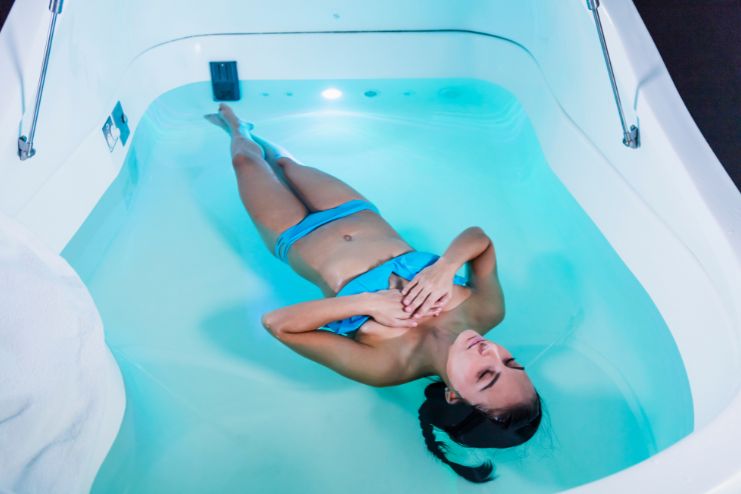
In our quest for peace and mental clarity, sensory deprivation tanks have emerged as fascinating tools for deep relaxation. Also known as isolation tanks or floatation tanks, these modern cocoons offer a unique escape from the sensory overload of contemporary life.
These specialized tanks are designed to minimize or completely eliminate external stimuli. Users float weightlessly in a warm, buoyant saltwater solution enriched with Epsom salts, experiencing near-zero gravity in a controlled environment. The tanks are typically lightproof and soundproof, creating a space that encourages profound introspection and mental reset.
The Science Behind the Serenity
Research suggests that sensory deprivation can trigger significant therapeutic benefits. The absence of external stimuli allows the mind to enter a deep state of relaxation, potentially reducing cortisol levels while promoting the release of endorphins—the body’s natural mood elevators. Many users report enhanced mental clarity, reduced anxiety, and even bursts of creativity following their sessions.
Imagine floating effortlessly in perfectly temperature-controlled water, your body supported by the mineral-rich solution while your mind is free to wander without distractions. In this suspended state, time seems to lose its grip, transforming the experience into a meditative journey of self-discovery.
Read More: Sensory Deprivation Tanks: Can Floating Help Reduce Anxiety?
2. Laughter Yoga

Laughter Yoga stands out as one of the most joyful approaches to stress relief. Developed by Dr. Madan Kataria in India during the early 1990s, this innovative practice combines intentional laughter exercises with yogic breathing techniques, creating a powerful tool for both physical and mental wellness.
Unlike traditional comedy-based laughter, Laughter Yoga sessions involve deliberate laughter exercises paired with deep breathing practices. Participants engage in playful activities and social interactions that naturally encourage spontaneous laughter. The beauty of this practice lies in its core principle: the body cannot distinguish between genuine and intentional laughter—both trigger the same beneficial physiological responses.
The Healing Power of Intentional Joy
When we laugh, whether spontaneously or through guided exercises, our diaphragm receives stimulation, oxygen flow increases, and endorphins flood our system. This natural chemistry creates an immediate mood boost while simultaneously reducing stress hormones like cortisol.
The group dynamic of Laughter Yoga adds another layer of benefit, fostering social connections and creating a sense of community. As sessions progress, intentional laughter often transforms into genuine, contagious joy, creating an atmosphere of shared wellness and collective stress relief.
3. Forest Bathing
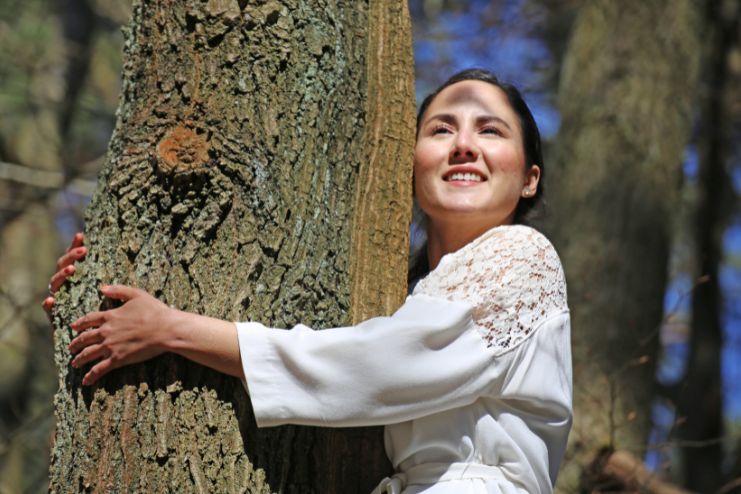
The Japanese practice of Shinrin-Yoku, or forest bathing, offers a profound antidote to our increasingly digital world. This mindful approach to nature immersion encourages us to slow down, disconnect from technology, and reconnect with the natural world’s inherent healing properties.
Forest bathing is not about vigorous hiking or physical exercise; rather, it’s a gentle, contemplative practice that involves being fully present among trees. Practitioners engage all their senses—sight, sound, smell, touch, and even taste—to form a deeper connection with the forest ecosystem. This mindful presence transforms a simple walk into a therapeutic experience.
Nature’s Stress-Relief Prescription
Scientific research has consistently validated what practitioners have long known intuitively: spending time in forests significantly reduces stress markers. Studies demonstrate that forest bathing can lower sympathetic nervous system activity and decrease cortisol levels. Additionally, exposure to phytoncides—natural compounds released by trees—has been linked to enhanced immune function and overall well-being.
The sensory-rich environment of forests naturally calms the mind and rejuvenates the spirit. When we immerse ourselves in Shinrin-Yoku, we’re not just enjoying nature—we’re participating in a scientifically-backed practice that promotes healing and restoration.
Read More: The Power of “Awe Walks” – How Experiencing Wonder Can Reduce Stress
4. Binaural Beats Therapy
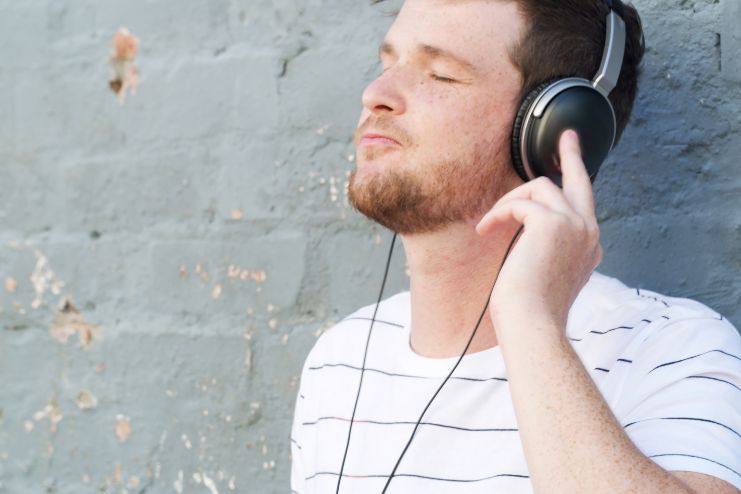
Binaural beats therapy harnesses the brain’s remarkable ability to process subtle frequency differences, creating a powerful tool for stress reduction through sound. This auditory phenomenon occurs when slightly different frequencies are played in each ear, causing the brain to perceive a third, illusory frequency known as the binaural beat.
The therapeutic magic lies in how our brains respond to these beats. Depending on the frequency range, listeners can experience various mental states, from deep relaxation to enhanced focus. For stress relief, lower-frequency binaural beats are particularly effective, helping to guide the mind away from anxiety and toward tranquility.
Frequency-Based Relaxation
Delta waves (below 4 Hz) are associated with deep sleep and profound relaxation, while theta waves (4-8 Hz) promote meditative and contemplative states. These frequencies can be incorporated into ambient soundscapes, guided meditations, or standalone relaxation sessions.
The accessibility of binaural beats makes them particularly appealing—recordings are widely available and can be used with simple headphones. Whether integrated into meditation practices or used as background audio during relaxation time, binaural beats offer a versatile approach to sound-based stress relief.
Read More: Binaural Beats for Sleep – Can Sound Frequencies Improve Your Rest?
5. Aromatherapy with Neroli Oil
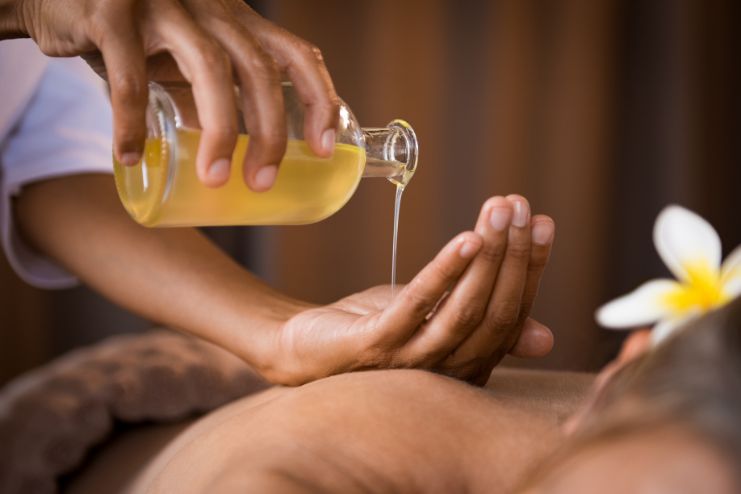
Among essential oils, neroli stands out as a particularly potent ally in the fight against stress and anxiety. Extracted from the delicate blossoms of the bitter orange tree, neroli oil carries a sweet, citrusy fragrance that has been treasured for centuries. Its name derives from Anne-Marie de la Tremoille, the 17th-century Princess of Nerola, who popularized its use in Italian aristocratic circles.
Neroli’s therapeutic properties extend far beyond its pleasant aroma. The oil’s complex chemical composition is believed to interact with the limbic system—the brain’s emotional center—promoting feelings of calm and emotional balance. This makes it particularly effective for those seeking relief from stress-related tension and anxiety.
Versatile Applications for Daily Wellness
Incorporating neroli oil into your stress-relief routine is both simple and effective. A few drops in a diffuser can quickly transform any space into a calming sanctuary. For portable stress relief, apply a drop to a cotton ball or handkerchief for on-the-go aromatherapy. The oil can also be blended into massage oils or bath preparations, allowing for deeper relaxation as both skin and senses absorb its therapeutic properties.
The versatility of neroli oil makes it an excellent addition to any holistic wellness routine, offering multiple pathways to stress relief through its distinctive and soothing fragrance.
Check out some of our top picks in neroli oils available online:
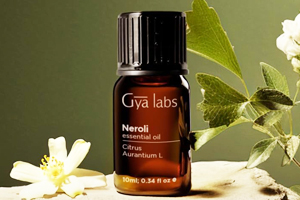
1. Gya Labs Neroli Essential Oil
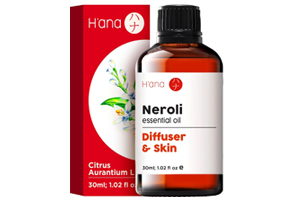
2. H’ana Neroli Essential Oil
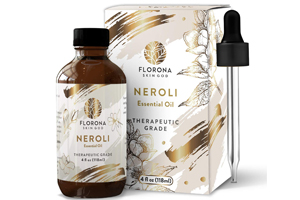
3. Florona Neroli Essential Oil
Read More: Boost Your Mood Naturally: 7 Essential Oil Diffusers for Stress Relief
6. Art Therapy
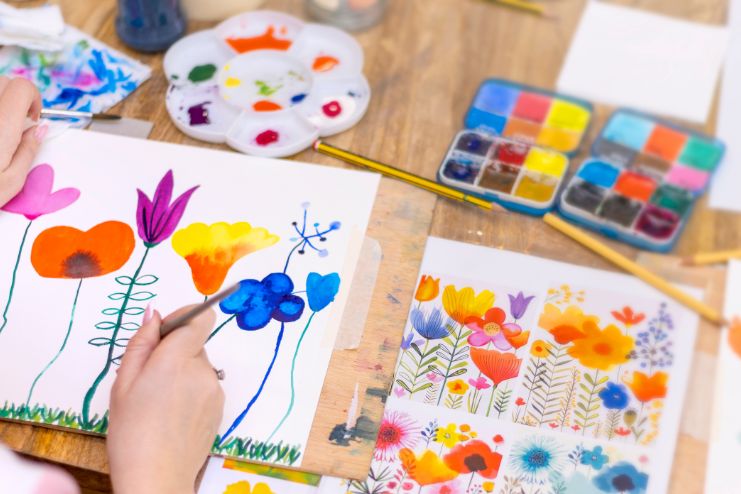
Art therapy represents one of the most personally meaningful approaches to stress relief, offering a unique pathway to emotional processing and healing. Through creative expression—whether drawing, painting, sculpting, or other artistic endeavors—individuals can access and release emotions that might be difficult to express through words alone.
The therapeutic power of art lies not in creating masterpieces, but in the process of creation itself. As we apply paint to canvas, mold clay with our hands, or sketch on paper, we engage in a form of non-verbal communication that allows the subconscious mind to express itself freely. This creative process can provide a sense of control and empowerment, particularly during times of stress or emotional upheaval.
Beyond Words: The Healing Language of Creativity
Art therapy, whether practiced independently or under professional guidance, offers a safe space for emotional exploration and stress relief. The non-verbal nature of artistic expression allows individuals to process complex feelings that might be challenging to articulate verbally.
The act of creating art can be inherently meditative, requiring present-moment focus that naturally shifts attention away from stressors. Whether working with vibrant colors, exploring different textures, or experimenting with various materials, the creative process itself becomes a form of active meditation that promotes relaxation and emotional well-being.
Read More: The Healing Power of Color Therapy: Balancing Energy with Chromotherapy
Conclusion
These six unconventional stress-relief techniques—from the profound stillness of sensory deprivation tanks to the joyful energy of Laughter Yoga, the natural healing of forest bathing, the therapeutic sounds of binaural beats, the soothing essence of neroli oil, and the expressive freedom of art therapy—each offer unique pathways to inner peace and emotional balance.
The beauty of these approaches lies in their diversity, ensuring that regardless of your personality, lifestyle, or preferences, there’s likely a method that resonates with your individual needs. We encourage you to experiment with these techniques and discover which ones align best with your personal path to wellness.
Remember, stress may be an inevitable part of modern life, but suffering from it doesn’t have to be. By exploring these innovative approaches to stress relief, you’re taking an active step toward creating a more balanced, peaceful existence. The journey to stress-free living is deeply personal—embrace the exploration and find what works best for you.
Note: While these techniques can be highly effective for stress relief, they should complement, not replace, professional medical advice when dealing with severe anxiety or stress-related conditions.
References
- https://www.healthline.com/health/sensory-deprivation-tank
- https://petecann.com/origin-of-laughter-yoga/
- https://www.canr.msu.edu/news/the_benefits_art_therapy_can_have_on_mental_and_physical_health
- https://www.healthline.com/health/neroli-oil
- https://www.healthline.com/health/binaural-beats
- https://www.mdpi.com/1999-4907/16/2/310
- https://pmc.ncbi.nlm.nih.gov/articles/PMC4219027/
- https://www.verywellhealth.com/sensory-deprivation-tank-7496656
- https://www.webmd.com/balance/what-are-the-benefits-of-float-tanks
- https://www.medicalnewstoday.com/articles/sensory-deprivation-tank-benefits
- https://www.zocalopublicsquare.org/2019/02/04/laughing-yoga-really-india/
- https://indianexpress.com/article/lifestyle/health/laughter-yoga-what-is-it-and-how-does-it-work-7199544/
- https://www.nytimes.com/interactive/2016/11/06/magazine/voyages-laughter-yoga-bangalore.html
- https://www.travelcontentcreators.com/forest-bathing-shinrin-yoku/
- https://www.uwlax.edu/currents/what-is-forest-bathing/
- https://www.ncbi.nlm.nih.gov/pmc/articles/PMC5580555/
- https://www.practicenursing.com/content/clinical/an-introduction-to-forest-bathing-for-practice-nurses/
- https://www.medicalnewstoday.com/articles/320019
- https://www.webmd.com/balance/what-are-binaural-beats
- https://www.sleepfoundation.org/noise-and-sleep/binaural-beats
- https://www.purodem.com/top-10-benefits-of-using-neroli-essential-oil/
- https://www.ncbi.nlm.nih.gov/pmc/articles/PMC8871902/
- https://artisanaromatics.com/shop/neroli-essential-oil-orange-blossom/
- https://www.greenpointpsychotherapy.com/post/the-benefits-of-art-therapy
- https://friendshipcenters.org/creative-arts-and-aging-the-benefits-of-art-therapy/
In this Article