











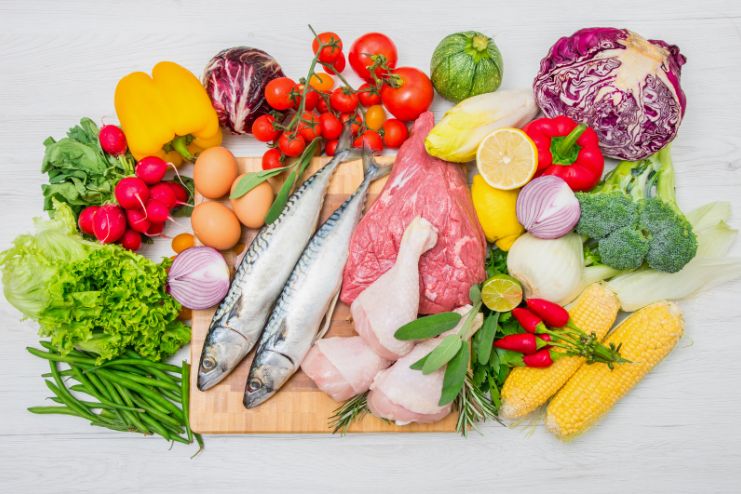
If you would like to consume more plant-based foods but do not want to eliminate meat from your diet, then the flexitarian diet could be just the solution you’re seeking. This half-vegetarian diet is catching on big time for one simple reason: flexibility. You don’t need to declare yourself a vegan or adhere to a strict plan. You simply make vegetables center stage and allow meat to have a secondary, thoughtful role.
Why is everybody talking about it? Easy. The flexitarian diet nourishes your health, benefits the planet, and doesn’t make you sacrifice your favorite foods. It’s a balanced, sustainable approach to eating that emphasizes real, whole foods without being too restrictive.
Let’s understand what the flexitarian diet is, how it works, and why it might be the healthy middle ground you never knew you needed.
Read More: What Does an Elimination Diet Really Feel Like? A 4-Week Diary
What Is the Flexitarian Diet?
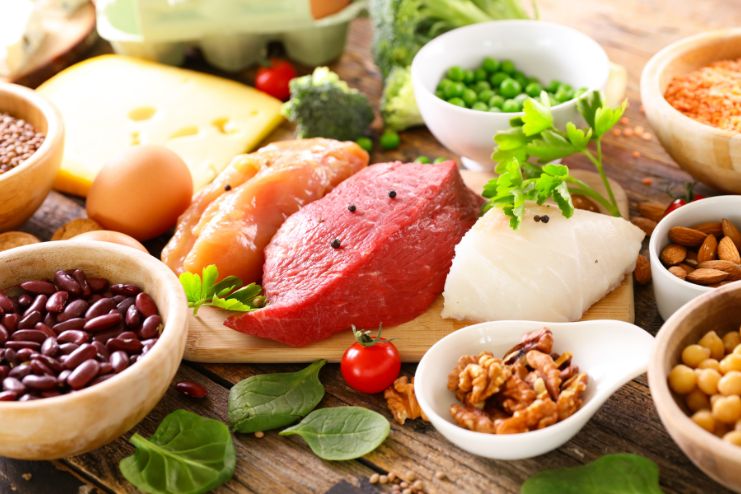
Dietitian Dawn Jackson Blatner is credited with coining the word “flexitarian.” She mixed the words “flexible” and “vegetarian,” and that describes the basic premise. You’re consuming a lot of plant-based foods, but you do have some meat, fish, dairy, or eggs now and then.
No rules, no calorie restriction, and no foods off-limits. The goal is to emphasize plants but include occasional animal foods. It’s more about changing your way of thinking than adhering to an etched-in-stone list of dos and don’ts.
Flexitarian eating can be divided into three levels:
- Beginner: Meat is still a part of most meals, but vegetables occupy a larger place on the plate.
- Advanced: Meat is reserved for a few times a week.
- Expert: Animal foods are occasional, but not forbidden.
It’s flexible for a reason—you determine what is best for your body and lifestyle.
Read More: The Power of Macronutrients: Understanding Proteins, Carbs, and Fats in Your Diet
Core Principles of the Flexitarian Approach
Here’s how eating flexitarian plays out in reality:
- Prioritize Plant Foods: Fruits, vegetables, legumes, nuts, seeds, and whole grains are the base.
- Mindful Meat Eating: Opt for lean meats, wild fish, eggs, and high-quality dairy in moderation.
- Reduce Processed Foods: Avoid processed foods, particularly ultra-processed snacks, added sugars, and refined carbs.
- Nutrient Density, Not Calorie Restriction: It’s about whole, health-promoting foods, not counting numbers.
It is not a “cheat day” type of plan. It is more about long-term equilibrium and heeding your body’s demands.
Health Benefits of the Flexitarian Diet
This is not merely a hip lifestyle trend. Science backs the numerous health benefits of the flexitarian diet:
Weight Management:
Since the flexitarian diet is high in fiber and lower in calorie-dense foods by nature, the flexitarian diet can aid in weight management. You stay fuller longer, allowing you to eat less and avoid overeating.
Heart Health:
A plant-centered, heart-healthy diet such as this one is associated with lower cholesterol, improved blood pressure, and a lower risk of cardiovascular disease. Plant-based fats (such as avocado, nuts, and olive oil) take the place of saturated fats found in red meat and processed foods.
Prevention of Diabetes:
A flexitarian diet stabilizes blood glucose levels. Due to the fiber and low-glycemic content, it enhances insulin sensitivity and could reduce the risk of type 2 diabetes.
Gut Health:
The more plants, the more prebiotic fiber that feeds beneficial gut bacteria. A yogurt or fermented food now and then maintains a diverse and healthy microbiome.
Nutritional Balance: Getting the Best of Both Worlds

A top advantage of the flexitarian diet is that you get the best of both worlds’ nutrients.
- Protein: Supplement plant protein (lentils, tofu, quinoa) with animal protein (chicken, eggs, fish) for diversity.
- Iron and Zinc: Obtain these from beans, seeds, and fortified grains, but you can add red meat in moderation to enhance bioavailability.
- Vitamin B12: In dairy, eggs, and meat, there’s no need to look to supplements unless you’re on a primarily vegan diet.
- Omega-3s: Chia seeds and walnuts assist, but fatty fish such as salmon can provide that EPA/DHA kick.
The goal is to be intentional. Not restrictive. You’re building a healthy, balanced diet with the best of both worlds.
Read More: Debunking Myths: Unraveling Misconceptions About Vegan and Vegetarian Diets
Flexitarian vs. Other Diets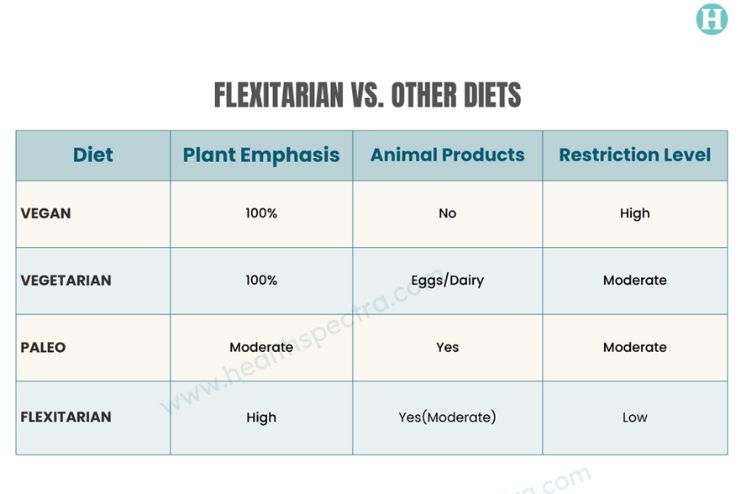 Common Challenges (And How to Fix Them)
Here are the common challenges faced while you opt for a flexitarian diet.
- Confusion Around Protein:Not certain you’re meeting your needs? Mix and match different sources. Add beans to brown rice, or add eggs to your vegetable stir-fry.
- Social Situations:Dining out with friends? No worries. Whether you want to eat meat depends on the day. That’s what makes a flexible diet so great.
- Nutrient Gaps:Make your diet varied and add some fortified foods or clever animal-based foods to catch up on anything that might be lacking.
A Day on a Flexitarian Diet (Sample Meal Plan)

If a flexitarian diet seems a good option to you, here’s a quick plan to get started:
- Breakfast: Include Greek yogurt with blueberries, chia seeds, and a sprinkle of honey.
- Lunch: Opt for a lentil salad with goat cheese, cherry tomatoes, and arugula.
- Snack: For a late afternoon snack, go for hummus with raw carrots and cucumber.
- Dinner: For dinner, include grilled salmon with quinoa and steamed broccoli.
- Dessert: A piece of dark chocolate with herbal tea is a healthy yet tasty dessert.
This sample diet is easy to prepare, tasty, and nutrient-rich.
Is the Flexitarian Diet Right for You?
The flexitarian diet is perfect for you if:
- You want to eat healthier without committing to veganism or vegetarianism
- You’re concerned about sustainability and reducing your carbon footprint
- You’d rather have a balanced, realistic approach to eating rather than adhering to strict diets
- It may not be suitable for you if you have medical food restrictions or need to completely avoid certain food groups.
Final Thoughts: Why Flexibility Is the New Wellness

The flexitarian diet isn’t a trend that will pass—it’s a state of mind. Rather than thinking about what you can’t have, it invites you to savor an abundance of nutrient-dense, whole foods while still leaving the door open to regular treats.
It benefits your health, is good for the planet, and suits your actual life. And in the time of extreme diets and wellness chatter, that kind of moderation is more precious than ever.
Plant-forward. People-friendly. Sustainably smart. That’s the flexitarian way.
In this Article