
















An average American spends over 7 hours a day on screen time. This data has shown us the gravity of our current scenario of digital dependency. Due to the increasing hours we spend on the screen, we face several issues. One of those is tech neck. This is a modern health epidemic. As simple as it may sound, it can be equally painful for people experiencing it. Tech neck is when you spend hours on digital devices and experience neck pain, stiffness, and headaches after your screen time. However, it’s not just you who has experienced this.
What Is Tech Neck? Causes and Symptoms
Prolonged screen time often leads to neck strain, stiffness, and discomfort. This may happen due to hunching over your laptop as your head tilts forward, exerting more pressure on your neck and shoulders. This results in a tech neck or text neck. Over time, this can lead to symptoms such as:
- Constant neck pain and stiffness
- Headaches
- Shoulder stiffness
- Difficulty in motion
- Numbness in arms
When you bend your head forward at a 45-degree angle to look at your digital device, it puts excessive strain on your neck and upper back. This constant strain is the reason for increasing tech neck problems in schools, colleges, and offices.
Poor posture while using devices increases the head’s weight on the cervical spine. We must understand and address tech neck to prevent long-term harm and improve our well-being.

Tech neck can seep into our daily lives before we know it. Whether you scroll and relax, attend online meetings, or watch videos, all these habits eventually lead to increased strain on your neck and shoulders. This article explains tech neck, provides tech neck exercises, and offers ways to prevent screen time neck strain.
Long-term Effects of Tech Neck

Tech neck can be painful and difficult to manage if left untreated. Here are some serious long-term issues of tech neck:
- Muscle Imbalances: The muscles at the front and back of your neck need balance, and constant poor posture can lead to imbalance. This can lead to chronic discomfort and pain. In the long run, it can lead to muscle weakness and the likelihood of injuries.
- Spinal Strain: You may experience spinal strain due to constant forward posture, which puts undue pressure on the spine. This can lead to issues like degenerate or herniated discs. Leaving this untreated can cause spinal damage or limited mobility.
- Postural Deformities: If you leave tech neck untreated, it can cause deformities in posture over time. A rounded upper back and forward posture can become permanent, affecting overall balance and posture. This can worsen your neck and back pain.
How to Prevent Tech Neck
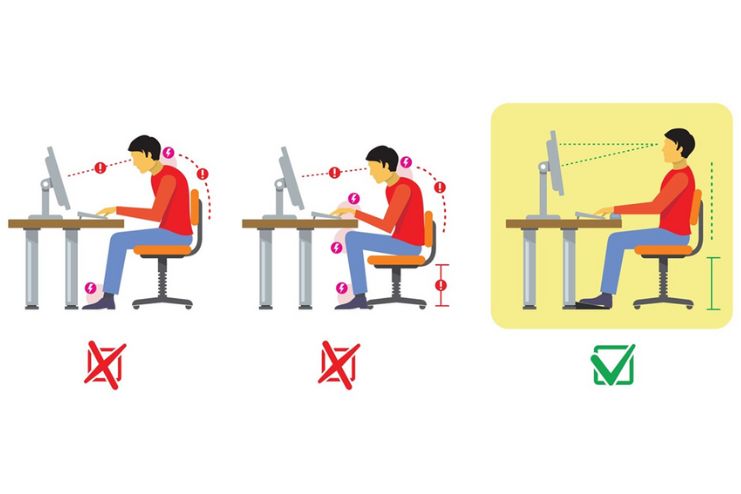
Addressing your posture and having proper workspace ergonomics, including proper movements throughout the day, are a few tips to prevent tech neck posture. Here are some effective steps for effective tech neck posture:
Optimize Your Ergonomics
- Screen Position: Place your laptop or tablet at your eye level to fix your neck position during screen time. Maintain your neck in a neutral position, and do not bend forward.
- Chair Setup: Workspace ergonomic tips can effectively support your lower back. Ensure your feet are flat on the ground and your knees are at your hip level.
- Use a Headset: If you have to attend long calls, either video or audio, it is recommended that you use a Bluetooth headset. This helps you avoid forward hunching while speaking on the laptop and cradling the phone between your shoulders and head if you are talking over the phone.
Maintain Proper Posture
- Sit Upright: Sit straight, with your shoulders relaxed. Avoid slouching, and maintain proper posture while seeing screens.
- Chin Tuck: Align your neck with your spine while gently tucking your chin towards your chest. Imagine a string pulling your head upward. This is called a chin tuck, and it will help you maintain the correct posture.
- Stand and Move Regularly: Take short breaks and include mobility in your routine. Stand up, stretch, and take a short walk to prevent your body from becoming stiff.
Exercises to Combat the Screen Time Strain

Exercise is the best for your overall health and for preventing and relieving tech neck symptoms. Here’s how to include tech neck exercises in your busy schedule:
- Chin Tucks:
Benefits: As mentioned earlier, chin tucks help prevent tech neck to a certain extent. How to do it: Sit or stand with a straight back and gently tuck your chin towards your chest for 5-10 seconds. Repeat 10 times to relieve tension. - Exaggerated Nod
Benefits: This screen time neck strain exercise helps relieve neck pain and stiffness and improves mobility, too.
How to do it: Sit or stand with shoulders relaxed. Now, close your mouth and look up at the ceiling. Next, open your jaw gently and tilt the head back. Close your mouth and bring your lower jaw to the upper jaw. Hold for a few seconds, and you may feel the stretch in the front of your neck. - Downward-Facing Dog
Benefits: This tech neck exercise helps stretch the chest, shoulders, and neck. The exercise improves posture and releases neck tension.
How to do it: Start on all fours, tuck your toes, and lift your hips toward the ceiling. Now, reach your heels back and lengthen your neck. Press into the knuckles of your fingers and breathe deeply for at least three breaths before releasing. - Cat-Cow
Benefits: This stretch increases the flexibility of the spine. It helps significantly in improving posture.
How to do it: Get on all fours. Tilt your pelvis upwards (cow), and inhale, lifting your chin and chest. Next, curl your spine and tuck your tailbone (cat) while dropping your head toward your chest. Cycle through several times, keeping your neck relaxed. - Padahastasana
Benefits: Padahastasana helps strengthen your neck and hamstrings, preventing tech neck and stiff hips due to prolonged sitting.
How to do it: Stand with your feet wide apart at the hips. Now, bend forward and reach the floor. Slide your hands under your feet, pressing your feet into the palms if possible. Relax your head and breathe deeply for three breaths. - Bow Pose
Benefits: Bow pose helps open the shoulders and makes the back strong.
How to do it: lie flat on your stomach, bending your knees and keeping your shoulders away from your ears. Grab your ankles, inhale, and lift your chest, thighs, and feet off the floor. Hold this position for ten breaths, and gently release your shoulders. - Neck Stretches: Gently tilt your head to one side to bring your ear towards your shoulder. Hold for 15-30 seconds and repeat. This helps release tension and stiffness in neck muscles.
- Scapular Squeezes: Sit or stand with your arms by your sides. Now, squeeze your shoulder blades together and hold for 5-10 seconds. This scapular squeeze exercise helps fix screen time neck strain and strengthens shoulder blades.
- Upper Trap Stretch: While standing tall, gently tilt your head to one side and reach the opposite arm towards the floor. Try to hold this for 15-30 seconds and repeat on the other side. This tech neck exercise helps improve posture by targeting and loosening upper traps.
Lifestyle Changes to Reduce Screen Time
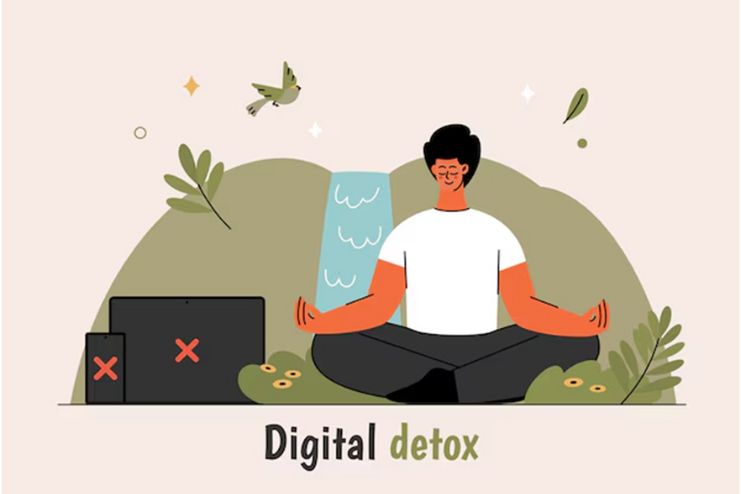
To completely cure or even prevent tech neck, it is essential to reduce screen time. Here are some practical tips to reduce the screen time and neck strain:
- Digital Detox: Go on a digital detox and take a complete break from all digital devices. This will relax your neck and give your eyes some rest.
- Use Voice Assistants: Avoid constantly sitting before screens by using voice commands for certain tasks. Use voice assistants like Alexa, Siri, or even Google Assistant to complete your tasks promptly.
- Engage in Physical Activities: As mentioned earlier, exercises maintain mobility. Indulge in relaxing exercises like yoga or pilates that improve overall posture and avoid neck strain from screens.
Conclusion
In our screen-driven world, tech neck has become common; however, it is not inevitable. You can make certain easy adjustments to your daily activities, indulge in tech neck exercises, and limit your screen time to combat tech neck. Improving posture, adjusting your workspace ergonomics, and including regular tech neck exercises are a few neck muscle tension solutions that help.
Remember, it all starts with small, actionable steps. Set your screen at eye level, practice chin tucks, and aim for long-term relief and prevention. Do not let tech neck hold you back. Take charge today with these simple tech neck tips and experience a change in your neck. Make consistent changes and improve your posture every time. Take care of your neck health today so it doesn’t hold you back tomorrow.
References
- https://www.mayoclinichealthsystem.org/hometown-health/speaking-of-health/effect-of-technology-on-your-neck
- https://www.hingehealth.com/resources/articles/scapular-squeezes/
- https://www.spine-health.com/wellness/exercise/easy-chin-tucks-neck-pain
- https://www.healthline.com/health/fitness-exercise/text-neck-treatment
- https://myback2health.com/tech-neck-epidemic-strategies-for-combating-neck-pain-in-the-digital-age/
- https://prenuvo.com/blog/tech-neck-is-now-an-epidemic-heres-how-to-prevent-it
- https://mobility-doc.com/tech-neck-exercises-beat-the-epidemic/
In this Article